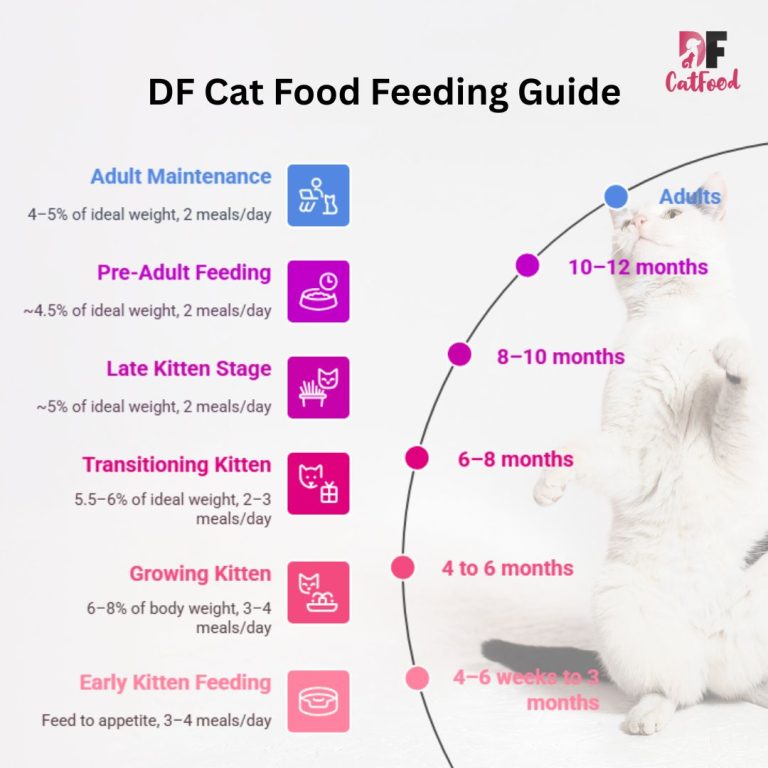
Are you wondering when to switch your kitten to adult cat food? It’s a simple question but an important one for your cat’s health and happiness.
Feeding your cat the right food at the right time can make a big difference in their growth, energy, and overall well-being. If you get it wrong, your furry friend might miss out on essential nutrients or face digestive problems.
Keep reading, and you’ll learn exactly when to start feeding your cat adult food and how to make the transition smooth and stress-free for both of you.
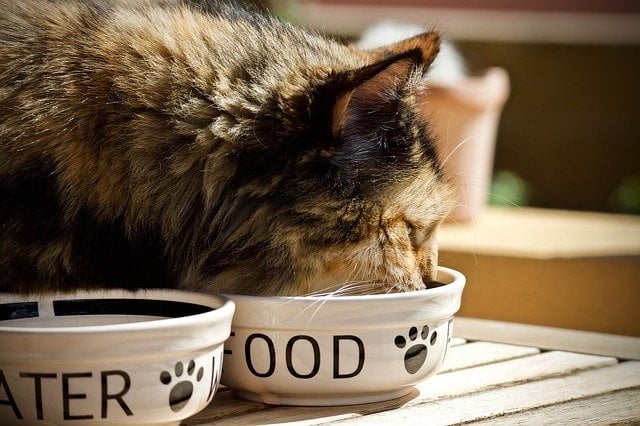
Credit: companion-vets.com
Signs Your Cat Is Ready
Knowing when your cat is ready for adult food is crucial for their health and growth. Cats don’t all develop at the same pace, so watching for signs can help you make the right switch. Here are key indicators to help you decide if it’s time to change your cat’s diet.
Physical Development Milestones
Your cat’s body gives you strong clues about their readiness. Typically, kittens reach about 80% of their adult size by 9 to 12 months. Look for changes like a fuller body shape and stronger teeth, which means they can handle tougher adult food.
If your cat is still small or seems fragile, hold off on changing their food. You want to avoid stressing their digestive system too early. Notice if their baby teeth are falling out and adult teeth are fully grown—that’s a clear physical sign.
Behavioral Changes
Behavior shifts can also hint at readiness. Has your kitten started eating less frequently but with bigger meals? That’s a natural move toward adult feeding patterns. You might also see less playful energy and more focused eating habits.
Watch for curiosity about your own food or other household pets’ meals. This interest often signals maturity. If your cat seems more independent and less needy, it’s another nudge toward switching their diet.
Veterinary Recommendations
Your vet is the best guide for timing the food change. Regular check-ups provide personalized insights based on your cat’s health and growth. Ask your vet if your cat’s weight, coat condition, and overall health suggest it’s time for adult food.
Some cats have special needs or medical conditions that affect diet timing. Your vet can recommend the best type of adult food or a gradual transition plan to keep your cat comfortable. Don’t hesitate to discuss any concerns—you want to make this change with confidence.
Age Guidelines For Transition
Knowing the right age to start feeding your cat adult food is key for their health. The change should happen smoothly to avoid stomach problems. Age guidelines help pet owners make the best decision for their cat’s growth and well-being.
Typical Age Range
Most cats switch to adult food between 9 and 12 months old. At this age, kittens slow their rapid growth. Their energy needs drop compared to when they were very young. Adult cat food offers balanced nutrients for maintenance, not growth.
Some cats may transition a bit earlier or later. Watch your cat’s size and activity level to adjust timing. Avoid switching too soon to prevent nutrient gaps. Too late can lead to weight gain or poor health.
Breed-specific Considerations
Large or giant cat breeds may need longer kitten food feeding. These breeds grow slower and need more calories. For example, Maine Coons often stay on kitten food until 12-18 months. Small breeds might transition earlier, around 9 months.
Breed size affects metabolism and nutrient needs. Check breed guidelines or consult a vet for tailored advice. This helps ensure your cat’s diet matches its natural growth pace.
Health Factors Affecting Timing
Health conditions can change when to start adult food. Cats with digestive issues may need a special diet longer. Overweight cats might benefit from early switching to adult formula. Illness or surgery recovery can also affect food choices.
Regular vet check-ups help monitor your cat’s health and diet. Adjust feeding plans based on your cat’s unique needs. Personalized care supports a happy, healthy life.
Choosing The Right Adult Food
Choosing the right adult food is vital for your cat’s health and happiness. Adult cats have different needs than kittens. Their food must support steady energy and maintain a healthy weight. The right diet helps keep their coat shiny and their digestion smooth. Understanding what makes a good adult cat food can guide you in making the best choice.
Nutritional Needs Of Adult Cats
Adult cats need balanced nutrition to stay healthy. Protein is the most important nutrient for muscle maintenance. Fat provides energy and supports skin health. Vitamins and minerals help the immune system and overall body function. Adult cats require fewer calories than kittens to avoid weight gain. Water content is also key to prevent dehydration.
Types Of Adult Cat Food
- Dry Food:Convenient and long-lasting. Helps keep teeth clean.
- Wet Food:Higher moisture content. Good for hydration and taste.
- Semi-Moist Food:Soft texture but less common. May contain more sugars.
- Raw or Homemade Diets:Requires careful planning. Can be nutritious if done right.
Ingredients To Look For
- High-Quality Protein:Chicken, fish, or turkey listed first.
- Limited Fillers:Avoid too much corn, wheat, or soy.
- Essential Fatty Acids:Omega-3 and Omega-6 for skin and coat.
- Natural Preservatives:Look for vitamin E or C instead of chemicals.
- Added Taurine:An amino acid vital for heart and eye health.
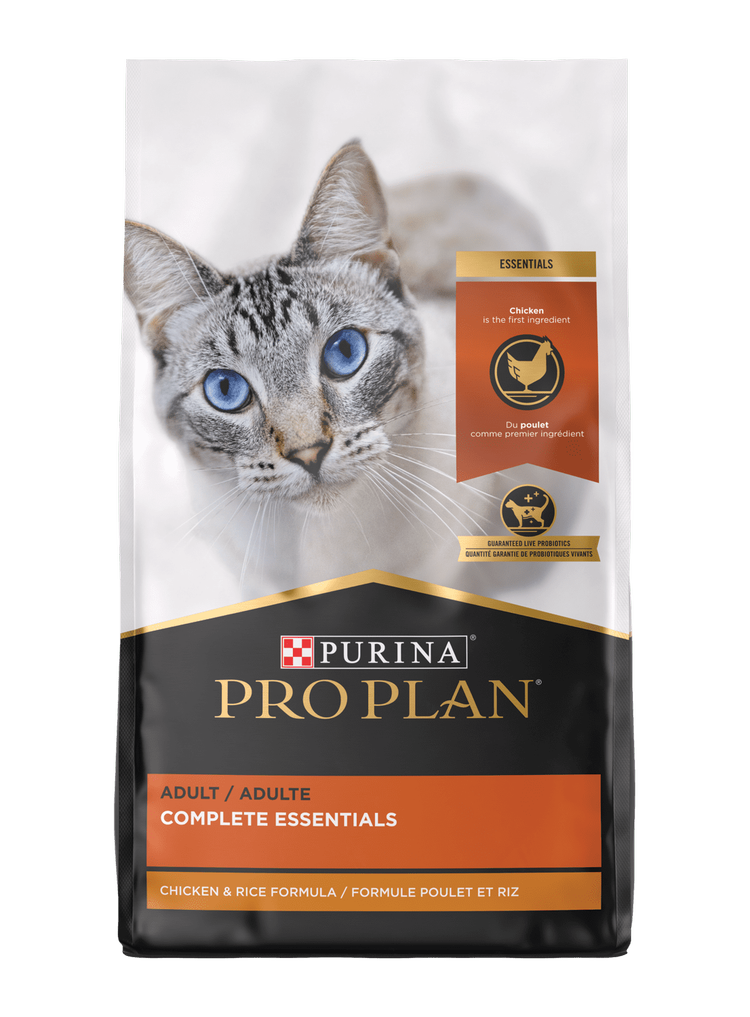
Credit: www.purina.com
Transitioning To Adult Food
Cats usually start eating adult food around one year old. Switching gradually helps their digestion adjust smoothly. Watch for changes in appetite or energy during the transition.
Transitioning a cat from kitten food to adult food marks a significant milestone. This shift is crucial as it aligns with their changing nutritional needs. Cats generally start this transition around their first birthday. The process requires attention and patience to ensure a smooth changeover.Gradual Mixing Method
Begin by mixing a small amount of adult food with their current diet. Gradually increase the adult food portion over seven to ten days. This method reduces stomach upset. It also helps your cat adjust to the new texture and taste.Monitoring Your Cat’s Response
Watch your cat’s eating habits closely during the transition. Check for any signs of digestive issues or loss of appetite. Ensure your cat maintains a healthy weight. Any negative changes might indicate the need for a slower transition.Common Transition Challenges
Some cats resist the new food. This can be due to unfamiliar flavors or textures. If your cat refuses to eat, revert to more of their previous diet. Then, try reintroducing the adult food gradually. Patience is key to a successful switch.Special Cases And Exceptions
Feeding adult cat food is not always straightforward. Some cats need special care and different feeding times. This section explains when exceptions apply. Understanding these helps keep cats healthy.
Senior Cats And Diet
Senior cats have different nutritional needs than younger adults. Their metabolism slows down. They may need fewer calories but more protein. Special senior cat foods support joint health and digestion. Switching to adult food too early or too late can cause issues. Consult a vet for the best timing and food type.
Cats With Health Issues
Cats with health problems often require tailored diets. Conditions like kidney disease, diabetes, or allergies need special formulas. These diets may differ from regular adult cat food. Feeding standard adult food could worsen some illnesses. Always follow veterinary advice to choose the right food and feeding time.
Indoor Vs. Outdoor Cats
Indoor cats usually have lower energy needs than outdoor cats. Outdoor cats burn more calories and need more nutrients. Adult food for outdoor cats often contains higher protein and fat. Feeding indoor cats the same as outdoor cats may lead to weight gain. Adjust feeding schedules and types based on your cat’s lifestyle.
Tips For Maintaining A Healthy Diet
Maintaining a healthy diet for your cat is key to their well-being. Proper feeding habits support strong muscles, shiny fur, and good energy. Adjusting to adult food needs care and attention to keep your cat happy and healthy.
Feeding Schedule
Create a regular feeding schedule for your cat. Offer meals at the same times daily. Cats thrive on routine and will feel more secure. Avoid free feeding, which can lead to overeating. Stick to two or three meals per day for adult cats.
Portion Control
Measure your cat’s food to avoid overfeeding. Check the package for recommended portion sizes. Adjust portions based on your cat’s weight and activity. Use a kitchen scale or measuring cup. Overfeeding causes weight gain and health problems.
Hydration Importance
Water is crucial for your cat’s health. Always provide fresh, clean water. Some cats prefer running water, so consider a pet water fountain. Wet food also helps increase water intake. Proper hydration supports digestion and kidney function.
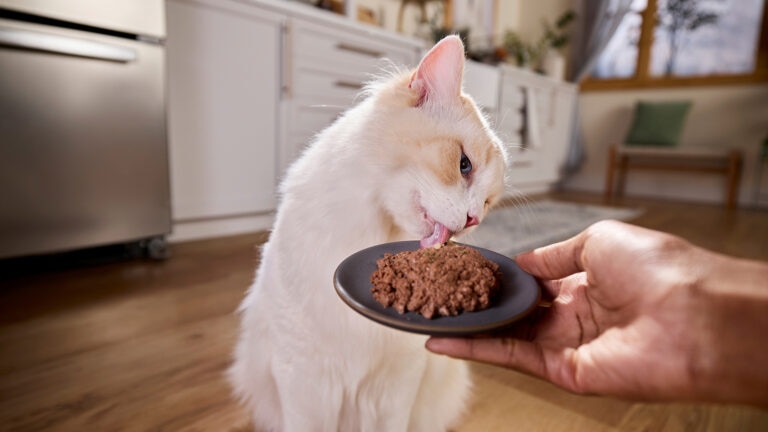
Credit: www.chewy.com
Frequently Asked Questions
When Should I Switch My Cat To Adult Food?
Switch your cat to adult food around 12 months old. This age marks the end of kitten growth. Adult food meets their nutritional needs better. Transition gradually over a week to avoid stomach upset.
What Signs Indicate My Cat Is Ready For Adult Food?
Look for slowed growth and decreased energy needs. Your cat’s teeth should be fully developed. Weight stabilizes and activity levels change. These signs suggest readiness for adult cat food.
Can I Feed Adult Cat Food To Kittens?
No, kittens need food rich in protein and fat. Adult food lacks these essential nutrients. Feeding adult food too early may stunt growth. Always use kitten-specific food until one year old.
How To Transition From Kitten To Adult Cat Food?
Mix increasing amounts of adult food with kitten food. Do this over 7 to 10 days. Monitor your cat for digestive issues during the switch. Gradual transition helps your cat adjust smoothly.
Conclusion
Feeding your cat adult food at the right time helps keep them healthy. Most cats switch around one year old. Watch for signs of growth slowing down. Choose food made for adult cats, not kittens. This supports their energy and body needs well.
Always provide fresh water alongside their meals. Talk to your vet if unsure about the change. Feeding properly means a happy, strong cat. Simple steps make a big difference in their life. Care and attention show your love best.



Leave a Reply