Have you ever noticed your cat’s fur looking curly or wavy and wondered if it’s because you’re not grooming them well enough? It’s easy to worry that curly fur means your furry friend isn’t getting the care they need.
But what if the truth is something completely different? Understanding why your cat’s fur curls can help you take better care of them and enjoy their unique beauty even more. Keep reading to uncover the real reasons behind curly cat fur—and find out what you should really be focusing on for your cat’s health and happiness.
Curly Cat Fur Traits
Curly cat fur is unique and often sparks curiosity. Many wonder if it means the cat is poorly groomed. The truth lies in natural traits and genetics. Curly fur is a special characteristic, not a sign of neglect or lack of care. Understanding these traits helps owners appreciate their curly-coated cats better.
Breed Characteristics
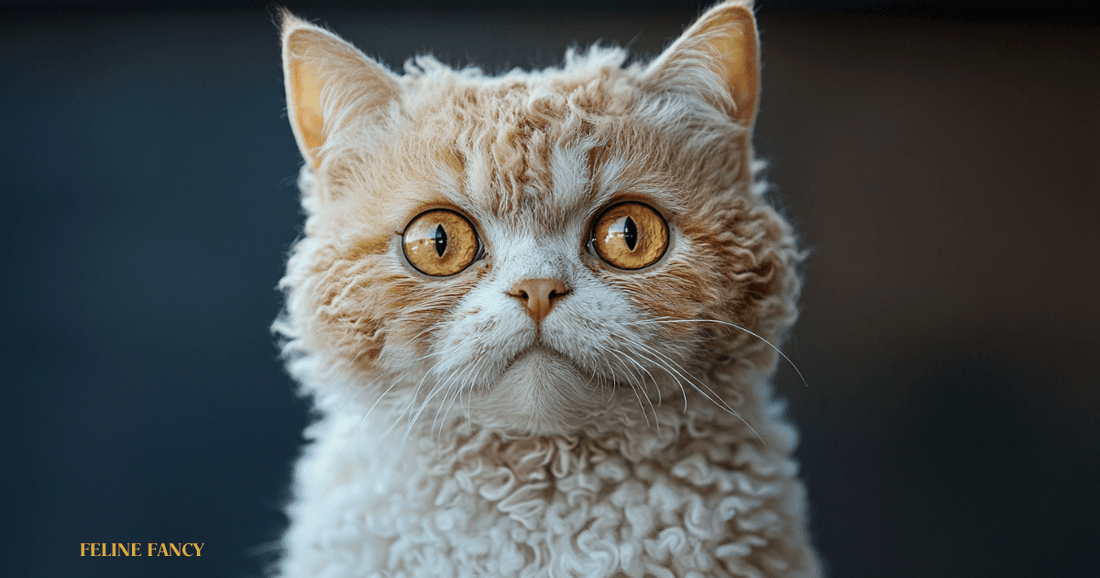
Certain cat breeds have curly fur as a natural feature. These breeds include the Selkirk Rex, Devon Rex, and Cornish Rex. Their fur forms soft curls or waves, giving them a distinct look. The texture can vary from loose curls to tight ringlets. This fur type is normal and healthy for these breeds.
- Selkirk Rex cats have thick, plush curls.
- Devon Rex cats show short, fine waves.
- Cornish Rex cats sport very tight, soft curls.
These breeds groom themselves like other cats. Curly fur does not mean poor grooming or dirtiness.
Genetic Factors
The curliness of a cat’s fur comes from specific genes. These genes affect hair shape and growth patterns. Mutations in hair follicle genes cause the curls. They change the way hair strands grow, making them bend or twist.
Genetics play a key role in determining if a cat has curly fur. It is passed down from parent cats. This trait is inherited and natural, not caused by grooming habits.

Credit: www.petforums.co.uk
Common Grooming Myths
Many cat owners believe certain grooming habits can change their cat’s fur texture. These ideas often come from misunderstandings about cat care. It’s important to clear up these myths to care for your cat properly.
Link Between Fur Texture And Grooming
Curly fur is often mistaken as a sign of poor grooming. Some think that cats with curly fur have not been brushed enough. This is not true. Curly fur is usually a natural trait of certain cat breeds. Grooming affects fur cleanliness but does not change its natural curl or texture.
Regular brushing helps remove dirt and loose hair. It prevents mats but does not straighten or curl fur. Cats with curly fur need gentle grooming to avoid damaging the curls.
Misconceptions About Fur Health
Many believe shiny, straight fur means a healthy cat. This is a common mistake. Fur health depends on diet, hydration, and overall wellness. A cat can have curly or wavy fur and still be very healthy.
Poor grooming can cause mats and tangles, but it does not cause curls. If fur looks dull or unhealthy, medical issues or poor nutrition may be the cause. Proper grooming supports health but does not change fur type or texture.
Scientific Insights
Curly fur in cats can spark curiosity. Some believe it’s due to poor grooming. Scientific insights reveal more about this unique trait. Understanding the science helps us appreciate these fascinating felines.
Studies On Fur Curliness
Researchers have explored why some cats have curly fur. They study genetics and environmental factors. This research helps identify the causes of fur curliness. It is not just about grooming habits. Genetic mutations often play a significant role. Scientists investigate how these mutations affect hair structure.
Role Of Hair Follicles
Hair follicles are crucial in determining fur texture. In curly-haired cats, follicles are structured differently. This unique structure creates waves or curls in the fur. Studies show that follicle shape affects hair type. Straight hair comes from round follicles. Oval-shaped follicles lead to curls. This discovery emphasizes the biological basis of curly fur.
Proper Grooming Practices
Proper grooming practices keep curly cat fur healthy and beautiful. Curly coats need special care to avoid tangles and matting. Regular grooming helps maintain their natural curl and shine. It also prevents skin problems and keeps your cat comfortable.
Brushing Techniques
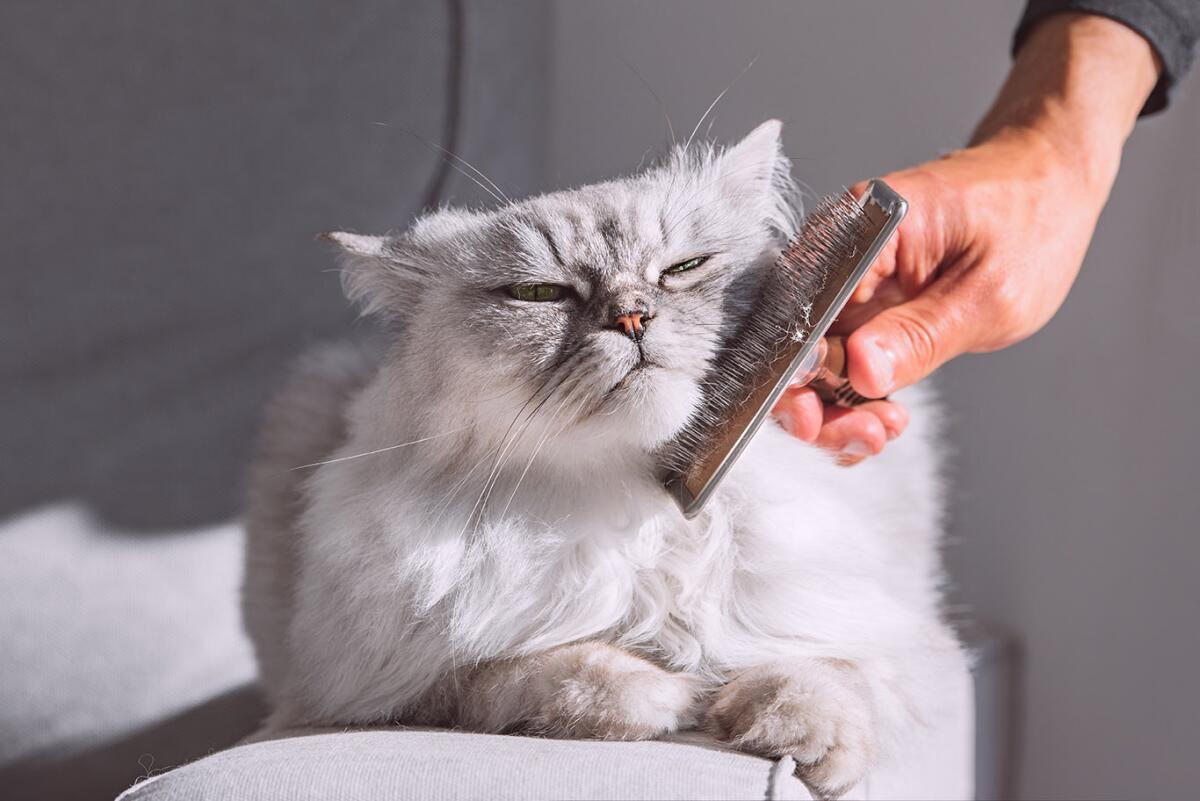
Use a wide-toothed comb or a soft brush for curly fur. Gently detangle knots without pulling the hair. Brush in the direction of hair growth. Focus on areas prone to mats, like behind ears and under legs. Brush your cat at least twice a week. This removes loose hair and dirt. It also stimulates blood flow and natural oils.
Bathing Tips For Curly Cats
Bathing curly cats requires care and patience. Use lukewarm water and a gentle, cat-safe shampoo. Rinse thoroughly to avoid residue in the curls. Dry your cat with a soft towel and avoid rubbing. Air dry if possible, or use a low heat setting on a hairdryer. Bathing once a month keeps the fur clean without drying the skin.
Health Considerations
Curly fur on cats can sometimes raise questions about their health. It is important to understand if the curliness is a natural trait or a sign of health issues. Poor grooming is not always the cause. Certain health conditions may affect the skin and fur texture, leading to unusual appearances. Observing your cat’s fur closely helps in spotting possible problems early. Proper care supports your cat’s overall well-being.
Skin Conditions And Fur Appearance
Skin problems can change a cat’s fur texture. Dry skin or allergies might cause fur to look curly or matted. Parasites like fleas irritate the skin, affecting fur smoothness. Infections can make the fur clump or curl oddly. These issues often come with redness, itching, or hair loss. Healthy skin usually means shiny, smooth fur. Watch for changes that might signal skin trouble.
When To Consult A Vet
Seek veterinary advice if your cat’s fur changes suddenly. Look for signs like persistent itching, bald spots, or scabs. If the fur feels greasy, dull, or unusually curly, a vet check is wise. Early diagnosis helps prevent serious problems. The vet can recommend treatments or special grooming tips. Regular vet visits keep your cat’s coat and skin in top shape.

Credit: www.yahoo.com
Famous Curly Cat Breeds
Curly cat fur often sparks curiosity. Many wonder if it’s a sign of poor grooming or a unique genetic trait. Certain cat breeds naturally have curly fur, challenging the idea that curls result from neglect.
Selkirk Rex
The Selkirk Rex is famous for its plush, curly coat that looks like a soft wool sweater. This breed’s curls are a natural genetic mutation, not a grooming issue. Their fur requires regular brushing to prevent mats, but the curls themselves are a sign of healthy genetics.
Owning a Selkirk Rex means appreciating how their fur stands out from typical cat coats. Their curls add character, making them a favorite for cat lovers who want something different. Have you noticed how their fur feels softer compared to straight-haired cats?
Cornish Rex
The Cornish Rex has a very distinct look with fine, tight curls covering its body. Unlike the Selkirk Rex, their curls are shorter and often feel like velvet to the touch. Their coat is low-shedding and requires minimal grooming.
This breed’s curly fur is purely genetic, not a sign of grooming neglect. If you see a Cornish Rex with matted or dirty fur, it’s more about owner care than the breed itself. Could this change how you view curly fur on cats you meet?
Credit: www.adoptapet.com
Frequently Asked Questions
Does Curly Cat Fur Mean Poor Grooming Habits?
No, curly cat fur is usually genetic, not due to poor grooming. Some breeds naturally have curly coats. Grooming affects fur health, but curls are inherited traits, not grooming issues.
Can Grooming Improve Curly Cat Fur Appearance?
Yes, regular grooming helps keep curly fur clean and prevents mats. It improves fur texture and reduces tangles. Grooming supports overall coat health but doesn’t change natural curl patterns.
Which Cat Breeds Have Naturally Curly Fur?
Breeds like the Selkirk Rex, Devon Rex, and Cornish Rex have curly coats. Their unique fur texture is due to genetics, not grooming. These breeds require special grooming to maintain coat health.
Does Poor Grooming Cause Fur To Curl In Cats?
No, poor grooming causes mats and dirt buildup, not curls. Curly fur is a breed characteristic. Neglecting grooming can harm fur condition but won’t create curls.
Conclusion
Curly cat fur is not always a sign of poor grooming. Many cats naturally have curly or wavy coats. Genetics play a big role in their fur texture. Proper grooming helps keep the fur healthy and clean. Neglect can cause mats and tangles, but it does not create curls.
Understanding your cat’s breed can explain their unique fur. Regular brushing supports a shiny, smooth coat. Remember, curly fur is often normal, not a problem. Taking care of your cat’s grooming needs keeps them happy and healthy.

Leave a Reply