Do you find yourself fascinated by cats but struggle to tell one breed from another? Imagine being able to recognize any cat breed at a glance and impress your friends with your knowledge.
Learning about cat breeds is easier than you think, and it can make your love for cats even more rewarding. You’ll discover simple tips and tricks that will help you quickly identify different cat breeds. Ready to become a cat breed expert?
Keep reading and unlock the secrets to understanding your feline friends better than ever.

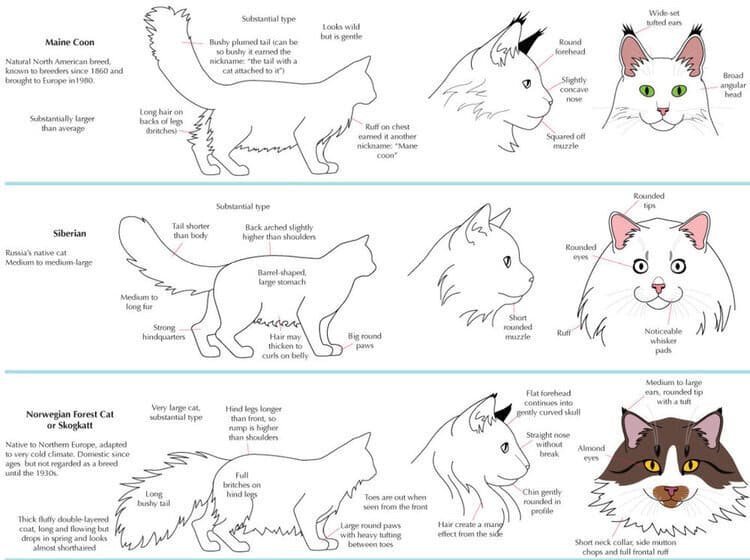
Credit: www.litter-robot.com
Popular Cat Breed Categories
Understanding popular cat breed categories helps you learn about feline diversity. Cats come in many types, each with unique traits. Recognizing these categories makes it easier to identify and appreciate different cats.
Domestic Cats
Domestic cats are the most common type found in homes worldwide. They are not purebred and often have mixed ancestry. These cats vary in color, size, and personality. Their adaptability makes them great companions.
Pedigree Breeds
Pedigree breeds have documented ancestry and meet specific breed standards. These cats show distinct physical features and temperaments. Examples include Siamese, Persian, and Maine Coon. Breeders maintain these cats to preserve breed qualities.
Hybrid Cats
Hybrid cats are crosses between wild and domestic breeds. They combine traits from both parents, creating unique appearances. Common hybrids include Bengal and Savannah cats. These breeds often have energetic and playful personalities.

Credit: www.youtube.com
Key Physical Traits To Notice
Noticing key physical traits is essential when learning cat breeds. These traits help you distinguish one breed from another quickly and accurately. Paying attention to details like coat, body, eyes, and ears gives you practical clues about a cat’s background and personality.
Coat Patterns And Colors
Coat patterns and colors vary widely among cat breeds. Some breeds, like the Siamese, have distinct color points on their ears, face, paws, and tail. Others, such as the Bengal, feature spotted or marbled coats that mimic wild cats.
Look closely at the texture too—is the fur short, long, curly, or silky? These details matter. For example, the Scottish Fold often has dense, plush fur, while the Sphynx is almost hairless. Can you spot patterns that repeat or unique markings that catch your eye?
Body Size And Shape
Body size and shape can tell you a lot about a cat’s breed. Some cats, like the Maine Coon, are large and muscular with broad chests. Others, such as the Oriental Shorthair, are slim and elongated with long legs and necks.
Notice the cat’s posture and how it moves. Does it have a sturdy build or a delicate frame? Observing these traits can help you guess the breed even before looking at the face.
Eye Color And Shape
Eye color and shape vary greatly between breeds and often stand out as a striking feature. Blue eyes are common in breeds like the Ragdoll and Siamese, while copper or gold eyes might suggest a British Shorthair.
Shape matters too—are the eyes almond-shaped, round, or slightly slanted? These differences give you another layer of clues. Have you ever noticed how some cats’ eyes almost seem to glow in certain light?
Ear Types And Positions
Ears can be a quick giveaway of a cat’s breed. Some cats, like the Scottish Fold, have ears that fold forward, while the American Curl’s ears curl backward. The size and position of ears also vary—large, upright ears are typical in breeds like the Abyssinian.
Pay attention to how the ears sit on the head and their shape. Small changes can signal a specific breed or mix. Next time you meet a cat, try to focus on its ears and see what story they tell.
Distinctive Behavioral Traits
Recognizing distinctive behavioral traits helps identify cat breeds quickly. Each breed shows unique habits, making learning easier and more fun. Observing how cats act reveals key breed differences clearly.
Understanding the distinctive behavioral traits of cat breeds can be both fascinating and useful. Just like humans, cats have unique personalities that make them who they are. These traits can influence how they interact with you and their environment. Recognizing these behaviors can deepen your connection with your feline friend and help you choose the right breed for your lifestyle.Activity Levels
Some cats are bundles of energy, while others prefer lounging in sunbeams. Breeds like the Bengal and Abyssinian are known for their high activity levels and love for climbing and exploring. If you prefer a more laid-back companion, a Persian or Ragdoll might be a better fit. Knowing your cat’s activity level can help you provide the right environment and stimulation.Social Tendencies
Is your cat a social butterfly or more of a solitary spirit? Breeds such as the Siamese and Burmese thrive on human interaction and enjoy being the center of attention. On the other hand, British Shorthairs may be more reserved and prefer quiet companionship. Consider how much time you can dedicate to socializing with your cat.Vocalizations
Cats communicate in various ways, and vocalizations are a key component. Siamese cats are famously talkative and will often engage in long conversations with their owners. Conversely, the Russian Blue tends to be quieter, expressing itself more subtly. Understanding these vocal traits can help you better interpret your cat’s needs and moods. Every cat is an individual, but knowing these general behavioral traits can guide you in selecting the perfect feline match. Have you noticed any unique behaviors in your own cat that surprised you? Exploring these quirks can lead to a deeper understanding and appreciation of your furry companion.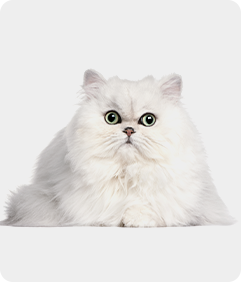
Credit: www.litter-robot.com
Tools And Resources For Identification
Identifying cat breeds can be both fun and challenging. Having the right tools and resources makes the process much easier and more accurate. Whether you’re a beginner or just curious, these tools can help you learn to recognize different breeds with confidence.
Breed Identification Apps
Apps designed for breed identification use photos and AI technology to analyze a cat’s features. You simply upload a picture, and the app suggests possible breeds based on patterns, body shape, and other traits.
Apps like “Cat Scanner” or “PetFinder” can be handy when you meet an unfamiliar cat. Have you ever wondered about a stray cat’s breed but had no clue where to start? These apps put that answer right in your pocket.
Cat Breed Books
Books remain a trusted source for detailed breed descriptions and history. Titles such as The Complete Cat Breed Guideor The Encyclopedia of Cat Breedsoffer photos, temperament insights, and care tips.
Reading a book allows you to compare breeds side-by-side and understand their unique traits deeply. Do you prefer flipping through pages to get a feel for each breed’s personality and looks?
Online Breed Databases
Websites dedicated to cat breeds provide searchable databases with photos, breed standards, and expert articles. Reputable sites like The International Cat Association (TICA) or Cat Fanciers’ Association (CFA) update their data regularly.
These databases often feature forums and breed comparison tools. Have you used these platforms to ask questions or share photos with other cat lovers?
Practical Steps To Practice Identification
Learning to identify different cat breeds takes more than just reading descriptions. It involves hands-on practice and sharpening your observation skills. These practical steps will help you recognize breeds accurately and make your learning process more interactive and fun.
Observation Techniques
Pay close attention to a cat’s physical features like ear shape, coat length, and eye color. Notice how their body type varies—some breeds have slender frames while others are more robust.
Watch their behavior too. Breed traits sometimes show in their activity levels or how they interact with people. Have you ever noticed how a Siamese cat’s vocal nature stands out compared to a calm British Shorthair?
Taking Quality Photos
Clear photos help you study details you might miss with a quick glance. Use natural light and try to capture the cat from different angles—front, side, and back.
Keep your camera steady and focus on key traits like fur pattern or tail shape. If you’re unsure about a breed, comparing your photos to breed guides can clarify doubts.
Joining Cat Enthusiast Communities
Connect with others who share your interest. Online forums, social media groups, or local cat clubs provide valuable insights from experienced owners and breeders.
Ask questions and share your photos to get feedback. These communities often have breed experts who can spot subtle differences you might overlook. How might your learning improve if you had instant access to such expert opinions?
Common Mistakes To Avoid
Learning about cat breeds can be exciting, but it’s easy to fall into traps that slow down your progress or lead to confusion. Avoiding common mistakes helps you build a clearer understanding and appreciate cats more deeply. Let’s look at some pitfalls to watch out for as you learn.
Relying Solely On Appearance
It’s tempting to judge a cat’s breed just by how it looks. However, many breeds share similar physical traits, which can mislead you. A cat that looks like a Siamese might actually be a mix or a different breed entirely.
I once thought a fluffy white cat was a Persian, only to find out it was a Himalayan. This taught me to use more than just looks—like checking breed history or asking experts. Always combine appearance with other clues to avoid mistakes.
Ignoring Mixed Breeds
Mixed breed cats often get overlooked, but they make up the majority of cats worldwide. Ignoring them means missing out on understanding the full range of feline diversity. Mixed breeds can have traits from several breeds, making them fascinating to study.
Have you considered how mixed breeds influence cat behavior and appearance? Learning about them can sharpen your skills in identifying breed characteristics and deepen your respect for every cat’s unique background.
Overlooking Behavior Patterns
Behavior can reveal more about a cat’s breed than looks alone. Each breed tends to have typical personality traits and activity levels. For example, Bengals are usually very active and playful, while Ragdolls are often calm and affectionate.
Ignoring these patterns can lead you to misidentify or misunderstand cats. Ask yourself: How does this cat act? Does its behavior match what I’ve read about its breed? Observing behavior adds a valuable layer to your learning process.
Frequently Asked Questions
What Are The Most Popular Cat Breeds To Learn?
Popular cat breeds include Siamese, Persian, Maine Coon, Bengal, and Ragdoll. Learning these helps identify traits and behaviors easily.
How Can I Identify Different Cat Breeds?
Focus on coat patterns, size, body shape, and personality traits. Reference breed guides and photos for accurate identification.
What Resources Help In Learning Cat Breeds?
Use books, websites, and cat breed apps. Joining cat enthusiast groups and visiting shelters also enhance learning.
How Long Does It Take To Learn Cat Breeds?
Basic recognition takes weeks; mastering breeds may take months. Consistent study and real-life observation speed up learning.
Conclusion
Learning cat breeds takes time and patience. Start with common breeds and explore their traits. Use books, websites, and videos for better understanding. Practice by observing cats in your area or shelters. Remember, each breed has unique features and behaviors.
Keep notes to remember what you learn. Enjoy the process—it makes learning fun and easy. Stay curious and open to discovering new breeds. This approach helps you learn more naturally and deeply.




Leave a Reply