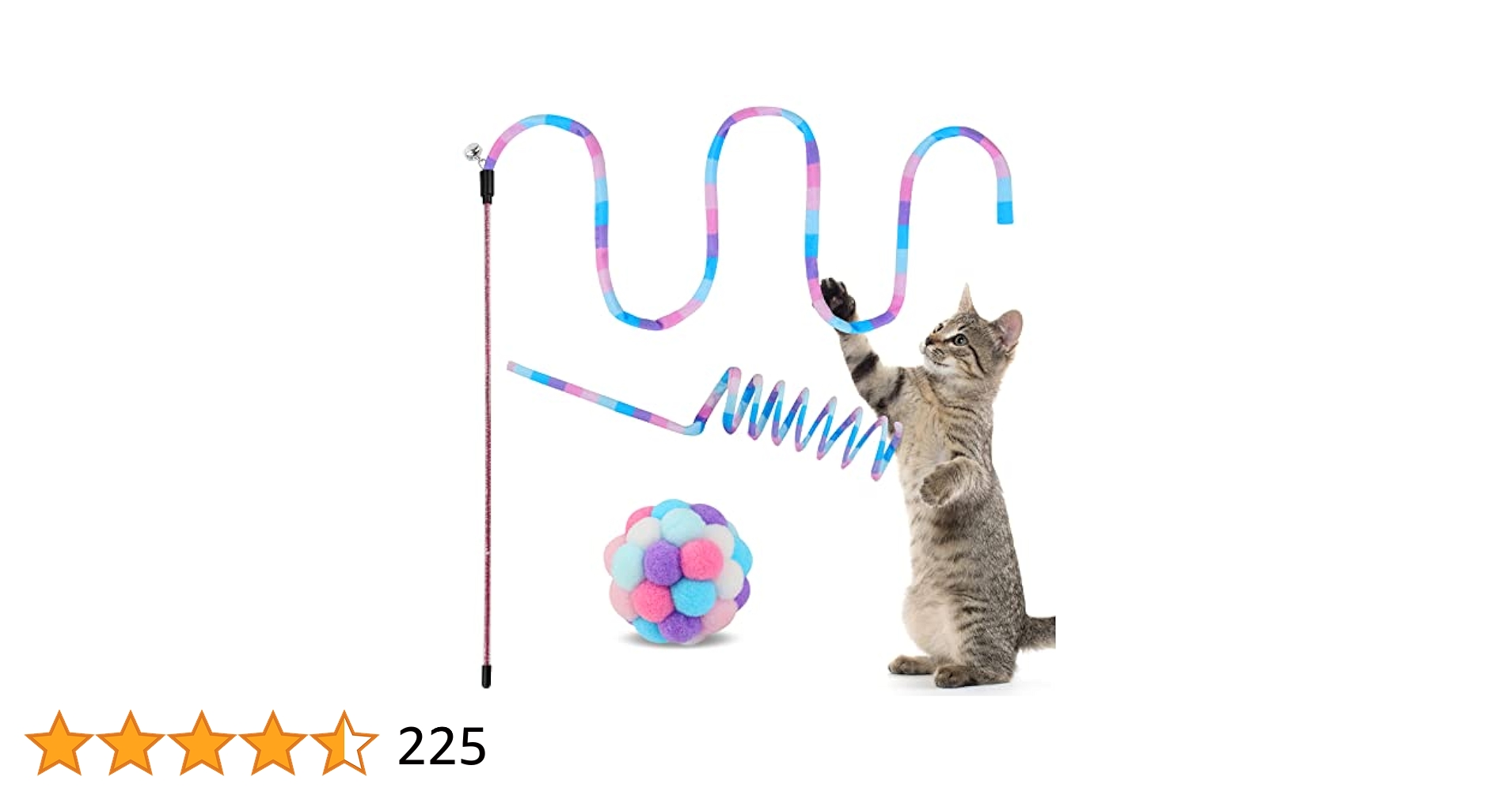
If you want your cat to stay happy, healthy, and entertained, choosing the right toy is key. But what makes a good cat toy?
It’s more than just something colorful or noisy. Your cat needs toys that spark their natural instincts, keep them active, and provide mental stimulation. You’ll discover the secrets to picking toys your cat will love—and why it matters for their well-being.
Keep reading to find out how the perfect toy can transform playtime into a joyful, bonding experience for both of you.

Credit: www.amazon.com
Safe Materials
Choosing safe materials for your cat’s toys is essential to protect their health and keep playtime worry-free. Cats explore the world with their mouths, so any toxic or fragile material can lead to serious issues. You want toys that not only entertain but also keep your furry friend safe from harm.
Non-toxic Components
Always check if the toy is made from non-toxic materials. Cats often chew and lick their toys, so anything harmful can cause poisoning or allergic reactions. Look for toys labeled as BPA-free, phthalate-free, and free from harmful dyes.
Natural fibers like cotton or wool are usually safer choices. Plastic toys should be hard, not brittle, and certified safe for pets. Have you ever noticed your cat avoiding a toy? It might be sensing an unpleasant chemical smell.
Durability And Strength
Toys need to withstand your cat’s claws and teeth without breaking apart easily. Weak materials can create sharp edges or small pieces that your cat might swallow. Choose toys made from sturdy fabrics like canvas or tightly woven fibers.
Rubber and silicone are excellent for chew toys, as they resist damage and are easy to clean. Think about how your cat plays—does she bite hard or bat lightly? Matching the toy’s strength to your cat’s play style helps avoid accidents.
Avoiding Small Parts
Small detachable parts like beads, bells, or feathers can be choking hazards. Even if they seem fun, these pieces can easily come off and cause blockages or internal injuries. Always inspect toys for loose parts before giving them to your cat.
If you buy toys with small attachments, make sure they are firmly secured and supervise your cat during play. Do you often find bits of toys scattered around? It’s a sign to switch to safer, one-piece designs.
Interactive Elements
Interactive elements in cat toys are what truly capture your cat’s attention and keep them engaged for longer periods. These elements stimulate your cat’s natural instincts, making playtime more exciting and mentally enriching. Understanding which interactive features work best can help you choose toys that your feline friend will love to chase, pounce on, and explore.
Movement And Motion
Movement is a key factor that triggers a cat’s hunting instincts. Toys that wiggle, spin, or flutter mimic the unpredictable motions of prey, which cats find irresistible. Think about those times when your cat suddenly bolts after a rolling ball or a dangling feather—movement grabs their focus instantly.
Battery-operated toys that move on their own or toys you can control to create erratic motions add an extra layer of fun. Have you noticed how a simple laser pointer can send your cat into a frenzy of excitement? That’s the power of dynamic motion in play.
Sound And Noise
Sounds can make toys even more engaging by appealing to your cat’s sharp hearing. Toys that crinkle, jingle, or squeak provide auditory stimulation that keeps cats curious and entertained. A soft bell inside a ball or a crinkly fabric layer can make your cat want to bat and chase endlessly.
However, some cats might be sensitive to loud noises, so it’s important to observe your cat’s reaction. Have you ever noticed your cat reacting differently to various toy sounds? Matching the noise level to your cat’s preference makes playtime more enjoyable.
Textures And Surfaces
Different textures add tactile interest that encourages your cat to explore and interact with a toy. Rough, soft, fuzzy, or rubbery surfaces can satisfy your cat’s desire to scratch, bite, and knead. My own cat prefers toys with a mix of smooth and crinkly textures—she spends more time playing with those than with plain plastic toys.
Offering toys with varied textures can keep your cat engaged longer and prevent boredom. What textures does your cat seem to prefer? Paying attention to their favorite surfaces can guide you to better toy choices.
Size And Shape
Size and shape affect how easily a cat can bat, carry, or chase a toy. Toys should be small enough to grab but large enough to avoid swallowing. Shapes that mimic prey often attract a cat’s natural hunting instincts.
Choosing the right cat toy involves more than just grabbing the first cute item you see. Size and shape play a crucial role in how much your feline friend will enjoy their new plaything. Cats have different preferences, and understanding these can lead to a happier, more active pet. Have you ever noticed your cat ignoring a toy simply because it’s too big or awkwardly shaped? Finding the right fit can make all the difference in their playtime experience.Easy To Bat And Carry
Cats love to bat and pounce on their toys. Small, lightweight toys are ideal because they allow your cat to engage in these natural hunting behaviors. A toy that fits easily in their mouth gives them the satisfaction of a successful “catch,” enhancing their playtime joy. If a toy is too large, your cat might lose interest. Consider toys like small plush mice or crinkly balls, which are perfect for batting around the house. Does your cat often carry toys in their mouth? A toy that’s easy to pick up can turn into a favorite.Variety For Different Play Styles
Not all cats play the same way. Some prefer chasing and pouncing, while others enjoy swatting and batting. Having a variety of toy sizes and shapes caters to these different play styles and keeps your cat engaged. Do you have a high-energy kitty that loves to chase? Long, slender toys like feather wands can be a hit. For those that enjoy more independent play, a small, round ball might keep them entertained for hours. Experimenting with different types can reveal what excites your furry friend the most. Incorporating a diverse selection of toys not only enriches your cat’s environment but also prevents boredom. What new shape or size will you introduce to your pet’s toy collection today?Stimulating Senses
Good cat toys engage a cat’s senses fully. Stimulating senses keeps cats active and curious. Toys that appeal to sight, smell, and touch capture their attention longer. Sensory stimulation also helps reduce boredom and unwanted behavior.
Visual Appeal
Cats notice bright colors and moving shapes easily. Toys with contrasting colors catch their eye quickly. Small, fluttering objects mimic prey and attract cats to play. Reflective surfaces or patterns can also keep their interest strong.
Scent Infusion
Many cats respond well to certain smells. Toys infused with catnip or valerian root excite cats naturally. These scents encourage cats to bite, paw, and chase the toy. Scented toys offer a strong sensory connection beyond just sight and touch.
Tactile Experience
Texture matters for cats when they chew or bat toys. Soft, fuzzy, or crinkly materials provide a satisfying feel. Some toys include feathers or rubber for varied touch sensations. Textured toys stimulate paws and claws, making playtime more fun.
Ease Of Cleaning
Ease of cleaning is a key factor in choosing a good cat toy. Dirty toys can cause germs and bad smells. Clean toys keep your cat healthy and happy. Simple cleaning saves time for busy pet owners. Easy-to-clean toys last longer and stay safe for play.
Washable Materials
Toys made from washable materials are best. Fabrics like cotton and polyester can be machine washed. Rubber and silicone toys can be cleaned with soap and water. Avoid toys that absorb dirt or are hard to wash. Check labels for washing instructions to keep toys fresh.
Quick Drying Features
Quick drying toys prevent mold and bacteria growth. Materials like mesh and nylon dry fast after washing. Toys with holes or open designs allow air to pass through. Fast drying means toys are ready sooner for playtime. Choose toys that dry within hours, not days.
Encouraging Exercise
Encouraging exercise is essential for a cat’s health and happiness. Good cat toys motivate cats to move and stay active. Exercise helps maintain a healthy weight and supports strong muscles. It also reduces stress and prevents boredom. Toys that spark movement keep cats lively and engaged throughout the day.
Promoting Active Play
Active play gets cats running, jumping, and pouncing. Toys like balls, feathers, and laser pointers invite chasing and jumping. Movement encourages natural hunting skills. Cats stay fit and sharp by using their bodies. Toys that mimic prey catch attention quickly.
Mental Engagement
Mental exercise is as important as physical activity. Puzzle toys challenge cats to find treats or solve problems. This keeps their minds sharp and curious. Mental play reduces boredom and destructive behavior. Toys that mix thinking and moving offer the best benefits.
Adaptability
Adaptability is a key feature of a good cat toy. Cats grow and change over time. Their needs and play styles shift with age and mood. A toy that adapts can keep your cat interested for longer. It supports healthy exercise and mental stimulation at every stage.
Suitable For All Ages
A good cat toy fits kittens, adults, and seniors alike. Kittens need soft, lightweight toys to develop skills. Adult cats enjoy toys that challenge their hunting instincts. Older cats benefit from gentle, easy-to-handle toys. Toys that suit all ages reduce the need to buy many items.
Adjustable Difficulty Levels
Toys with adjustable difficulty keep cats engaged over time. Simple designs work for curious kittens. More complex features attract experienced hunters. Changing the challenge level boosts your cat’s confidence. It also helps prevent boredom and frustration. Adjustable toys grow with your cat’s abilities and energy.

Credit: www.amazon.com

Credit: www.amazon.com
Frequently Asked Questions
What Features Make A Cat Toy Engaging?
A good cat toy is interactive, safe, and stimulates natural instincts. It should encourage play, hunting, and exercise to keep cats active and happy.
How Important Is Toy Size For Cats?
Toy size matters; it should match your cat’s size and play style. Too small toys risk swallowing, while too large ones may not interest your cat.
Which Materials Are Safest For Cat Toys?
Non-toxic, durable materials like natural fibers, rubber, and BPA-free plastics are safest. Avoid toys with small parts that can break off and cause choking.
How Often Should Cat Toys Be Replaced?
Replace toys every few months or when worn out. Old toys can harbor bacteria or lose their appeal, reducing your cat’s interest in play.
Conclusion
A good cat toy keeps your pet active and happy. It should be safe, fun, and easy to use. Cats love toys that move or make noise. Toys that challenge their mind are great too. Changing toys often keeps your cat interested.
Watch how your cat plays to find favorites. Simple toys can bring hours of joy. Remember, a happy cat is a healthy cat. Choose toys that fit your cat’s style and needs. Playtime builds a stronger bond between you and your pet.


Leave a Reply