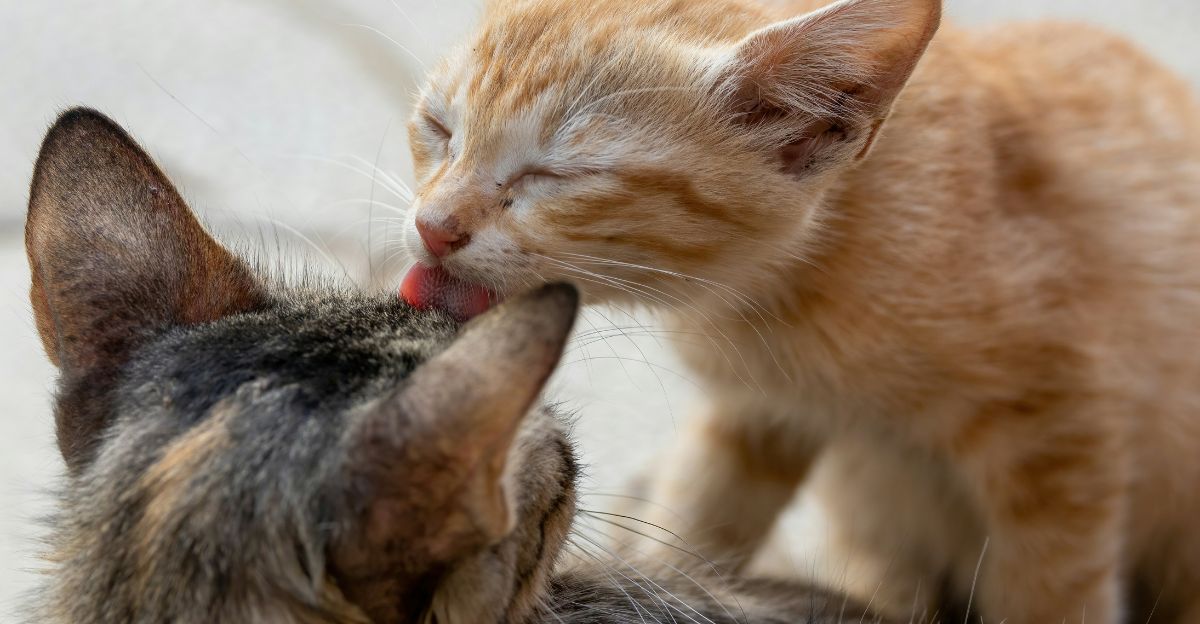
Have you ever caught your cats sitting side by side and wondered, “Will my cats ever groom each other?” You’re not alone. Many cat owners hope to see this sweet behavior because it shows a special bond between their furry friends.
But why do some cats groom each other while others don’t? And what does it mean for your cats’ relationship? Keep reading to discover the surprising reasons behind cat grooming habits and how you can encourage your cats to share this loving act.
Your cats’ bond could be closer than you think.
Why Cats Groom Themselves
Cats spend a lot of time cleaning their fur. Grooming is a natural habit for them. It helps keep their coat neat and tidy. Grooming is not just about looks. It plays a key role in their health and comfort.
Purpose Of Self-grooming
Self-grooming serves many important roles for cats. It removes dirt, loose fur, and parasites. It also helps cats cool down on hot days. Grooming spreads natural oils across their fur. This keeps their coat shiny and soft.
Grooming also provides comfort and stress relief. Cats often lick themselves to calm down. This behavior helps them feel safe and secure.
Benefits For Health And Hygiene
Cleaning their fur prevents skin problems and infections. It stops fleas and ticks from settling on their skin. Grooming improves blood flow to their skin. This helps fur grow healthy and strong.
Regular grooming reduces shedding around the home. It also lowers the chance of hairballs. Cats swallow less loose fur when they groom carefully.
Social Grooming Among Cats
Cats are known for their cleanliness and grooming habits. Social grooming among cats shows their bond and trust. It involves cats cleaning each other’s fur and skin. This behavior helps build friendships and reduce stress. Social grooming is common in multi-cat households and among related cats.
What Is Allogrooming?
Allogrooming is the term for cats grooming each other. It means one cat uses its tongue to clean another cat. This action helps remove dirt, loose fur, and parasites. Allogrooming is more than just cleaning. It strengthens social bonds between cats and creates a sense of safety.
Mother cats often groom their kittens to teach good hygiene. Adult cats groom each other to show affection. It also helps calm cats and reduce tension in groups.
Common Signs Of Mutual Grooming
Look for these signs to know if cats are grooming each other:
- One cat licking another’s head or neck
- Gentle nibbling or biting of fur
- Both cats sitting close together, relaxed
- Slow blinking or purring during grooming
- Turning their heads to allow grooming on hard-to-reach spots
Mutual grooming usually happens between cats that trust each other. It is a peaceful, calm activity. If cats avoid grooming each other, it may indicate stress or dislike.
Factors Influencing Mutual Grooming
Mutual grooming depends on cats’ bond, trust, and comfort with each other. Age, personality, and social skills also play key roles. Some cats may never groom each other, while others become close companions.
Understanding the factors that influence whether your cats will groom each other can shed light on their behavior and strengthen their bond. Mutual grooming, also known as allogrooming, is not just a sign of affection but a complex social interaction influenced by various factors. By observing these elements, you can foster a harmonious environment that encourages your feline friends to engage in this endearing behavior.Relationship Between Cats
The relationship between your cats plays a significant role in mutual grooming. Cats that have grown up together or have shared a lot of positive experiences are more likely to groom each other. If your cats were introduced at different times, providing them with shared activities can help build that bond.Age And Temperament
Age and temperament are crucial in determining grooming habits. Younger cats, with their playful nature, may be more willing to engage in grooming. On the other hand, older cats or those with a more solitary temperament might take longer to warm up to the idea.Environment And Stress Levels
The environment and stress levels can greatly impact whether your cats will groom each other. A peaceful, stress-free environment encourages social interactions. Ensure your home has enough resources like food bowls, litter boxes, and resting spots to minimize competition and stress. Have you noticed how a calm atmosphere can change your pets’ behavior? Sometimes, simply observing and adjusting their surroundings can make all the difference in nurturing their relationship. By focusing on these factors, you can gently guide your cats toward mutual grooming, enriching their lives and your own.
Credit: basepaws.com
How To Encourage Cats To Groom Each Other
Encouraging cats to groom each other takes patience and care. Grooming is a natural social behavior that builds trust between cats. Creating the right environment and approach helps cats feel safe and relaxed. This encourages bonding and mutual grooming over time.
Creating A Peaceful Space
Start by setting up a calm, quiet area for your cats. Avoid loud noises and sudden movements. Provide soft bedding and cozy hiding spots. This peaceful space helps cats feel secure and less stressed. Stress can block social behaviors like grooming.
Introducing Cats Properly
Let cats meet slowly and on their own terms. Use a barrier like a baby gate or screen door at first. Allow them to see and smell each other without direct contact. Gradually increase their time together as they show calm behavior. Proper introductions reduce fear and build trust.
Using Positive Reinforcement
Reward calm and friendly interactions with treats or gentle petting. Praise your cats softly to create happy associations. Avoid punishment, which can increase anxiety. Positive reinforcement encourages cats to approach each other. Over time, this can lead to grooming and close bonding.
When Cats Refuse To Groom One Another
It’s natural to expect cats living together to groom each other, showing affection and bonding. But sometimes, you might notice your cats completely avoid this behavior. Understanding why your cats refuse to groom one another can help you improve their relationship and overall happiness.
Possible Reasons For Avoidance
Cats may avoid grooming each other for several reasons. One common cause is a lack of familiarity or trust. If your cats are new to each other, they might feel uneasy and keep their distance.
Another reason could be personality differences. Some cats are more independent and prefer to groom themselves rather than others. If one cat is more dominant, the other might avoid grooming to prevent conflict.
Health issues also play a role. A cat experiencing pain or discomfort might resist being touched, making grooming unwelcome. Have you noticed any changes in your cat’s behavior or mobility lately?
Signs Of Conflict Or Discomfort
Identifying signs of conflict or discomfort can help you address why grooming is avoided. Look for body language such as flattened ears, hissing, or swatting when one cat approaches another. These signals often indicate stress or irritation.
Avoidance behaviors, like one cat moving away or hiding, suggest discomfort. Sometimes, silence and stiff posture can be just as telling as overt aggression. Do your cats show these signs when near each other?
Pay attention to how they interact outside of grooming too. If they share space peacefully but avoid grooming, it might be a matter of preference rather than conflict. Observing these details can guide you toward the right solution.

Credit: www.youtube.com
Expert Tips On Building Cat Bonds
Building a strong bond between your cats takes time and effort, but the rewards are worth it. Experts agree that fostering grooming behavior between cats doesn’t happen overnight. It requires understanding their personalities and creating the right environment for connection.
Patience And Consistency
Giving your cats space to feel comfortable around each other is crucial. Some cats warm up quickly, while others need weeks or even months. Keep their interactions calm and supervised, and avoid forcing contact.
Consistency in routine helps cats feel secure. Try feeding them near each other or placing their beds in shared spaces. This steady exposure encourages trust, which can lead to grooming behavior.
Providing Shared Activities
Shared playtime can break the ice between cats. Use interactive toys like feather wands or laser pointers to encourage joint engagement. This creates positive associations with each other’s presence.
Consider setting up climbing structures or cozy spots where cats can relax side by side. Such shared environments often spark natural grooming as they feel safe and connected.
Recognizing Individual Preferences
Each cat has unique likes and dislikes about touch and interaction. Some may enjoy gentle petting behind the ears, while others prefer a quick scratch under the chin. Watch how your cats respond to each other’s gestures to understand their comfort zones.
Respecting these preferences prevents stress and promotes mutual grooming. Have you noticed your cats favoring certain spots or avoiding others? Observing these subtle clues can guide you in encouraging their bond.

Credit: www.youtube.com
Frequently Asked Questions
Why Do Cats Groom Each Other?
Cats groom each other to build social bonds and show affection. This behavior, called allogrooming, helps reduce stress and strengthens friendships among cats. It also keeps their fur clean and free of parasites.
Will My Cats Groom Each Other Over Time?
Yes, cats that share a close bond often start grooming each other. It usually happens gradually as they become comfortable and trust each other. Patience and positive interactions encourage this behavior.
Can All Cats Learn To Groom Each Other?
Not all cats groom each other. Some cats are more independent or less social. However, many cats living together do develop mutual grooming habits if they feel safe and connected.
How Can I Encourage My Cats To Groom Each Other?
Encourage grooming by providing a calm environment and plenty of playtime. Positive interactions, treats, and gentle petting can help cats build trust and start grooming one another naturally.
Conclusion
Cats may groom each other if they feel close and safe. This behavior shows trust and friendship between them. Not all cats will do it, and some prefer to groom alone. Watching their body language helps you understand their bond.
Patience is key, as some cats take time to warm up. Creating a calm space encourages friendly grooming. Each cat is unique, so their habits differ. Enjoy observing your cats’ interactions and cherish their special moments. Grooming is one way cats show love, but many other signs exist too.

Leave a Reply