Are you wondering if it’s safe for your baby to play with cat nip toys? You want to keep your little one happy and curious, but also protected from anything that might cause harm.
It’s normal to worry about what your baby touches and puts in their mouth. You’ll discover the facts about cat nip toys and whether they could hurt your baby. Keep reading to learn how to make the best choices for your child’s safety and fun.
Cat Nip Toys And Babies
Introducing cat nip toys into a home with a baby raises an important question: will these toys affect your little one? Understanding what cat nip toys are and why babies might be drawn to them can help you decide if they belong in your nursery or play area. Let’s break down the facts so you can keep your baby safe and happy.
What Are Cat Nip Toys
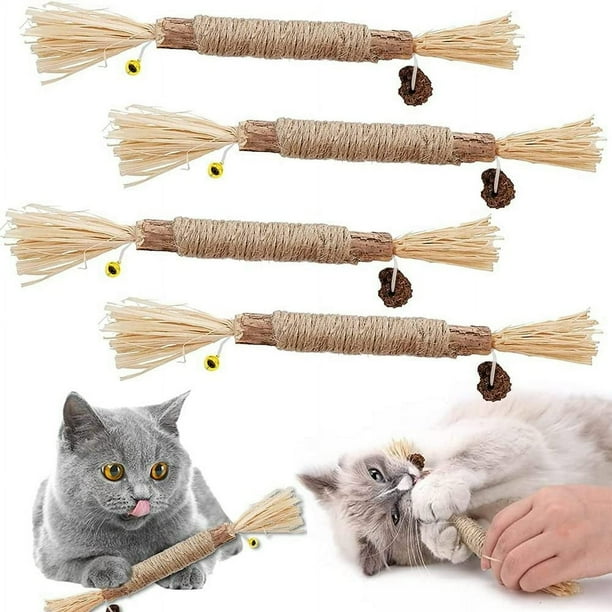
Cat nip toys are small playthings filled with catnip, a herb that triggers a strong reaction in cats. These toys are designed to entertain and stimulate cats by encouraging playful behavior. Typically, they come in soft shapes like mice or balls and are scented with dried catnip leaves.
Although harmless to cats, catnip contains a compound called nepetalactone that can cause excitement and mild euphoria in felines. For humans, including babies, catnip isn’t toxic but isn’t exactly made for them either. The toys themselves might have small parts or stuffing that could pose choking hazards for curious babies.
Why Babies Might Be Interested
Babies are naturally curious and attracted to anything new and colorful. Cat nip toys often have bright colors, interesting textures, and a soft feel that can catch a baby’s attention. The scent of catnip, while subtle to adults, might also intrigue some babies who explore the world through smell.
Think about your own baby reaching for a cat nip toy out of curiosity. It’s not about the catnip itself but the toy’s shape and texture. Babies love to put things in their mouths, so a cat nip toy could become a chew toy, raising concerns about safety and cleanliness.
Have you noticed your baby reaching for pet toys or items that aren’t meant for them? This natural exploration can be risky with cat nip toys due to potential choking hazards and unknown effects of prolonged exposure to catnip. It’s best to keep these toys out of baby’s reach to avoid any unwanted surprises.
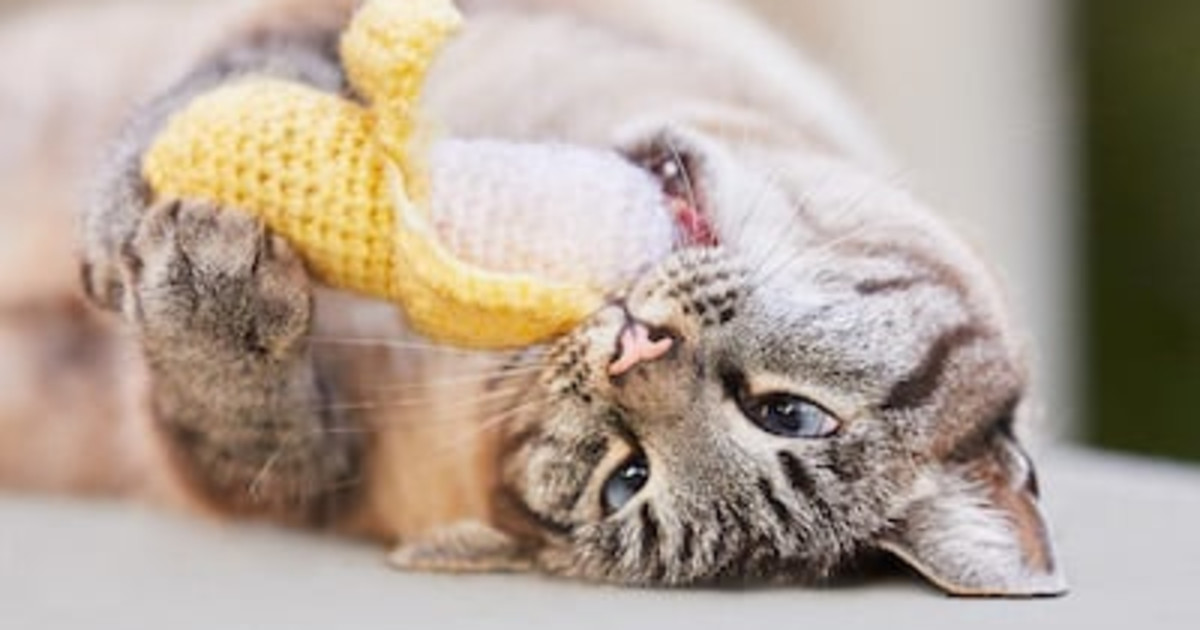
Credit: paradepets.com
Potential Risks For Babies
Babies are curious and love to explore new objects with their hands and mouths. Cat nip toys might seem harmless, but they can pose certain risks. Understanding these dangers helps keep babies safe around such items.
Allergic Reactions
Some babies may have sensitive skin or allergies to cat nip. Contact can cause redness, itching, or rashes. Breathing in the scent might trigger sneezing or coughing. Watch for any unusual reactions after contact.
Choking Hazards
Cat nip toys often contain small parts or loose stuffing. Babies tend to put things in their mouths. Small pieces can break off and cause choking. Always check toys for loose or detachable parts before giving them to a baby.
Toxicity Concerns
Cat nip itself is not toxic but can upset a baby’s stomach. Some toys include dyes or chemicals harmful to infants. Ingesting these substances may lead to nausea or poisoning. Choose toys made from natural, non-toxic materials to reduce risks.
Safe Play Guidelines
Playing with catnip toys can be fun for babies, but safety is key. Safe play guidelines help protect babies from harm. These guidelines make playtime enjoyable and secure.
Supervision Tips
Always watch your baby closely during play. Keep an eye on how they interact with the toy. Stop play if the baby puts the toy in their mouth. Be ready to remove the toy if it breaks or sheds pieces. Supervision helps prevent choking and allergic reactions.
Choosing Baby-friendly Toys
Select toys made from non-toxic materials. Avoid small parts that can come off easily. Look for toys designed for young children. Soft, durable toys reduce injury risk. Check that the toy has no sharp edges or loose fibers.
Keeping Toys Clean
Wash toys regularly to remove dirt and germs. Use mild soap and warm water for cleaning. Dry toys completely before giving them back to the baby. Clean toys lower the chance of infections and allergies.

Credit: www.amazon.com
Alternatives To Cat Nip Toys
Babies find cat nip toys intriguing, but they aren’t always safe. Concerned parents often seek safer alternatives. Fortunately, there are many options that engage babies safely. These alternatives stimulate senses without risks.
Safe Teething Toys
Teething can be a challenging time for babies. Safe teething toys provide comfort and relief. Choose toys made from non-toxic materials. Silicone and rubber are safe options. Ensure toys have no small parts. This prevents choking hazards. Some teething toys even feature fun textures. These textures keep babies entertained.
Natural Sensory Toys
Sensory toys engage a baby’s developing senses. Natural materials like wood or fabric are gentle choices. These toys often feature bright colors and interesting textures. Babies love exploring them. Look for toys that crinkle or rattle. They stimulate auditory senses safely. Natural sensory toys offer endless fascination. They engage and delight curious minds.
When To Seek Medical Advice
Knowing when to seek medical advice is crucial if your baby has played with catnip toys. While catnip is generally safe for cats, babies can react differently due to their developing immune systems and delicate health. Being alert to certain signs and knowing how to handle potential ingestion can help you protect your little one effectively.
Signs Of Allergic Reaction
Watch closely for any unusual symptoms after your baby interacts with catnip toys. Common allergic reactions include:
- Red, itchy skin or hives
- Swelling around the face, lips, or eyes
- Persistent coughing or difficulty breathing
- Excessive fussiness or irritability
If you notice any of these signs, don’t wait. Seek medical help immediately to prevent complications. Even mild symptoms can escalate quickly in babies.
Handling Ingestions
Babies explore the world by putting things in their mouths, and catnip toys are no exception. If your baby swallows any part of the toy or catnip itself, take action right away.
- Remove any remaining toy pieces from their mouth
- Rinse their mouth with water to reduce residue
- Look for symptoms like vomiting, diarrhea, or unusual drowsiness
If you see any of these signs or if you’re unsure about the amount ingested, contact your pediatrician or poison control center immediately. Quick response can prevent serious issues.

Credit: www.reddit.com
Frequently Asked Questions
Can Catnip Toys Harm Babies If They Play With Them?
Catnip toys are generally safe but not meant for babies. Babies might chew or swallow small parts, posing choking risks. Always supervise playtime and keep catnip toys out of baby’s reach to ensure safety and prevent allergic reactions or ingestion hazards.
Is Catnip Safe For Infants To Touch Or Smell?
Catnip is safe for adults and pets but not tested for infants. Babies have sensitive skin and immune systems, so direct contact or inhalation might cause irritation or allergies. It’s best to avoid exposing babies to catnip toys to prevent any potential health issues.
What Should Parents Know About Baby And Catnip Toy Interaction?
Parents should know catnip toys can cause choking or allergic reactions in babies. These toys are designed for cats, not infants. Always store catnip toys away from babies and supervise interactions between pets and children to maintain a safe environment for both.
Can Catnip Toys Cause Allergic Reactions In Babies?
Yes, catnip toys can cause allergic reactions in babies. Babies have delicate immune systems and may react to catnip or toy materials. Watch for symptoms like redness, itching, or swelling. Consult a pediatrician if any allergic signs appear after exposure.
Conclusion
Babies playing with catnip toys usually stay safe. Catnip itself does not harm babies. Watch closely to avoid choking or allergic reactions. Always choose clean, soft toys for your little one. Keep toys away from babies who put everything in their mouths.
Playing with pets and their toys can be fun and gentle. Stay alert, and your baby will enjoy safe playtime. Keep questions about safety clear with your doctor or pediatrician. Safe play helps babies learn and grow happily.


Leave a Reply