Are you tired of finding cat hair on your clothes, furniture, and everywhere in between? Shedding is a natural part of your cat’s life, but it can quickly become overwhelming.
You might wonder if grooming your cat can actually help reduce all that loose fur. The good news is, the answer is yes—but there’s more to it than just brushing. Keep reading to discover how proper grooming can make a real difference in managing shedding, and learn simple tips that will keep your home cleaner and your cat happier.
How Shedding Works In Cats
Shedding is a natural process in cats that helps them maintain a healthy coat. It involves the loss of old or damaged fur to make way for new hair growth. Understanding how shedding works can help cat owners manage it better.
Shedding happens because cats grow new hair continuously. Old hairs fall out to prevent the coat from becoming thick and matted. This process keeps the cat’s fur clean, soft, and healthy.
Reasons Behind Cat Shedding
Cats shed for several reasons beyond normal hair renewal. Stress, diet, and health issues can increase shedding. Skin infections or allergies also cause more hair to fall out. Regular grooming helps spot these problems early.
Shedding Patterns By Season
Cats shed more during seasonal changes. In spring, they lose their thick winter coat. This helps them stay cool in warmer weather. In fall, they grow a thicker coat for winter. Indoor cats may shed steadily all year because of constant light and temperature.
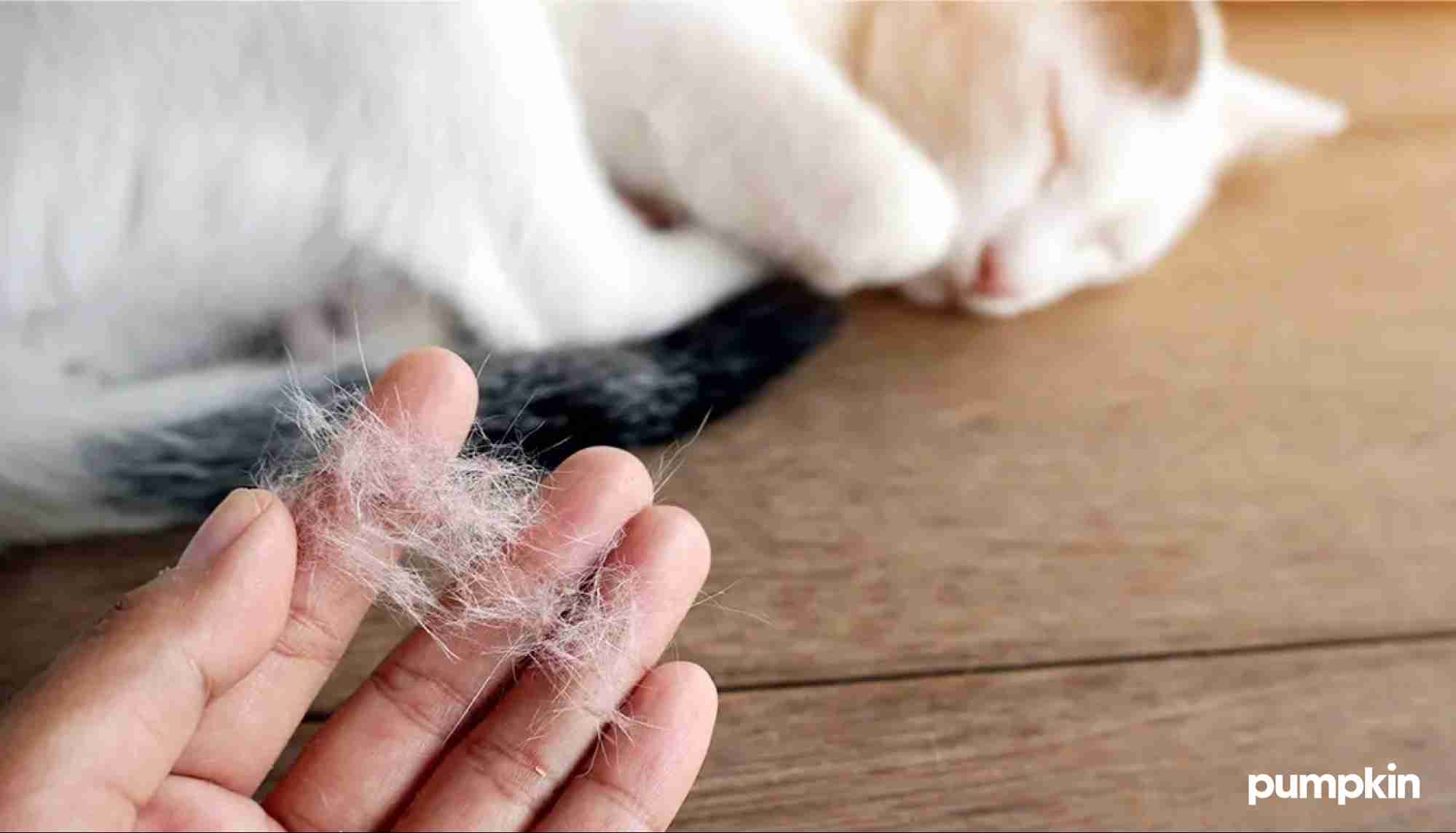
Credit: www.pumpkin.care
Role Of Grooming In Shedding Control
Grooming plays a crucial role in managing your cat’s shedding. It helps remove loose fur before it ends up all over your furniture and clothes. Regular grooming also promotes healthier skin and a shinier coat, which can reduce excessive shedding over time.
Benefits Of Regular Brushing
Brushing your cat regularly keeps their coat clean and free of dirt and debris. It stimulates natural oils in the skin, which helps keep the fur smooth and less likely to fall out. You’ll notice fewer hairballs and less fur scattered around your home.
Regular brushing can also strengthen the bond you share with your cat. When I started brushing my cat daily, she became more relaxed and affectionate, showing less stress that often triggers shedding.
Removing Loose Fur Effectively
Using the right tools makes all the difference. A slicker brush or a grooming glove works well to catch loose fur without hurting your cat. Brushing in the direction of fur growth helps remove dead hair gently and efficiently.
Try to brush your cat several times a week, especially during seasonal changes when shedding peaks. This simple habit can save you hours of cleaning and keep your cat comfortable.
Tools For Grooming Cats
Grooming cats with the right tools helps remove loose fur and reduces shedding around the house. Regular brushing keeps their coat healthy and lowers hairballs. Using combs and brushes designed for cats makes grooming gentle and effective.
Grooming your cat is not just about keeping them looking neat; it’s a crucial part of managing shedding. The right tools can make all the difference in minimizing the hair tumbleweeds rolling across your floor. With the right grooming tools, you can make the experience pleasant for both you and your feline friend.Types Of Brushes And Combs
Different brushes and combs serve various purposes. Slicker brushes, with their fine, short wires, are excellent for removing loose fur and preventing mats. Rubber brushes can be great for short-haired cats, as they massage the skin and distribute natural oils. Comb options include wide-tooth combs for detangling and fine-tooth combs for catching smaller, loose hairs. Each tool has its unique benefits, and sometimes a combination is the best approach.Choosing The Right Grooming Tool
Finding the best grooming tool for your cat’s coat type is essential. Consider your cat’s hair length and density. A long-haired breed might benefit from a slicker brush to tackle mats, while a short-haired cat might find a rubber brush soothing. Observe your cat’s reaction. Some cats have preferences, and a tool that works well for one might not be tolerated by another. Experiment with different brushes and see which one your cat enjoys the most. Could grooming become a bonding time rather than a chore? With the right tools, it just might. Your cat will appreciate the attention, and you’ll love the reduced shedding around your home.
Credit: weareallaboutcats.com
Best Grooming Practices
Grooming your cat regularly is a key step in managing shedding effectively. It not only reduces loose fur around your home but also helps keep your cat’s coat healthy and shiny. Knowing the best grooming practices can make the process easier for both you and your feline friend.
How Often To Groom Your Cat
The frequency of grooming depends on your cat’s breed and coat length. Short-haired cats usually benefit from brushing once or twice a week. Long-haired breeds, like Persians or Maine Coons, often need daily brushing to prevent mats and tangles.
Pay attention to your cat’s shedding patterns. During seasonal changes, you might notice an increase in loose fur, which means more frequent grooming sessions are necessary. Have you noticed how your cat’s shedding spikes in spring or fall? Adjust your grooming routine accordingly to stay ahead.
Techniques For Comfortable Grooming
Start grooming your cat in a quiet, calm space where your cat feels safe. Use gentle strokes in the direction of hair growth to avoid pulling or irritating the skin. If your cat is nervous, try brushing for just a few minutes at a time and gradually increase the duration.
Use the right tools—a slicker brush works well for removing loose fur, while a comb can help untangle knots. Some cats prefer a rubber grooming glove, which feels like a massage and can reduce stress. Have you ever noticed how your cat relaxes during a gentle grooming session? Let that guide your approach.
Additional Tips To Reduce Shedding
Reducing cat shedding goes beyond regular grooming. Small changes in daily care can make a big difference. These tips help keep your cat’s coat healthy and minimize loose fur around your home.
Diet And Nutrition Impact
A balanced diet supports a healthy coat and skin. Foods rich in omega-3 and omega-6 fatty acids reduce shedding naturally. High-quality protein also strengthens hair follicles and fur.
Consider adding supplements like fish oil after consulting your vet. Fresh water is essential to keep your cat hydrated and skin moist. Avoid low-quality or artificial ingredient-heavy foods, which may cause more shedding.
Managing Stress And Environment
Stress can trigger excessive shedding in cats. Create a calm, safe space for your pet to relax. Provide hiding spots, cozy beds, and quiet areas away from loud noises.
Keep your home clean and free of dust and allergens. Regularly wash your cat’s bedding and vacuum floors to reduce irritants. Use a humidifier if the air is dry, which helps prevent skin dryness and hair loss.
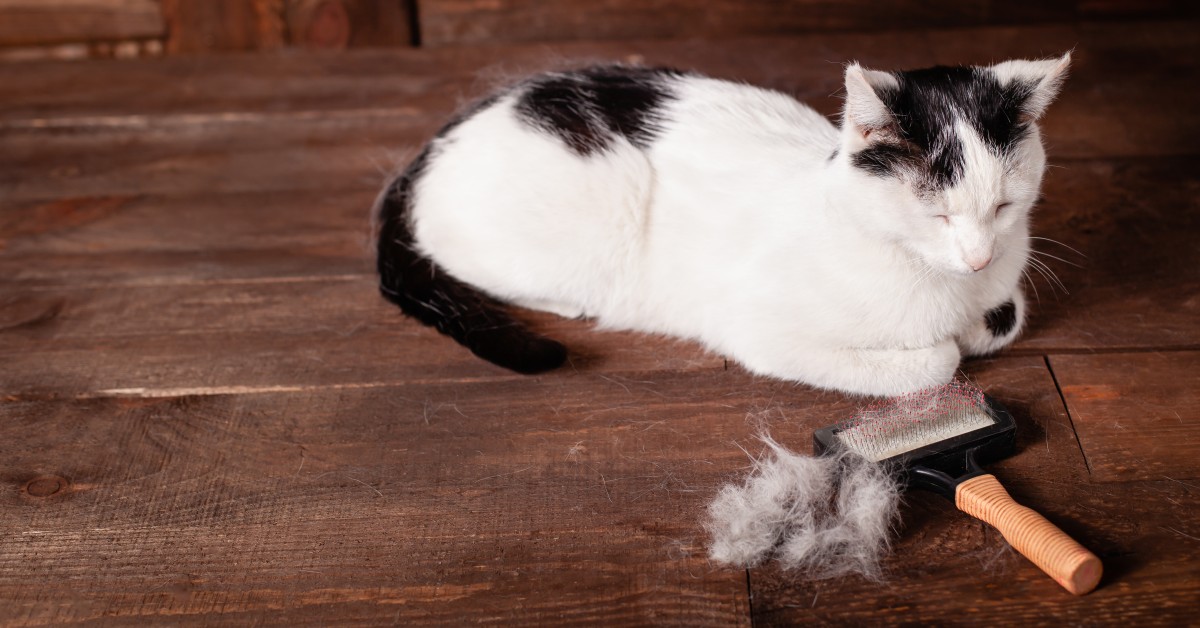
Credit: www.petassure.com
When To Seek Veterinary Advice
Grooming your cat regularly is a great way to manage shedding, but sometimes excessive fur loss signals a deeper problem. Knowing when to seek veterinary advice can save your cat from discomfort and help catch health issues early.
Signs Of Excessive Shedding
If you notice more fur than usual around your home or on your cat’s bedding, take a closer look at your pet’s coat. Excessive shedding often comes with other signs like bald patches, red or irritated skin, and constant scratching or licking.
Your cat might also seem restless or uncomfortable. If the shedding seems sudden or intense, it’s a good idea to consult your vet rather than just brushing more frequently.
Health Issues Related To Fur Loss
Shedding can be linked to allergies, parasites like fleas, or fungal infections such as ringworm. Nutritional deficiencies or hormonal imbalances, including thyroid problems, might also cause your cat’s fur to thin out.
Sometimes, stress or changes in the environment can trigger fur loss. Your vet can help identify the root cause through a physical exam and tests, ensuring your cat gets the right treatment.
Frequently Asked Questions
Does Grooming Reduce Cat Shedding Significantly?
Regular grooming removes loose fur and decreases shedding. It helps keep your home cleaner and your cat comfortable. Brushing also reduces hairballs and matting, improving your cat’s coat health.
How Often Should I Groom My Shedding Cat?
For heavy shedders, groom daily or every other day. Short-haired cats need less frequent grooming, about once a week. Adjust based on your cat’s shedding level and coat type.
What Grooming Tools Are Best For Shedding Cats?
Use a slicker brush, deshedding comb, or grooming glove. These tools effectively remove loose hair without hurting the cat. Choose based on your cat’s coat length and texture.
Can Grooming Prevent Hairballs Caused By Shedding?
Yes, grooming reduces loose fur ingestion. Removing shedding hair lowers hairball formation. Regular brushing keeps your cat’s digestive system healthier and reduces grooming-related discomfort.
Conclusion
Grooming a cat helps reduce loose fur around your home. It also keeps your cat’s coat clean and healthy. Brushing often removes dead hair before it falls off. This means less shedding on your clothes and furniture. Regular grooming creates a bond between you and your pet.
It also lets you check for skin problems early. Try to groom your cat gently and patiently. Your cat will feel more comfortable over time. Small daily efforts can make a big difference in shedding control. Give grooming a try for a cleaner, happier home.



Leave a Reply