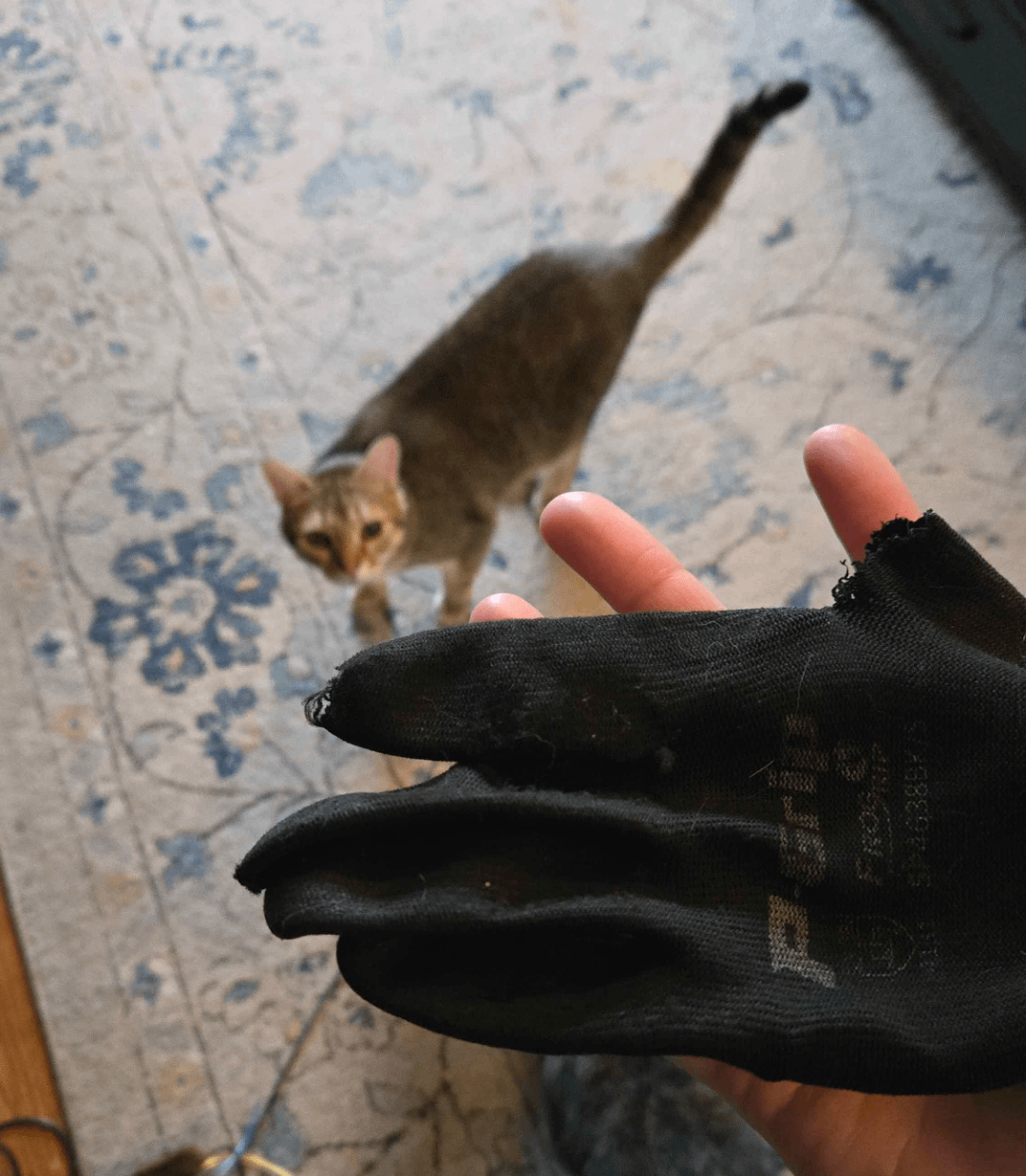
Have you ever caught your cat biting or chewing on their toys and wondered, “Will cats try to eat toys?” It’s a common question for every cat owner who wants to keep their furry friend safe.
Your cat’s playful nature might lead them to explore toys with their mouth, but could this harmless fun turn into something risky? Understanding why your cat behaves this way can help you protect them from potential dangers. Keep reading to discover what’s behind this behavior and how you can make playtime both fun and safe for your kitty.
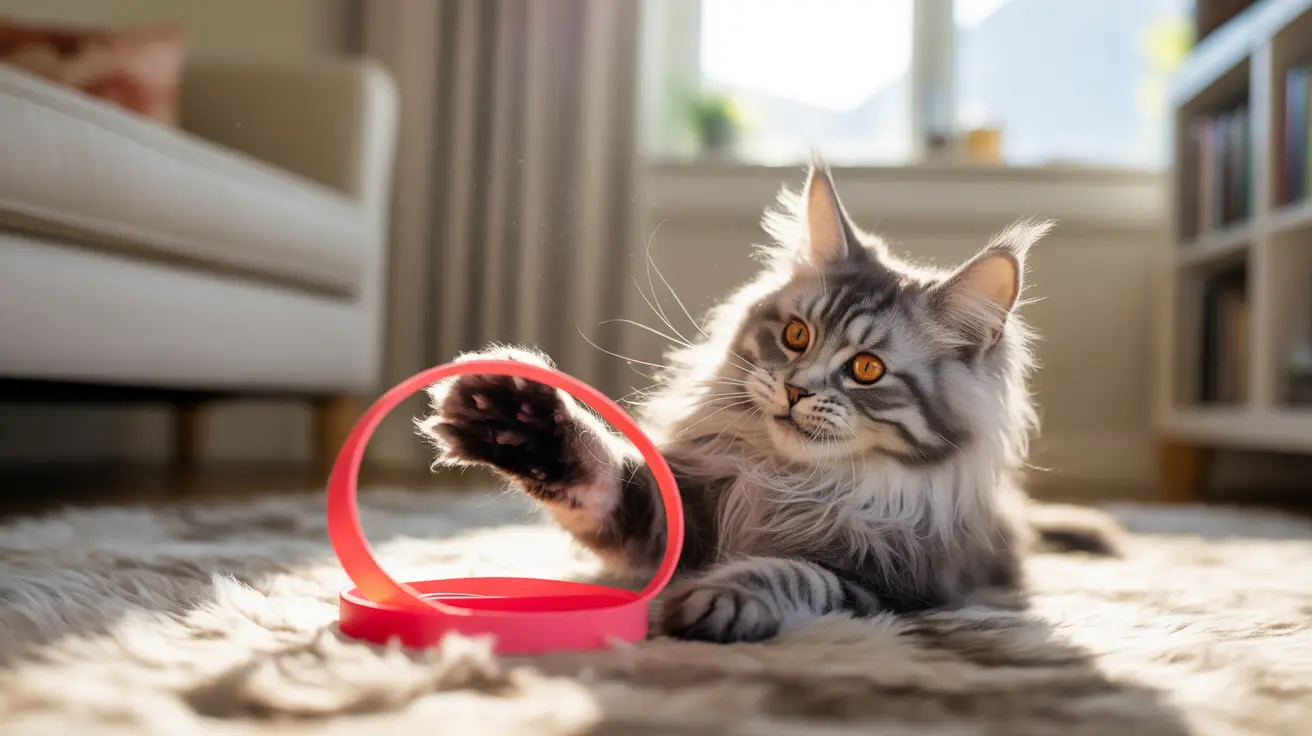
Credit: www.petscare.com
Why Cats Chew On Toys
Cats chewing on toys might seem puzzling, especially when you wonder if they’re trying to eat them. Understanding why your cat chews on toys helps you choose safe options and keeps playtime fun. It’s not just about hunger—there are deeper reasons tied to their nature and needs.
Instincts Behind Chewing
Cats have natural instincts that drive their chewing behavior. Chewing helps sharpen their teeth and exercise their jaw muscles. It also mimics the hunting and biting actions they would perform on prey in the wild.
Have you noticed your cat biting a toy right before pouncing? That’s their way of practicing skills essential for survival, even if they’re just playing indoors.
Teething And Play Behavior
Kittens often chew on toys when they are teething. This helps soothe their sore gums and eases discomfort. Even adult cats continue this behavior as part of their playful nature.
Providing the right toys during teething can prevent your cat from chewing on inappropriate items like furniture or wires. Soft, textured toys work well for this stage.
Seeking Texture And Taste
Cats explore the world through their mouths, and toys with different textures and tastes catch their attention. Some cats prefer soft plush toys, while others like rubbery or crinkly ones.
Have you ever seen your cat drool over a particular toy? It might be the texture or a scent that makes the toy appealing. Experimenting with various toys helps you find what satisfies your cat’s chewing urges safely.
Types Of Toys Cats Prefer To Chew
Cats love toys that they can chew and bite. Chewing helps them explore textures and relieve stress. Different cats prefer different toy types for chewing. Understanding these preferences helps in choosing safe and fun toys.
Soft Plush Toys
Soft plush toys are popular chewing options for cats. Their gentle texture feels nice on a cat’s teeth. Cats often enjoy cuddling and biting these soft toys. Some plush toys come with catnip inside. This adds extra attraction for cats to chew and play.
Rubber And Plastic Toys
Rubber and plastic toys offer a firmer chew surface. Cats like the resistance these toys provide. They can bite and carry them without damage. Some rubber toys have interesting shapes and textures. These stimulate a cat’s natural chewing instincts safely.
Homemade Toys And Household Items
Many cats enjoy chewing on homemade toys. Simple items like paper balls or fabric strips can be fun. Household objects like cardboard or small wooden blocks also attract cats. These items are easy to replace if damaged by chewing. Always check for safety and remove small parts that may cause choking.
Risks Of Eating Toy Parts
Cats may chew or swallow small toy parts, risking choking or digestive blockages. Swallowed pieces can cause serious health problems needing vet care. Keep toys large and sturdy to protect your cat’s safety.
Cats are naturally curious creatures, often exploring their environment with their paws and mouths. It’s not uncommon for them to mistake small, shiny, or moving objects for prey. This curiosity can sometimes lead to unintended consequences, especially if your feline friend decides to chew on or swallow parts of their toys. Understanding the risks associated with eating toy parts is crucial to ensuring your cat’s safety and health.Choking Hazards
Small toy parts pose a significant choking risk. If a piece becomes lodged in your cat’s throat, it can obstruct their airway. This can lead to panic and distress for both you and your pet. Always supervise playtime with toys that have detachable parts. Opt for toys specifically designed for cats, which are usually made with safety in mind.Digestive Blockages
Swallowing a toy part can lead to serious digestive issues. Objects that aren’t meant to be ingested can cause blockages in the intestines. This can result in vomiting, loss of appetite, or even more severe symptoms requiring immediate veterinary attention. Regularly inspect toys for wear and tear. Replace any that show signs of damage to avoid accidental ingestion.Toxic Materials In Toys
Not all toys are made from pet-safe materials. Some contain toxic substances that can be harmful if chewed on or ingested. This can lead to poisoning, which may manifest in symptoms like lethargy, drooling, or seizures. Always check labels and research the materials used in your cat’s toys. Choose reputable brands known for using non-toxic materials. Have you ever wondered what your cat might be chewing on while you’re not looking? By being vigilant and informed, you can ensure that playtime remains safe and enjoyable for your furry friend.Signs Your Cat Is Eating Toys
Not all cats chew or eat their toys, but some do. This behavior can be risky. It might cause choking or stomach problems. Spotting signs early helps protect your cat’s health and well-being.
Behavioral Clues
- Your cat chews on toys more than usual.
- They swallow parts of toys or small pieces.
- Restlessness or frequent pawing at the mouth.
- Sudden interest in toys that are soft or breakable.
- Hiding or carrying toys around repeatedly.
Physical Symptoms
- Drooling or excessive licking of lips.
- Coughing, gagging, or choking sounds.
- Vomiting or retching after playtime.
- Swollen or tender areas around the mouth.
- Loss of appetite or reluctance to eat.
Changes In Litter Box Habits
- Straining or difficulty during bowel movements.
- Smaller or irregular stools.
- Diarrhea or signs of constipation.
- Frequent trips to the litter box with little output.
- Sudden avoidance of the litter box.
Preventing Toy Ingestion
Preventing your cat from swallowing toys is vital for their safety. Cats may chew or bite toys, risking choking or digestion issues. Careful steps help avoid toy ingestion accidents. Choose the right toys and watch your cat during play. Regularly check toys for wear and tear. These actions keep playtime fun and safe.
Choosing Safe Toys
Select toys made of non-toxic, durable materials. Avoid small parts that can break off easily. Soft, flexible toys reduce the risk of injury. Look for toys designed specifically for cats. Larger toys prevent accidental swallowing. Avoid strings or ribbons that cats might swallow.
Supervised Playtime
Always watch your cat while playing with toys. Supervision helps stop dangerous chewing or swallowing. Remove toys if your cat starts tearing them apart. Use interactive toys that keep your cat engaged. Supervised play limits the chance of ingestion. Put away toys after play to prevent unsupervised access.
Regular Toy Inspection
Check toys often for signs of damage or loose parts. Discard toys that show wear or broken pieces. Clean toys regularly to avoid germs. Replace old toys that no longer hold up. Keep a toy rotation to ensure fresh play items. Safe, intact toys reduce the risk of swallowing accidents.
Credit: www.tippaws.com
When To Contact A Veterinarian
Cats often enjoy playing with toys, but sometimes they try to eat them. Eating toys can cause serious health problems. Knowing when to contact a veterinarian is very important for your cat’s safety and health.
Watch your cat closely after it swallows a toy or part of it. Early action can prevent bigger issues. Certain signs show that your cat needs immediate help from a vet.
Emergency Symptoms
- Choking or gagging
- Difficulty breathing
- Vomiting repeatedly
- Excessive drooling
- Sudden lethargy or weakness
- Abdominal pain or swelling
- Loss of appetite
Any of these signs require urgent veterinary care. Do not wait or try home remedies.
Long-term Health Concerns
Swallowed toys can cause blockages in the digestive system. These blockages can lead to serious infections or damage.
Watch for ongoing vomiting, diarrhea, or weight loss. Changes in behavior or eating habits may also signal trouble.
Delayed treatment can make problems worse and harder to fix.
Professional Advice And Treatment
Veterinarians can perform exams and X-rays to find swallowed toys. They decide the best way to remove the object safely.
Treatment may include medication, surgery, or endoscopy depending on the case. Follow all vet instructions carefully to help your cat heal.
Early veterinary care improves recovery and reduces risks. Always ask the vet about prevention tips for future playtime safety.
Alternative Activities To Reduce Toy Chewing
Cats often chew on toys out of boredom or curiosity. Offering alternative activities can help reduce this habit. Providing new ways to engage your cat keeps them happy and healthy. These activities can satisfy their natural instincts without damaging toys.
Interactive Play
Interactive play helps cats burn energy and stay active. Use wand toys or laser pointers to keep them moving. Play sessions build trust and reduce boredom. Try short, frequent playtimes throughout the day. It keeps your cat’s mind and body busy.
Mental Stimulation
Provide puzzle feeders or treat-dispensing toys. They challenge your cat to think and work for food. Mental tasks reduce stress and prevent destructive chewing. Rotate toys to keep your cat interested. New challenges help avoid boredom.
Comfort Items And Chew Treats
Offer soft blankets or plush toys for comfort. Some cats enjoy chewing on safe chew treats. Choose pet-safe options designed to satisfy chewing urges. These items protect your other toys from damage. Comfort objects help cats feel secure and calm.
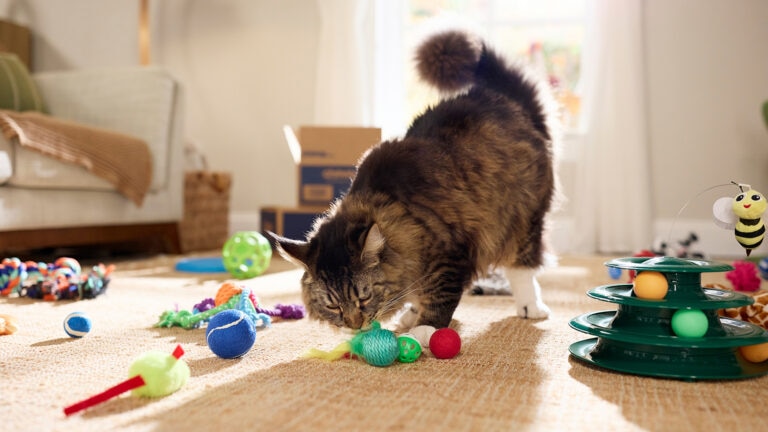
Credit: www.chewy.com
Frequently Asked Questions
Do Cats Actually Try To Eat Their Toys?
Yes, cats often try to eat toys as part of their natural hunting instincts. They may bite, chew, or carry toys in their mouths, mimicking prey behavior. However, toys are not edible and swallowing pieces can be harmful, so supervision is important.
Why Do Cats Chew On Soft Toys?
Cats chew on soft toys to satisfy their need to bite and explore textures. This behavior mimics hunting and helps relieve stress or boredom. Soft toys provide a safe outlet for their chewing instincts, but owners should ensure toys are durable and free from small parts.
Can Swallowing Toy Pieces Harm Cats?
Yes, swallowing toy pieces can cause choking, blockages, or digestive issues. Small parts or stuffing can be dangerous if ingested. It’s important to provide safe, cat-specific toys and regularly check them for damage to prevent accidental ingestion.
How Can I Stop My Cat From Eating Toys?
To stop your cat from eating toys, offer safe alternatives like edible treats or puzzle feeders. Redirect their attention with interactive play and provide durable toys. Regularly inspect toys and remove any damaged ones to prevent accidental swallowing.
Conclusion
Cats often try to eat toys out of curiosity or boredom. Soft or small toys may attract them more. Always watch your cat while playing to keep them safe. Choose toys made for cats, without small parts that can be swallowed.
This helps prevent choking or stomach problems. Understanding your cat’s play habits helps you pick better toys. Safe playtime keeps your cat happy and healthy. Remember, toys are for fun, not food. Keep an eye on your furry friend to avoid trouble.
Play smart, play safe.


Leave a Reply