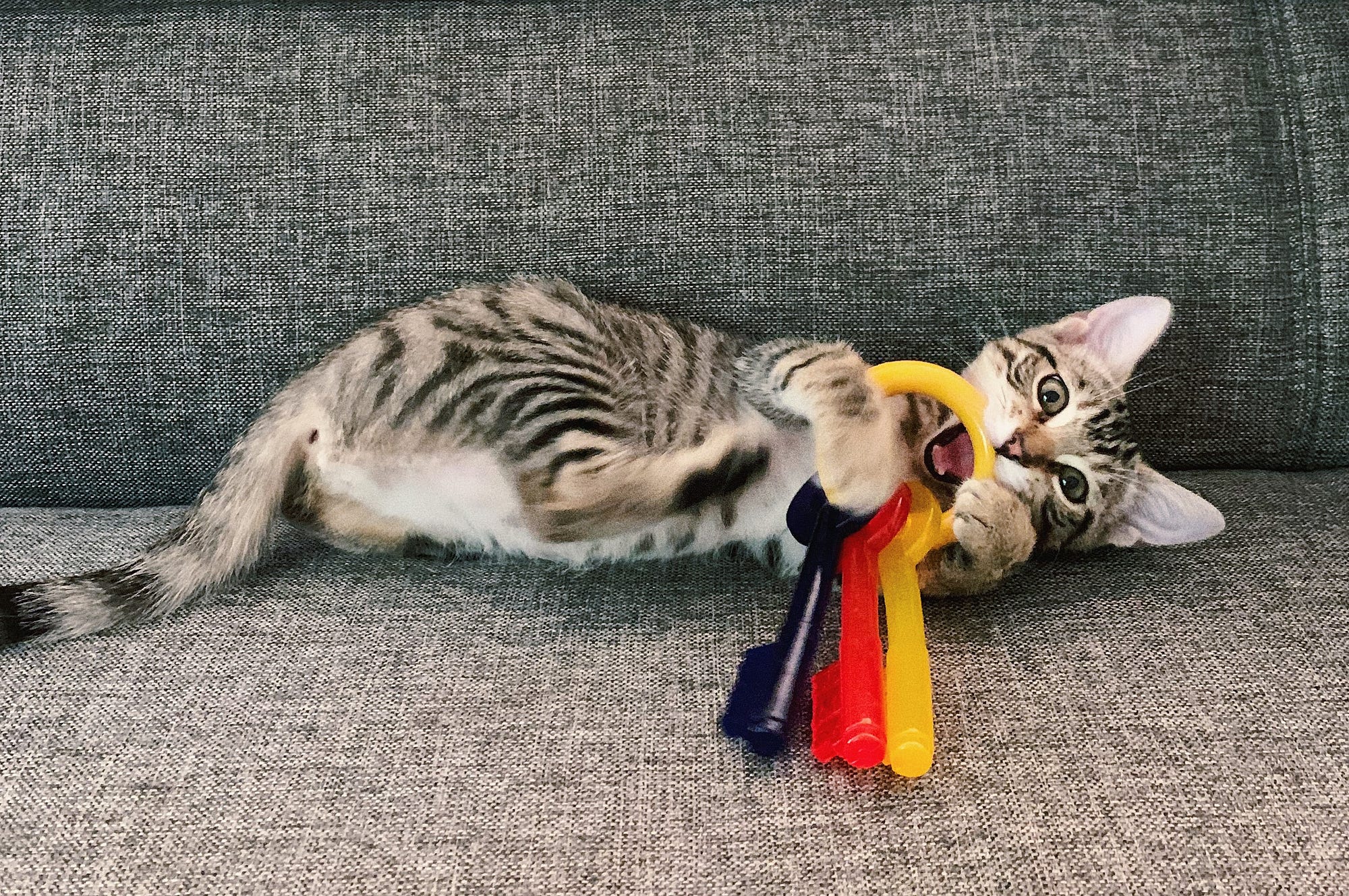
Have you ever wondered if your cat will actually fight a stuffed dog toy? If you’ve noticed your feline friend staring at or pawing a plush dog toy, you’re probably curious about what’s really going on in their mind.
Understanding this behavior can help you keep your cat entertained and happy, while avoiding any unwanted messes or stress. You’ll discover why cats react the way they do to stuffed dog toys and what you can expect when you introduce one to your furry companion.
Keep reading—you might be surprised by what your cat’s instincts are telling you!
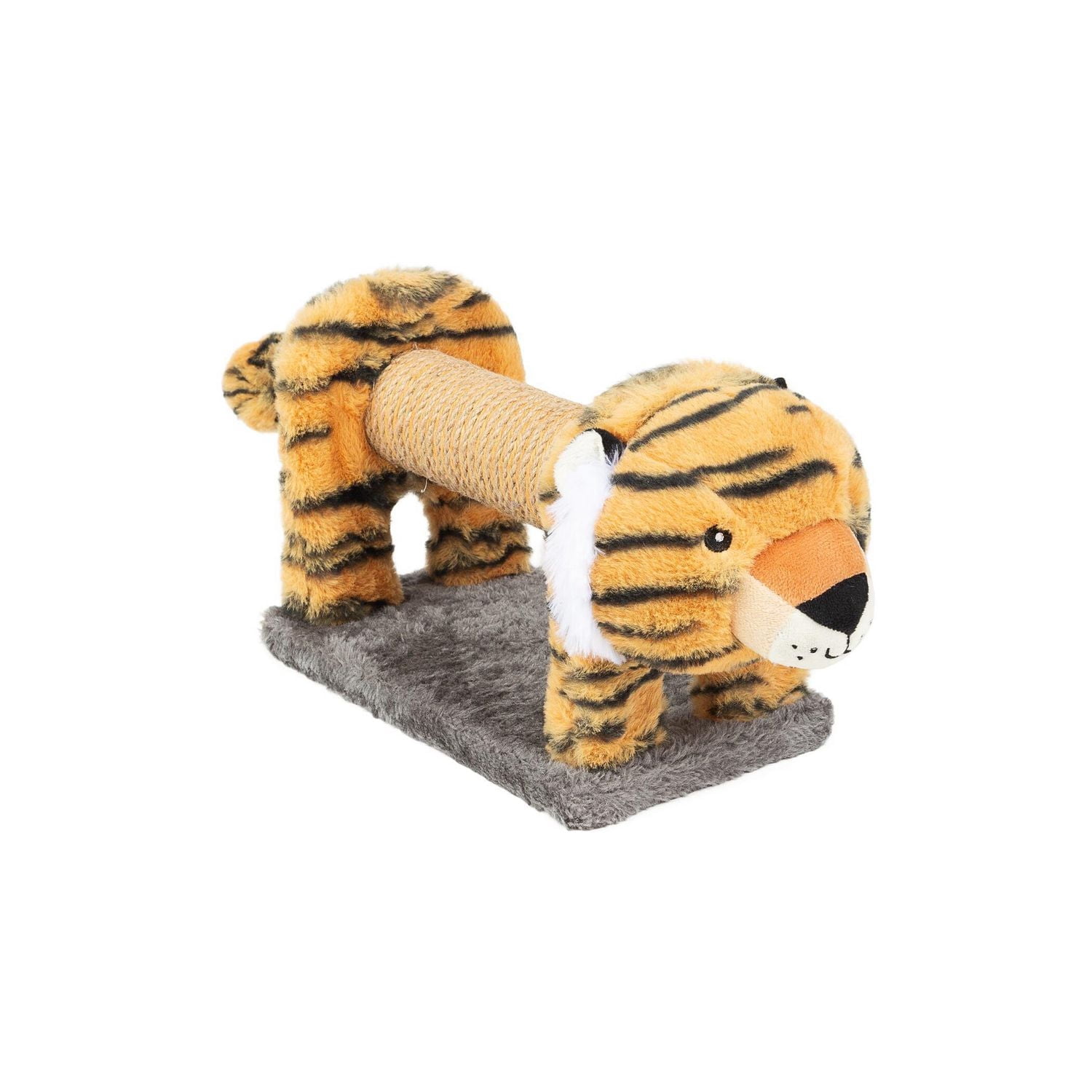
Credit: www.walmart.ca
Cats And Their Play Instincts
Cats have strong play instincts deeply linked to their natural behaviors. These instincts aren’t just about fun—they help cats practice skills they need to survive. Understanding these instincts can help you predict how your cat might react to toys, including stuffed dog toys.
Predatory Behavior In Domestic Cats
Cats are natural hunters, even if they live comfortably indoors. Their play often mimics hunting actions like stalking, pouncing, and biting. These behaviors come from their predatory instincts, which stay active whether they chase mice or a toy.
If you watch your cat closely, you might notice how they focus intensely on a moving toy, just like they would on prey. This focus can turn on quickly, and your cat might attack a stuffed dog toy if it triggers their hunting drive. Does your cat’s reaction change based on the size or shape of the toy?
How Play Mimics Hunting
Play is practice for hunting skills. Cats use toys to sharpen their reflexes and test their strength. When your cat bats at or bites a stuffed dog toy, they are practicing the steps of catching and subduing prey.
The texture and movement of a toy can make a big difference. For example, a soft, squeaky toy might excite your cat more than a static stuffed dog. You can help your cat get the most out of play by choosing toys that encourage active interaction, like those that can be moved or tossed.
- Use toys that move unpredictably to simulate prey
- Rotate toys to keep your cat’s interest high
- Observe which textures your cat prefers—soft, furry, or rubbery
Have you noticed how your cat’s play changes with different toys? Understanding these instincts helps you create a more engaging environment for your furry friend.

Credit: www.ebay.ca
Why Cats Attack Stuffed Toys
Cats often attack stuffed dog toys out of natural behavior. These toys mimic small animals and trigger hunting instincts. Even indoor cats keep their wild side alive through play. Understanding why cats target these toys helps owners choose the best playthings.
Stimulating Natural Instincts
Cats are hunters by nature. Stuffed toys move or feel like prey, sparking their chase response. Pouncing, biting, and clawing satisfy their need to hunt. This play keeps cats active and mentally sharp. It also prevents boredom and stress in indoor cats.
Toy Size And Texture Impact
The size of the toy matters a lot. Small toys fit well in a cat’s paws and mouth. Large toys might feel less like prey and more like obstacles. Texture also plays a role. Soft, furry toys remind cats of real animals. Rough textures may attract scratching and biting. Choosing the right size and feel makes play more fun and safe.
Stuffed Dog Toys As Targets
Cats are curious creatures. They often see stuffed dog toys as targets. These toys resemble real animals and capture feline attention. Cats may pounce, claw, or bat at them. This behavior stems from their natural instincts. Cats view these toys as prey or rivals. They engage in playful or territorial displays.
Appeal Of Dog Shaped Toys
Dog-shaped toys intrigue cats due to their animal-like features. The shape, size, and texture mimic small prey. Cats are hunters by nature. They react to anything resembling a living creature. These toys often have ears, tails, and limbs. These features trigger a cat’s hunting instincts. Cats may also enjoy the challenge these toys offer. They can practice their stalking and pouncing skills.
Scent And Familiarity Factors
Scent plays a big role in a cat’s reaction. Stuffed toys often retain scents from their environment. Cats rely heavily on their sense of smell. Familiar scents can attract or repel them. If the toy has a familiar scent, it may be comforting. Cats associate certain smells with safety or family. A toy might carry the scent of a fellow pet or owner. This can increase a cat’s interest in the toy.
Signs Your Cat Is Playing Or Fighting
Understanding whether your cat is playing or fighting with a stuffed dog toy helps you interpret their behavior. Cats use different signs to show their mood and intentions. These signs include body language, sounds, and movements.
Recognizing these cues can prevent misunderstandings. It also helps you create a fun and safe playtime for your cat.
Body Language Cues
- Relaxed posture means your cat is playing, not fighting.
- Soft eyes and slow blinking show comfort and trust.
- Tail held high or gently twitching signals excitement.
- Flattened ears and puffed fur indicate fear or aggression.
- Claws retracted usually mean gentle play.
- Quick, stiff movements often show defensive or aggressive behavior.
Vocalizations And Movements
- Chirps, purrs, and soft meows suggest playful interaction.
- Hissing, growling, or yowling warn of discomfort or anger.
- Light biting and gentle pawing are common in play.
- Hard biting or scratching can mean your cat feels threatened.
- Playful cats often bounce or stalk their toy slowly.
- Rapid lunges and intense attacks may signal real fighting instincts.
Encouraging Safe Play With Stuffed Toys
Encouraging safe play with stuffed toys is important for cats. These toys provide fun and exercise without harm. Choosing the right toy and watching playtime helps keep cats safe and happy. Safe play also prevents damage to toys and reduces risks of injury.
Choosing The Right Toys
Select toys made from durable, non-toxic materials. Avoid toys with small parts that can be swallowed. Soft stuffed toys with secure stitching work well. Look for toys sized to fit your cat’s mouth. Toys with interesting textures and scents keep cats engaged. Replace worn or torn toys quickly to avoid hazards.
Supervised Play Tips
Always watch your cat during play with stuffed toys. Intervene if the cat tries to swallow parts or tears the toy. Use toys to encourage gentle play and reduce rough behavior. Store toys safely after play to prevent chewing on damaged ones. Rotate toys to keep your cat interested and active. Supervised play builds trust and strengthens your bond.
When Play Becomes Aggression
Playing with stuffed dog toys can be fun for cats, but sometimes play turns rough. Cats may show signs of aggression during these moments. Understanding when play crosses the line helps keep both cats and toys safe. Recognizing aggressive behavior early prevents injuries and stress.
Identifying Aggressive Behavior
Aggression in cats shows in many ways. Watch for these signs:
- Ears pinned back tightly against the head
- Hissing or growling sounds
- Swiping claws with force
- Rapid tail flicking or twitching
- Staring fixedly without blinking
- Sudden biting or hard nipping
These signs mean the cat feels threatened or overstimulated. Play should not cause fear or pain.
Managing Aggression In Cats
Calm your cat by stopping the play immediately. Give them space to relax. Provide safe toys made for cats, not dog toys. Use soft, lightweight toys to avoid injury.
Distract your cat with interactive toys like feather wands or laser pointers. Regular play sessions help release energy in a healthy way. Reward calm behavior with treats and praise.
If aggression persists, consult a veterinarian or animal behaviorist. They can offer advice tailored to your cat’s needs.
Benefits Of Play For Cats
Play is more than just fun for your cat; it’s essential for their well-being. Engaging with toys, including stuffed dog toys, can stimulate their instincts and keep them active. This section highlights how play benefits your cat’s mental and physical health while also strengthening your relationship.
Mental And Physical Health
Playing with toys helps your cat stay sharp and healthy. It provides mental stimulation by encouraging problem-solving and focus. Physically, play supports muscle strength and coordination, reducing the risk of obesity and related health problems.
Have you noticed how your cat’s energy spikes when they chase a toy? That burst of exercise is crucial for their overall fitness. Even simple interactions with stuffed dog toys can trigger natural hunting instincts, keeping your cat alert and engaged.
Strengthening Human-cat Bond
Sharing playtime with your cat deepens your connection. When you toss a stuffed dog toy or dangle it for them, you create moments of trust and affection. This shared activity can reduce anxiety and build a stronger, more positive relationship.
Think about the last time your cat brought a toy to you or nudged your hand to play. These behaviors often show they want your attention and companionship. Playing together isn’t just entertaining; it’s a way to communicate and understand your cat better.
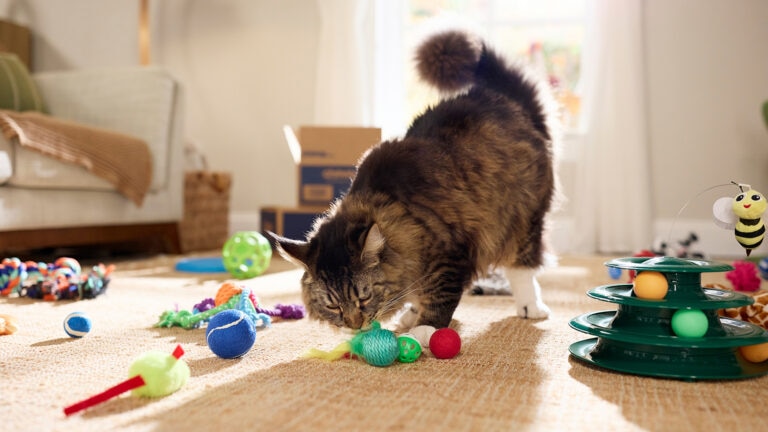
Credit: www.chewy.com
Frequently Asked Questions
Will Cats Attack Stuffed Dog Toys?
Yes, cats may attack stuffed dog toys as they see them as prey. Their hunting instincts trigger playful or aggressive behavior. However, reactions vary by cat personality and toy appearance. Toys resembling small animals attract more attention and provoke more interaction.
Do Cats Enjoy Playing With Stuffed Dog Toys?
Many cats enjoy playing with stuffed dog toys, especially if the toys mimic prey. Soft textures and small sizes encourage batting, pouncing, and biting. These toys provide mental stimulation and exercise, keeping cats entertained and reducing boredom.
Can Stuffed Dog Toys Harm Cats?
Generally, stuffed dog toys are safe for cats if made from non-toxic materials. However, loose parts like buttons or stuffing pose choking risks. Always supervise playtime and choose durable toys designed for pets to ensure safety.
Why Do Cats Scratch Stuffed Dog Toys?
Cats scratch stuffed dog toys to sharpen claws and mark territory. Scratching helps relieve stress and keeps claws healthy. Toys with fabric textures mimic natural surfaces, making them attractive for scratching and play.
Conclusion
Cats may or may not fight stuffed dog toys. Some cats see them as toys to attack. Others might just ignore them. It depends on the cat’s personality and mood. Watching your cat’s reaction helps you understand their interest. Stuffed toys can keep cats active and entertained.
Always choose safe toys without small parts to avoid danger. Giving cats different toys keeps them happy and curious. So, stuffed dog toys can be a fun option for many cats. Try it and see how your cat reacts.

Leave a Reply