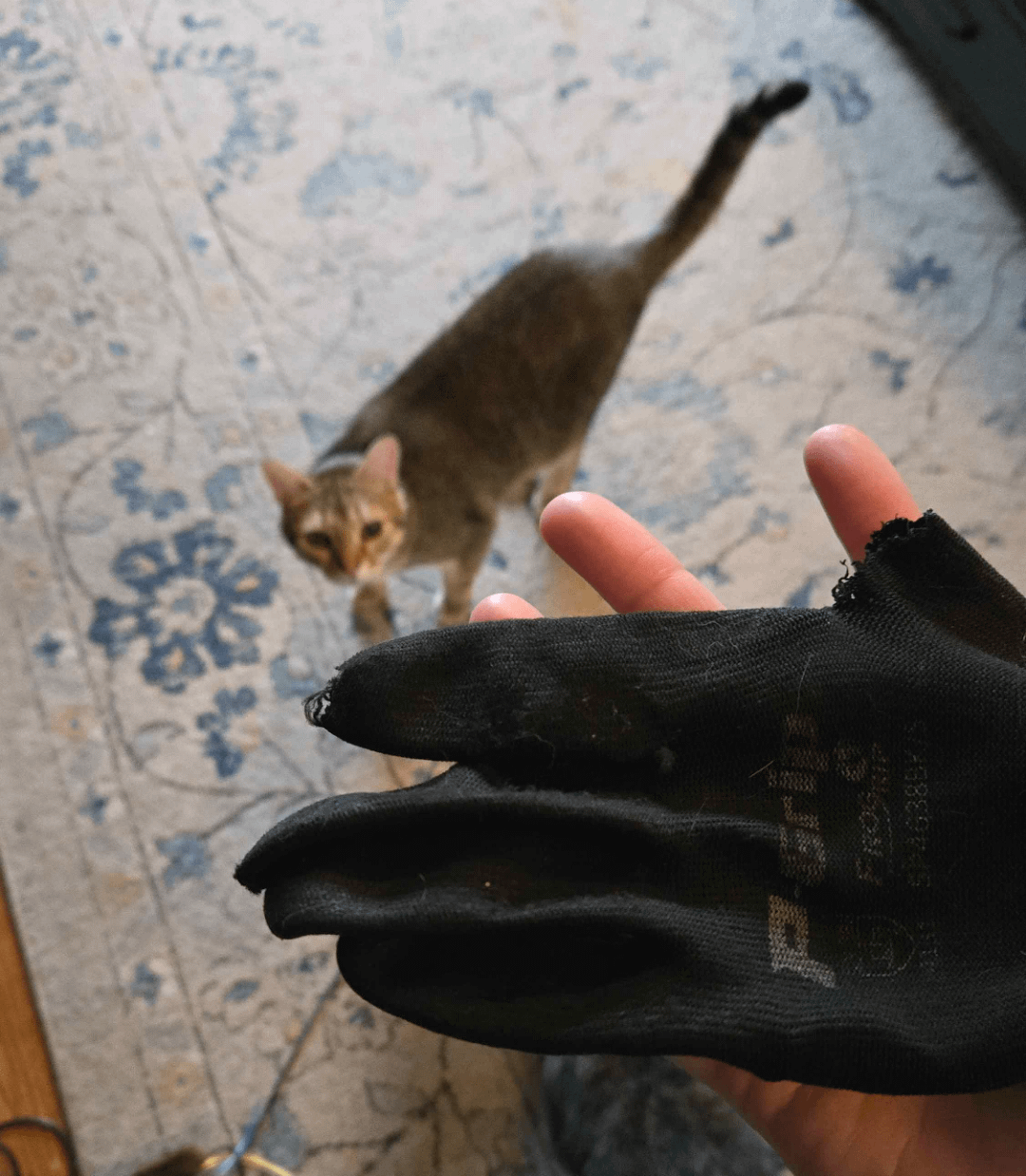
Have you ever noticed your cat batting around a small toy and wondered, “Will my cat actually eat this?” If you’ve found tiny toys missing or chewed up, you’re not alone. Cats are curious creatures, and their playful nature can sometimes lead them to nibble on things they shouldn’t.
But is it safe? And why do they do it? Understanding this behavior can help keep your furry friend safe and your home intact. Keep reading to discover what makes your cat tempted by small toys and how you can protect them from harm.

Credit: shopping.yahoo.com
Cats And Small Toys
Have you ever noticed your cat batting around a tiny toy and wondered if they might try to eat it? Cats have a natural curiosity about small objects, and small toys often catch their eye. Understanding why your cat is attracted to these toys can help you choose safer play options and keep your furry friend happy and healthy.
Why Cats Are Attracted To Toys
Cats are natural hunters, and small toys mimic the movement and size of their prey. This triggers their instinct to chase, pounce, and sometimes bite. Your cat isn’t just playing—they’re practicing survival skills in a safe environment.
Movement is a big factor too. Toys that wiggle, roll, or make noise grab your cat’s attention quickly. Have you noticed how your cat focuses intensely on a tiny ball rolling across the floor? That’s their hunting instinct kicking in.
Types Of Small Toys Cats Prefer
Cats usually prefer toys that are easy to carry and bat around with their paws. Soft balls, small stuffed mice, and feather wands often top their favorites list. These toys are light and mimic the texture of real prey, making playtime more engaging.
- Soft balls:Great for chasing and carrying in their mouth.
- Stuffed mice:Perfect for biting and wrestling.
- Feather wands:Encourage jumping and swatting.
- Laser pointers:Stimulate stalking behavior without any chewing risk.
However, not all small toys are safe. If a toy is too small or has parts that can come off, your cat might accidentally swallow them. Have you checked your cat’s toys lately for loose pieces? Keeping an eye on the size and condition of toys can prevent accidental ingestion.
Potential Risks Of Toy Ingestion
Small toys can pose serious dangers if cats swallow them. These objects are not designed to be eaten and can cause health problems. Understanding the risks helps keep cats safe and healthy.
Choking Hazards
Small toys can easily block a cat’s throat. This can cause choking, making it hard for the cat to breathe. Quick action is needed to prevent suffocation. Always watch your cat during playtime with small objects.
Internal Blockages
Swallowed toys can get stuck in the cat’s stomach or intestines. This blocks food and fluids from passing through. Internal blockages cause pain, vomiting, and loss of appetite. Surgery might be necessary to remove the object.
Toxic Materials In Toys
Some toys contain harmful chemicals or paints. These substances can poison cats if ingested. Toxic materials may cause vomiting, diarrhea, or worse health issues. Choose toys made from safe, non-toxic materials to avoid this risk.
Signs Of Toy Ingestion
Knowing the signs of toy ingestion in cats is important. Toys can cause blockages or injuries if swallowed. Early detection helps prevent serious health problems. Watch your cat closely for any unusual changes. Some signs may be subtle but still important.
Behavioral Changes
Changes in behavior often signal a problem inside. Cats may become restless or pace around. They might hide more than usual. Sudden loss of interest in playing or eating can occur. Some cats may meow loudly or act irritable. These changes often mean discomfort or pain.
Physical Symptoms To Watch For
- Vomiting or dry heaving
- Drooling more than usual
- Difficulty swallowing or coughing
- Swelling in the abdomen
- Constipation or diarrhea
- Lethargy or weakness
These symptoms often require immediate veterinary care. Toys caught in the digestive system can be dangerous. Always monitor your cat after playtime with small objects.

Credit: www.amazon.com
Preventing Toy Ingestion
Preventing your cat from swallowing small toys is important for their health. Small toys can block their throat or cause stomach problems. Taking steps to avoid toy ingestion keeps your pet safe and happy.
Choosing Safe Toys
Select toys made for cats. Avoid small parts that can break off easily. Look for sturdy materials that do not splinter or tear. Soft, larger toys reduce the risk of swallowing. Check the size of the toy to fit your cat’s mouth and play style.
Supervised Playtime
Watch your cat while they play with toys. Intervene if they try to chew or swallow small pieces. Supervised play helps prevent accidents and allows you to remove unsafe toys quickly. Spend time playing together to keep your cat engaged and safe.
Proper Toy Storage
Keep small toys out of your cat’s reach when not in use. Store toys in closed boxes or containers. This prevents accidental swallowing and keeps toys clean. Regularly check toys for damage and remove broken ones immediately.
First Aid And Veterinary Care
Swallowing small toys can be dangerous for cats. Quick first aid and proper veterinary care can prevent serious problems. Knowing how to react fast protects your cat’s health and comfort.
Immediate Actions To Take
Check if your cat is coughing, choking, or struggling to breathe. Remove any visible objects from their mouth carefully. Do not force your cat to vomit unless a vet advises it. Offer fresh water to help move the object. Watch your cat closely for any signs of distress. Keep your cat calm and still to avoid injury. Contact your vet immediately for further instructions.
When To Visit The Vet
Visit the vet if your cat shows any of these signs:
- Persistent vomiting or gagging
- Drooling or difficulty swallowing
- Loss of appetite or lethargy
- Abdominal pain or swelling
- Breathing problems or coughing
Early vet visits can prevent complications. The vet may perform X-rays or endoscopy to locate the toy. Surgery might be needed for objects stuck in the stomach or intestines. Prompt veterinary care ensures your cat recovers safely.
Safe Alternatives For Play
Small toys can pose choking risks if cats chew or swallow them. Choose safe alternatives like soft fabric toys or specially made catnip toys to keep cats entertained without danger.
Cats are curious creatures, and their playful nature often leads them to investigate small toys. However, these toys can be risky if swallowed. To keep your feline friend safe, consider offering them safer alternatives that satisfy their hunting instincts without the hazard.Diy Toy Ideas
Creating your own cat toys can be both fun and cost-effective. Simple items like crumpled paper balls or cardboard boxes can become hours of entertainment. You can also craft toys using yarn or fabric, ensuring there are no small parts that could be ingested. Old socks filled with catnip or soft stuffing make excellent plush toys. Securely stitching the ends ensures your cat won’t accidentally ingest the contents. Remember, supervision is key when introducing any new toy, even homemade ones.Interactive And Enrichment Toys
Interactive toys are fantastic for engaging your cat’s mind and body. Puzzle feeders challenge them to work for their treats, stimulating their problem-solving skills. These toys not only entertain but also encourage healthy eating habits. Consider investing in laser pointers or feather wands. These toys provide an excellent opportunity for you to bond with your cat, turning playtime into a shared experience. However, avoid pointing lasers near their eyes to prevent injury. What safe toy alternatives have you tried for your cat? Share your experiences and keep the playtime safe and exciting for your furry friend.
Credit: loopara.com
Frequently Asked Questions
Can Cats Swallow Small Toys Accidentally?
Yes, cats can accidentally swallow small toys while playing. This can cause choking or digestive blockages, so supervision is important.
What Are The Dangers Of Cats Eating Small Toys?
Eating small toys may cause choking, intestinal blockage, or poisoning. Immediate veterinary help is necessary if ingestion is suspected.
How To Prevent Cats From Eating Small Toys?
Keep small toys out of reach and provide safe, cat-friendly toys. Supervise playtime to avoid accidental ingestion.
What Signs Show A Cat Ate A Small Toy?
Signs include vomiting, loss of appetite, lethargy, constipation, or abdominal pain. Contact a vet if these symptoms appear.
Conclusion
Cats often show interest in small toys, sometimes chewing or swallowing them. This behavior can be risky and cause health problems. Watch your cat closely when playing with small objects. Choose toys that are safe and too big to swallow.
Keep harmful items out of reach to protect your pet. A happy cat is a safe cat. Taking simple steps helps avoid accidents and keeps your furry friend healthy. Always put your cat’s safety first.

Leave a Reply