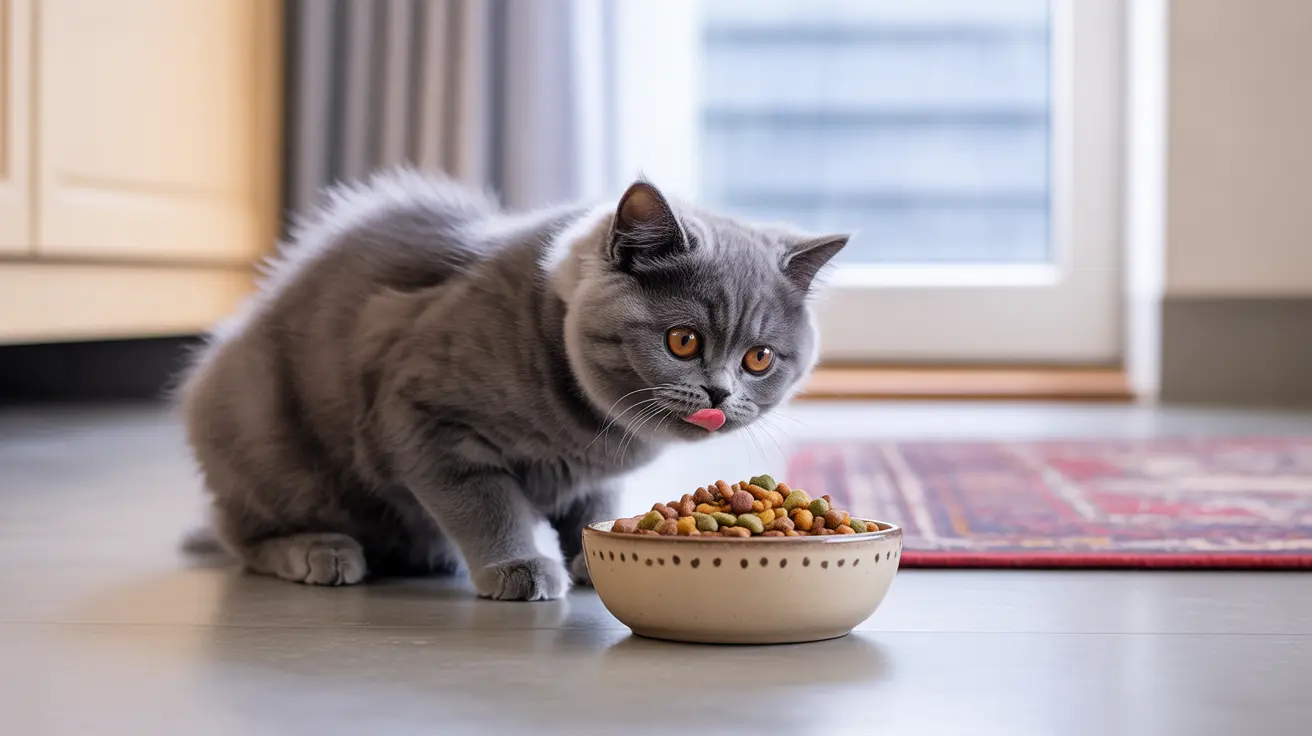
Are you wondering if your adult cat can eat kitten food? It’s a common question for many cat owners like you.
After all, you want to make sure your furry friend gets the right nutrition without wasting money or causing health problems. Understanding whether adult cats should eat kitten food can help you make smarter choices for your pet’s diet. Keep reading to discover the surprising facts about feeding adult cats kitten food and what it means for your cat’s health and happiness.

Credit: www.reddit.com
Differences Between Kitten And Adult Cat Food
Kitten food and adult cat food differ significantly. These differences meet the unique needs of cats at various life stages. Choosing the right food supports healthy growth and maintenance. Understanding these distinctions helps pet owners provide proper nutrition.
Nutritional Needs Of Kittens
Kittens require more calories than adult cats. Their bodies grow quickly and need extra energy. Protein levels in kitten food are higher to support muscle development. Kittens also need fats for brain and eye growth. Vitamins and minerals like calcium and phosphorus aid strong bones and teeth. Balanced nutrition helps kittens build a healthy foundation.
Nutritional Needs Of Adult Cats
Adult cats need fewer calories to maintain weight. Their metabolism slows down after growth ends. Protein remains important but in lower amounts than in kitten food. Adult cat food often contains more fiber to support digestion. Nutrients focus on maintaining health and preventing disease. Proper feeding helps adult cats stay active and fit.
Key Ingredient Variations
- Protein:Higher in kitten food for growth, moderate in adult food for maintenance.
- Fat:Kitten food has more fat for energy and development.
- Calories:Kitten food is calorie-dense; adult food has fewer calories.
- Vitamins and Minerals:Kitten food includes extras for bone and brain growth.
- Fiber:More in adult food to aid digestion and weight control.
Can Adult Cats Eat Kitten Food?
Wondering if your adult cat can safely eat kitten food? This question comes up a lot among cat owners who have both kittens and grown cats at home. Kitten food is formulated to support rapid growth and higher energy needs, but that doesn’t always mean it’s the best choice for an adult cat.
Short-term Effects
Feeding adult cats kitten food occasionally won’t cause immediate harm. You might notice your cat enjoying the richer taste and texture, as kitten food tends to be higher in fat and protein. However, in the short term, your cat’s digestive system may respond with mild upset, like loose stools or minor stomach discomfort.
I once gave my adult cat some leftover kitten food, and she loved it—until she had a little diarrhea the next day. This shows that while the switch isn’t dangerous for a day or two, it’s not ideal as a regular diet.
Potential Risks
Regularly feeding adult cats kitten food can lead to weight gain and obesity. Kitten food contains extra calories that adult cats don’t typically need, which can result in unhealthy fat accumulation. Over time, this can strain their heart and joints.
Another risk involves nutrient imbalance. Adult cats require fewer calories but more controlled nutrients to maintain health, and kitten food may supply too much of certain vitamins and minerals. This imbalance might contribute to issues like kidney strain or digestive problems.
When It Might Be Okay
There are situations when feeding kitten food to adult cats makes sense. If your adult cat is recovering from illness, has a high energy requirement, or is underweight, the extra nutrients in kitten food can help support healing and weight gain.
For example, a senior cat with reduced appetite might benefit from the richer, more palatable kitten food to encourage eating. Always consult your vet before making this switch to ensure it matches your cat’s specific health needs.
Why Adult Cats Might Prefer Kitten Food
Adult cats might choose kitten food because it tastes richer and is softer. Kitten food has more calories and nutrients, which some adults find appealing. This can make it a tempting option for cats at any age.
Why Adult Cats Might Prefer Kitten Food Some adult cats enjoy kitten food more than their own meals. This preference can be due to several reasons. Kitten food often has flavors and textures that appeal to older cats. It also contains more calories and nutrients. Understanding these factors can help cat owners make informed decisions.Taste And Texture Appeal
Kitten food is specially formulated to be appealing. It often has richer flavors and softer textures. These qualities can attract adult cats. Older cats may find it easier to chew. The enticing aroma also plays a role in drawing them in.Higher Calorie Content
Kitten food is high in calories and nutrients. It’s designed to support growing kittens. Some adult cats find this appealing. They may need more energy due to active lifestyles. This is especially true for cats with high energy levels.Palatability Factors
Cats are picky eaters by nature. Kitten food often has ingredients that enhance taste. These ingredients make the food more palatable. This can make adult cats prefer it over their regular food. It’s a simple matter of taste satisfaction.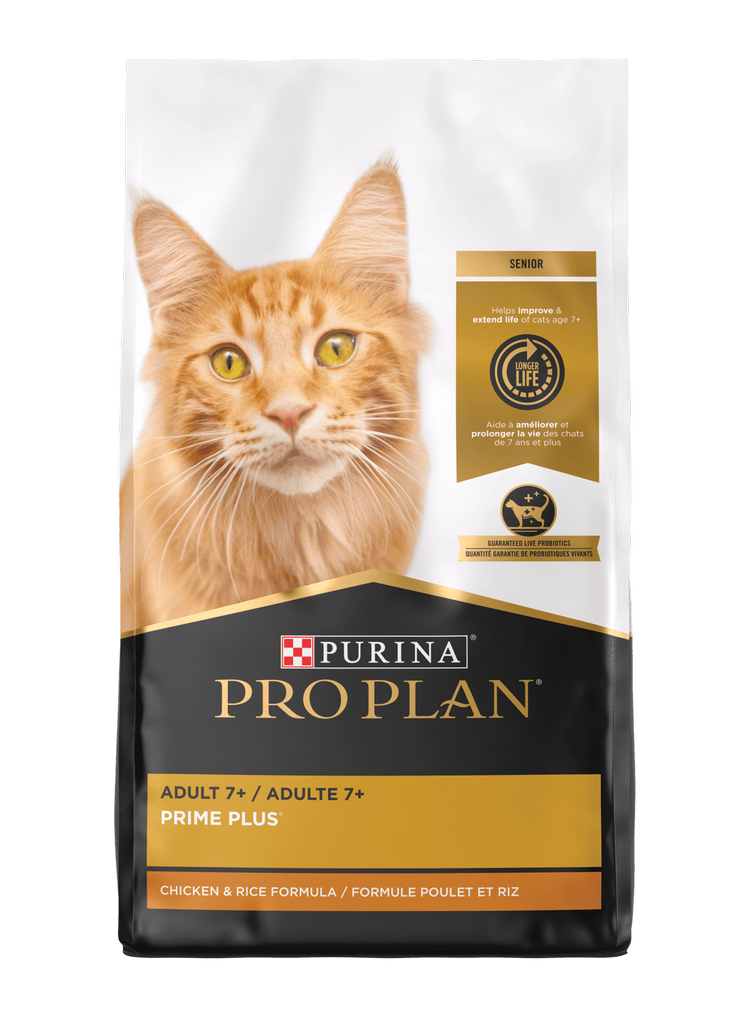
Credit: www.purina.com
Health Implications Of Feeding Kitten Food To Adults
Feeding adult cats with kitten food may seem harmless, but it carries health risks. Kitten food is rich in calories and nutrients designed for growing cats. Adult cats have different dietary needs that kitten food may not meet. Regularly feeding adult cats with kitten food can lead to several health problems. Understanding these issues helps maintain your cat’s well-being.
Weight Gain And Obesity
Kitten food contains more calories to support growth. Adult cats eating kitten food can gain weight quickly. Excess calories turn into fat, causing obesity. Obesity increases risks of diabetes, joint problems, and heart disease. Maintaining a healthy weight is vital for adult cats’ longevity.
Nutrient Imbalances
Kitten food has higher protein and fat levels than adult food. Adult cats require a balanced diet with fewer calories. Feeding kitten food regularly can cause excess nutrient intake. This imbalance may strain the liver and kidneys. Adult cat formulas are made to meet mature cats’ specific needs.
Digestive Issues
Adult cats may have difficulty digesting kitten food. Richer ingredients can upset their stomachs. Symptoms include vomiting, diarrhea, or constipation. Digestive troubles reduce nutrient absorption and cause discomfort. Feeding the right food keeps your cat’s digestive system healthy.
Choosing The Right Food For Your Cat
Choosing the right food for your cat can feel confusing, especially when you wonder if adult cats should eat kitten food. The key is understanding your cat’s unique needs at each life stage. Feeding your cat the appropriate diet supports their health, energy, and longevity.
Age-appropriate Diets
Kitten food is designed to support rapid growth and high energy levels with extra calories, protein, and fat. Adult cats, however, require a balanced diet that maintains their weight and overall health without excess calories.
Feeding adult cats kitten food regularly can lead to unwanted weight gain or digestive issues. Have you noticed your cat’s activity level or weight changing with different foods? Tailoring food choices to your cat’s age ensures they get what their body truly needs.
Consulting A Veterinarian
Your veterinarian knows your cat’s health history and can recommend the best diet. They can identify any special dietary needs due to age, health conditions, or lifestyle.
Before switching foods or trying kitten food for your adult cat, ask your vet for advice. Have you ever tried switching foods without guidance and faced unexpected issues? A quick check-in with a professional can save you from costly mistakes and keep your cat happy.
Transitioning Between Foods
Switching your cat’s food too quickly can upset their stomach. Gradually mix the new food with the old over 7–10 days to allow their digestive system to adjust.
Observe how your cat reacts during this transition. Are they eating well? Any signs of digestive upset? Patience during this phase makes the change smoother and keeps your cat comfortable.
Tips For Feeding Multiple Cats Of Different Ages
Feeding multiple cats of different ages can be a balancing act. Adult cats and kittens have distinct nutritional needs, so managing their diets in the same household requires some planning. Here are practical tips to help you keep all your feline friends happy and healthy during mealtime.
Separate Feeding Areas
Giving each cat their own feeding spot helps prevent food stealing and stress. Kittens often eat faster and might finish before adults, while adult cats may need more space to eat calmly.
Try placing kitten food in a low, quiet corner where the kitten feels safe. Meanwhile, set up adult cat food in another area to avoid confusion and ensure everyone gets the right nutrition.
Monitoring Eating Habits
Watch how much and how often each cat eats. This helps you spot if a kitten is overeating adult food or if an adult is sneaking kitten food, which can lead to weight gain or nutritional imbalances.
Use feeding times to observe behavior. Do some cats rush to finish? Are others leaving food behind? Adjust portions or timing based on what you see.
Managing Food Preferences
Some cats are picky and may refuse certain textures or flavors. Offering a variety of kitten and adult foods might help satisfy their tastes without compromising their dietary needs.
Have you noticed your cat turning their nose up at one brand but loving another? Experiment with wet and dry options to find what works best for each age group.
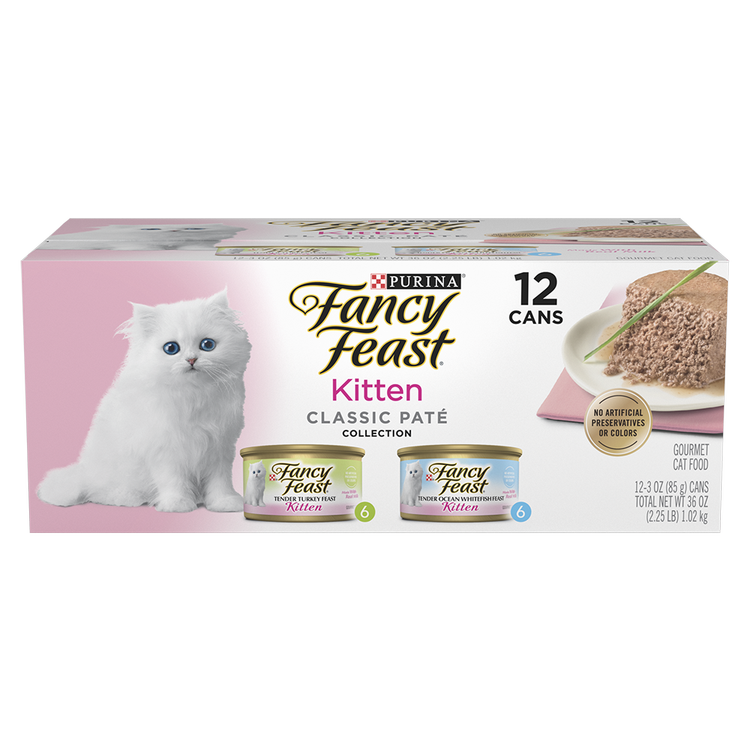
Keep in mind that mixing foods isn’t always the best idea. Stick to age-appropriate formulas to ensure your cats get the vitamins and minerals they need.
Credit: www.purina.com
Frequently Asked Questions
Will Adult Cats Benefit From Eating Kitten Food?
Adult cats may eat kitten food but it is richer in calories and nutrients. Over time, this can cause weight gain and health issues. Kitten food is designed for growth, so adult cats need a diet balanced for maintenance and fewer calories.
Can Adult Cats Digest Kitten Food Safely?
Yes, adult cats can digest kitten food safely. However, the higher protein and fat content might be too rich for their needs. Feeding kitten food occasionally is fine, but it’s best to provide age-appropriate food for long-term health.
What Happens If Adult Cats Eat Kitten Food Daily?
Daily feeding of kitten food to adult cats can lead to obesity and nutrient imbalance. Kitten food’s extra calories and fats are unnecessary for adult cats, potentially causing digestive upset and weight problems over time.
Is Kitten Food Suitable For All Adult Cats?
Kitten food is not suitable for all adult cats. Senior cats or those with health conditions need tailored diets. Always consult a vet before feeding kitten food to adult cats with special dietary needs.
Conclusion
Adult cats can eat kitten food, but it’s not ideal long-term. Kitten food has extra calories and nutrients meant for growing cats. Feeding adult cats kitten food regularly may cause weight gain or health issues. Offer adult cats food made for their needs to keep them healthy.
Treats and occasional kitten food are okay but keep portions small. Watch your cat’s health and talk to your vet for advice. Your cat’s diet matters for a happy, strong life. Choose wisely.


Leave a Reply