Are you wondering if a groomer will take your cat? You’re not alone.
Many cat owners worry about how their furry friend will react to grooming outside the home. You want the best care for your cat, but you also want to know what to expect. This article will answer your questions and help you feel confident about choosing a groomer.
Keep reading to discover what really happens when your cat visits a professional groomer—and how to make the experience easier for both of you.
Choosing The Right Groomer
Choosing the right groomer for your cat is essential for a safe and pleasant experience. Cats are sensitive animals and need gentle handling. Finding a groomer who understands your cat’s needs reduces stress and ensures proper care.
Take time to research and evaluate grooming services carefully. The right groomer will have the skills and patience to handle your cat with kindness. It also helps to know what questions to ask and how to check their reputation.
What To Look For In A Grooming Service
- Experience with cats specifically, not just dogs
- Clean and calm environment
- Staff trained in cat behavior and safety
- Use of gentle grooming tools and products
- Availability of emergency procedures
- Flexible grooming options to suit your cat’s needs
Questions To Ask Before Booking
- How do you handle stressed or scared cats?
- What types of grooming services do you offer?
- Are appointments done individually or in groups?
- What safety measures are in place?
- How long does a typical grooming session last?
- Can I stay with my cat during grooming?
Checking Reviews And References
Reading reviews gives insight into other pet owners’ experiences. Look for consistent positive feedback and honest comments about care quality. Ask the groomer for references from past clients. Contact those clients to hear their stories. This helps confirm the groomer’s reliability and skill.

Credit: www.angiesmobilepetstyling.com
Preparing Your Cat For Grooming
Preparing your cat for grooming helps reduce stress and makes the experience smooth. Cats need time to get used to new sensations and routines. Starting early creates a calm atmosphere during grooming sessions. Patience and gentle handling build trust with your pet. Follow these tips to prepare your cat before visiting the groomer.
Getting Your Cat Comfortable With Handling
Touch your cat gently every day. Stroke their fur and hold their paws briefly. Try small massages on the neck and back. Praise your cat with soft words and treats. Stop if your cat shows signs of stress. Regular, calm handling helps cats feel safe and relaxed.
Introducing Grooming Tools At Home
Show your cat the grooming tools first. Let them sniff brushes or combs without using them. Slowly brush your cat for a few seconds, then stop. Increase brushing time gradually over several days. Use treats to reward good behavior. This helps cats accept grooming tools without fear.
Scheduling The First Appointment
Choose a quiet time for the first grooming visit. Avoid busy or noisy hours at the salon. Tell the groomer about your cat’s habits and fears. Ask if you can stay during the session. Short visits build your cat’s confidence. Plan regular grooming visits to keep your cat comfortable.
What To Expect During Grooming
Taking your cat to a professional groomer can be an enlightening experience, both for you and your feline friend. Understanding what happens during a grooming session can ease your mind and help you feel more prepared. Let’s dive into what you can expect when you entrust your cat to a groomer’s care.
Common Grooming Procedures For Cats
During a grooming session, your cat will likely undergo a series of standard procedures designed to keep them healthy and comfortable. These often include brushing to remove loose fur and prevent matting, and trimming nails to avoid overgrowth and potential injuries. Some groomers also offer ear cleaning and teeth brushing as part of their routine services.
Each of these procedures is typically tailored to your cat’s specific needs. For example, long-haired cats may require more extensive brushing and de-shedding treatments. If you’ve ever tried brushing your cat at home, you know how it can be a bit of a wrestling match—professional groomers are adept at making this process smoother and more efficient.
How Groomers Handle Anxious Cats
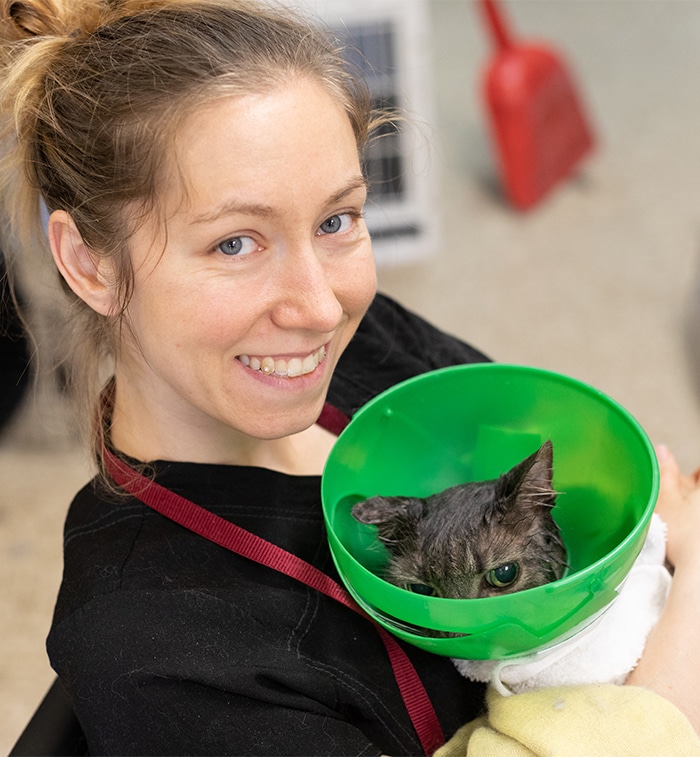
Not all cats are thrilled about grooming, and that’s perfectly normal. Professional groomers are skilled in handling anxious cats with care and patience. They often employ gentle techniques and calming strategies to make the experience as stress-free as possible.
If your cat tends to be skittish or nervous, it’s worth discussing this with the groomer beforehand. Many groomers are trained to recognize signs of distress and will adjust their approach accordingly. You might even pick up some tips to use at home for those tricky grooming tasks.
Signs Your Cat Is Enjoying The Experience
Believe it or not, some cats actually enjoy being groomed! Look out for signs of relaxation, such as a soft purr, slow blinking, or even kneading with their paws. These are indicators that your cat is comfortable and possibly enjoying the attention.
Your cat might also start to lean into the brush or nuzzle against the groomer. This is a good sign that they are feeling secure. As a pet owner, it’s reassuring to know that your cat is in good hands and having a positive experience.
Have you ever wondered if your cat secretly loves the grooming process? Next time you visit the groomer, pay attention to your cat’s behavior—you might be pleasantly surprised!
Credit: smoochie-pooch.com
Special Considerations For Cats
Grooming cats requires special attention and patience. Cats are not like dogs—they have unique needs and behaviors that can affect how a groomer approaches their care. Understanding these special considerations helps you decide if a professional groomer is right for your feline friend and ensures your cat’s experience is as stress-free as possible.
Dealing With Aggressive Or Fearful Cats
Many cats feel scared or aggressive during grooming sessions. This reaction is natural since being handled by strangers can be overwhelming. You should inform the groomer about your cat’s temperament beforehand.
Look for groomers who have experience with nervous or aggressive cats. They often use calming techniques, such as gentle talking or slow movements. Sometimes, short, gradual grooming sessions work better than a full session all at once.
Have you noticed signs of stress in your cat during grooming at home? Sharing these details helps the groomer prepare and keep your cat calm and safe.
Health Issues That Affect Grooming
Some cats have health problems that influence their grooming needs. Skin conditions, arthritis, or dental issues can make grooming uncomfortable or even painful. It’s important to discuss any health concerns with the groomer.
A good groomer adapts their approach to accommodate health problems. For instance, they might avoid sensitive areas or use special tools to minimize discomfort. Your vet can also recommend grooming routines that support your cat’s health.
Have you ever skipped grooming because your cat seemed unwell? Communicating health details ensures grooming sessions don’t harm your cat or worsen existing conditions.
Grooming Long-haired Vs. Short-haired Cats
Long-haired cats typically need more frequent grooming than short-haired cats. Their fur can easily mat and tangle, which may cause pain if left untreated. Groomers often spend more time brushing and detangling these cats.
Short-haired cats usually require less maintenance but still benefit from regular grooming to reduce shedding and hairballs. Some groomers use different brushes or clippers depending on the coat type.
Do you know your cat’s coat type well enough to choose the right grooming schedule? Understanding this can save you time and keep your cat comfortable throughout the year.
Aftercare Tips For Your Cat
After grooming, your cat needs special care to stay healthy and happy. Grooming removes dirt and loose hair, but home care keeps the coat shiny and skin healthy. Paying attention to your cat’s needs after grooming helps prevent problems and builds trust.
Maintaining Coat Health At Home
Brush your cat regularly with the right brush for its fur type. This stops mats and tangles from forming. Use gentle strokes and avoid pulling on the fur. Check the skin for dryness or redness during brushing. Keep your cat’s nails trimmed to avoid scratches during self-grooming. Offer a balanced diet rich in omega fatty acids to support a healthy coat. Provide fresh water to keep skin hydrated.
When To Schedule Follow-up Grooming
Plan the next grooming session based on your cat’s coat length and lifestyle. Long-haired cats may need grooming every 4 to 6 weeks. Short-haired cats might require less frequent visits, every 8 to 12 weeks. Watch for signs of matting or excessive shedding as a cue for earlier grooming. Regular visits prevent painful mats and skin infections. Keep a grooming calendar to track appointments and coat condition.
Recognizing Signs Of Grooming Stress
Notice changes in behavior after grooming. Cats may hide, hiss, or avoid touch if stressed. Look for excessive licking or scratching that can cause sores. Changes in eating or sleeping habits may also signal stress. Give your cat a quiet space with familiar bedding and toys. Use calming pheromone sprays or diffusers to reduce anxiety. Contact your groomer for advice if stress signs continue.

Credit: services.petsmart.com
Alternatives To Professional Grooming
If you’re unsure about taking your cat to a professional groomer, there are other options to keep your feline friend looking and feeling great. Alternatives to professional grooming can be just as effective and might even strengthen the bond between you and your cat. Let’s look at some practical ways you can manage grooming without visiting a salon.
At-home Grooming Techniques
Grooming your cat at home lets you control the environment and pace. Start with simple brushing sessions to reduce shedding and prevent mats. Use gentle strokes and reward your cat with treats to make it a positive experience.
Pay attention to nail trimming, which you can do carefully with special clippers designed for cats. Clean your cat’s ears and eyes with damp cotton balls, but avoid inserting anything deep into their ears. Regularly check for any skin issues or parasites during these sessions.
Mobile Grooming Services
If traveling to a groomer stresses your cat, consider mobile grooming services. These professionals come to your home, reducing anxiety for your pet and saving you time. Mobile groomers often provide personalized care tailored to your cat’s needs.
Booking a mobile groomer can be a good compromise between professional care and comfort. You get expert grooming without the hassle of transport, which can be a huge relief for both you and your cat.
Diy Grooming Tools And Products
There are plenty of tools designed for cat grooming that you can use at home. Invest in a quality slicker brush, a comb for tangles, and grooming gloves to remove loose fur effortlessly. These tools make grooming less stressful for you and your cat.
Look for cat-friendly shampoos and conditioners if you plan to bathe your cat. Make sure the products are gentle and specifically formulated for feline skin. Using the right tools and products can turn grooming into a simple routine rather than a chore.
Frequently Asked Questions
Will A Groomer Accept My Cat For Grooming?
Most professional groomers accept cats, but policies vary. Call ahead to confirm they offer cat grooming services. Some groomers specialize in cats and provide a calm environment. Always ask about their experience with feline grooming before booking.
What Services Do Cat Groomers Usually Offer?
Cat groomers typically provide brushing, bathing, nail trimming, and ear cleaning. They may also offer haircuts and de-shedding treatments. Services vary by groomer, so check their menu. Many groomers tailor services to a cat’s specific coat and temperament.
How Can I Prepare My Cat For A Groomer Visit?
Acclimate your cat to handling and grooming at home first. Use gentle brushing and nail trimming to reduce stress. Bring your cat’s favorite toy or blanket for comfort. Inform the groomer about your cat’s behavior and health conditions before the appointment.
Are There Risks When Taking My Cat To A Groomer?
Grooming risks include stress, injury, or allergic reactions to products. Choose a groomer experienced with cats to minimize risks. Ensure the groomer uses safe, cat-friendly products. Stay nearby during grooming if allowed to monitor your cat’s comfort.
Conclusion
A groomer can often help keep your cat clean and healthy. Some cats enjoy grooming, while others may feel nervous. Choosing the right groomer matters for your cat’s comfort. Talk to the groomer about your cat’s needs before the visit.
Regular grooming helps prevent mats and skin problems. Trust and patience make the experience better for both you and your cat. With care, grooming can become a positive routine for your furry friend.

Leave a Reply