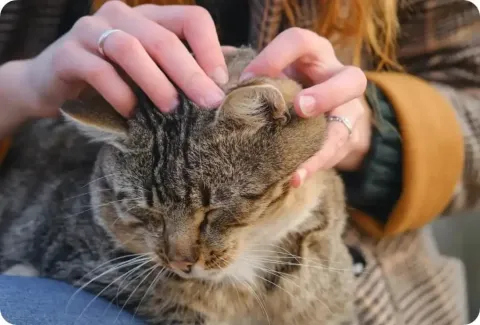
Are you worried about taking your cat to the groomer because she has fleas? You’re not alone.
Many pet owners wonder if groomers will accept cats that might bring unwanted pests into their salon. You want your furry friend to look and feel her best, but fleas can make that feel impossible. You’ll discover what groomers really think about fleas, what to expect when you bring your cat in, and how you can prepare to make the visit smooth and stress-free.
Keep reading to find out the answers that will help you and your cat get the care she needs without any surprises.

Credit: bramaleaanimalhospital.ca
Groomers And Flea Policies
Groomers have specific policies when it comes to cats with fleas. Understanding these rules can help you prepare your pet and avoid surprises at the salon. Many groomers require cats to be flea-free before appointments to protect other animals and maintain a clean environment.
Common Groomer Requirements
Most groomers ask for proof that your cat is free of fleas before accepting them for grooming. This often means treating your cat with flea medication a few days before the appointment. Some groomers may also inspect your cat upon arrival and refuse service if fleas are detected.
Expect groomers to request a clean, calm cat to make the session safe and effective. They might require you to bathe your cat or bring them in on a day without recent flea exposure. These rules help prevent fleas from spreading to other pets in the salon.
Why Flea-free Cats Are Preferred
Fleas can quickly infest a grooming salon, putting all animals at risk. Groomers want to keep their workspace flea-free to protect other pets and maintain hygiene. A flea-free cat ensures a smoother and stress-free grooming experience for everyone involved.
Think about the impact on your cat too. Fleas cause itching, discomfort, and stress. Groomers want to avoid adding more stress by dealing with flea infestations during grooming. How would you feel if your peaceful grooming session turned into a flea battle?
Risks Of Bringing A Flea-infested Cat
Bringing a flea-infested cat to the groomer carries serious risks. Fleas spread quickly and can harm other pets. The grooming area and tools can also become contaminated. Understanding these dangers helps pet owners make safer choices for their cats and others.
Health Concerns For Other Pets
Fleas jump from one animal to another fast. They cause itching, redness, and skin infections. Pets with allergies can have worse reactions. Fleas can even carry diseases and parasites. An infested cat puts all other animals at risk.
Groomers often see many pets daily. One flea-infested cat can spread fleas to all of them. This creates health problems for many pets. It also increases grooming cancellations and complaints.
Impact On Grooming Tools And Environment
Fleas hide in brushes, combs, and clippers. They lay eggs that fall into carpets and furniture. Flea eggs hatch and multiply quickly in warm, dark places.
Cleaning and disinfecting tools takes time and effort. If not done properly, fleas return easily. This causes repeated infestations and extra costs for groomers. The grooming environment must stay clean for all pets’ safety.
Preparing Your Cat For Grooming
Preparing your cat for grooming is important for a smooth experience. Cats with fleas need special care before their visit. Proper preparation helps protect your cat and the groomer’s workspace. It also makes the grooming process less stressful for your pet.
Effective Flea Treatments
Start flea treatment as soon as you spot fleas on your cat. Use vet-approved flea shampoos or topical treatments. Follow instructions carefully to avoid harming your cat. Treat your home too, to stop fleas from coming back. Vacuum carpets, wash bedding, and use flea sprays if needed. Treat all pets in your house to prevent reinfestation.
Timing Your Grooming Appointment
Schedule your grooming appointment after flea treatment is complete. Give the treatment time to work, usually a few days. Inform the groomer about your cat’s flea history. This helps them prepare and take necessary precautions. Avoid booking grooming during flea outbreaks in your area. Choose a quieter time to reduce stress for your cat.
Communicating With Your Groomer
Clear communication with your groomer is essential, especially if your cat has fleas. Being upfront helps avoid surprises and ensures your cat receives the right care. It also shows respect for the groomer’s policies and expertise.
Questions To Ask Before Booking
Before scheduling an appointment, ask the groomer about their flea policy. Do they accept cats with fleas? What treatments do they offer if fleas are found during grooming? Knowing these details helps you decide if this groomer is the right fit for your cat’s needs.
Also, inquire about their experience handling cats with flea problems. Have they dealt with similar situations before? This can give you confidence in their ability to manage your cat safely and comfortably.
Disclosing Your Cat’s Flea Status
Always be honest about your cat’s flea situation when booking. Disclosing this upfront allows the groomer to prepare and take necessary precautions. It also prevents any potential health risks to other animals in the salon.
Think about how you’d feel if a pet with fleas was brought in without notice. Would you want the groomer to tell you? Transparency builds trust and helps protect all pets involved.
Alternatives If Groomers Decline
Some groomers may refuse cats with fleas to protect other pets. Consider treating your cat at home or visiting a vet first. Mobile groomers or pet-friendly boarding facilities might offer more flexible options.
If a groomer declines to take your flea-infested cat, don’t worry. You have other options to ensure your cat gets the care it needs. Explore different strategies and services that can help manage fleas and maintain your cat’s grooming needs without a groomer.Home Flea Control Strategies
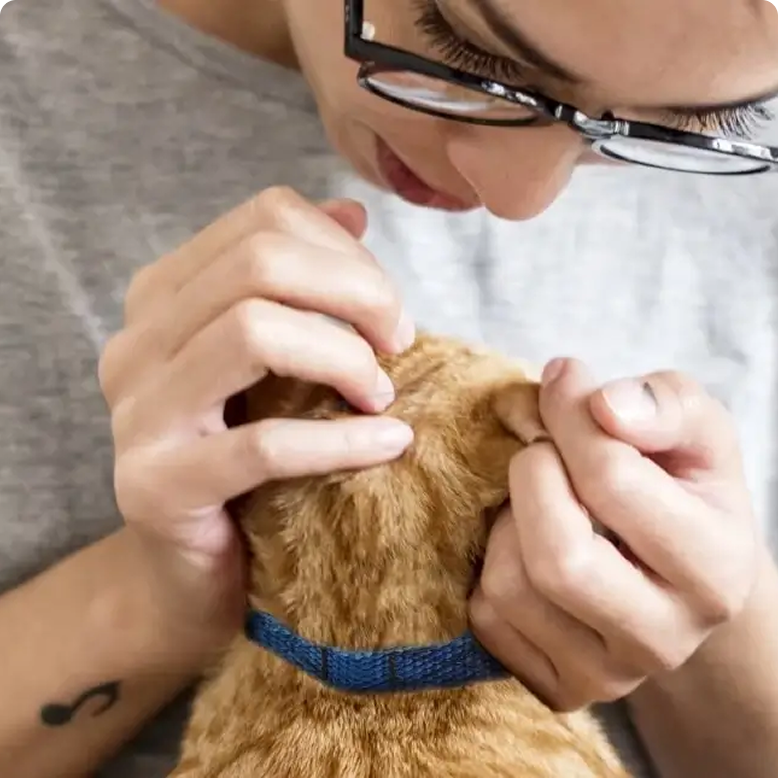
Consider tackling fleas at home using simple methods. Start by vacuuming your home frequently. This helps remove fleas and their eggs from carpets and furniture. Use flea combs on your cat to catch and remove fleas. Give your cat a bath with flea shampoo to kill adult fleas. Always follow the product instructions for safety.Mobile Grooming And In-home Services
Mobile grooming services come to your home. They offer convenience and personalized care for your cat. Mobile groomers often handle flea situations better than salon groomers. Check for local mobile grooming services in your area. Some professionals offer in-home services, making it easier for both you and your pet. They bring the grooming salon to your doorstep, ensuring comfort and minimal stress for your cat.
Credit: pethelpful.com
Credit: nexgardforpets.com
Frequently Asked Questions
Will A Groomer Accept A Cat With Fleas?
Most groomers will not accept cats with active fleas. Fleas can spread to other pets and equipment. It’s best to treat your cat for fleas before scheduling a grooming appointment. Always check the groomer’s policy beforehand.
How Do Groomers Handle Cats With Fleas?
If a groomer accepts a cat with fleas, they usually isolate the pet. They may use special flea treatments during grooming. However, many groomers prefer the owner to treat fleas first to avoid infestations.
Can Fleas Be Removed During Grooming?
Grooming alone won’t fully remove fleas. Flea shampoos and treatments can help reduce fleas temporarily. Effective flea control requires medication and home cleaning alongside grooming sessions.
Should I Treat My Cat For Fleas Before Grooming?
Yes, treat your cat for fleas before grooming. This prevents flea spread and ensures a safer environment. Use vet-recommended flea treatments and confirm with the groomer before the appointment.
Conclusion
Many groomers refuse cats with fleas to protect other pets. Treating your cat for fleas before grooming helps avoid this issue. Flea treatments are easy and keep your cat comfortable. Clean your cat’s bedding and home to stop fleas returning.
Communicate honestly with your groomer about your cat’s health. This keeps your cat safe and ensures a smooth grooming visit. Taking these simple steps makes grooming stress-free for both you and your cat.

Leave a Reply