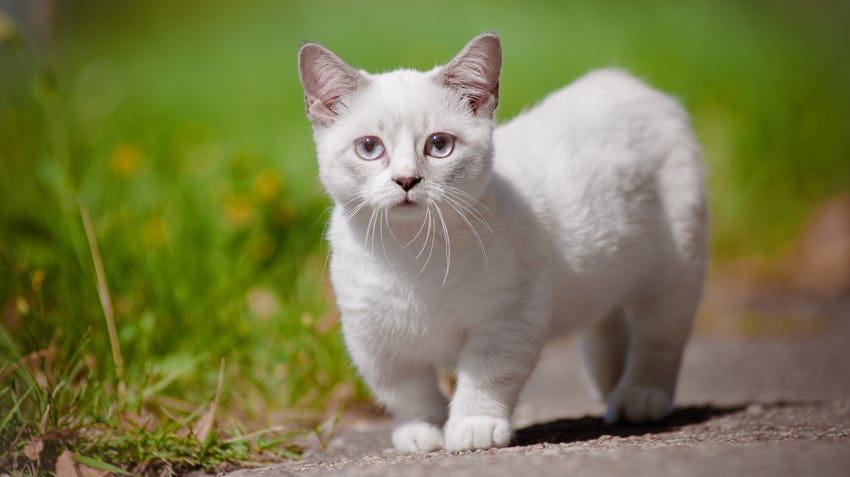
If you love cats, you want what’s best for them. But have you ever stopped to think about the true cost of breeding Munchkin cats?
These tiny, short-legged felines may look cute, but their unique body shape can cause serious health problems. Before you support or buy a Munchkin cat, it’s important to understand the hidden risks behind this breed. Keep reading to discover why standing against Munchkin cat breeding could make a huge difference—for the cats you care about and for the future of animal welfare.
Munchkin Cat Breed Basics
The Munchkin cat breed is known for its unique appearance and playful nature. This breed stands out due to its unusually short legs. Many people find these cats cute and charming. Understanding the basics of the Munchkin breed helps explain why breeding them raises concerns.
Origins And Popularity
The Munchkin cat first appeared in the early 1990s. A cat with short legs was found in Louisiana, USA. Breeders then began to develop this trait. The breed quickly gained attention because of its small size and lively personality. Munchkins became popular in many countries due to their cute look.
Distinctive Features
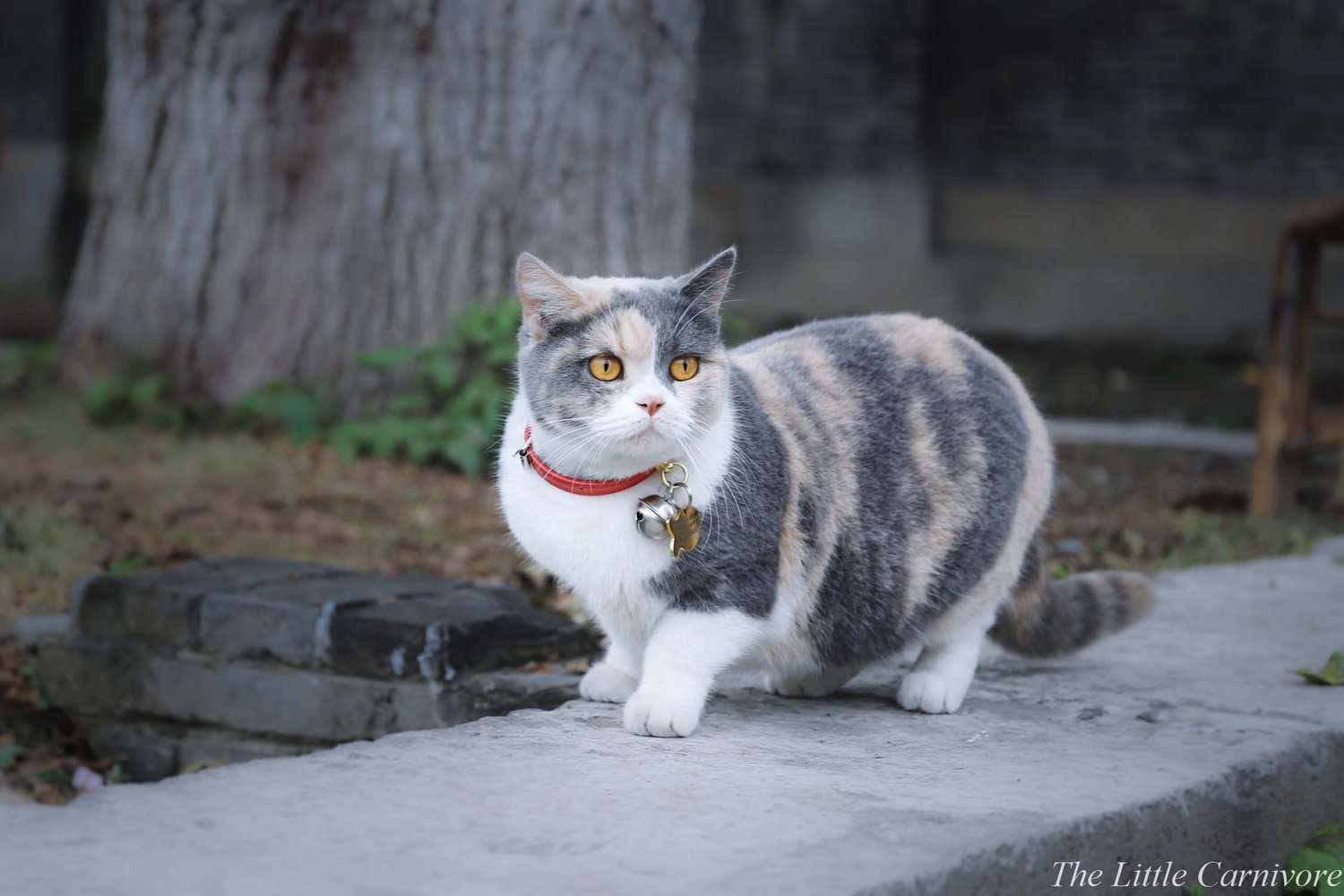
The most obvious feature of Munchkin cats is their short legs. Their legs are much shorter than those of normal cats. Despite this, their bodies remain normal-sized. They have a normal head, tail, and body shape. Their movement is different, often described as a unique, hopping walk. These features make Munchkins easily recognizable.
Health Issues Linked To Breeding
Breeding Munchkin cats often leads to serious health problems. These issues arise because breeders focus on the cat’s short legs, not their well-being. Such breeding can cause pain and suffering that last a lifetime. Understanding these health risks is important before supporting Munchkin cat breeding.
Genetic Disorders
Munchkin cats carry genes causing harmful mutations. These mutations can lead to:
- Spinal deformities
- Bone malformations
- Increased risk of arthritis
These genetic issues are passed down through generations. Many cats suffer from these problems without proper treatment. Breeding increases the chance of passing these disorders to kittens.
Mobility And Joint Problems
Short legs cause unusual stress on the cat’s joints. This leads to:
- Joint pain
- Limited movement
- Difficulty jumping or running
Many Munchkin cats develop arthritis early in life. Their mobility problems reduce their quality of life. These cats may need extra care and medical help.
Ethical Concerns In Breeding
Breeding Munchkin cats raises serious ethical issues due to health problems like spine deformities. These cats often suffer pain and limited mobility, which affects their quality of life. Supporting such breeding practices encourages animal suffering.
Ethical Concerns in Breeding Breeding munchkin cats might seem adorable at first glance, but it comes with significant ethical concerns. These concerns revolve around the welfare of the cats and the questionable practices often used in their breeding. Understanding these issues can help you make informed decisions about supporting such practices.Animal Welfare Impact
Munchkin cats are bred to have unusually short legs, which can lead to a host of health problems. Their skeletal deformities often result in joint pain and spinal issues. Imagine living with chronic pain every day; this is the reality for many munchkin cats. Breeding animals with known health issues is a serious welfare concern. It prioritizes appearance over the animal’s well-being. Would you want a pet whose very existence could mean a lifetime of suffering?Breeding Practices And Exploitation
The breeding process for munchkin cats often involves intensive and selective breeding practices. This can lead to genetic bottlenecks, increasing the risk of hereditary diseases. Is it ethical to deliberately breed animals that might suffer due to human choices? In the pursuit of profit, some breeders might exploit these cats by ignoring their health needs. They may prioritize quantity over quality of life, turning a blind eye to the suffering caused. As a potential pet owner, you have the power to choose not to support such exploitation. By understanding these ethical concerns, you can make more compassionate choices about pet ownership. Consider adopting a cat that needs a home rather than supporting breeding practices that may cause harm.
Credit: petcareshed.com.au
Behavioral And Quality Of Life Problems
Breeding Munchkin cats raises serious concerns about their behavior and overall quality of life. These cats face unique challenges that affect how they move, interact, and feel daily. Understanding these problems can help you see why supporting responsible breeding practices matters so much.
Physical Limitations
Munchkin cats have noticeably short legs due to a genetic mutation. This limits their ability to jump, climb, and run like other cats. You might notice they struggle to reach high places or play actively, which can frustrate their natural instincts.
These physical constraints often lead to other health issues. Joint problems and arthritis are common because their bodies aren’t built to support normal movement. Imagine how it feels to want to run freely but being constantly held back by your own body.
Emotional Well-being
When your cat can’t express natural behaviors, it can affect their emotional health. Munchkin cats may become anxious or depressed because they can’t explore or play as freely. This can lead to destructive behavior or withdrawal, which is heartbreaking for both you and your pet.
Think about how you would feel if your environment limited your freedom daily. Cats need mental stimulation, and physical restrictions cut off many ways they seek joy. Supporting breeding that prioritizes health ensures cats can live happy, fulfilling lives.
Alternatives To Supporting Munchkin Breeding
Choosing not to support Munchkin cat breeding is a responsible decision that reflects care for animal welfare. But what can you do instead if you love these little cats? There are meaningful alternatives that help you enjoy feline companionship without encouraging harmful breeding practices.
Adopting From Shelters
Many cats in shelters need loving homes, including those with unique appearances or special needs. By adopting, you give a cat a second chance and reduce the demand for breeding Munchkins specifically.
Imagine the joy of rescuing a cat that might have been overlooked because of its size or shape. Your choice directly saves lives and discourages breeders from prioritizing looks over health.
Have you ever considered how many cats wait quietly in shelters for someone like you? Visiting local shelters can reveal wonderful cats that fit your lifestyle perfectly.
Supporting Ethical Breeders
If you are set on getting a Munchkin cat, look for breeders who prioritize the health and well-being of their cats over appearance. Ethical breeders avoid breeding practices that cause genetic problems or health issues.
Ask breeders about health screenings, living conditions, and how they care for their cats. Transparency is a strong indicator of responsible breeding.
Would you rather support breeders who work to improve the breed’s health than those who exploit its unique traits for profit? Your support can push the industry toward better standards.
Credit: thelittlecarnivore.com
Legal And Advocacy Efforts
Legal and advocacy efforts play a vital role in protecting animals from harmful breeding practices. These efforts help stop the breeding of Munchkin cats, which often suffer from health problems due to their short legs. Laws and campaigns work together to reduce the number of cats born with genetic defects. Such actions aim to protect animal welfare and promote responsible pet ownership.
Regulations On Breeding
Many places have started to regulate the breeding of Munchkin cats. Some countries or states ban breeding cats with genetic disorders. These rules help prevent the spread of health issues in future generations. Breeders must follow strict guidelines to ensure animal welfare. Penalties for breaking these laws include fines and loss of breeding licenses. These regulations protect cats from unnecessary suffering.
Raising Awareness
Advocacy groups work hard to inform people about the risks of Munchkin cat breeding. They share facts about health problems linked to the breed. Campaigns use social media, blogs, and events to reach wide audiences. Educated buyers are less likely to support unethical breeders. Awareness helps reduce demand for Munchkin cats. This lowers the chance of harmful breeding continuing.

Credit: www.reddit.com
Frequently Asked Questions
Why Are Munchkin Cats Considered Unethical To Breed?
Munchkin cats have genetic mutations causing short legs. This trait can lead to health problems and mobility issues. Breeding them promotes these harmful genes. Ethical concerns arise due to potential pain and suffering in these cats. Avoiding their breeding supports animal welfare.
What Health Issues Do Munchkin Cats Face?
Munchkin cats often suffer from spinal problems and arthritis. Their shortened limbs can cause joint stress and mobility challenges. These health issues can reduce their quality of life. Regular cats typically do not face these genetic complications. This raises concerns about breeding Munchkin cats.
How Does Breeding Munchkin Cats Affect Animal Welfare?
Breeding Munchkin cats perpetuates genetic defects that cause pain. It compromises their mobility and overall well-being. Supporting such breeding ignores animal welfare principles. Promoting natural cat breeds encourages healthier, pain-free lives. Responsible pet ownership means avoiding harmful breeding practices.
Are Munchkin Cats Prone To Genetic Disorders?
Yes, Munchkin cats inherit a gene that shortens their legs. This gene can lead to skeletal deformities and arthritis. Genetic disorders in these cats can cause chronic pain. Avoiding breeding reduces the spread of harmful traits. This protects future generations of cats.
Conclusion
Breeding Munchkin cats causes serious health problems. Their short legs often lead to pain and mobility issues. Many suffer from spine and joint diseases. Choosing healthy cats helps prevent these problems. We must think about animal welfare first. Supporting ethical breeding practices protects all pets.
Let’s avoid encouraging harmful trends. Every cat deserves a happy, healthy life. Care for animals responsibly and kindly. Think twice before supporting Munchkin cat breeding.

Leave a Reply