
Have you noticed your cat suddenly avoiding the litter box? It can be frustrating and confusing when your furry friend stops using a place they once trusted.
You might wonder what’s causing this change and how to fix it. Understanding why your cat is doing this is key to solving the problem quickly. Keep reading, and you’ll discover the common reasons behind this behavior and simple steps you can take to help your cat feel comfortable again.

Credit: www.yahoo.com
Common Behavioral Reasons
Stress or changes in the home can cause a cat to avoid the litter box. Sometimes, conflicts with other pets or fear of the box’s location lead to this behavior. Cats may also reject the box if it is dirty or uncomfortable.
Understanding the reasons behind why a cat might stop using a litter box can be crucial in resolving the issue. Cats are creatures of habit, and any change in their behavior often signals something deeper. Let’s explore some common behavioral reasons that might cause this sudden aversion.Stress And Anxiety
Cats are sensitive creatures. Even subtle changes in your household could lead to stress or anxiety. Have you recently moved furniture, or perhaps welcomed a new family member, human or furry? Stress in cats can manifest through litter box avoidance. Try to identify recent changes and consider creating a calming environment with familiar toys or a dedicated quiet space.Territorial Marking
Is your cat marking its territory rather than using the litter box? This behavior is often seen in multi-cat households or when there’s a perceived threat from outside. Cats might choose to mark their territory to assert dominance or as a response to feeling insecure. Neutering or spaying can help reduce this behavior, but understanding your cat’s need for space and security is also key.Changes In Environment
Cats are creatures of habit, and they thrive on routine. Any changes to their environment, such as a new litter brand or the box’s location, can lead to confusion or dissatisfaction. Ensure the litter box is placed in a quiet, accessible area. Consider if the litter’s texture or scent might be off-putting. Small tweaks can make a significant difference in encouraging your cat to return to the litter box. Are you prepared to make these changes? Understanding and addressing these behavioral reasons can help restore harmony between you and your feline friend. Remember, your patience and observation are your best tools in solving the mystery of the litter box.Medical Causes
Medical issues often cause cats to stop using their litter box. Pain or discomfort can make a cat avoid its usual spot. Illnesses related to the urinary tract or kidneys are common reasons. Recognizing these signs early helps your cat get proper care quickly.
Urinary Tract Infections
Urinary tract infections (UTIs) cause pain while urinating. Cats may associate the litter box with this pain. They might urinate outside the box to avoid discomfort. Frequent attempts to urinate with little success is a warning sign. UTIs need prompt veterinary treatment to prevent worsening.
Kidney Or Bladder Issues
Kidney or bladder problems affect a cat’s ability to use the litter box. Conditions like bladder stones block urine flow. Chronic kidney disease changes urination habits. These issues cause accidents and reluctance to use the box. A vet can diagnose with tests and recommend treatment.
Pain Or Discomfort
Any pain during bathroom use can make cats avoid the litter box. Arthritis or injuries near the hips or back cause strain. Cats may find it hard to squat or climb into the box. Pain makes the box seem uncomfortable or scary. Consult your vet to address pain and improve comfort.
Litter Box Problems
Cats are very particular about their litter boxes. Small issues can make them stop using it. Problems with the litter box often cause this behavior. Understanding these problems helps fix the issue quickly.
Dirty Or Unclean Box
Cats dislike dirty litter boxes. They prefer a clean place to do their business. If the box smells bad or has too much waste, cats avoid it. Cleaning the box daily keeps cats happy. This simple step often solves litter box problems.
Type Of Litter
Cats have preferences for litter texture and smell. Some like clumping litter, others do not. Strong scents or dusty litter can scare cats away. Using unscented, soft, and low-dust litter helps. Changing litter types slowly allows cats to adjust.
Box Location And Accessibility
The litter box needs a quiet, safe spot. Loud noises or busy areas stress cats. If the box is hard to reach, cats may avoid it. Make sure the box is easy to access for all cats. A good location encourages regular use.
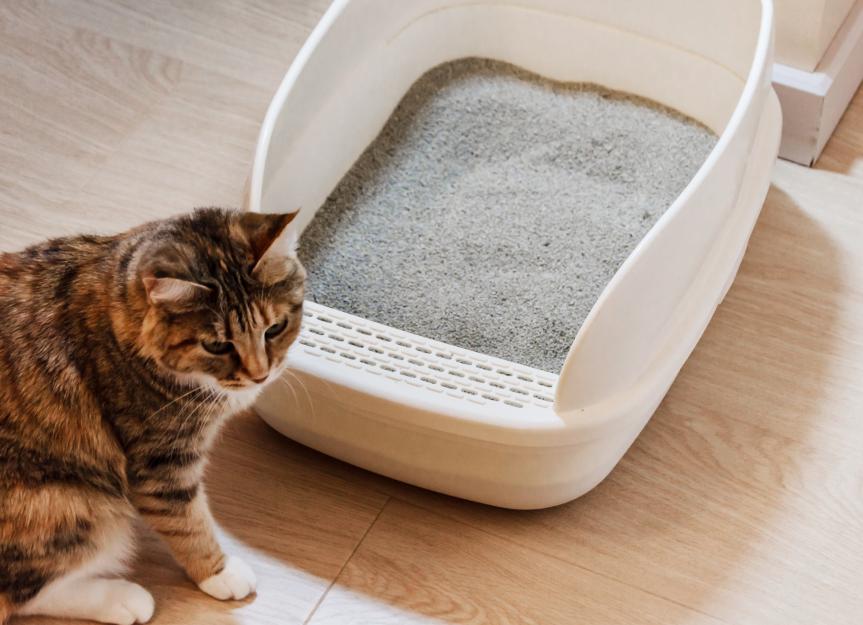
Credit: www.petmd.com
Age And Physical Limitations
As cats age, their bodies and minds change. These changes can affect how they use their litter box. Physical limitations and mental decline often cause litter box problems in older cats. Understanding these issues helps provide better care and support.
Senior Cats And Mobility
Older cats may have joint pain or arthritis. Moving to and from the litter box can become difficult. Climbing into high-sided boxes may hurt their joints. Sometimes, cats avoid the box to escape discomfort.
Limited mobility means slower movements and less balance. Cats might miss the box or choose easier spots to relieve themselves. Placing litter boxes in accessible spots helps. Low-sided boxes and ramps make a big difference.
Cognitive Decline
Just like humans, cats can suffer from cognitive decline. Memory loss and confusion make litter box use harder. Cats may forget where the box is or how to use it properly. They might also show anxiety or stress, leading to accidents.
Signs of cognitive decline include disorientation and changes in sleep patterns. Patience and gentle care are key to helping these cats. Keeping a consistent routine and environment supports their mental health.
Preventive Measures
Preventing a cat from stopping litter box use is easier than fixing the problem later. Simple steps help keep your cat comfortable and clean. These measures reduce stress and make the litter box inviting.
Maintaining Cleanliness
Clean the litter box every day. Remove waste and clumps to keep it fresh. Wash the box with mild soap once a week. Avoid strong-smelling cleaners that scare cats. A clean box encourages regular use.
Choosing The Right Litter
Select litter that matches your cat’s preference. Cats like fine, unscented clumping litter. Avoid scented or dusty types that can irritate paws or noses. Try different kinds to find the best fit. Use enough litter to cover the bottom well.
Creating A Stress-free Environment
Place the litter box in a quiet, private spot. Avoid busy or noisy areas. Provide multiple boxes for homes with many cats. Keep boxes away from food and water bowls. A calm space helps cats feel safe using the box.

Credit: www.aol.com
When To See A Vet
Knowing when to see a vet is important if your cat stops using the litter box. This behavior often signals a health problem. Early vet visits can prevent serious issues. Watch your cat closely for signs of illness or distress. Acting fast helps your cat recover more easily.
Recognizing Symptoms
- Frequent attempts to urinate with little success
- Blood in urine or stool
- Straining or crying while using the litter box
- Sudden changes in eating or drinking habits
- Excessive licking of the genital area
- Hiding or unusual aggression
These signs suggest discomfort or pain. They point to possible urinary tract infections or bladder issues. A vet can run tests to find the cause.
Urgent Medical Signs
- Complete inability to urinate
- Severe vomiting or diarrhea
- Extreme lethargy or weakness
- Rapid breathing or panting
- High fever
- Swollen abdomen
These symptoms need immediate veterinary care. They can indicate blockages or serious infections. Delaying treatment risks life-threatening conditions.
Frequently Asked Questions
Why Did My Cat Suddenly Stop Using The Litter Box?
Cats may stop using the litter box due to stress, illness, or litter box issues. Common causes include urinary tract infections, dirty litter, or changes in the environment. Identifying the root cause quickly helps resolve the problem and keeps your cat comfortable.
How Can I Encourage My Cat To Use The Litter Box Again?
Keep the litter box clean and odor-free. Use unscented, clumping litter and place the box in a quiet, accessible spot. Reward your cat with treats and praise after using the box. Consistency and patience are key to retraining your cat.
Could Health Problems Cause Litter Box Avoidance?
Yes, health issues like urinary tract infections, bladder stones, or arthritis can cause litter box avoidance. Cats in pain may associate the box with discomfort. Always consult a vet if litter box habits suddenly change to rule out medical problems.
How Often Should I Clean My Cat’s Litter Box?
Clean the litter box daily by scooping waste and wash it thoroughly with mild soap weekly. Regular cleaning prevents odors and discourages your cat from seeking alternative places to eliminate. Cleanliness is essential to maintain litter box use.
Conclusion
Cats stop using the litter box for many reasons. Health issues, stress, or dirty boxes often cause this behavior. Watch your cat closely to spot any changes. Keep the litter box clean and in a quiet place. Try different types of litter if needed.
Patience and care help your cat feel safe again. Consult a vet if problems continue. Understanding your cat’s needs is key to solving this issue. Small changes can make a big difference in their habits.

Leave a Reply