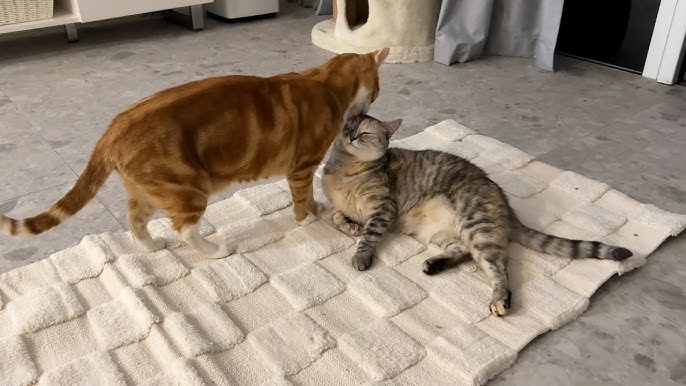
Have you ever watched your cats and wondered, “Why won’t my cats groom each other?” It’s natural to expect furry friends to share those sweet, bonding moments. But when they don’t, it can leave you feeling confused or worried.
Understanding why your cats skip this common behavior can help you strengthen their bond and keep them happy. You’ll discover the surprising reasons behind this and what you can do to encourage your cats to connect in their own special way.
Keep reading—you’ll be glad you did!
Cat Grooming Basics
Understanding the basics of cat grooming is key to figuring out why your cats might not be grooming each other. Grooming is more than just keeping clean; it’s part of how cats communicate and bond. Knowing what grooming means to cats helps you see their behavior in a clearer light.
Purpose Of Grooming
Grooming serves several important roles in a cat’s life. It keeps their fur clean and free of dirt, parasites, and loose hair. But grooming also helps regulate body temperature and stimulates blood flow.
Beyond physical care, grooming acts as a social tool. Cats often groom each other to strengthen bonds and show trust. When your cats skip mutual grooming, it might mean their relationship isn’t as close as you think.
Types Of Grooming Behavior
Cats groom themselves, other cats, and sometimes even their human companions. Self-grooming is the most common and helps maintain their own hygiene and comfort.
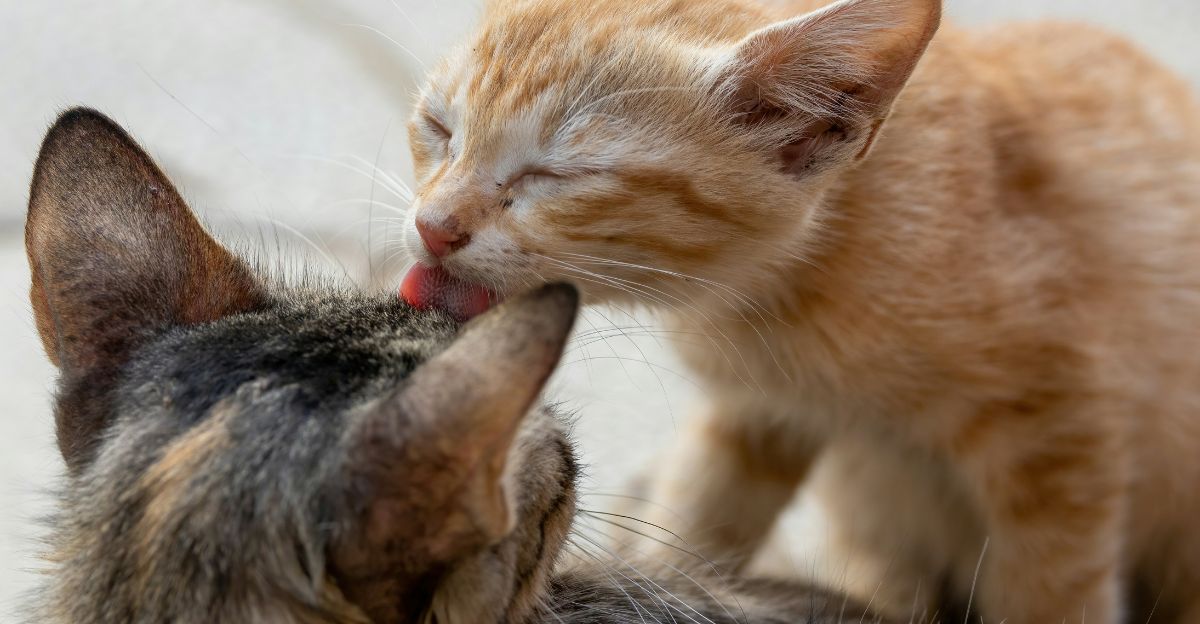
Allogrooming is when cats groom each other. It usually happens between cats that have a strong social connection. If your cats don’t engage in allogrooming, it could be due to personality differences, stress, or health issues.
- Self-grooming:Licking fur, cleaning paws and face
- Allogrooming:Grooming another cat, often on the head and neck
- Over-grooming:Excessive licking which might indicate anxiety or skin problems
Have you noticed if your cats prefer self-grooming over allogrooming? This observation can reveal a lot about their comfort level with each other.

Credit: www.youtube.com
Why Cats Groom Each Other
Understanding why cats groom each other can help you recognize the signs of their social behavior and overall well-being. Cats don’t just groom for cleanliness; their grooming habits reveal much about their relationships and health. If your cats aren’t grooming each other, it might signal something important about their bond or environment.
Bonding And Social Connection
Grooming between cats is a strong sign of friendship and trust. When cats lick each other, they are sharing a moment of closeness that helps build and maintain their social bonds.
Think about your own pets—if they groom each other, it means they feel safe and connected. This behavior can reduce stress and create a peaceful atmosphere in your home.
Do you notice if your cats groom each other more during calm, quiet times? That’s their way of showing affection and reinforcing their group harmony.
Health And Hygiene Benefits
Mutual grooming helps cats reach spots they can’t clean alone, like the back of the head or neck. This keeps their fur clean and reduces parasites like fleas.
It also encourages better circulation and skin health. When cats groom each other, they help prevent tangles and remove dirt that could cause irritation.
If your cats aren’t grooming one another, check if they have any skin issues or discomfort. Sometimes pain or illness can stop them from engaging in this important hygienic behavior.
Reasons Cats May Avoid Mutual Grooming
Cats may avoid grooming each other due to stress, illness, or lack of trust. Sometimes, they prefer grooming themselves to feel safe and comfortable. Differences in personality or social rank can also affect their willingness to share grooming.
Cats often groom each other as a sign of affection and bonding. Sometimes, they may avoid this behavior. Understanding why can help strengthen their relationship.Personality Differences
Cats, like humans, have unique personalities. Some cats are more independent. They prefer solitude over social interactions. Others may be more social but selective. Not all cats enjoy grooming each other. This can lead to a lack of mutual grooming.Territorial Behavior
Cats are territorial creatures. They may view grooming as a sign of dominance. If one cat feels threatened, it may avoid grooming. This behavior is often seen in multi-cat households. They may see each other as competition.Health Issues
Health problems can impact grooming behavior. A cat in pain may not groom itself or others. Dental issues or arthritis are common reasons. Regular vet check-ups are crucial. They ensure your cat stays healthy and comfortable.Stress And Anxiety
Stress affects a cat’s behavior. Changes in environment can cause anxiety. New pets or loud noises are common stressors. Cats may stop grooming each other when stressed. Creating a calm environment helps reduce anxiety.
Credit: www.youtube.com
Impact Of Environment On Grooming
The environment where your cats live plays a significant role in their grooming behavior. Cats often rely on comfort and security to feel relaxed enough to groom each other. If something in their surroundings causes stress or discomfort, you might notice a decline in mutual grooming.
Living Space Setup
Your cats’ living space should feel safe and inviting. Crowded or noisy areas can make cats anxious, reducing their willingness to groom one another. Consider creating quiet, cozy corners where your cats can retreat and bond without interruptions.
Think about the arrangement of their beds, litter boxes, and feeding stations. If these essentials are too close together or in high-traffic zones, cats might feel territorial rather than cooperative. Have you noticed your cats avoiding each other in certain parts of your home?
Presence Of Other Pets
Other pets in the house can influence your cats’ grooming habits. Dogs or new animals might cause your cats to feel uneasy, which lowers their interest in social grooming. Even subtle tension between pets can create an atmosphere where cats prioritize self-protection over bonding.
Watch how your cats react to other animals nearby. If one pet dominates or scares the others, grooming might stop altogether. Could adjusting how you introduce and manage your pets help your cats feel more connected?
How To Encourage Mutual Grooming
Encouraging your cats to groom each other can deepen their bond and improve their overall happiness. Mutual grooming is a sign of trust and friendship among cats, but not all cats take to it naturally. Understanding how to foster this behavior can make a big difference in their relationship.
Improving Cat Relationships
Your cats need a strong social connection before they feel comfortable grooming each other. Spend time together observing their interactions—do they play or rest near each other? If not, help them build trust through shared activities like gentle play or feeding treats side by side.
Introducing new cats slowly can prevent tension. Give them separate spaces at first and allow them to sniff each other’s scent through a door or bedding. This gradual approach reduces stress and makes mutual grooming more likely over time.
Creating A Comfortable Environment
Cats only groom each other when they feel safe and relaxed. Provide cozy, quiet spots where they can rest together without interruptions. A warm blanket or a shared perch can encourage them to get close enough to start grooming.
Make sure there are enough resources for all cats, such as litter boxes, food bowls, and water stations. Competition over essentials can create stress, blocking affectionate behaviors like mutual grooming.
Using Positive Reinforcement
Reward any signs of friendly behavior between your cats with treats or gentle praise. If you see them sniffing or sitting close, offer a small reward to encourage those moments. This helps them associate being near each other with positive experiences.
Try brushing your cats together if they tolerate it. This shared activity can mimic grooming and make them more open to grooming each other later. Have you noticed your cats respond better when you involve them both in a calm routine?
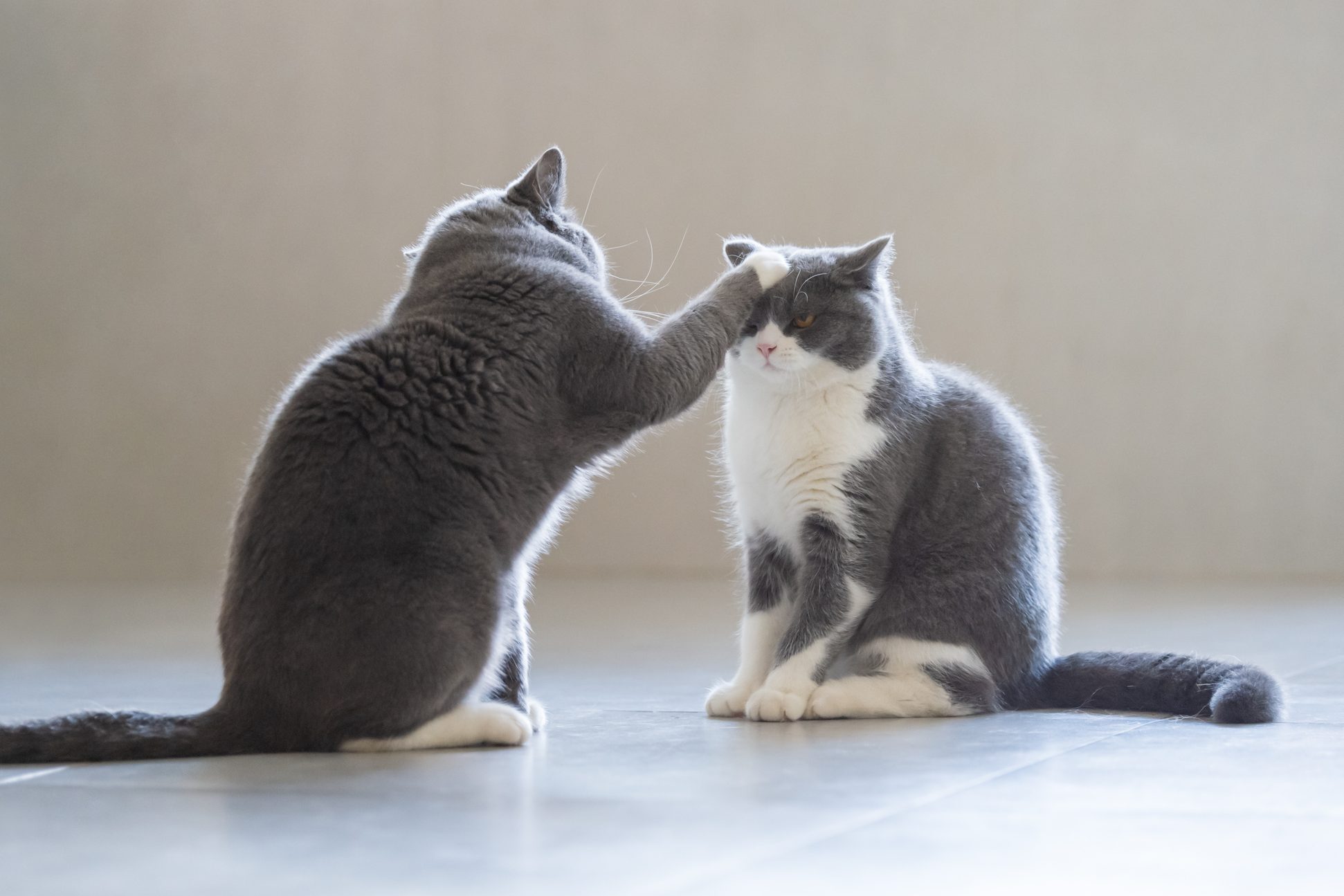
Credit: www.rd.com
When To Consult A Veterinarian
Knowing when to seek veterinary advice is key for your cats’ health. Cats often groom each other to show care and keep clean. A sudden stop in this behavior can signal problems.
Ignoring these signs may worsen health or cause stress. A vet can find hidden issues and suggest treatments. Watch your cats closely and act if you see unusual changes.
Signs Of Medical Problems
- One cat stops grooming or appears unwell
- Visible wounds or skin irritation on either cat
- Sudden weight loss or gain in any cat
- Excessive scratching or licking themselves
- Changes in eating or drinking habits
- Unusual lethargy or hiding behavior
These signs can mean pain or illness. Some medical issues cause discomfort during grooming. A vet exam can find infections, allergies, or dental problems.
Behavioral Concerns
- New cats introduced to the home
- Sudden aggressive or fearful behavior
- Changes in household routine or environment
- Signs of stress like urine marking or hiding
- One cat dominating or bullying the other
Behavioral issues can stop mutual grooming. Stress and fear affect cat interactions deeply. A vet can recommend behavior therapy or calming aids.
Frequently Asked Questions
Why Won’t My Cats Groom Each Other?
Cats may not groom each other due to lack of bonding or social hierarchy. Stress, illness, or unfamiliarity can also stop mutual grooming. Each cat has unique preferences, and some prefer solo grooming over social interaction.
Can Stress Affect Cats’ Grooming Behavior?
Yes, stress can reduce grooming between cats. Stressful changes like new pets, moving, or loud noises make cats anxious. Anxious cats often avoid social grooming as it requires trust and relaxation.
Does Illness Stop Cats From Grooming Each Other?
Illness can make cats less social and reduce grooming. Pain or discomfort may cause a cat to avoid close contact. If grooming stops suddenly, check for health issues or visit a vet.
Do Cats Always Groom Their Littermates?
No, not all cats groom littermates. Grooming depends on social bonds and comfort levels. Some cats prefer grooming only family members, while others may not engage in mutual grooming at all.
Conclusion
Cats may not groom each other for many reasons. Sometimes, they just prefer to be clean on their own. Stress, illness, or lack of bonding can stop grooming. Each cat has its own personality and habits. Watching their behavior helps understand their needs better.
Patience and gentle care can improve their relationship. Giving them space and time often helps them connect. Remember, every cat is different and unique. Keep observing, caring, and loving your cats daily. They will show affection in their own way.

Leave a Reply