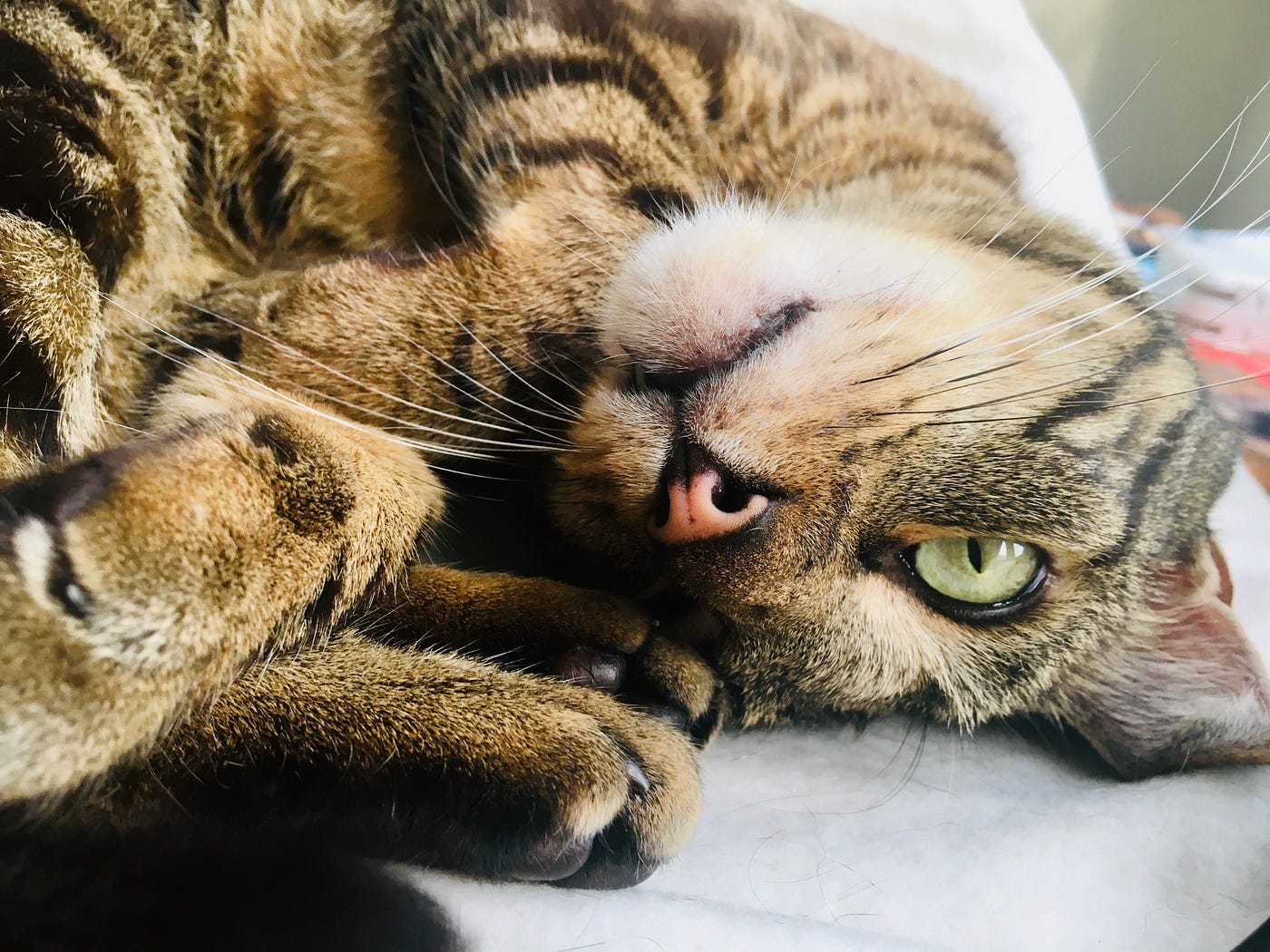
Is your cat ignoring the toys you bought with so much hope? You’re not alone.
It’s frustrating when your furry friend just won’t play, leaving you wondering if something’s wrong. But don’t worry—there are simple reasons behind this behavior, and understanding them can help you reconnect with your cat’s playful side. Keep reading to discover why your cat isn’t interested in toys and how you can spark that playful spark again.
Common Reasons Cats Ignore Toys
It can be puzzling when your cat shows zero interest in toys that usually excite other felines. Understanding why your cat ignores toys helps you find better ways to engage them. Let’s look at common reasons behind this behavior.
Lack Of Interest Or Boredom
Some cats simply don’t find certain toys stimulating. If your cat has played with the same toys for a long time, they might get bored. Try rotating toys regularly or introducing new textures and sounds to spark curiosity.
Have you noticed your cat watching birds or insects more than toys? This could mean they prefer natural movement over artificial playthings. Experiment with toys that mimic real prey, like feather wands or laser pointers, to catch their attention.
Health Issues Affecting Play
Sometimes, a lack of interest in toys signals a health problem. Pain or discomfort from arthritis, dental issues, or illness can reduce your cat’s desire to play. Observe any other signs like lethargy or eating changes and consult your vet if concerned.
Even subtle health issues can make your cat less active. I once noticed my usually playful cat ignoring toys, only to discover she had an ear infection. Treating her health problem brought back her playful spirit almost immediately.
Age And Energy Levels
Age greatly affects how your cat plays. Kittens and young cats often have bursts of energy, making them more inclined to chase toys. Older cats may prefer shorter, gentler play sessions or none at all.
Adjust your expectations based on your cat’s age. Instead of forcing long playtimes, offer brief interactive moments that suit their current energy. You might find that your senior cat enjoys soft, slow-moving toys more than fast, noisy ones.
Environmental Factors Impacting Play
Environmental factors play a huge role in whether your cat feels like playing or not. Cats are sensitive creatures, and their surroundings can either encourage their natural curiosity or make them retreat into inactivity. Understanding these factors can help you create a space that invites your cat to engage with toys and enjoy playtime again.
Stress And Anxiety
Stress can shut down your cat’s playful side quickly. Loud noises, unfamiliar visitors, or changes in routine can make your cat anxious and unwilling to interact with toys.
Have you noticed your cat hiding or acting restless? These are signs of stress that can block their desire to play. Try to identify and reduce stress triggers, like creating a quiet retreat or using calming sprays, to help your cat feel secure enough to enjoy their toys.
Inadequate Space Or Setup
Your cat needs enough room to move and explore their toys comfortably. A cramped or cluttered area can discourage play, making toys less appealing.
Think about whether your cat’s play area allows them to chase, pounce, and bat toys around. Sometimes, simply moving a toy to a more open spot or adding a cozy perch nearby can transform playtime.
Presence Of Other Pets
Other pets in the home can affect your cat’s willingness to play. Some cats may feel intimidated or distracted by another animal’s presence, especially if they aren’t fully comfortable with each other yet.
Observe how your cat behaves around other pets during play. Separating play sessions or supervising interactions can help your cat feel safer and more focused on their toys.
Toy-related Causes
Cats often refuse to play with toys due to various toy-related causes. Understanding these can help rekindle their playful spirit. Let’s explore some potential reasons why your cat might ignore toys.
Unappealing Toy Types
Some toys might not interest your cat. Cats have unique preferences. They might prefer toys that mimic prey. Toys without movement or sound may not catch their attention. Opt for toys that resemble birds or mice. Feathery or squeaky toys often intrigue cats. Experiment with different textures and materials.
Worn Out Or Dirty Toys
Old or dirty toys can deter cats. Cats have a keen sense of smell. They may avoid toys with unfamiliar or stale scents. Regularly clean toys to maintain their appeal. Replace worn-out toys to keep them engaging. Fresh toys often excite cats.
Lack Of Variety
Offering the same toys repeatedly can bore cats. Variety keeps their interest alive. Rotate toys weekly to provide new experiences. Introduce different types of toys. Interactive toys can stimulate their curiosity. Puzzle toys engage their mind and body.
:strip_icc()/spruce-pets-is-cat-tv-bad-017dba2c722e441596b2da9aca328616.png)
Credit: www.thesprucepets.com
How To Encourage Playfulness
Encouraging your cat to play can improve their mood and health. Play helps reduce stress and keeps cats active. Some cats may need a little push to enjoy toys. Small changes can make playtime more fun for your cat.
Choosing The Right Toys
Select toys that match your cat’s natural hunting skills. Cats love toys that move or make noise. Soft balls, feather wands, and laser pointers often work well. Try different textures and sizes to find what your cat likes. Avoid toys that are too big or small to prevent frustration.
Interactive Play Techniques
Use toys to mimic real prey movements. Move toys slowly, then quickly, to catch your cat’s attention. Let your cat catch the toy sometimes to keep them interested. Try short play sessions several times a day. Use your voice softly to encourage your cat during play.
Creating A Stimulating Environment
Provide spaces where your cat can explore and hide. Place toys in different rooms to spark curiosity. Rotate toys regularly to keep them exciting. Add scratching posts and climbing trees for exercise and fun. Bright natural light and fresh air also help boost activity.
When To Consult A Veterinarian
Knowing when to consult a veterinarian is crucial if your cat suddenly stops playing with toys. Play is a key part of a cat’s health and happiness, so a change in this behavior can signal deeper issues. Watching for specific signs can help you decide if a vet visit is necessary.
Signs Of Medical Concerns
If your cat shows any signs of pain, such as limping or sensitivity when touched, it’s time to seek veterinary advice. Notice if your cat has difficulty moving or if there’s a sudden drop in energy levels. Loss of appetite or unusual grooming habits can also point to health problems affecting their willingness to play.
Sometimes, illnesses like arthritis or dental pain make playing uncomfortable. Cats might hide or rest more than usual. These changes are subtle but important to catch early.
Behavioral Changes To Watch For
Besides physical symptoms, behavioral shifts can reveal issues. Is your cat suddenly more withdrawn or aggressive? Changes in sleep patterns or increased vocalization might indicate stress or anxiety.
Reflect on recent changes in your cat’s environment or routine. Could a new pet or loud noises be causing fear? If your cat’s mood shifts alongside a loss of interest in toys, a vet can help figure out if behavior therapy or medical treatment is needed.

Credit: www.youtube.com

Credit: caticles.com
Frequently Asked Questions
Why Won’t My Cat Play With New Toys?
Cats may ignore new toys due to unfamiliarity or lack of interest. Introduce toys gradually and use interactive play. Choose toys that mimic prey movements to attract their attention. Sometimes, boredom or stress can also affect play behavior.
Can Health Issues Stop Cats From Playing?
Yes, health problems like arthritis or dental pain can reduce playfulness. If your cat suddenly stops playing, consult a vet. Regular check-ups help detect issues early. Treating health problems often restores your cat’s desire to play and stay active.
Does Age Affect A Cat’s Play Behavior?
Older cats tend to play less due to decreased energy and mobility. Kittens and young cats are naturally more playful. Provide age-appropriate toys and gentle play sessions. Encouraging play helps maintain your cat’s physical and mental health at any age.
How Can I Make Toys More Appealing To My Cat?
Use toys with feathers, bells, or catnip to stimulate interest. Move toys in unpredictable ways to mimic prey behavior. Rotate toys regularly to avoid boredom. Engaging your cat during playtime strengthens your bond and encourages consistent activity.
Conclusion
Cats have different reasons for not playing with toys. Sometimes they feel tired or scared. Other times, they prefer other activities. Try new toys or change play times. Watch what your cat likes and enjoys. Patience helps your cat feel safe and happy.
Play should be fun, not forced. Keep trying gently and see what happens. Your cat’s mood will guide you best. Play can strengthen your bond and keep your cat healthy. Stay calm and enjoy small moments together.

Leave a Reply