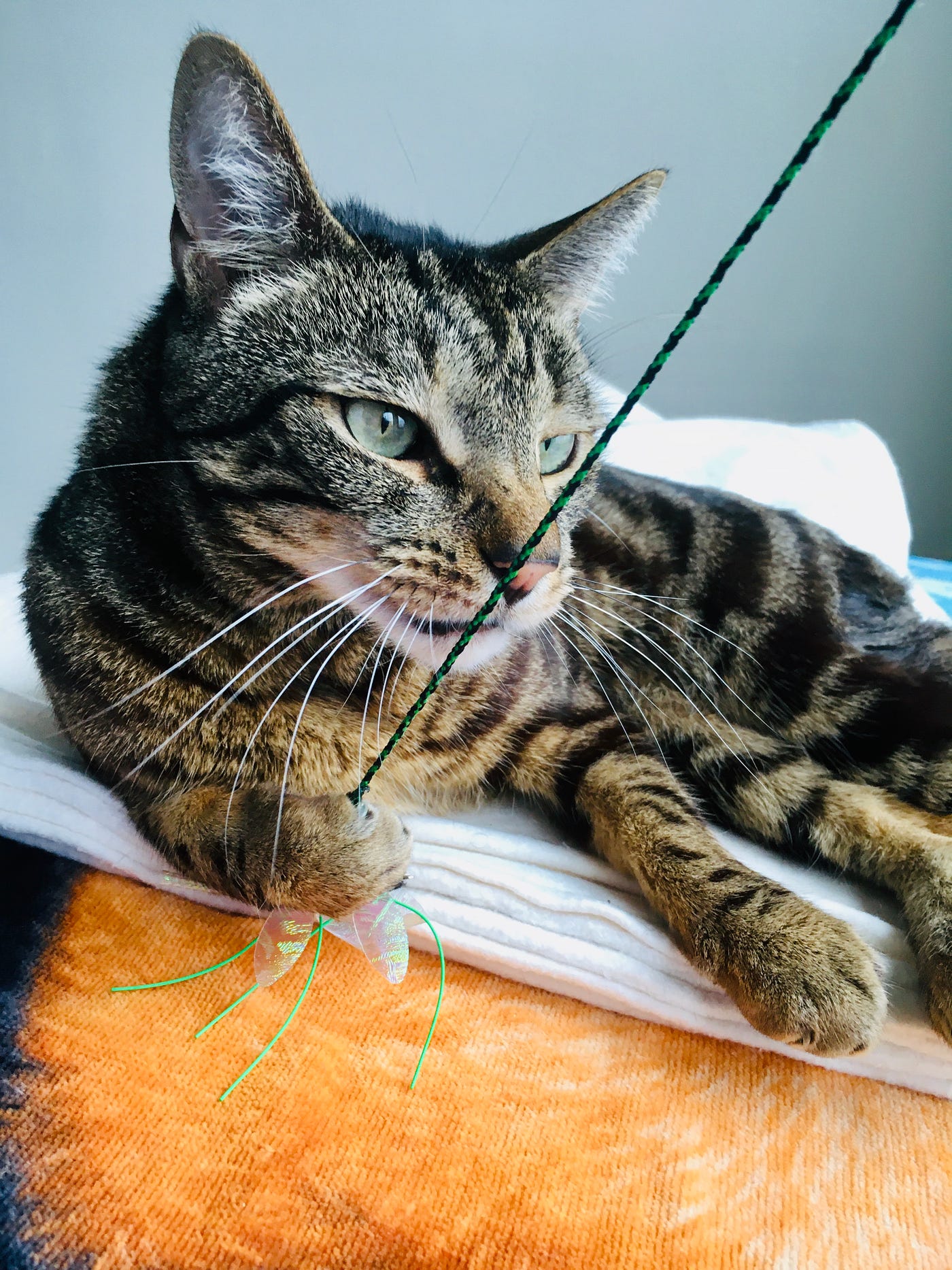
Have you noticed your cat ignoring his toys lately? It can be confusing and even a little worrying when your playful friend suddenly loses interest in the things that once made him happy.
You might wonder if something is wrong or if your cat is just bored. Understanding why your cat won’t play with his toys anymore can help you bring back that spark and keep him active and healthy. Keep reading to discover the surprising reasons behind this change and how you can make playtime fun again for your furry companion.
:strip_icc()/kittenandshoe-GettyImages-532112084-40dbe91379b74c2bad654faf6292f505.jpeg)
Credit: www.thesprucepets.com
Changes In Cat Behavior
Cats are creatures of habit, but their behavior can change over time. A cat that once eagerly played with toys may suddenly lose interest. Changes in cat behavior often signal shifts in mood, health, or environment. Understanding these shifts helps you respond better to your pet’s needs.
Signs Of Boredom Or Stress
Boredom or stress can cause a cat to ignore toys. Watch for these signs:
- Less activity or hiding more often
- Avoiding interaction with people or other pets
- Excessive grooming or scratching
- Changes in eating or sleeping patterns
Stress can come from new places, loud noises, or changes in routine. Boredom happens when a cat lacks stimulation. Both reduce interest in play.
Impact Of Aging On Playfulness
As cats grow older, their energy levels drop. Senior cats play less because:
- Joints and muscles may hurt
- Reduced eyesight or hearing
- Lower stamina and slower reflexes
- More time spent resting
Older cats may prefer gentle interaction over active play. Adjust toys to softer, easier-to-chase types. Respect their pace and enjoy quiet bonding moments.

Credit: medium.com
Health Issues Affecting Play
Health problems can stop your cat from playing with toys. Cats often hide pain or illness, so changes in behavior might be the first sign. Watching your cat closely can help you notice these changes early.
Illness can drain your cat’s energy. This makes play less interesting. Sometimes, cats feel too weak or uncomfortable to move around as before.
Common Medical Conditions
- Arthritis causes joint pain and stiffness.
- Dental disease makes chewing and biting painful.
- Respiratory infections reduce energy and breathing ease.
- Kidney problems can cause fatigue and weakness.
- Thyroid issues affect metabolism and activity levels.
These conditions often reduce a cat’s desire to play. Early vet visits can help diagnose and treat them.
Pain And Discomfort Factors
Pain is a major reason cats stop playing. Injuries, infections, or internal problems cause discomfort.
Even small wounds or irritations can affect mood and activity. Cats might avoid toys that require jumping or quick moves.
Watch for signs like limping, hiding, or reduced grooming. These can mean your cat feels pain. Helping your cat feel better can bring back playtime joy.
Environmental Influences
Understanding why your cat might lose interest in toys involves looking at environmental influences. Changes in the home can affect a cat’s play behavior. Cats, being creatures of habit, may react to new surroundings and dynamics. Let’s explore some key factors.
Changes In Household Dynamics
Household changes can disrupt a cat’s routine. A new baby, a partner moving in, or someone leaving can affect a cat’s behavior. Cats may feel stressed or anxious with these changes. This stress can lead to a lack of interest in toys.
Try maintaining a consistent routine. Feed and play with your cat at the same times each day. This consistency helps them feel secure and more likely to engage in play.
Impact Of New Pets Or People
New pets or people in the home can be overwhelming for cats. A new pet might be seen as a threat or competition. This can cause your cat to withdraw and stop playing.
Introducing new pets slowly can help. Allow your cat to explore the new presence at their own pace. Make sure each pet has its own space. This reduces competition and stress.
New people in the home can also be unsettling. Cats may need time to adjust to new scents and sounds. Encourage positive interactions between your cat and new individuals. Use treats or toys to make these interactions rewarding.
Toy-related Factors
Toy-related factors often cause a cat to lose interest in playing. Cats rely on toys to stimulate their natural hunting instincts. When toys become less appealing, playtime fades. Understanding these factors helps bring back the fun.
Toy Wear And Tear
Toys get worn out from regular use. Frayed edges, missing parts, or faded colors can make toys less exciting. Cats notice these changes and may avoid damaged toys. Old toys might lose their texture and scent, which cats use to decide if a toy is worth attention.
Check toys regularly for damage. Replace or repair toys to keep them interesting. New textures and smells keep cats curious and ready to play.
Lack Of Toy Variety
Cats get bored with the same toys over time. Playing with one type of toy repeatedly reduces excitement. They need different shapes, sizes, and movements to stay engaged.
Offer a mix of toys such as:
- Feather wands
- Laser pointers
- Soft balls
- Interactive puzzles
Rotating toys every few days can keep playtime fresh. Variety sparks a cat’s curiosity and encourages active play.
Improving Play Engagement
Watching your cat lose interest in toys can be puzzling and a bit frustrating. Improving play engagement is all about sparking curiosity and excitement again. Small changes can make a big difference in how your cat interacts with their toys and environment.
Introducing New Toys And Games
Try swapping out old toys for new ones with different textures, shapes, or sounds. Cats often crave novelty, so rotating toys weekly keeps things fresh and interesting. You might notice your cat prefers toys that mimic prey, like feather wands or small, noisy balls.
Consider games that encourage hunting instincts, such as hiding treats inside puzzle toys. This not only entertains your cat but also provides mental stimulation. Have you tried interactive laser pointers or apps designed for cats? These can ignite playful energy in unexpected ways.
Creating Stimulating Environments
Your cat’s surroundings impact their desire to play. Add vertical spaces like shelves or cat trees to encourage climbing and exploration. Window perches can provide visual stimulation from outside, offering natural entertainment.
Change up the layout occasionally to keep the environment engaging. Even simple additions like crumpled paper balls or cardboard boxes can turn into exciting playgrounds. Have you noticed how your cat reacts differently to various areas of your home?
Routine And Interaction Tips
Establish a consistent playtime routine to build anticipation and excitement. Short, frequent sessions work better than long, infrequent ones. Engaging directly with your cat during play strengthens your bond and keeps them motivated.
Use positive reinforcement like treats or gentle praise to reward playful behavior. Pay attention to your cat’s mood and energy levels to avoid pushing them when they’re not interested. How often do you set aside time just to play with your cat?
:strip_icc()/GettyImages-475355341-7acb7b34374e4afa94e9a3006389080a.jpg)
Credit: www.thesprucepets.com
Frequently Asked Questions
Why Has My Cat Suddenly Stopped Playing With Toys?
Cats may lose interest due to boredom, health issues, or stress. Check for pain, illness, or environmental changes. Offer new toys and interactive play to rekindle their interest and keep them engaged.
Can Age Affect My Cat’s Toy-playing Habits?
Yes, older cats often play less due to reduced energy and joint pain. Provide gentle, soft toys and shorter play sessions to accommodate their needs and encourage activity.
How Can I Make Toys More Appealing For My Cat?
Use toys that mimic prey movements and add catnip for extra attraction. Rotate toys regularly to maintain novelty and stimulate your cat’s natural hunting instincts.
Could My Cat’s Health Impact Its Play Behavior?
Yes, illnesses like arthritis or dental issues can reduce playfulness. Consult a vet to rule out medical problems and ensure your cat is healthy and comfortable.
Conclusion
Cats can stop playing for many reasons. They may feel bored or tired. Sometimes, health issues or stress affect their mood. Changing toys or creating new play routines helps. Give your cat time and gentle encouragement. Watch their behavior and enjoy quiet moments together.
Remember, patience is key to bringing back fun. Every cat is unique and needs love. Keep trying different ways to spark interest. Playtime can return with care and attention.

Leave a Reply