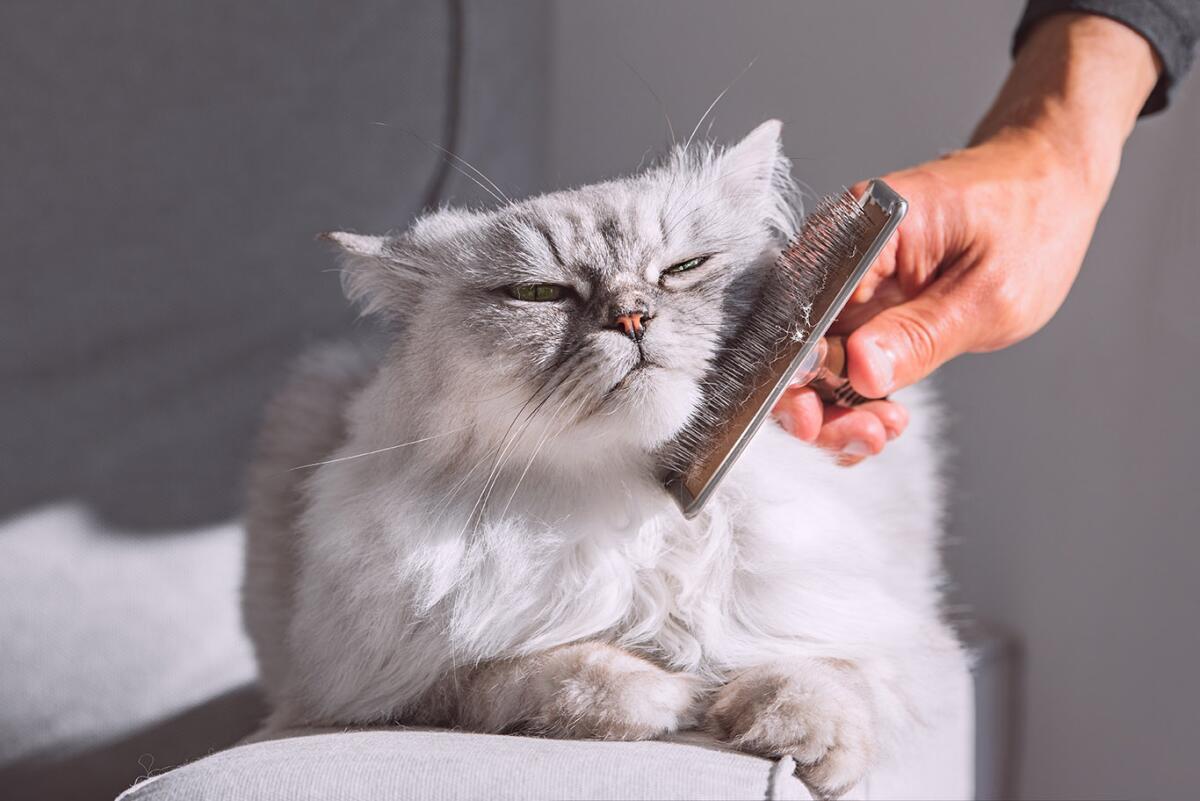
Have you ever wondered why grooming your cat is so important? You might think cats take care of themselves, but regular grooming does much more than just keep their fur clean.
It helps your cat stay healthy, feel comfortable, and even strengthens the bond between you two. If you want your furry friend to be happy and shine with good health, understanding the true benefits of grooming is a must. Keep reading to discover why grooming your cat should become a part of your daily routine—and how it can make a big difference in your cat’s life.

Credit: danspetcare.com
Benefits Of Regular Grooming
Regular grooming offers more than just a clean and pretty cat. It plays a crucial role in keeping your feline friend healthy and comfortable every day. Understanding these benefits might change how you see grooming and encourage you to make it a consistent part of your pet care routine.
Improved Coat Health
Grooming helps remove dirt, debris, and loose fur from your cat’s coat. This keeps their fur shiny and smooth, which many cat owners notice makes their pet look happier and healthier. I once started brushing my cat daily, and within weeks, his coat went from dull to glossy—an instant sign of better health.
Regular brushing also distributes natural oils evenly across the skin, preventing dryness and irritation. This can reduce itching and discomfort, making your cat more relaxed and affectionate.
Reduced Shedding And Hairballs
Shedding can be a big problem in your home, especially if your cat has long fur. Grooming cuts down on loose hairs before they fall off around your furniture and clothes. Have you ever found clumps of hair everywhere and wondered how to stop it? Regular grooming is your answer.
Less loose fur also means fewer hairballs, which happen when cats swallow too much fur during self-grooming. Hairballs can cause digestive issues or discomfort, so reducing them keeps your cat happier and healthier.
Early Detection Of Health Issues
Spending time grooming your cat gives you a chance to check for unusual bumps, skin problems, or parasites. I once found a small lump on my cat during a routine grooming session, which led to early treatment. Catching issues early can save your cat from serious health problems later.
Regular grooming sessions also allow you to notice changes in your cat’s body or behavior, giving you valuable insights to share with your vet. Can you think of a time you spotted something off about your pet before a vet visit? Grooming is often when this happens.
Key Grooming Tools
Grooming your cat is easier with the right tools. These items help keep your cat clean and healthy. Good grooming tools make the process smooth and comfortable. They also protect your cat’s skin and coat. Below are the key tools every cat owner should have.
Choosing The Right Brush
Select a brush based on your cat’s fur type. Short-haired cats do well with bristle brushes. Long-haired cats need slicker brushes or combs. Brushes remove loose fur and prevent mats. They also reduce shedding and hairballs.
Nail Clippers And Trimmers
Regular nail care prevents scratches and injury. Use nail clippers made for cats. They offer better control and safety. Trim nails carefully to avoid hurting the quick. Nail trimmers keep claws short and neat.
Ear And Eye Care Supplies
Clean ears and eyes to avoid infections. Use gentle wipes or cotton balls. Never insert anything deep into the ear canal. Eye wipes help remove discharge and dirt. These supplies keep your cat comfortable and healthy.
Step-by-step Grooming Routine
Grooming your cat is more than just maintaining their appearance; it’s an essential part of their health and wellbeing. It strengthens your bond and helps in early detection of potential health issues. Let’s walk through a step-by-step grooming routine to keep your feline friend happy and healthy.
Brushing Techniques
Brushing your cat is vital to remove loose hair and prevent matting. Start by choosing a brush suitable for your cat’s fur type. For short-haired cats, a bristle brush works well, while long-haired cats benefit from a slicker brush.
Brush gently in the direction of the fur, starting from the head and moving towards the tail. Pay extra attention to areas prone to matting, like the belly and behind the ears. If your cat is not used to brushing, begin with short sessions and offer treats for positive reinforcement.
Bathing Tips For Cats
Bathing a cat is not always necessary, but sometimes it’s unavoidable. Use a cat-specific shampoo, as human products can irritate their skin. Fill the tub with just a few inches of lukewarm water.
Gently wet your cat’s fur using a cup or handheld sprayer. Apply shampoo and lather, avoiding the face and ears. Rinse thoroughly to ensure no residue is left, and use a towel to dry them promptly.
Nail Trimming Guidelines
Keeping your cat’s nails trimmed helps prevent painful breaks and reduces damage to furniture. Use a pair of cat nail clippers for precision. Hold your cat securely, and press the paw gently to extend the nails.
Trim only the sharp tip of the nail, avoiding the pink area known as the quick. If you’re unsure, trim just a small amount and observe your cat’s comfort level. Reward them with a treat to make the experience positive.
Do you have any unique tips for grooming your cat? Share them with us in the comments!

Credit: www.latimes.com
Handling Common Grooming Challenges
Handling common grooming challenges can make a big difference in your cat’s comfort and your own stress levels. Grooming isn’t always smooth sailing, especially if your cat resists or has specific issues like matted fur. Understanding how to tackle these challenges will help you keep your cat healthy and happy without turning grooming into a battle.
Dealing With Aggressive Behavior
Some cats become aggressive during grooming because they feel threatened or uncomfortable. Try to spot early signs like growling, hissing, or swatting before they escalate. Use a calm voice and gentle touch to ease their anxiety.
Breaking grooming into short, frequent sessions often works better than one long session. You might also try using treats or toys to distract your cat and create positive associations. Have you noticed specific triggers that upset your cat during grooming? Avoiding those can reduce aggression significantly.
Managing Matted Fur
Matted fur can be painful for cats and hard to remove if left too long. Start by gently working on small mats with a wide-tooth comb before they tighten. If the mat is too dense, use blunt-tipped scissors carefully or seek professional help to avoid injury.
Prevention is key—regular brushing helps stop mats from forming. Pay special attention to areas like behind the ears and under the legs where mats tend to develop. Have you checked your cat’s fur after play or outdoor time? That’s often when mats begin.
Keeping Cats Calm During Grooming
Keeping your cat calm is essential for successful grooming. Create a quiet, comfortable space without distractions where your cat feels safe. Soft music or pheromone sprays can also help reduce stress.
Start grooming when your cat is relaxed, such as after a nap or meal. Speak softly and stroke your cat gently before brushing to build trust. What small changes could you make in your grooming routine to keep your cat more relaxed?
Grooming For Different Cat Breeds
Grooming needs vary widely between cat breeds. Understanding these differences helps you keep your cat comfortable and healthy. Let’s look at how grooming changes based on your cat’s coat type and special needs.
Short-haired Cats
Short-haired cats usually require less grooming, but they still benefit from regular brushing. This helps remove loose fur and reduces shedding around your home. Brushing once or twice a week keeps their coat shiny and skin healthy.
Pay attention to areas where mats can form, like under the collar or behind the ears. You might be surprised how a quick grooming session can strengthen your bond with your cat. Have you noticed your short-haired cat’s mood improve after a good brush?
Long-haired Cats
Long-haired cats need more frequent grooming to prevent tangles and mats. Daily brushing is often necessary to keep their fur smooth and free of knots. Mats can cause pain and skin problems if left untreated.
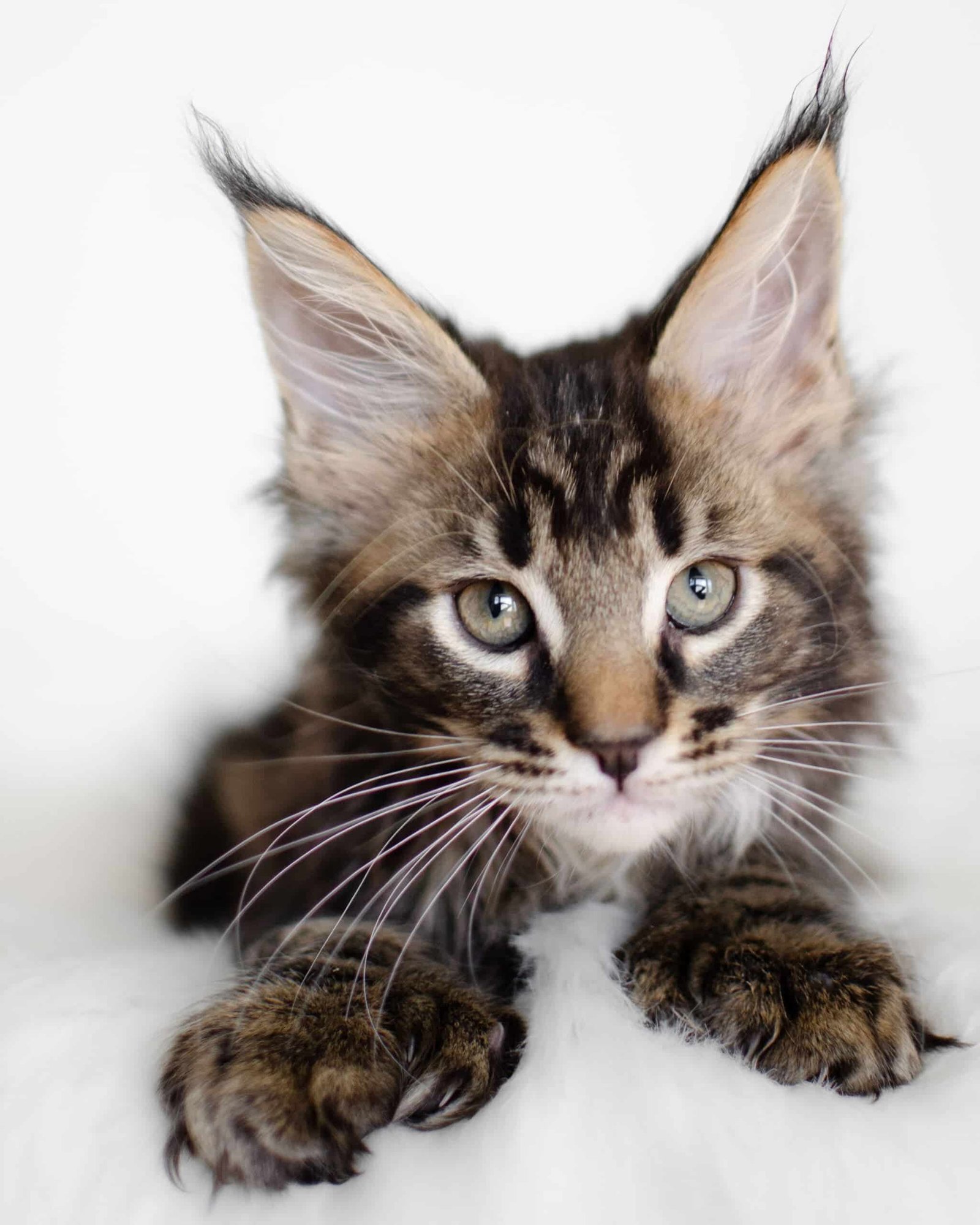
Using the right tools, like a wide-toothed comb and a slicker brush, makes a big difference. Long-haired breeds like Persians and Maine Coons require patience and gentle handling during grooming. Have you tried different brushes to find what your cat prefers?
Special Needs Breeds
Some breeds have unique grooming requirements beyond coat length. For example, Sphynx cats need regular baths to remove skin oils since they have little to no fur. Scottish Folds may require ear cleaning due to their folded ear structure.
Understanding your breed’s specific needs helps avoid common health issues. Don’t hesitate to ask your vet for breed-specific grooming tips. What special care does your cat’s breed need that you hadn’t considered before?

Credit: www.angiesmobilepetstyling.com
Health Benefits Beyond Appearance
Grooming your cat goes far beyond just keeping them looking neat. It plays a vital role in maintaining their overall health and well-being. By regularly grooming your feline friend, you can help prevent serious health issues and strengthen your connection with them.
Preventing Parasites
Regular brushing and checking your cat’s fur helps spot parasites like fleas and ticks early. These pests can cause discomfort and lead to infections or allergic reactions if left untreated. Grooming allows you to remove dirt and debris where parasites might hide, reducing the risk of infestations.
Have you ever found tiny black specks in your cat’s fur? Those could be flea dirt—early detection means quicker action and less stress for your pet.
Supporting Skin Health
Grooming stimulates natural oils in your cat’s skin, which keeps their coat shiny and healthy. It also helps remove dead skin cells and prevents matting that can cause painful skin irritation. If your cat scratches more than usual, grooming can help you identify underlying skin problems before they worsen.
Think about how a smooth, untangled coat feels to your cat—regular grooming keeps their skin comfortable and less prone to infections.
Boosting Bonding And Trust
Grooming is a quiet, focused time to build trust with your cat. It shows your care and attention, which can deepen your bond. Cats often purr or relax during grooming sessions, signaling their comfort and happiness.
Consider setting aside a few minutes daily to groom your cat—this simple act can make your relationship stronger and more rewarding for both of you.
Frequently Asked Questions
Why Is Regular Cat Grooming Important?
Regular grooming keeps your cat’s coat clean, healthy, and reduces shedding. It also prevents matting and skin issues, promoting overall well-being and comfort for your cat.
How Often Should I Groom My Cat?
Most cats benefit from grooming once or twice a week. Long-haired cats may need daily grooming, while short-haired cats require less frequent brushing.
Can Grooming Reduce Cat Hairballs?
Yes, grooming removes loose fur before your cat swallows it. This reduces hairballs, improving digestion and preventing discomfort or potential blockages.
What Tools Are Best For Grooming Cats?
Use a soft-bristle brush for short hair and a wide-toothed comb for long hair. Nail clippers and grooming wipes also help maintain hygiene.
Conclusion
Grooming your cat keeps its coat clean and healthy. It also helps reduce hairballs and shedding. Regular grooming lets you spot health problems early. Cats enjoy the gentle touch and attention. It strengthens the bond between you and your pet.
Simple grooming habits make your cat happier and healthier. Taking time to groom shows you care. Small efforts lead to big benefits for your cat’s well-being. Try to make grooming a fun and calm routine. Your cat will thank you with love and purrs.

Leave a Reply