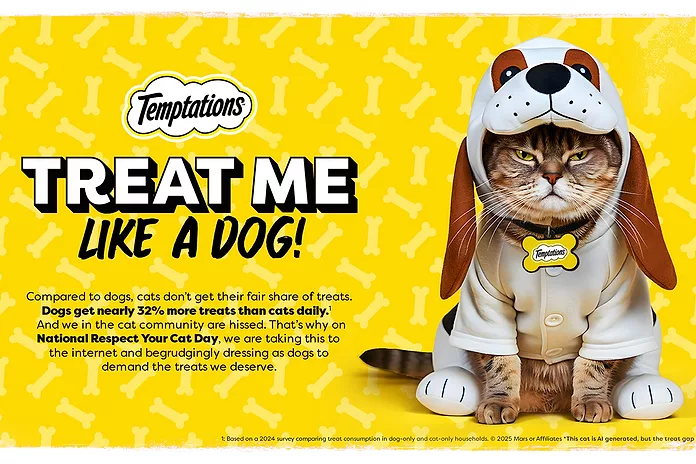
Have you ever wondered why pet stores are packed with way more toys and treats for dogs than for cats? If you’re a pet owner, this might make you pause and ask, “What’s really going on here?” You might think your cat deserves just as many fun goodies as your dog, right?
The truth is, there’s a mix of reasons behind this surprising difference. Keep reading, because understanding these reasons can help you make better choices for your furry friend—whether it’s a playful pup or a curious kitty. Let’s dive into why dogs get spoiled with more toys and treats than cats, and what that means for your pet’s happiness.
Pet Market Trends
The pet market keeps shifting, and one clear trend stands out: dog owners spend more on toys and treats than cat owners. This difference isn’t just about pet preferences; it reflects how products are designed, marketed, and consumed. Understanding these trends can help you choose the best items for your furry friend and see why the market favors dogs in many ways.
Sales Comparison: Dogs Vs Cats
Sales data shows that dog toys and treats generate significantly higher revenue than those for cats. Dogs tend to engage more with toys, which drives up demand. In fact, dog treat sales often exceed cat treat sales by nearly 50% in many regions.
Why do you think dog products sell more? One reason is that dogs generally need more physical activity, and owners respond by buying more interactive toys and training treats. Cats, being more independent, often require less stimulation through toys.
Popular Toy Types For Dogs
- Chew toys:Durable and designed to satisfy a dog’s natural urge to chew.
- Fetch toys:Balls and frisbees that encourage active play and exercise.
- Puzzle toys:Treat-dispensing toys that challenge dogs mentally while rewarding them.
Dog owners often seek toys that combine physical and mental engagement. This variety keeps dogs entertained longer and justifies higher spending. Have you noticed how certain toys can keep your dog busy for hours?
Popular Treats For Cats
- Soft treats:Easy to chew and often used for training or bonding.
- Dental treats:Help maintain oral health while rewarding cats.
- Freeze-dried meat treats:High in protein and close to a cat’s natural diet.
Cats prefer treats that feel more like a snack than a reward toy. Their independent nature means treats often serve as a quick way to show affection or encourage positive behavior. Have you tried different types of treats to see what your cat loves most?

Credit: www.businessinsider.com
Behavioral Differences
Understanding the behavioral differences between dogs and cats sheds light on why dogs often have more toys and treats. Their unique ways of interacting with the world shape their needs and preferences. Let’s look deeper into how their activity, play styles, and social needs influence the variety and amount of toys and treats they enjoy.
Activity Levels In Dogs And Cats
Dogs generally have higher activity levels than cats. Many dogs require daily exercise and mental stimulation to stay happy and healthy. This energy often translates into a need for more toys that can keep them busy, such as fetch balls, chew toys, or puzzle feeders.
Cats, however, tend to have bursts of activity followed by long rest periods. They often prefer short, intense play sessions rather than constant engagement. This means fewer toys can satisfy their needs, especially when those toys mimic hunting or stalking.
Play Styles And Preferences
Dogs usually enjoy interactive play, like tug-of-war or chasing games. They appreciate toys that involve you or other dogs, which is why you’ll find a wide variety of interactive dog toys on the market. These toys help channel their natural instincts to retrieve, chew, and explore.
Cats favor toys that simulate prey, like feather wands or small moving objects. Their play is often solitary or with minimal human interaction. Because cats focus on stalking and pouncing, a few well-chosen toys often satisfy their play needs better than a large collection.
Social Interaction Needs
Dogs are pack animals and thrive on social interaction. They crave companionship and often see playtime as bonding time with their owners or other dogs. This social nature drives the demand for diverse toys and treats that encourage engagement.
Cats tend to be more independent. While many enjoy affection and occasional play, they usually do not seek constant social stimulation. This independence means they may be content with fewer toys and treats that suit their mood and preferences.
Have you noticed how your dog’s energy and social needs influence the types of toys they prefer? How about your cat’s independent streak? Understanding these differences can help you choose the right toys and treats, making playtime more enjoyable for both you and your pet.
Owner Perceptions
Owner perceptions significantly influence the availability of toys and treats for dogs compared to cats. Many pet owners see their dogs as family members, while cats often enjoy a more independent reputation. This perception shapes how much people are willing to spend on their furry companions.
Emotional Bonds With Dogs
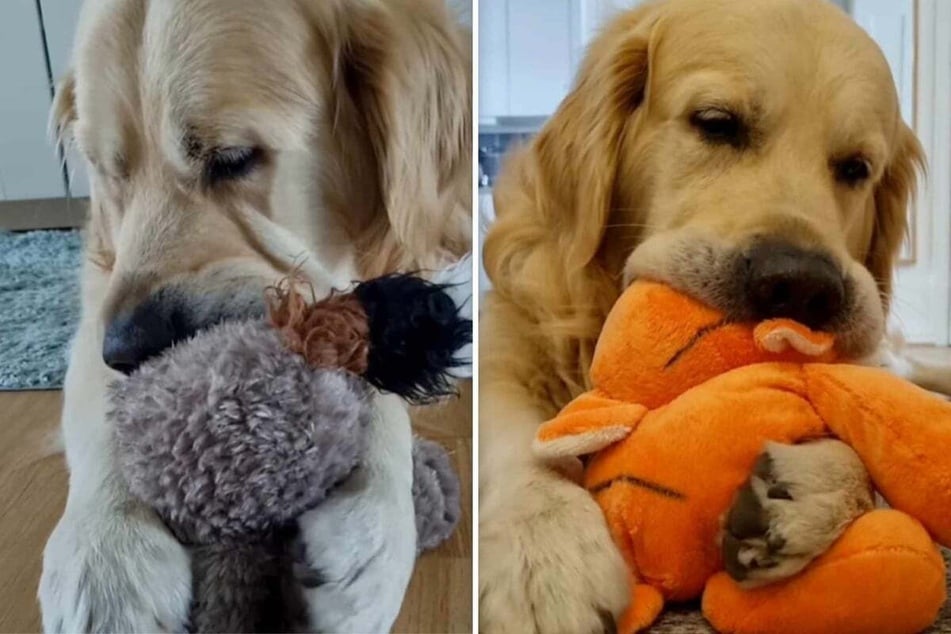
Dog owners often form strong emotional bonds with their pets. This connection encourages them to indulge their dogs with various toys and treats. When you see your dog as a family member, you’re more likely to want to spoil them with goodies that make them happy.
Consider a scenario where a dog greets you with unbridled joy every time you come home. Such affectionate displays can tug at your heartstrings, prompting you to buy that squeaky toy or gourmet treat. It’s an emotional exchange that feels rewarding for both you and your pet.
Expectations From Cat Owners
On the other hand, cat owners often view their pets as self-reliant creatures. Cats are known for their independence, which can translate to fewer expectations for constant entertainment. This doesn’t mean cat owners care less; they simply approach their pets’ needs differently.
If you’ve ever watched a cat contentedly amuse itself with a simple cardboard box, you know they require less stimulation from their owners. This perception might explain why the market for cat toys and treats isn’t as extensive as it is for dogs.
Impact On Purchasing Habits
These perceptions significantly impact purchasing habits. Dog owners are more likely to splurge on toys and treats, seeing it as an expression of love. They often perceive these purchases as necessary investments in their dog’s happiness and well-being.
In contrast, cat owners might prioritize different types of spending, such as investing in high-quality food or health-related products. Understanding these differences can help pet product companies tailor their offerings more effectively. What influences your buying decisions when it comes to your pet?
Credit: www.tag24.com
Product Development Factors
Developing products for pets is a complex process influenced by the unique behaviors and needs of different animals. Dogs and cats have distinct play styles, dietary requirements, and safety concerns, which shape the variety and design of toys and treats available to them. Understanding these product development factors helps explain why dogs often enjoy a wider range of toys and treats compared to cats.
Design Challenges For Cat Toys
Cats have sharp senses and specific play instincts that make designing toys tricky. They prefer toys that mimic prey—small, fast, and easy to bat around.
Unlike dogs, cats often lose interest quickly if a toy doesn’t engage their hunting skills or provide unpredictable movement. This limits the types of toys that can keep them entertained long-term.
Have you noticed how your cat ignores bulky or noisy toys? That’s because subtlety matters more to them, which restricts the variety developers can offer.
Safety Considerations
Safety is a top priority in pet product development. Dog toys need to withstand aggressive chewing and rough play without breaking into dangerous pieces.
Cat toys, on the other hand, must avoid small parts that can be swallowed and materials that might irritate sensitive paws or mouths. This narrows down the safe options considerably.
Additionally, treats for both pets require ingredients that won’t trigger allergies or digestive issues, but dogs tend to tolerate a broader range of flavors and textures, allowing more innovation.
Innovation In Dog Treats
Dog treats have evolved dramatically with new flavors, textures, and health benefits. From dental chews to protein-packed bites, there’s a treat for every dog’s need and preference.
This innovation is partly driven by dogs’ varied diets and owners’ willingness to experiment. Dogs generally accept a wider variety of tastes, encouraging manufacturers to create more options.
Think about how many different dog treats you’ve seen compared to cat treats. It’s a reflection of both demand and the flexibility in what dogs will enjoy safely.
Marketing Strategies
Marketing strategies play a big role in why there are more toys and treats for dogs than cats. Companies spend a lot of time studying pet owners and their habits. They create products and ads that connect with the right buyers. This helps explain the difference in product choices for dogs and cats.
Target Audience Analysis
Marketers study dog owners closely. They know dog owners often see pets as family members. Dogs usually need more outdoor activity and training. This creates a demand for more toys and treats.
Cat owners have different habits. Cats are often seen as more independent. This means fewer toys and treats appeal to cat owners. Marketers focus on what each group wants.
Advertising Approaches
Dog products get ads that show fun, active pets. These ads often show dogs playing and learning. This makes dog owners want to buy more toys and treats.
Cat product ads tend to be calmer. They focus on comfort and simple play. This leads to fewer new products for cats in the market.
Brand Loyalty And Trends
Dog owners often stick with brands they trust. They follow trends like healthy treats and interactive toys. This encourages brands to create more dog products.
Cat owners may switch brands less often. Their buying habits are more stable. Brands find fewer chances to introduce many new cat products.
Credit: www.cdc.gov
Future Trends In Pet Products
The pet product market continues to evolve rapidly. New trends show a growing focus on pets’ health, happiness, and engagement. Future pet products will blend creativity, care, and technology to meet pet owners’ changing needs.
Dogs have long enjoyed a wide range of toys and treats. Cat products are catching up with fresh ideas and innovations. The next wave of pet products aims to balance fun, nutrition, and sustainability for both dogs and cats.
Emerging Cat Toy Innovations
Cat toys are becoming more interactive and stimulating. Products now include:
- Motion-activated toys that mimic prey
- Cat puzzles that challenge their minds
- Eco-friendly materials that are safe and durable
Manufacturers focus on natural hunting instincts. Toys encourage physical exercise and mental engagement. Cats will soon enjoy a broader variety of play options.
Sustainability In Treats
Pet owners demand healthier and eco-friendly treats. New treats use:
- Organic, locally sourced ingredients
- Biodegradable or recyclable packaging
- Recipes free from artificial additives
This trend reduces environmental impact. It supports pets’ health with better nutrition. Sustainability is a key focus for future pet treats.
Technology Integration
Technology enhances pet products and care. Examples include:
- Smart toys that track activity and adjust difficulty
- Automatic treat dispensers controlled by apps
- Wearables that monitor health and behavior
These tools help owners understand pets better. They promote active lifestyles and timely care. Technology is shaping the future of pet engagement and wellbeing.
Frequently Asked Questions
Why Do Dogs Have More Toys Than Cats?
Dogs are generally more playful and interactive, needing various toys for mental and physical stimulation. Cats prefer simpler play, often using household items instead of many toys. This difference influences the abundance of dog toys in the market.
Are Dog Treats More Diverse Than Cat Treats?
Yes, dog treats come in more flavors and forms to suit different needs. Dogs have varied dietary requirements and preferences. Cat treats are usually fewer, focusing on specific health benefits and flavors cats prefer.
How Do Dogs And Cats Differ In Play Behavior?
Dogs engage in active play like fetching and tugging, requiring diverse toys. Cats prefer stalking and pouncing, often using simpler toys or natural objects. These behavioral differences affect the variety of available toys and treats.
Does Pet Owner Spending Differ For Dogs Versus Cats?
Owners typically spend more on dog toys and treats due to dogs’ active lifestyle. Cats often require less interactive toys, leading to lower spending. This spending pattern drives the market’s focus on dog-related products.
Conclusion
Dogs need more toys and treats because they are very active. They enjoy playing and chewing, which helps them stay happy. Cats, on the other hand, are more independent and less playful. Their needs differ, so pet products reflect this.
Understanding these differences helps pet owners choose better items. Giving the right toys and treats keeps pets healthy and content. It also strengthens the bond between pets and their owners. Every pet deserves care that fits their personality and habits.

Leave a Reply