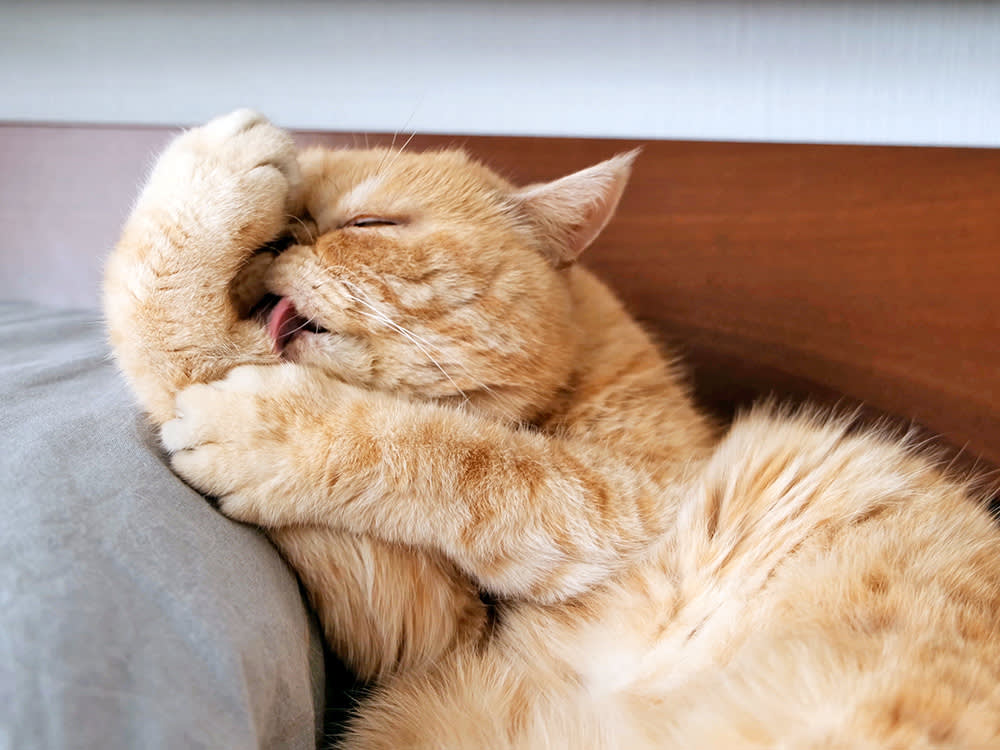
Have you noticed your cat isn’t grooming itself like usual? It can be worrying when your furry friend suddenly stops cleaning their fur.
Grooming is more than just keeping clean—it’s a sign of your cat’s health and happiness. When your cat neglects this, it might mean something is wrong. Keep reading to discover the surprising reasons behind this behavior and what you can do to help your beloved pet feel better.
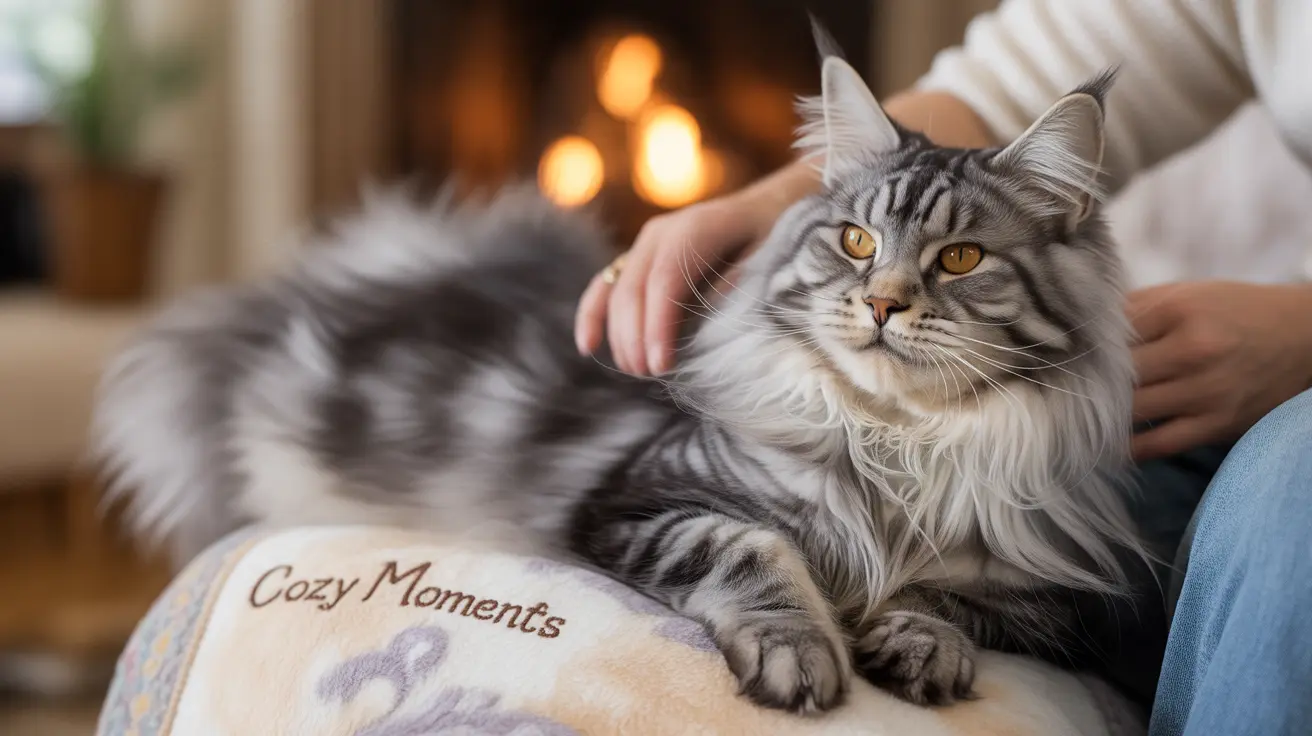
Credit: www.petscare.com
Common Grooming Habits In Cats
Cats are known for their meticulous grooming habits, which play a crucial role in their overall health and happiness. Understanding what normal grooming looks like can help you spot when something might be wrong with your furry friend. Let’s look closely at common grooming behaviors and why your cat spends so much time cleaning itself.
Normal Grooming Patterns
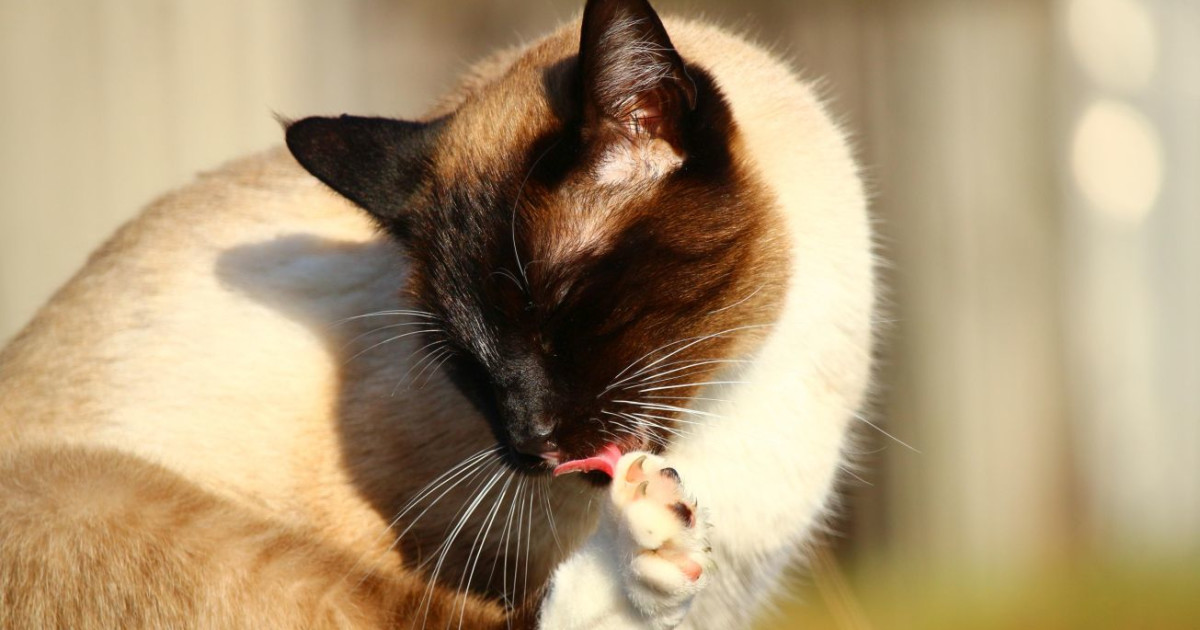
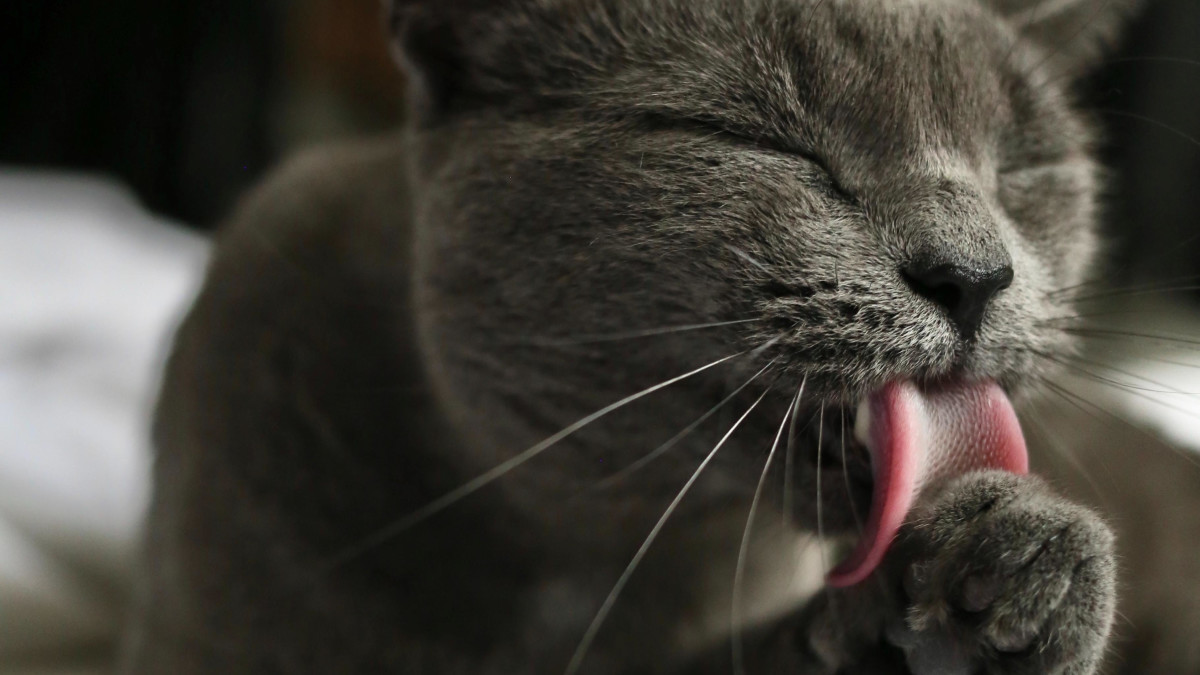
Cats usually groom themselves several times a day, often spending up to 50% of their waking hours on this activity. You might notice your cat licking its fur, nibbling on knots, and using its paws to clean hard-to-reach spots like the face and ears. Grooming often follows meals or naps, acting as a way for cats to refresh and relax.
Some cats prefer to groom certain areas more than others, like their neck or tail. This variation is normal and depends on their flexibility and comfort. Have you ever watched your cat pause mid-groom to look around? This alertness is typical—they stay aware even while cleaning.
Benefits Of Self-grooming
Self-grooming helps cats keep their coat clean and free from dirt, parasites, and loose fur. It also distributes natural oils across their skin, which maintains a shiny and healthy coat. Beyond hygiene, grooming can soothe stress and calm anxiety, making it a key part of your cat’s emotional well-being.
When your cat grooms, it’s also controlling its body temperature by removing excess fur. This natural cooling system is essential, especially in warmer months. Next time you see your cat grooming, ask yourself: is this just a routine or a sign of comfort and security?
Health Issues Affecting Grooming
Health problems can stop a cat from grooming itself properly. Grooming is important for a cat’s hygiene and comfort. When a cat has health issues, grooming may become painful or difficult. Understanding these health issues helps you support your cat better.
Skin Conditions And Irritations
Skin problems often cause discomfort. Cats with itchy or sore skin avoid grooming. Common issues include allergies, parasites, and infections. These conditions make grooming painful and less frequent. Look for redness, hair loss, or scabs on your cat.
Dental Problems
Dental pain affects a cat’s ability to groom. Cats with toothaches or gum disease may stop cleaning their face. Chewing or moving the jaw hurts, so grooming stops. Check your cat’s mouth for bad breath or difficulty eating.
Arthritis And Mobility Challenges
Arthritis limits a cat’s movement. Joint pain stops cats from reaching certain body parts. Older cats often suffer from this condition. Limited mobility means less grooming and a messy coat. Watch for stiffness, limping, or less activity in your cat.
Behavioral Factors Behind Grooming Changes
Understanding why your cat suddenly stops grooming itself can be puzzling. Often, the reasons go beyond physical health and dive into behavioral changes. Cats express stress, anxiety, and environmental discomfort in subtle ways—grooming habits being a key indicator.
Stress And Anxiety
Stress can cause your cat to neglect its grooming routine. Changes like new pets, loud noises, or even your altered schedule can trigger anxiety. When I noticed my cat stopped cleaning herself after a neighbor’s construction began, it was a clear sign she felt unsettled.
Watch for other signs like hiding or aggression alongside grooming changes. Helping your cat feel secure might mean creating quiet spaces or using calming pheromone diffusers. Could your cat be reacting to an unseen source of stress?
Depression Or Boredom
Just like humans, cats can experience boredom or depression, leading to less self-care. A lack of stimulation can make your cat lose interest in grooming. When my cat was left alone for extended periods, her grooming declined noticeably.
Try adding interactive toys or spending more playtime together. Small changes in daily routine might re-energize your cat’s grooming habits. Is your cat getting enough mental and physical engagement?
Changes In Environment
Moving to a new home or rearranging furniture can disrupt your cat’s comfort zone. These changes may cause temporary grooming lapses as your cat adjusts. I once moved to a bigger apartment, and my cat stopped grooming until she settled in.
Give your cat time to adapt but also create familiar spots with their bedding and toys. Maintaining consistency in feeding and play schedules helps too. Have you noticed grooming drops after recent changes around your home?
Diet And Nutrition Impact
A cat’s diet plays a crucial role in its grooming habits. Poor nutrition can reduce energy levels and affect the health of the skin and fur. This impact may cause a cat to stop grooming itself properly. Understanding how diet and nutrition influence grooming helps in addressing this issue effectively.
Nutrient Deficiencies
Cats need specific nutrients to maintain healthy skin and fur. Lack of essential fatty acids, vitamins, and minerals can cause dry skin and dull coats. This discomfort makes grooming painful or less appealing for the cat.
- Omega-3 and Omega-6 fatty acids keep skin hydrated and soft.
- Vitamin A supports skin repair and cell growth.
- Zinc helps in healing wounds and maintaining fur quality.
Without these nutrients, cats may develop flaky skin or hair loss. This condition discourages self-grooming, leading to further coat problems.
Hydration Levels
Water intake affects a cat’s overall skin health. Dehydration causes dry, itchy skin that can make grooming uncomfortable. Cats drinking less water often show poor grooming habits.
- Hydrated skin stays elastic and less prone to irritation.
- Proper hydration supports natural oils that protect the fur.
- Dry skin can lead to itching and scratching instead of grooming.
Ensuring your cat drinks enough water helps maintain healthy skin and fur. Wet cat food or fresh water sources encourage better hydration habits.
When To Seek Veterinary Help
When your cat stops grooming, it can be a cause for concern. Cats are naturally clean animals. They spend a significant amount of time grooming themselves. A sudden change in this behavior might indicate an underlying problem. Knowing when to seek veterinary help is crucial for your cat’s well-being.
Warning Signs To Watch For
Observe your cat for unusual signs. These may include:
- Matted or greasy fur
- Excessive shedding or bald patches
- Foul odor from the coat
- Changes in appetite or weight
If your cat shows any of these signs, consult a vet. These symptoms might suggest health issues needing prompt attention.
Diagnostic Tests
Veterinarians perform various tests to find the cause. Common diagnostic tests include:
- Blood tests to check for infections or organ problems
- Skin scrapings to identify parasites
- Urinalysis to detect urinary tract issues
- Imaging tests like X-rays or ultrasounds
These tests help in diagnosing the problem accurately. Early diagnosis ensures effective treatment and a healthier cat.

Credit: www.youtube.com
Practical Solutions To Encourage Grooming
If your cat isn’t grooming itself, there are practical ways you can help encourage this natural behavior. Addressing the root causes and creating a supportive environment can make a big difference. Let’s look at some simple, hands-on solutions you can try today to boost your cat’s grooming habits.
Improving Comfort And Mobility
Sometimes, cats stop grooming because they feel uncomfortable or have trouble moving. Older cats or those with arthritis might find it painful to reach certain areas. Gently massaging sore spots or providing soft bedding can ease their discomfort.
Have you noticed your cat avoiding certain movements or favoring one side? A quick vet check can help identify any mobility issues. You can also use ramps or steps to help them access favorite grooming spots or resting areas more easily.
Stress Reduction Techniques
Stress can stop your cat from grooming itself. Loud noises, new pets, or changes in routine may cause anxiety. Creating a calm environment with quiet spaces and consistent schedules can help your cat feel safe again.
Try using pheromone diffusers or calming sprays designed for cats. Spending quality time playing or simply sitting quietly together can lower stress levels. Have you tried identifying what triggers your cat’s stress? Sometimes, small changes can restore their grooming habits.
Regular Grooming Assistance
If your cat isn’t grooming itself, you can step in with regular brushing sessions. This not only keeps their coat clean but also strengthens your bond. Use gentle strokes and watch how your cat responds to find the best technique.
Make grooming a positive experience by offering treats and praise. Setting a routine, like brushing after meals, can make it easier for your cat to accept. Have you noticed your cat’s favorite spots to be brushed? Focusing on those areas can encourage them to groom themselves more.
Credit: pethelpful.com
Frequently Asked Questions
Why Has My Cat Stopped Grooming Itself?
Cats may stop grooming due to illness, pain, or stress. Skin infections, arthritis, or dental issues can cause discomfort. Behavioral changes or environmental stress also affect grooming habits. Consult a vet to identify underlying causes and ensure proper care for your cat’s health.
Can Grooming Issues Indicate Health Problems In Cats?
Yes, grooming problems often signal health issues. Conditions like fleas, allergies, or infections make grooming painful or difficult. Mental health issues like anxiety can also reduce grooming. Early vet visits help diagnose and treat these problems to maintain your cat’s well-being.
How Can I Encourage My Cat To Groom More?
Maintain a stress-free environment and regular vet checkups. Use gentle brushing to stimulate grooming instincts. Provide a balanced diet and clean water. Address any medical issues promptly. Positive reinforcement and playtime can also motivate your cat to groom itself regularly.
Is Lack Of Grooming A Sign Of Aging In Cats?
Yes, older cats may groom less due to reduced mobility or arthritis. Aging can cause pain, making grooming difficult. Regular vet visits and assistance with grooming help maintain their hygiene and comfort as they age.
Conclusion
Cats stop grooming for many reasons. Health problems or stress might be the cause. Watch your cat’s behavior closely. Regular grooming keeps cats clean and comfortable. Help your cat by visiting a vet soon. Early care can prevent serious issues.
Your cat deserves a happy, healthy life. Keep an eye on grooming habits every day. Small changes can mean big health signals. Caring for your cat shows how much you love them.

Leave a Reply