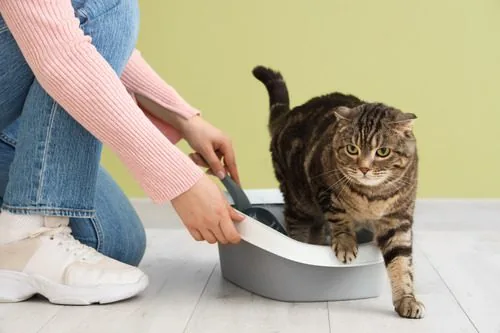
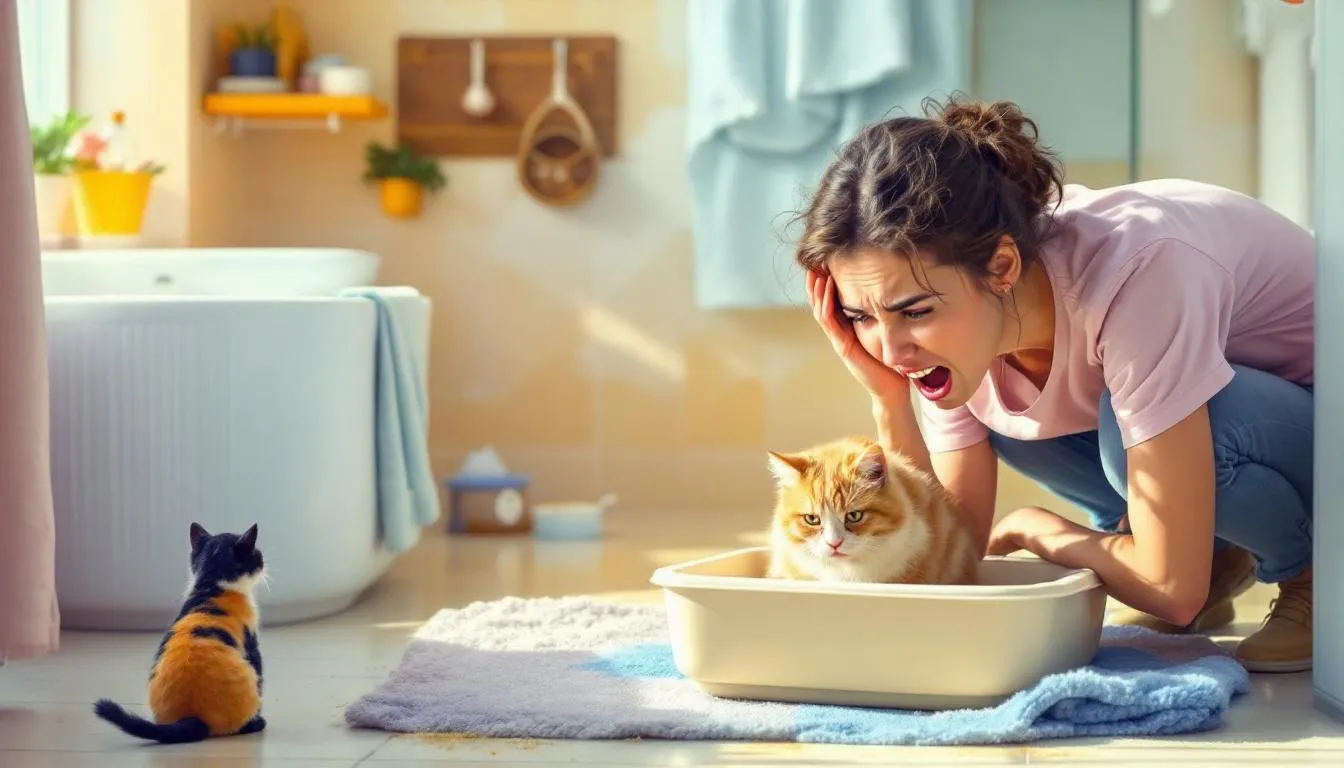
Have you noticed your cat pooping outside the litter box? It can be frustrating and confusing.
You wonder why your usually tidy pet suddenly changes behavior. Understanding the reasons behind this can help you fix the problem quickly. You’ll discover common causes and easy solutions. Keep reading to learn how to bring peace back to your home and make your cat feel comfortable again.

Credit: www.aol.com
Common Behavioral Causes
Understanding why your cat is pooping outside the litter box often leads you to explore their behavior first. Cats communicate a lot through their actions, especially when something in their environment or routine feels off. Behavioral causes can be subtle, but they play a major role in this frustrating issue.
Stress And Anxiety
Cats are very sensitive to changes around them. New pets, visitors, or even rearranged furniture can trigger stress that leads to litter box avoidance.
Have you noticed your cat hiding or acting restless before accidents happen? This anxiety can make the litter box feel unsafe, prompting your cat to choose a different spot.
Try creating a calm space with familiar scents and quiet zones. Sometimes, adding a pheromone diffuser helps reduce their stress.
Territorial Marking
Sometimes, pooping outside the litter box is a way for your cat to mark territory. This is more common in multi-cat households or if your cat senses a new animal nearby.
Do you have other pets, or has a neighborhood cat been visiting? Your cat might be signaling, “This is my space,” in a way that’s hard to ignore.
Separating feeding and litter areas for each cat and cleaning soiled spots thoroughly can help reduce this behavior.
Litter Box Aversion
Your cat might simply dislike the litter box itself. Dirty litter, the type of litter, or even the box’s location can make it unappealing.
Ask yourself: Is the box cleaned regularly? Is it in a noisy or high-traffic area? Cats prefer privacy and cleanliness.
Experiment with different litter types and move the box to a quiet spot. This small change often makes a big difference.
Credit: vetic.in
Health-related Issues
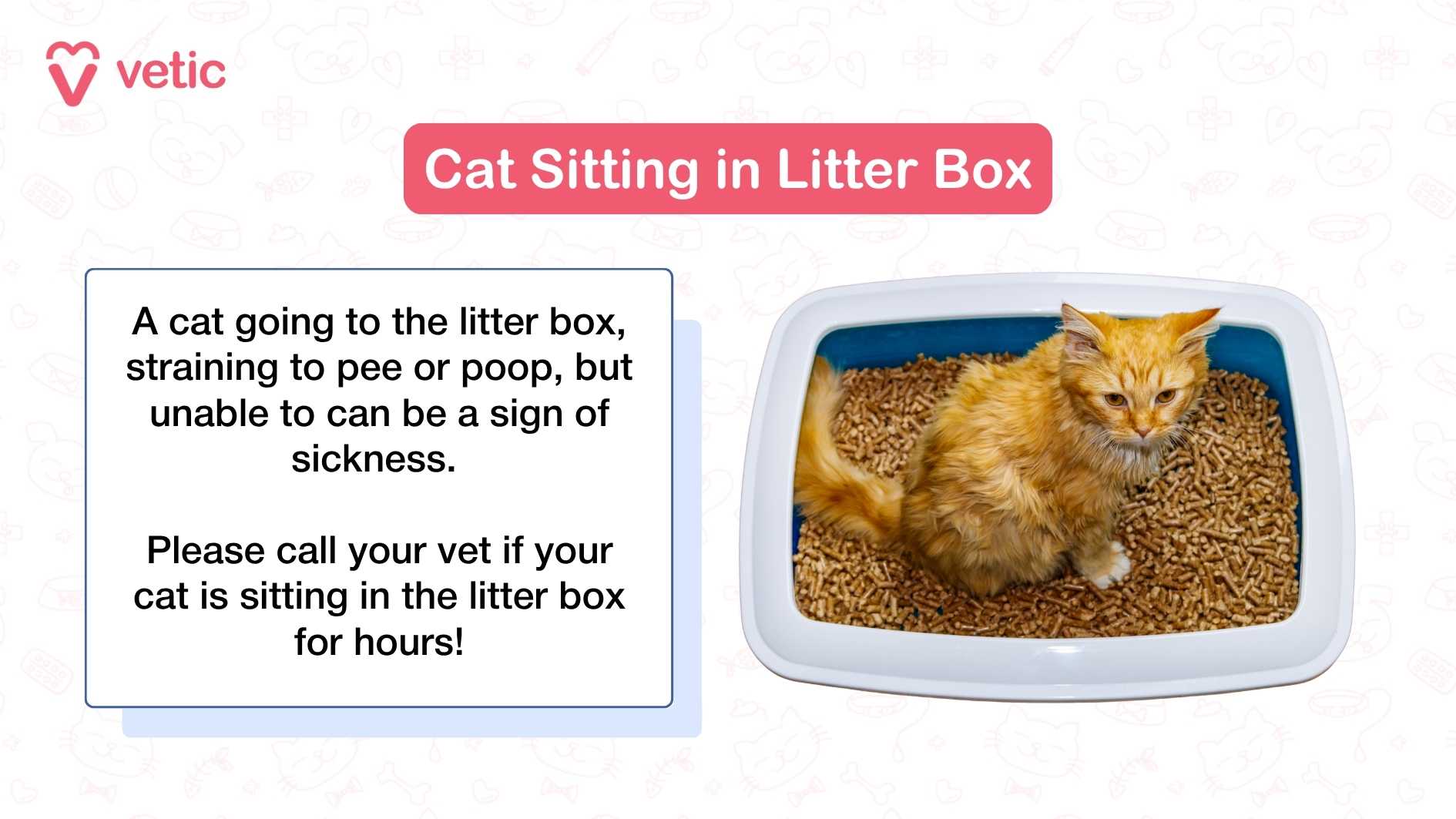
Health problems often cause cats to avoid their litter boxes. Illness makes using the box painful or difficult. Cats may try to find easier or less painful spots to relieve themselves. Recognizing these health issues helps in seeking proper care quickly. Observing changes in behavior can save your cat from discomfort and worsening conditions.
Urinary Tract Infections
Urinary tract infections (UTIs) cause pain during urination. Cats with UTIs may associate the litter box with pain. They often urinate outside the box to avoid discomfort. Blood in the urine or frequent attempts to urinate are warning signs. Prompt veterinary care is important to treat UTIs effectively.
Digestive Problems
Digestive issues like constipation or diarrhea can lead to litter box avoidance. Constipation makes bowel movements painful and difficult. Diarrhea may cause accidents outside the box. Cats may prefer soft or easy-to-reach places over the litter box. Proper diet and vet visits help manage these problems.
Pain Or Mobility Challenges
Arthritis or injuries can make getting into the litter box hard. Older cats often face joint pain that limits movement. Steps or high sides on litter boxes become obstacles. Cats might choose spots that require less effort to access. Using low-entry litter boxes can ease these challenges.
Litter Box Factors
Is your cat ignoring the litter box and leaving unwanted surprises around your home? This issue can be frustrating, but understanding the litter box factors might hold the key to resolving it. Several elements about the litter box itself can influence your cat’s bathroom habits. Let’s dive into these factors and uncover potential solutions.
Box Cleanliness
Imagine using a bathroom that hasn’t been cleaned in days. Unpleasant, right? Cats feel the same about their litter box. Keeping the box clean is crucial. Scoop out waste daily and change the litter regularly to maintain a fresh environment. If you notice your cat consistently avoiding a dirty box, consider this your prompt to step up the cleaning routine.
Type Of Litter
Not all cats appreciate the same type of litter. Some prefer clumping litter, while others may have sensitive paws and favor softer textures. Test different types and observe your cat’s response. Once, my cat abruptly stopped using the litter box. After switching to a new brand of litter, the problem resolved. This simple change made all the difference.
Box Location And Accessibility
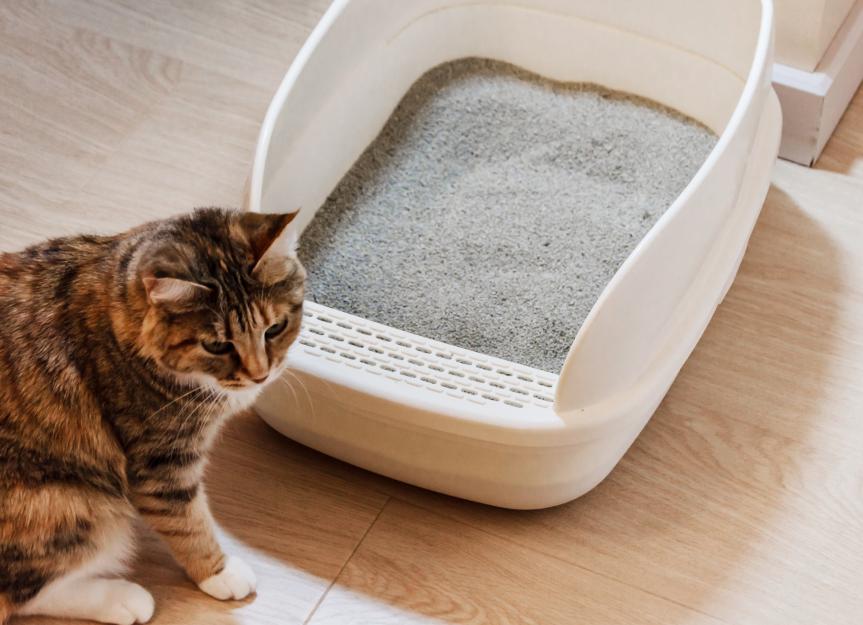
Where is your cat’s litter box located? Accessibility can significantly impact usage. If it’s tucked away in a hard-to-reach spot, your cat might opt for a more convenient location. Ensure the box is in a quiet, low-traffic area, but not so hidden that your cat can’t easily find it. Consider if the placement feels safe and comfortable for your cat. Would you use a bathroom that’s in a noisy, crowded space?
By focusing on these litter box factors, you can create a more inviting and functional space for your cat. Each change is a step toward understanding your pet better and ensuring a harmonious home environment. What will you try first to make your cat’s litter box more appealing?
Credit: www.petmd.com
Environmental Influences
Environmental changes can strongly affect a cat’s bathroom habits. Cats are creatures of habit and often dislike sudden shifts in their surroundings. These shifts may make them feel unsafe or stressed. Stress can cause a cat to avoid its litter box and look for a different spot to relieve itself.
Changes In Household
Moving to a new house or rearranging furniture can confuse a cat. New sounds and smells can make them anxious. A cat may stop using the litter box until it feels comfortable again. Visitors or loud noises can also disturb their routine. Keeping the litter box in a quiet, stable place helps maintain their comfort.
New Pets Or Family Members
A new pet or baby in the home can upset a cat’s sense of security. Cats may feel threatened or ignored. This stress might cause them to urinate or poop outside the litter box. Introducing new members slowly helps the cat adjust. Providing separate spaces for the cat and newcomers reduces tension.
Outdoor Access
Allowing cats outside changes their behavior. They may prefer outdoor spots for elimination. New scents and sights can attract them away from the litter box. Outdoor cats often mark territory, leading to accidents indoors. Monitoring outdoor time and providing clean litter boxes inside helps control this behavior.
Effective Solutions
Finding out your cat is pooping outside the litter box can be frustrating, but there are clear solutions you can try to fix this behavior. The key is to understand your cat’s needs and environment, then adjust accordingly. Let’s look at practical steps you can take to encourage your cat to use the litter box again.
Improving Litter Box Setup
Is your cat picky about the litter box itself? Cats often avoid boxes that are dirty, too small, or placed in noisy areas. Make sure you have enough litter boxes—ideally one per cat plus one extra—and keep them clean by scooping daily.
Try different types of litter to find what your cat prefers. Some cats like fine-grain clumping litter, while others prefer unscented options. Also, consider the box’s location: it should be in a quiet, low-traffic spot but still easily accessible.
Managing Stress
Stress can cause a cat to avoid the litter box. Changes in the household, new pets, or even loud noises can make your cat feel anxious. Have you noticed if your cat’s accidents happen after specific events?
Creating a calm environment can help. Provide hiding spots, playtime, and regular routines to reduce anxiety. Pheromone diffusers can also soothe stressed cats and encourage normal behavior.
Seeking Veterinary Care
If improving the litter box and reducing stress don’t work, your cat may have a medical issue. Urinary tract infections, constipation, or other health problems can cause litter box avoidance. When was the last time your cat had a full vet check-up?
Take your cat to the vet for a thorough examination. Early diagnosis and treatment can prevent complications and help your cat return to normal habits quickly.
Frequently Asked Questions
Why Is My Cat Pooping Outside The Litter Box?
Cats often avoid the litter box due to stress, illness, or dirty conditions. They may dislike the litter type or box location. Identifying and addressing these issues can help resolve the behavior and encourage proper litter use.
Can Health Problems Cause Litter Box Avoidance?
Yes, medical issues like urinary tract infections or digestive problems can cause cats to avoid the litter box. A vet checkup is essential to rule out or treat any health concerns causing this behavior.
How Does Litter Box Cleanliness Affect My Cat?
Cats prefer clean litter boxes. Dirty or smelly boxes can deter them from using it. Regular cleaning and scooping encourage consistent use and prevent accidents outside the box.
Does Litter Type Influence Where Cats Poop?
Yes, cats can be picky about litter texture and scent. Using unscented, fine-grained litter often improves acceptance. Experimenting with different types may help find your cat’s preference.
Conclusion
Cats pooping outside the litter box can be frustrating. It often signals health or stress issues. Clean the box regularly and place it in a quiet spot. Watch for signs of illness and visit the vet if needed. Changes in the home can upset your cat’s routine.
Patience and care help your cat feel safe again. Understanding the cause is key to solving this problem. Keep trying different solutions until your cat uses the box again. Your cat’s comfort matters most in fixing this behavior.

Leave a Reply