Have you ever watched two cats together and noticed that only one is grooming the other? It might seem a bit strange or even confusing.
Why does one cat take the time to clean another, while the other just sits there? Understanding this behavior can reveal a lot about your cat’s feelings, their social bonds, and even their health. If you want to know what this grooming means for your furry friends and how it affects their relationship, keep reading.
You’ll discover surprising insights that can help you better care for your cats and strengthen their connection.

Credit: www.companionanimalpsychology.com
Cat Grooming Basics
Understanding the basics of cat grooming helps you see why one cat might groom another. Grooming isn’t just about keeping clean; it serves several important roles in a cat’s life. Knowing these roles can help you read your cat’s behavior better and improve your bond with them.
Purpose Of Grooming
Grooming keeps a cat’s fur clean and free from dirt and parasites. It also helps regulate body temperature by spreading natural oils along their coat. But grooming goes beyond hygiene—it’s a way cats relax and reduce stress.
Have you noticed how your cat seems calmer after a good grooming session? That’s because grooming releases endorphins that make cats feel good. It also plays a role in scent marking, helping cats recognize their own territory and companions.
Self-grooming Vs Social Grooming
Most cats spend a significant part of their day grooming themselves. This self-grooming removes loose fur, dirt, and stimulates blood flow. It’s a solo activity that keeps your cat looking neat and feeling comfortable.
Social grooming, on the other hand, is when one cat grooms another. This behavior strengthens bonds between cats and builds trust. If you ever see one cat licking another’s head or neck, it’s a sign they share a close relationship.
- Social grooming helps reduce tension in multi-cat households.
- It spreads group scent, reinforcing a sense of family.
- It can even help heal wounds by cleaning hard-to-reach areas.
Why do you think your cat chooses a specific feline friend to groom? This choice reveals their social preferences and the hierarchy in their group. Watching these interactions can give you clues about how your cats relate to each other.
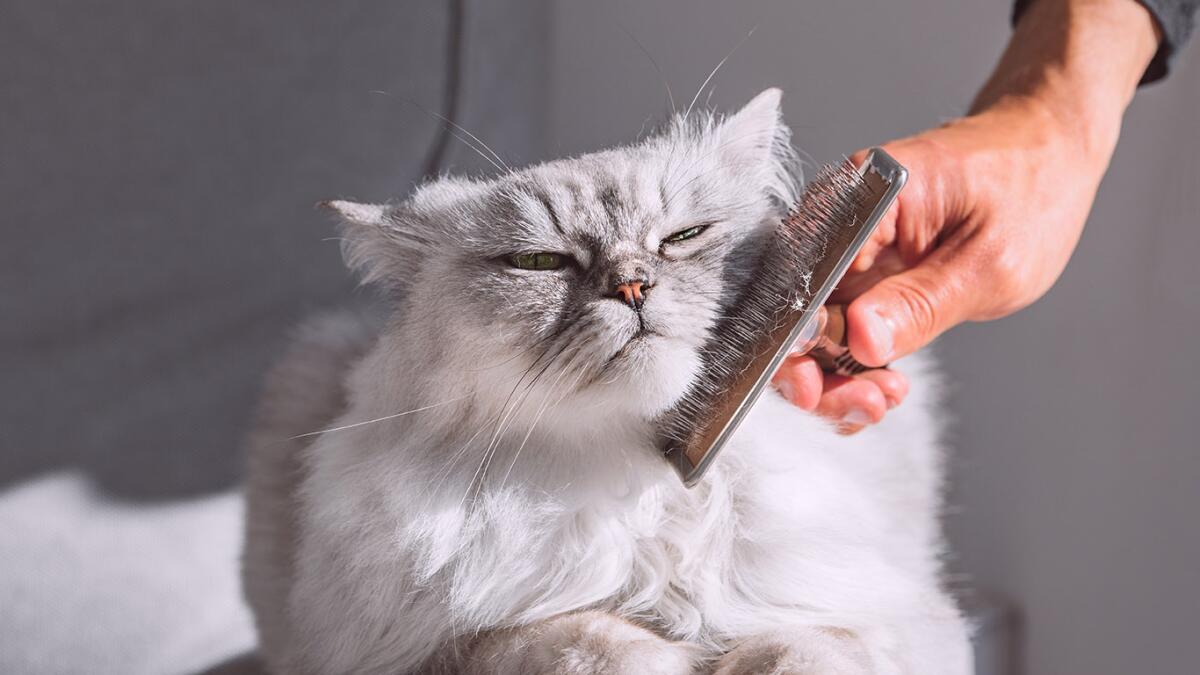
Credit: www.latimes.com
Reasons For One-sided Grooming
One-sided grooming in cats is common and has clear reasons behind it. It shows different social and emotional signals between cats. Understanding these reasons helps you see your cats’ relationship better. It also reveals what one cat might need from the other.
Dominance And Hierarchy
In cat groups, one cat often leads. Grooming another cat can show this leader’s power. The dominant cat controls the group through grooming. The other cat usually accepts this role. This helps keep peace and order among them.
Bonding And Friendship
Grooming builds trust between cats. One cat may groom the other to show care. It strengthens their friendship and connection. Even if only one grooms, it means they share a close bond. It is a way to say, “I like you.”
Stress And Comfort
Sometimes, one cat grooms another to calm them down. Grooming releases relaxing chemicals in the brain. It helps reduce stress and fear. The cat being groomed feels safe and comforted. This act is a sign of support and care.
Health And Age Factors
Older or sick cats may not groom much. A healthy cat might groom them instead. It helps keep the sick cat clean and comfortable. Grooming also shows concern for the weaker cat. It is an act of kindness and help.
Behavioral Signals In Grooming
One cat grooming another shows trust and care between them. This behavior strengthens their bond and helps keep both cats clean. Often, the grooming cat feels responsible or affectionate toward the other.
Cats are fascinating creatures with a complex social structure, and grooming is a significant part of their interaction. When you observe one cat grooming another, it’s not just a random act of cleanliness. This behavior is rich with meaning and signals that can tell you a lot about their relationship. Understanding the nuances of this grooming behavior can deepen your insight into your cats’ world.Body Language During Grooming
When one cat grooms another, pay close attention to their body language. A relaxed posture with slow blinking often indicates trust and comfort. If the receiving cat tilts its head to allow better access, it signifies acceptance and enjoyment. However, if you notice a stiff body or flattened ears, it might mean the groomed cat is not in the mood. Recognizing these subtle cues can help you understand the dynamics between your cats and ensure their interactions remain positive.Reciprocal Grooming Expectations
One might wonder, does the groomed cat ever reciprocate? In many cases, yes. But not always immediately. The expectation of reciprocal grooming can depend on the cats’ personalities and their relationship dynamics. Some cats groom each other as a mutual exchange of affection and care. Others may have a more dominant-submissive relationship where one cat does most of the grooming. If you observe only one cat grooming the other frequently, consider the social hierarchy that might be at play in your home. Have you noticed your cats grooming each other? What have you learned from their behavior? Observing these interactions can offer you a window into their world and strengthen your bond with them.When To Be Concerned
Watching one cat grooming another is often a sign of bonding and affection. However, there are moments when this behavior might signal something more concerning. Knowing when to pay attention can help you protect your cats’ well-being and avoid potential issues.
Signs Of Stress Or Aggression
Grooming between cats usually feels gentle and mutual. But if you notice one cat grooming another too aggressively or one cat trying to escape, it could be a sign of stress or dominance. Look for:
- Hissing, growling, or swatting during grooming
- One cat freezing or trying to hide
- Excessive licking that leads to bald patches or skin irritation
If your cats show these signs, ask yourself: Is this grooming really about care, or is it a power struggle? Your intervention may be needed to prevent fights or anxiety.
Possible Medical Issues
Sometimes, grooming behavior changes when a cat feels unwell. One cat might focus grooming on a spot that hurts or looks different, signaling an injury or skin problem. Pay attention if you see:
- Repeated grooming of one area on the other cat
- Visible wounds, redness, or swelling
- Sudden changes in grooming habits or appetite
Could your cat be trying to comfort a sick companion, or is it reacting to something unusual? A quick vet check can rule out infections, parasites, or allergies before they worsen.
Encouraging Mutual Grooming
Encouraging mutual grooming between cats can deepen their bond and reduce stress in your home. It’s not just about hygiene—when cats groom each other, they build trust and show affection. But why does it sometimes happen that only one cat grooms another? Creating the right conditions can help both cats feel comfortable enough to share grooming duties.
Creating A Comfortable Environment
Your cats need a calm and safe space to feel relaxed. Stress or loud noises can stop them from engaging in social behaviors like grooming. Make sure they have cozy resting spots away from household chaos.
Think about your cats’ daily routine. Are there moments when they seem more at ease? Those times can be great opportunities to encourage grooming. Adding soft blankets or a warm bed can invite them to settle down together.
Have you noticed if your cats prefer certain rooms or spots? Try to keep these areas clean and free from other pets or distractions. A peaceful setting helps cats focus on each other, increasing the chances of mutual grooming.
Introducing Cats Properly
Introducing cats too quickly can cause tension and prevent grooming. If one cat feels threatened, it might avoid interacting altogether. Instead, introduce them slowly and observe their reactions.
Start with scent swapping by exchanging bedding or toys. This lets your cats get used to each other’s smell without direct contact. After a few days, allow short, supervised meetings in a neutral space.
Watch for positive signs like sniffing, relaxed postures, or gentle paw touches. These moments can lead to grooming. If you see signs of stress like hissing or hiding, give your cats more time apart before trying again.
Expert Tips And Insights
Understanding why only one cat grooms another can reveal a lot about their social dynamics and emotional bonds. Expert insights help you interpret this behavior correctly and decide if it’s a sign of affection, dominance, or something else entirely.
Veterinarian Advice
Veterinarians note that grooming between cats often signals a strong bond but can also serve practical health purposes. Cats may groom each other to help reach spots they can’t clean themselves, especially if one is older or less mobile.
If you notice one cat grooming another excessively, it could indicate stress or even skin issues on the recipient cat. Your vet might suggest monitoring for signs of irritation, hair loss, or discomfort and could recommend a check-up to rule out medical problems.
They also remind you to watch for changes in grooming patterns. Sudden shifts might reflect health changes or anxiety, so keeping a close eye can help you act quickly to support your cats’ well-being.
Behaviorist Recommendations
Animal behaviorists explain that grooming is a form of social bonding and communication. When one cat grooms another, it often shows trust and reinforces their relationship.
However, grooming can also be a way to establish hierarchy. The grooming cat may be asserting dominance, while the one being groomed accepts this role to maintain peace.
Behaviorists advise observing body language during grooming sessions. Look for relaxed postures and purring as signs of comfort, or stiff bodies and avoidance if tension exists.
Would you consider encouraging grooming to strengthen your cats’ bond? Offering shared playtime and safe spaces can promote positive interactions and reduce any grooming-related stress.
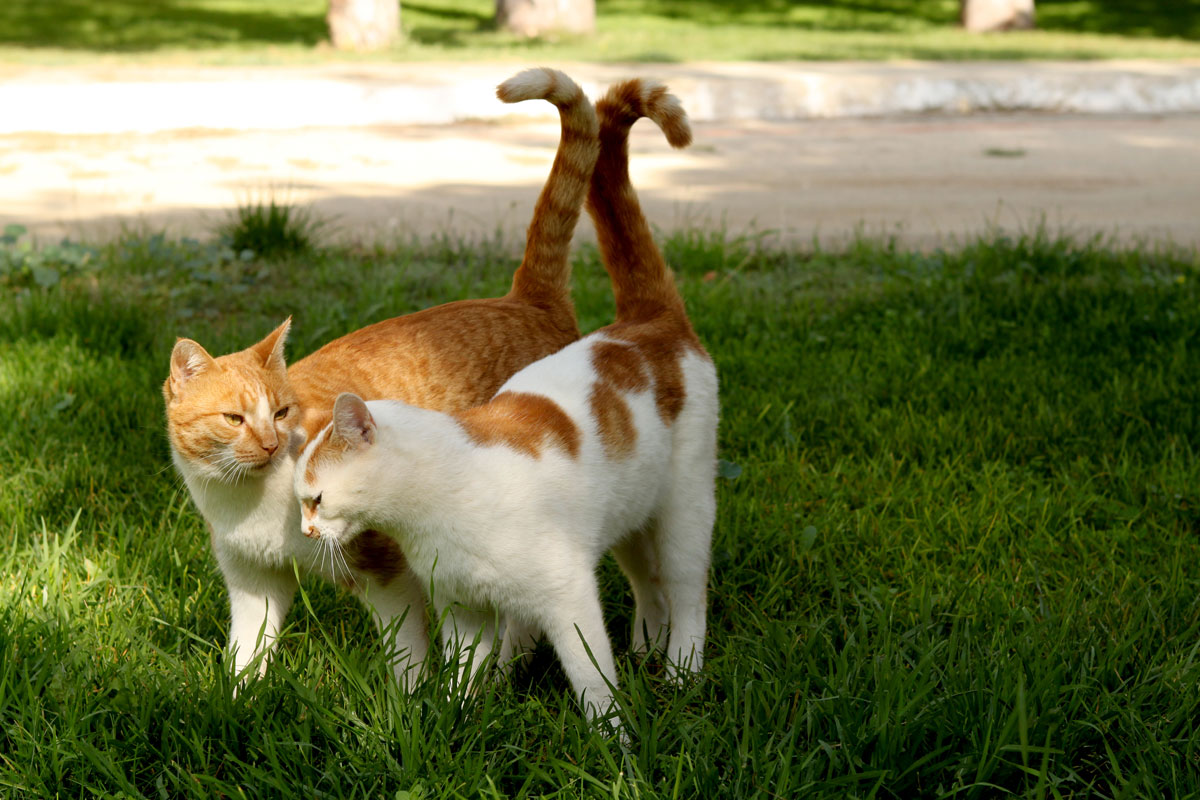
Credit: www.companionanimalpsychology.com
Frequently Asked Questions
Why Does Only One Cat Groom Another Cat?
One cat grooming another shows social bonding and trust. The groomer often asserts care or dominance. This behavior helps reduce stress and strengthens their relationship.
Is One Cat Grooming A Sign Of Friendship?
Yes, grooming indicates friendship and affection. Cats groom each other to build social bonds and feel secure. It reflects positive interaction between the cats.
Can One Cat Grooming Another Mean Dominance?
Sometimes, grooming establishes dominance in a cat hierarchy. The dominant cat grooms the submissive one to reinforce social order. It’s a natural part of their communication.
Why Might Only One Cat Groom And Not The Other?
One cat may not groom back due to personality differences or discomfort. Some cats are less social or prefer solitude. Grooming is voluntary and varies by cat.
Conclusion
Cats groom each other to build trust and show care. One cat grooming another means they share a close bond. This behavior helps keep their fur clean and healthy. It also reduces stress and strengthens friendship between cats. Watching this can teach us about their feelings and social life.
So, next time you see one cat grooming another, remember it’s a sign of love and trust. This simple act speaks volumes about how cats connect with each other every day.

Leave a Reply