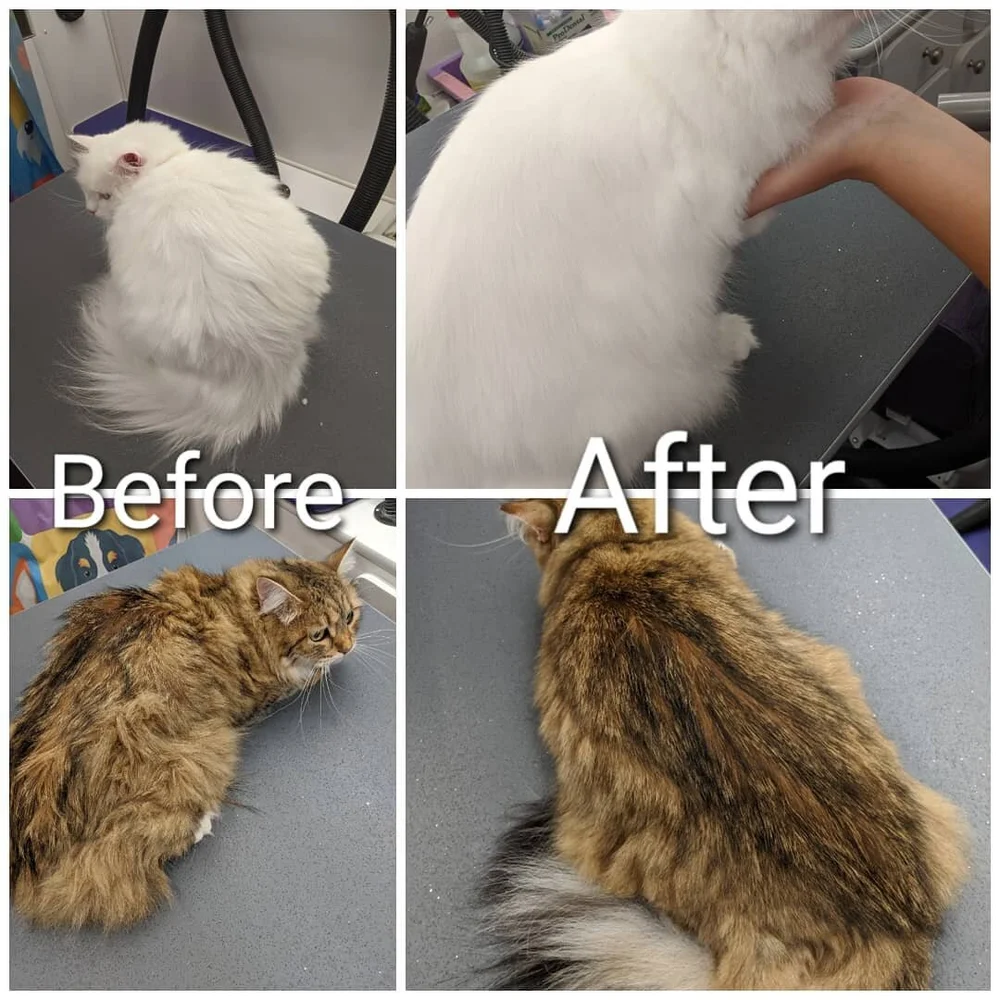
Have you ever noticed your cat still wet after grooming and wondered why? It can be confusing and even a little worrying when your furry friend looks damp instead of clean and fluffy.
Understanding why your cat is wet after grooming can help you ensure their comfort and health. Keep reading to discover the common reasons behind this and what you can do to keep your cat happy and dry every time.
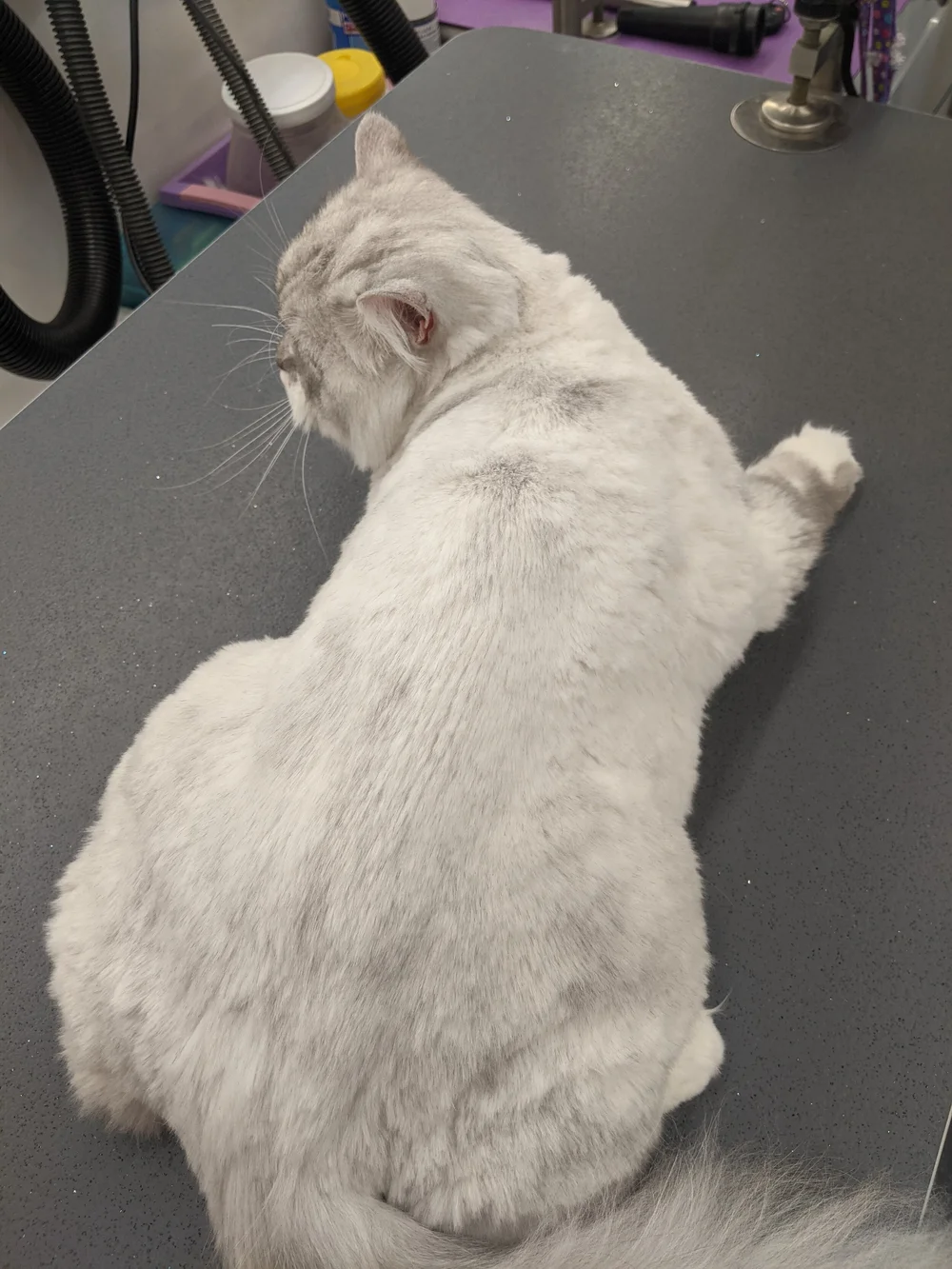
Credit: www.squeakycleangrooming.com
Common Grooming Methods
Understanding why your cat might be wet after grooming starts with knowing the common grooming methods. Each method involves different levels of water use and drying techniques, which directly affect how wet your cat ends up. Let’s explore these approaches so you can better anticipate and manage your cat’s grooming experience.
Bathing Techniques
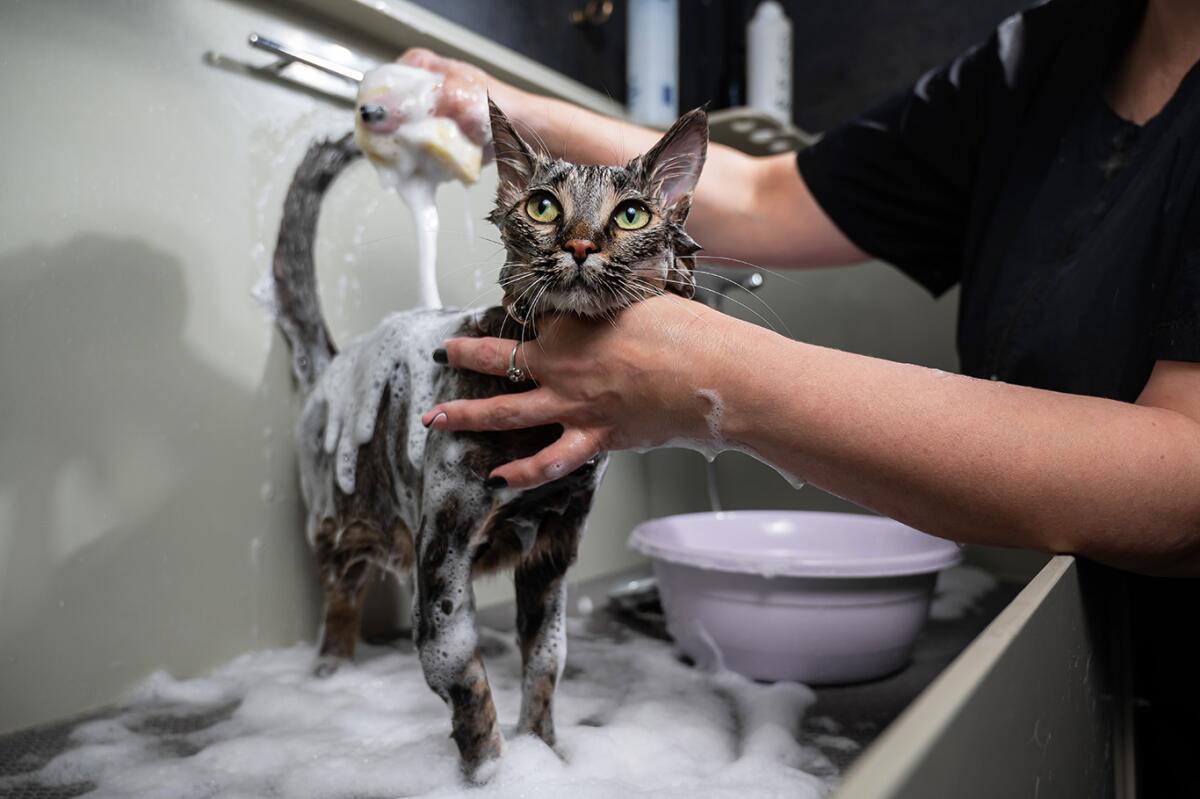
Bathing is the most obvious reason for a wet cat after grooming. It involves using water, often with pet-friendly shampoo, to clean your cat’s fur thoroughly.
Many cats dislike baths, so it’s important to use lukewarm water and gentle strokes to keep them calm. After rinsing, towel drying is essential, but cats often remain damp for a while. Have you noticed how some cats shake off water immediately, while others stay soaked longer?
Professional Grooming
Professional groomers use specialized equipment like high-velocity dryers, which can leave your cat less wet than a home bath. However, if your cat has a thick or long coat, some dampness might still remain after grooming.
Groomers often use waterless shampoos or grooming sprays that clean without soaking the fur. This approach reduces the wetness but doesn’t eliminate it completely. If your cat returns home wet, it’s usually because of these water-based treatments or rinses used during the session.
Home Grooming Practices
At home, many owners prefer brushing or wiping their cats instead of full baths. Dry shampoo sprays, grooming wipes, or even simply brushing can refresh your cat without making them wet.
Sometimes, you may use a damp cloth to spot-clean areas, which explains mild wetness afterward. If you do bathe your cat at home, lack of proper drying tools can leave your pet wetter than expected. How do you usually handle drying your cat after a bath? This simple step often makes the biggest difference in how wet they stay.
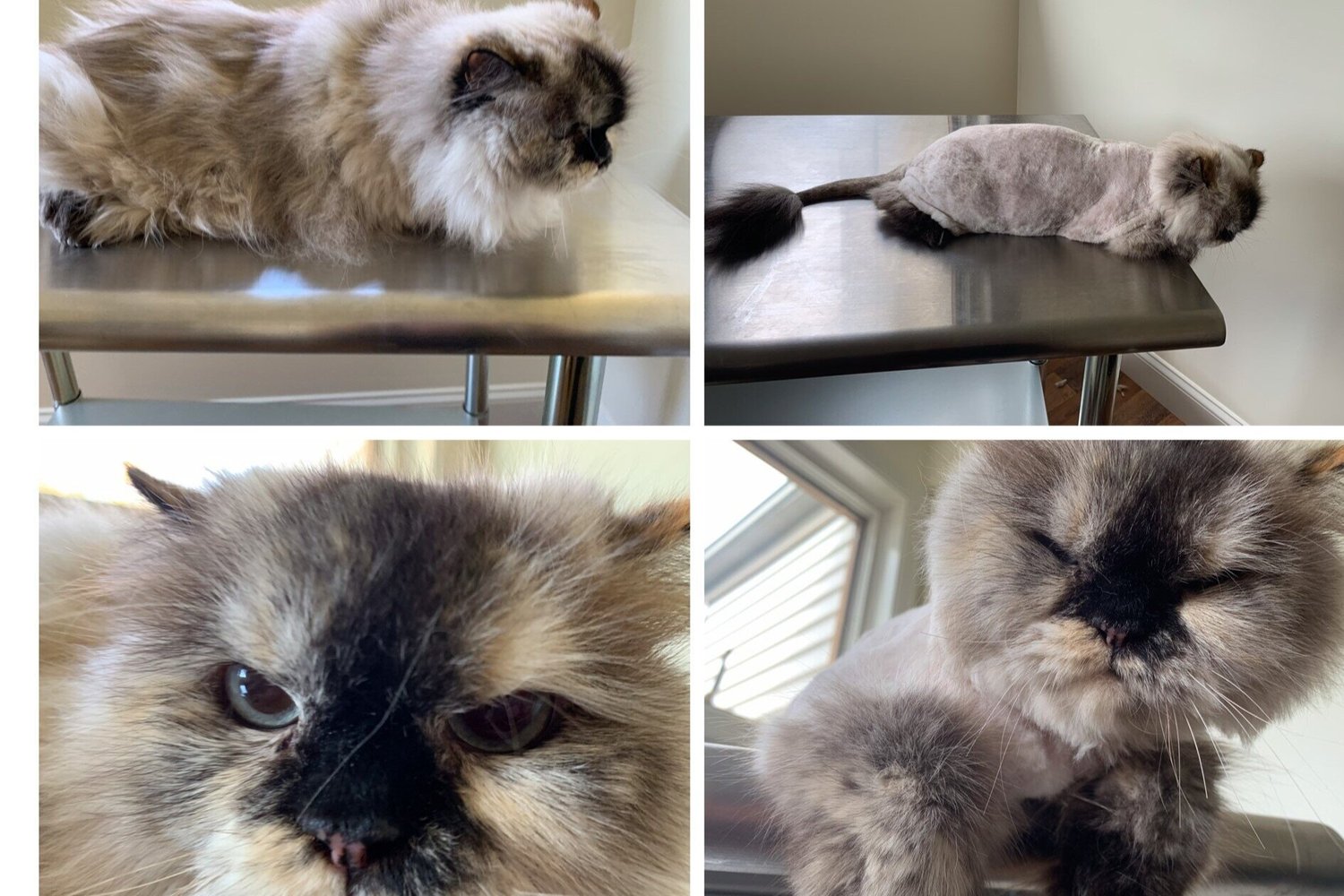
Credit: www.catsmeowresort.com
Causes Of Wet Fur Post-grooming
Noticing your cat’s fur still wet after grooming can be puzzling. Understanding what causes this wetness helps you manage your cat’s comfort better. Let’s look at common reasons why your cat might still feel damp after grooming sessions.
Residual Water From Bath
Even after drying, some water can remain trapped in your cat’s dense fur. Cats with longer or thicker coats tend to hold onto moisture more easily. If you’ve just given your cat a bath, check areas like under the legs and around the neck where water can linger.
Have you ever noticed your cat shaking off water but still feeling damp later? This happens because the shaking only removes surface moisture, leaving the inner layers wet. Using a microfiber towel or a pet dryer on a low setting can help speed up drying.
Use Of Wet Wipes Or Towels
Many cat owners use wet wipes or damp towels for quick clean-ups. These methods can leave the fur feeling moist, especially if you don’t allow enough drying time afterward. Some wipes contain gentle cleaning agents or conditioners that add to the wet sensation.
If your cat seems uncomfortable or resists grooming, consider switching to dry brushing or using wipes designed specifically for pets. Do you think your cat prefers a quick wipe or a full bath? Observing their reactions can guide your grooming choices.
Spray-on Grooming Products
Spray-on conditioners or grooming sprays are popular for making fur shiny and manageable. However, these products often contain water or liquid ingredients that can leave a damp feeling. Applying too much spray at once increases the wetness and might make your cat uncomfortable.
Next time you use a spray, try applying a small amount and spread it evenly. This can reduce wet patches and keep your cat’s fur looking fresh without that unwanted dampness. Have you noticed if your cat reacts differently to sprays compared to other grooming methods?
Behavioral Reasons For Wetness
Cats often get wet after grooming due to behavioral reasons. Understanding these behaviors can help pet owners address their cat’s needs better. Let’s explore some common causes of wetness following grooming.
Excessive Licking After Grooming
Cats are meticulous about grooming. After a grooming session, they might lick themselves excessively. This behavior is their way of re-establishing their scent. Licking also helps them feel comfortable and clean. It’s a natural reaction to feeling different after grooming. If your cat is wet, it might be from this excessive licking.
Stress-induced Salivation
Grooming can sometimes be stressful for cats. Stress can lead to increased salivation. This stress-induced salivation can leave their fur damp. The grooming process might be overwhelming. New scents and sensations can trigger stress. Recognizing this can help in making grooming a more pleasant experience for them.
Environmental Factors
Environmental factors play a big role in why your cat might still feel wet after grooming. These factors affect how quickly your cat’s fur dries and how comfortable they feel afterward. Understanding these elements can help you adjust your grooming routine and keep your cat dry and happy.
Humidity And Drying Time
High humidity slows down the drying process. If the air is thick with moisture, your cat’s fur will stay wet much longer than usual.
I once groomed my cat on a rainy day, and even after a full hour, her coat was still damp. It made her uncomfortable and she kept shaking her fur to get dry.
Try to groom your cat in a place with good air circulation and low humidity. Using a fan or a dehumidifier nearby can speed up drying. Have you noticed your cat’s drying time change with the weather?
Indoor Vs Outdoor Grooming Effects
Grooming indoors and outdoors can lead to different drying experiences for your cat. Indoors, the temperature and airflow are more controlled, which usually helps fur dry faster.
Outside, factors like wind, shade, or direct sunlight impact drying time. Wind can help dry your cat quickly, but cold or damp conditions outdoors might keep your cat wet longer.
If you groom your cat outdoors, pay attention to the weather conditions. After one outdoor grooming session, I realized my cat stayed wetter because the shaded garden was cooler and more humid than my living room. Have you tried switching grooming spots to see what works best?
Health Concerns Related To Wet Fur
Wet fur after grooming can sometimes signal health issues in cats. Moisture trapped on the skin might cause discomfort or worsen existing problems. Understanding health concerns behind wet fur helps to keep your cat safe and comfortable.
Skin Conditions Causing Moisture
Certain skin conditions make a cat’s fur stay wet after grooming. Infections, like bacterial or fungal ones, create discharge or oiliness. These fluids keep the fur damp and hard to dry.
Other issues include dermatitis and hot spots. These cause inflammation and excessive licking. Licking adds moisture and prevents the fur from drying properly. Untreated skin problems may worsen and need vet care.
Allergic Reactions To Grooming Products
Some cats react badly to shampoos or sprays used in grooming. Allergic reactions lead to redness, itching, and wet patches. The cat may lick or scratch these areas, adding more moisture.
Allergy symptoms often include swelling and hair loss. Choosing gentle, hypoallergenic products can help avoid these problems. Watch your cat closely after grooming for any signs of allergy.
Tips To Keep Your Cat Dry After Grooming
Keeping your cat dry after grooming can prevent discomfort and reduce the risk of skin issues. It’s not just about drying off the water; it’s about making your cat feel safe and calm throughout the process. With the right approach, you can turn grooming from a stressful event into a smoother experience for both you and your feline friend.
Effective Drying Techniques
Towels are your first line of defense. Use a soft, absorbent towel and gently pat your cat dry instead of rubbing, which can irritate their skin or fur. If your cat tolerates it, a pet-safe hairdryer set on low and cool can speed up drying without causing stress.
Let your cat air dry in a warm, draft-free room if they don’t like the dryer. How long does your cat usually take to dry naturally? Observing this can help you decide if more active drying is necessary.
Choosing The Right Grooming Products
Select shampoos and conditioners designed specifically for cats to avoid skin dryness or irritation. Products with moisturizing ingredients help keep fur soft and less prone to matting, which holds moisture longer.
Have you checked the labels for harsh chemicals? Avoid products with strong fragrances or alcohol, which can strip natural oils and leave your cat’s skin vulnerable.
Maintaining A Comfortable Environment
Set up a warm, cozy space for your cat to relax after grooming. A quiet room with a soft blanket can encourage them to stay put and dry off faster.
Consider the room temperature and airflow; too cold or drafty conditions slow down drying and can make your cat uncomfortable. Have you noticed your cat’s favorite resting spot becomes their drying zone naturally? Use that insight to create a more inviting drying area.
Credit: www.latimes.com
Frequently Asked Questions
Why Is My Cat Still Wet After Grooming?
Your cat may remain wet due to incomplete drying during grooming. Groomers often use water or damp cloths, which can leave fur moist. Cats also groom themselves afterward, redistributing moisture. Proper drying with towels or blow dryers helps prevent dampness and potential skin irritation.
Can Grooming Make My Cat’s Fur Wet?
Yes, grooming can make your cat’s fur wet, especially during baths or wipe-downs. Groomers use water or damp wipes to clean the fur. Even brushing after a bath can leave moisture in the coat. Ensuring thorough drying is essential to keep your cat comfortable.
How Long Does A Cat Stay Wet After Grooming?
A cat can stay wet from a few minutes up to an hour after grooming. Drying depends on fur length, grooming method, and ambient temperature. Long-haired cats take longer to dry. Using towels and gentle blow drying speeds up the process.
Is It Normal For Cats To Be Wet After Grooming?
Yes, it’s normal for cats to be wet after grooming sessions involving water. Grooming tools or baths often leave fur damp. However, cats usually dry quickly by licking themselves or resting in warm areas. Persistent wetness may need attention.
Conclusion
A cat may stay wet after grooming due to water or shampoo. This is normal and usually not a problem. Dry your cat gently with a towel to keep it comfortable. Avoid using a hairdryer unless your cat likes it.
Wet fur can make a cat feel cold or stressed. Regular grooming helps keep your cat clean and healthy. Watch your cat’s behavior after grooming to spot any issues. Taking care of your cat’s grooming needs shows love and keeps them happy.
Simple steps can make grooming easier for both of you.

Leave a Reply