Have you noticed your cat suddenly spending hours grooming itself? It might seem like normal behavior, but when your furry friend starts licking or cleaning more than usual, it could be a sign that something is going on.
You might be wondering, “Why is my cat suddenly grooming so much? ” Understanding the reasons behind this change can help you keep your pet happy and healthy. Keep reading to discover what might be causing this behavior and what you can do to help your cat feel better.
)
Credit: www.northroadvet.com.au
Common Grooming Habits
Understanding your cat’s grooming habits can help you spot when something is off. Cats are naturally clean animals, and their grooming behavior usually follows a predictable pattern. By recognizing what’s normal and what’s excessive, you can better decide if your cat needs a vet’s attention or just a little more playtime and affection.
Normal Grooming Patterns
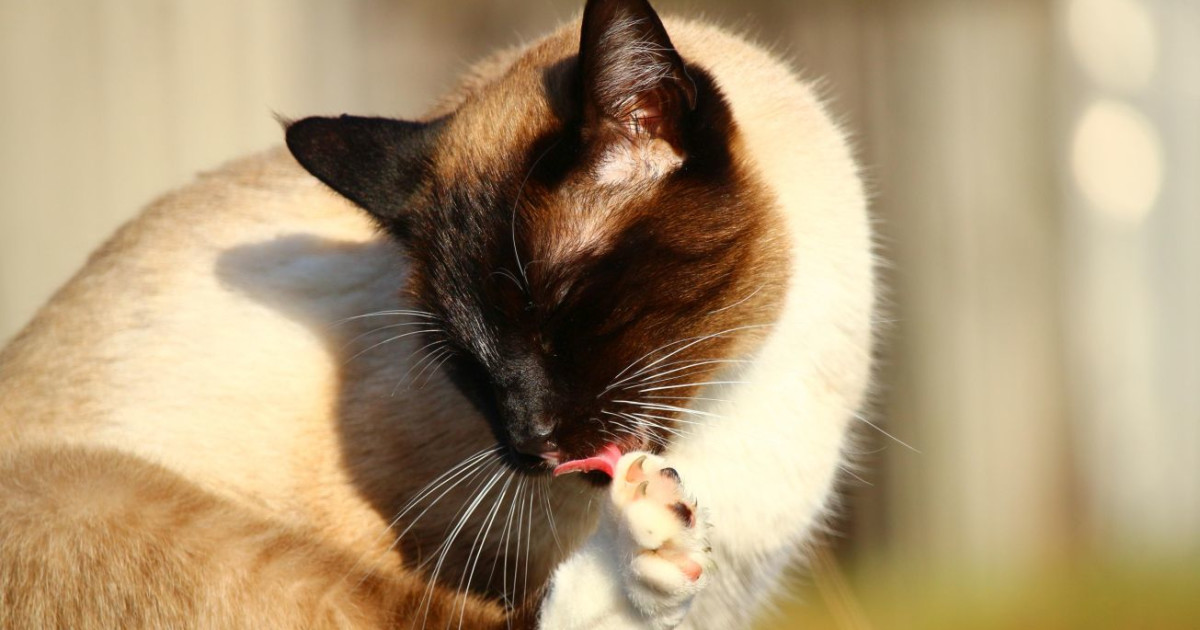
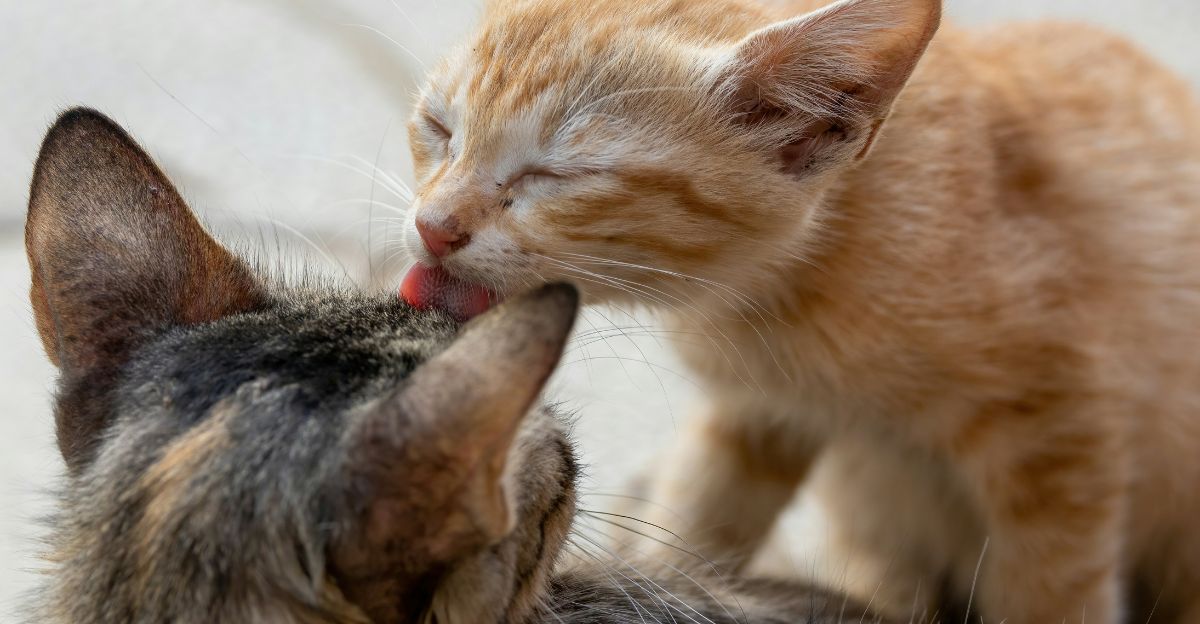
Cats typically spend about 30% to 50% of their waking hours grooming. This includes licking their fur, cleaning their face with their paws, and nibbling on loose hairs. Grooming helps them remove dirt, regulate body temperature, and reduce stress.
You might notice your cat licking more after eating or waking up from a nap. This is completely normal. Most cats have favorite spots they groom more often, like around their head, neck, and back.
Have you ever watched your cat pause between grooming sessions to stretch or look around? That’s a sign they’re relaxed and just taking care of themselves naturally.
Signs Of Excessive Grooming
If your cat suddenly starts grooming much more than usual, it could be a red flag. Excessive grooming often leads to bald patches, redness, or even sores on the skin. You might see your cat licking or biting the same spot repeatedly, which can be painful.
Stress, allergies, fleas, or skin infections commonly cause this behavior. For example, if your cat has fleas, the irritation will make them groom obsessively. Similarly, anxiety triggered by changes at home can cause over-grooming as a coping mechanism.
Ask yourself: Is your cat grooming because they feel clean or because they’re uncomfortable? Watching closely can reveal a lot about their health and happiness.
Stress And Anxiety
Stress and anxiety can cause your cat to groom excessively. This behavior often serves as a coping mechanism, helping cats soothe themselves when they feel unsettled. Understanding what triggers this stress and recognizing related behavior changes can help you support your feline friend better.
Triggers For Cat Anxiety
Cats are sensitive to changes in their environment. Sudden moves, new pets, or loud noises can make your cat anxious.
Even small shifts like rearranged furniture or a change in your routine can disrupt their sense of security. Have you noticed your cat acting differently after a visit from guests or during thunderstorms?
Common triggers include:
- New people or animals in the home
- Changes in feeding schedule
- Unfamiliar smells or sounds
- Lack of hiding spots or safe spaces
- Separation from you for long periods
Behavioral Changes Linked To Stress
Excessive grooming is just one way stress shows up. Your cat might also become withdrawn or overly clingy.
Other signs include:
- Increased vocalization
- Loss of appetite
- Scratching furniture more than usual
- Changes in litter box habits
Have you noticed your cat licking or biting the same spot repeatedly? This can lead to hair loss or skin irritation, signaling that stress is becoming a bigger problem.
Watching for these signs can help you catch anxiety early and take steps to reduce your cat’s stress levels. Providing consistent routines and safe spaces can make a huge difference in calming your pet.
Skin Conditions
Sudden heavy grooming in cats may signal skin problems like allergies, parasites, or infections. Watching for redness or hair loss helps spot issues early. A vet visit can find the cause and ease your cat’s discomfort.
Cats are meticulous groomers, but when your feline friend suddenly starts grooming excessively, it might be due to skin conditions. These issues can cause discomfort, prompting your cat to lick or scratch more than usual. Understanding the underlying causes can help you address the problem and ensure your pet’s well-being.Allergies And Irritations
Allergies are a common cause of increased grooming. Your cat might be reacting to something in their environment, like pollen, dust, or even a new laundry detergent. You might notice them focusing on specific areas that are red or inflamed. Think about any recent changes in your home. Have you introduced new plants, changed cleaning products, or switched your cat’s food? Pinpointing these changes can help you identify potential allergens. If you suspect an allergy, consult your vet for tests and advice. They can offer solutions like hypoallergenic diets or medications to ease your cat’s discomfort.Parasites And Infections
Parasites such as fleas, ticks, and mites are notorious for causing itching and irritation. Even a small infestation can lead to constant scratching and licking. Check your cat’s fur and skin for tiny moving insects or black specks (flea dirt). Infections, whether bacterial or fungal, can also be a culprit. Look for signs like hair loss, scabs, or an unpleasant odor. These symptoms can indicate a deeper issue that needs medical attention. Regular vet visits and preventive treatments can help manage parasites effectively. If an infection is present, prompt veterinary care is crucial for diagnosis and treatment. When your cat’s grooming behavior changes, it speaks volumes about their health. Have you noticed any unusual patterns in your cat’s grooming habits lately? Taking action early can prevent minor issues from becoming major concerns.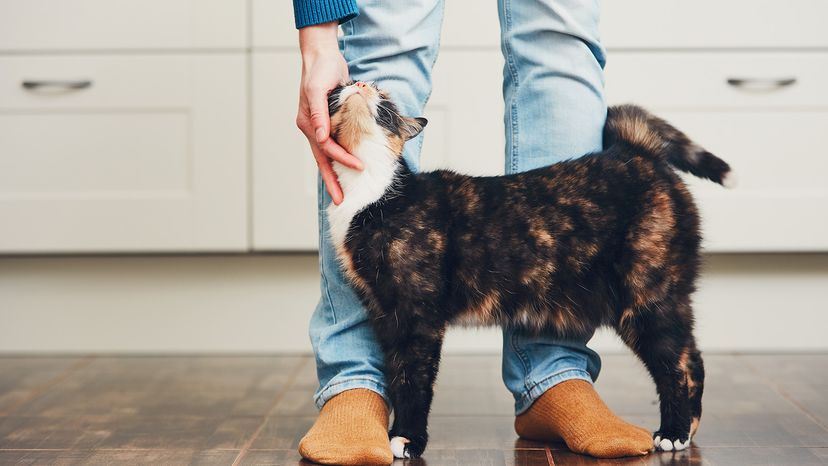
Credit: animals.howstuffworks.com
Pain And Discomfort
When your cat suddenly starts grooming more than usual, pain and discomfort can be a hidden cause. Cats often use grooming as a way to soothe themselves when something hurts or feels off. Understanding the link between grooming and pain can help you spot issues early and get your furry friend the care they need.
Identifying Pain In Cats
Cats are masters at hiding pain, which makes it tricky to recognize when they are uncomfortable. Watch for subtle signs like limping, restlessness, or changes in appetite alongside increased grooming. You might also notice your cat licking the same spot repeatedly or avoiding being touched in certain areas.
Think about whether your cat has recently had any injuries or changes in behavior. Has your cat become quieter or withdrawn? Sometimes, a sudden increase in grooming is your cat’s way of telling you something hurts.
Common Causes Of Discomfort
Several issues can cause your cat discomfort, prompting extra grooming. Skin problems like allergies, parasites, or infections often lead to itching and soreness. These conditions make your cat lick or chew their fur more to relieve irritation.
Joint pain or arthritis can also be a culprit, especially in older cats. Pain in their limbs or back might lead them to groom obsessively as a coping mechanism. Even dental pain can cause stress, making your cat lick more than usual.
- Injuries such as cuts, bruises, or abscesses
- Fleas, ticks, or mites causing itching
- Allergic reactions to food or environment
- Arthritis or muscle pain
- Dental issues causing discomfort
Have you noticed your cat focusing on one spot? That’s a strong hint of localized pain or irritation. Observing these details closely can guide you to seek the right treatment before the problem worsens.
Environmental Factors
Environmental factors can play a big role in why your cat suddenly starts grooming more than usual. These changes often affect your cat’s comfort and stress levels, which in turn influence their grooming habits. Understanding these triggers can help you address the root cause and keep your feline friend happy.
Changes At Home
Have you recently moved furniture, brought in new pets, or had guests over? Such changes can make your cat feel unsettled. Cats often groom more to calm themselves when their environment feels different or unpredictable.
Even small shifts, like a new scent from cleaning products or different lighting, can increase your cat’s grooming. Watch for other signs of stress, such as hiding or loss of appetite, which often accompany grooming surges.
Seasonal Influences
Your cat’s grooming habits may also change with the seasons. Warmer weather can cause your cat to lick more to cool down and remove excess fur. In contrast, during colder months, they might groom to keep their coat clean and fluffy for insulation.
Have you noticed your cat shedding heavily or acting restless during seasonal changes? These are clear signs that their grooming routine is responding to external temperature and fur maintenance needs. Adjusting your cat’s care during these times can help manage their grooming behaviors effectively.
Credit: pethelpful.com
When To See A Vet
Noticing your cat suddenly grooming more than usual can be worrying. Sometimes, excessive grooming is just a phase or a reaction to stress. But other times, it signals a health problem that needs professional attention.
Knowing when to take your cat to the vet can save you time, worry, and keep your pet comfortable. If your cat’s grooming habits change sharply, don’t ignore it. Pay attention to other signs that might mean your cat needs a check-up.
Critical Warning Signs
- Skin irritation or wounds:Look for redness, bald patches, sores, or scabs where your cat grooms excessively.
- Behavioral changes:Is your cat more withdrawn, aggressive, or restless alongside the grooming?
- Hair loss:Noticeable hair thinning or clumps falling out during grooming sessions.
- Changes in appetite or weight:Sudden loss of interest in food or noticeable weight drop can be linked to health issues causing grooming changes.
- Persistent scratching or biting:If your cat is biting its skin or scratching nonstop, it may be trying to relieve pain or irritation.
If you spot any of these signs, it’s time to contact your vet. Ignoring these symptoms might allow an underlying problem to worsen.
Diagnostic Approaches
At the vet, several tests help pinpoint why your cat is grooming excessively. The vet will start with a thorough physical exam, checking your cat’s skin, coat, and overall health.
Blood tests often come next to detect infections, allergies, or hormonal imbalances. Sometimes, the vet will recommend a skin scraping or biopsy to identify parasites or skin diseases.
Allergy testing might be necessary if environmental or food allergies are suspected. If anxiety or stress is the cause, your vet may ask about your cat’s environment and daily routine to spot triggers.
Have you ever noticed your cat grooming more after a change in their environment? This insight can help your vet tailor treatment. Providing detailed observations can make a big difference in diagnosis and care.
Managing Excessive Grooming
Excessive grooming in cats can be worrying for any pet owner. Managing this behavior is crucial to ensure your cat stays healthy and comfortable. Understanding how to tackle it through both behavioral and medical approaches can make a real difference.
Behavioral Interventions
Start by observing what triggers your cat’s grooming. Stress, boredom, or changes in their environment often cause this behavior to spike.
You can help reduce stress by creating a calm space for your cat. Try adding interactive toys or puzzle feeders to keep them busy and mentally engaged.
Consider setting up a consistent daily routine. Cats thrive on predictability, so feeding and playtime at the same hours can soothe anxious pets.
Have you noticed if your cat grooms more when you’re away? Offering more attention and affection when you’re home can sometimes ease their anxiety.
Medical Treatments
If behavioral changes don’t help, a vet visit is essential. Your cat might have allergies, parasites, or skin infections causing discomfort and excessive licking.
Veterinarians can recommend treatments like medicated shampoos, anti-inflammatory drugs, or parasite control.
In some cases, your vet may prescribe calming supplements or medications to address anxiety-related grooming.
Don’t hesitate to ask your vet about ongoing monitoring to track your cat’s progress and adjust treatment as needed.
Frequently Asked Questions
Why Is My Cat Grooming More Than Usual?
Excessive grooming can indicate stress, allergies, or skin issues. It may also signal pain or parasites. Observe your cat’s behavior and consult a vet if grooming is persistent or causes hair loss.
Can Grooming Indicate A Cat’s Health Problems?
Yes, sudden changes in grooming habits can reflect health problems like infections, allergies, or anxiety. Grooming helps cats soothe themselves, so increased grooming might be a response to discomfort or stress.
How To Stop My Cat From Over-grooming?
Identify and address underlying causes such as allergies, stress, or parasites. Provide enrichment, reduce stressors, and consult a veterinarian for treatment if over-grooming leads to sores or hair loss.
Is Sudden Grooming A Sign Of Stress In Cats?
Yes, cats often groom excessively to cope with stress or anxiety. Changes in environment, routine, or new pets can trigger this behavior. Reducing stressors can help normalize grooming habits.
Conclusion
Cats groom to stay clean and calm. Sudden changes in grooming can mean stress or health problems. Watch for signs like redness, hair loss, or changes in behavior. A quick vet visit can find any issues early. Helping your cat feel safe reduces over-grooming.
Keep their environment quiet and comfortable. Understanding why your cat grooms more helps you care better. Small changes can make a big difference. Stay patient and observant to keep your cat happy.

Leave a Reply