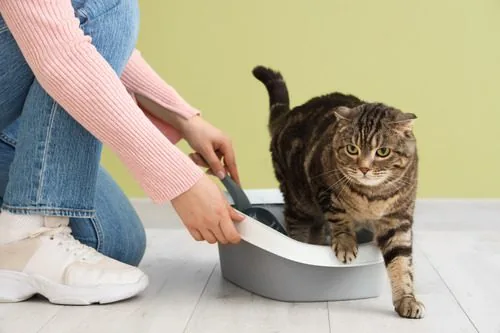
Is your cat suddenly pooping outside his litter box? It can be frustrating and confusing when your furry friend starts making a mess where you least expect it.
You might wonder why this is happening and how to fix it fast. Understanding the reasons behind this behavior can help you protect your home and keep your cat happy. Keep reading to discover the common causes and simple solutions that can bring peace back to your household.

Credit: www.reddit.com
Common Medical Issues
When your cat suddenly starts pooping outside the litter box, it’s easy to blame behavior or cleanliness. But sometimes, the root cause lies in health problems. Understanding common medical issues can help you spot signs early and get your cat the care it needs.
Urinary Tract Problems
Urinary tract infections or blockages can make your cat associate the litter box with pain. This might lead them to avoid it altogether, choosing other spots instead. If you notice your cat straining or crying while trying to urinate, it’s a clear sign to visit the vet immediately.
Digestive Disorders
Diarrhea, constipation, or other digestive issues can disrupt your cat’s bathroom habits. Sometimes, your cat might not reach the litter box in time due to discomfort or urgency. Have you seen your cat licking its rear excessively or showing signs of stomach pain? These symptoms suggest a digestive problem worth checking out.
Pain Or Discomfort
Arthritis or injuries can make climbing into or moving around the litter box painful. If your cat starts choosing easier-to-reach places, it might be trying to avoid that discomfort. Think about your cat’s age and activity level; older cats often face mobility challenges that affect their litter box use.
Litter Box Problems
When your cat starts pooping outside the litter box, the issue often lies with the litter box itself. Cats are particular creatures, and small details about their bathroom setup can make a big difference. Understanding common litter box problems helps you create a space your cat actually wants to use.
Box Cleanliness
Have you ever avoided a dirty bathroom? Your cat feels the same way. A litter box that isn’t cleaned regularly can quickly become unpleasant for your feline friend.
Cleaning the box daily and completely changing the litter once a week keeps it fresh. If your cat refuses to use the box, check if it smells or looks messy. Sometimes, even a little litter stuck to the sides can be off-putting.
Litter Type Preferences
Your cat’s litter preference can be surprisingly specific. Some cats dislike scented litters or those with large, coarse granules. Others prefer softer, finer textures that feel comfortable under their paws.
Try offering different types of litter to see which one your cat likes best. You might notice your cat scratching more in one box than another, signaling a preference. What litter does your cat naturally gravitate toward?
Box Size And Location
The size of the litter box matters. A box that’s too small can make your cat feel cramped and uncomfortable. Ideally, your cat should have enough space to turn around easily and dig without restrictions.
Location is just as important. Placing the box in a noisy or high-traffic area can stress your cat. Choose a quiet, private spot where your cat feels safe. Have you noticed if your cat avoids a certain box because of where it’s placed?
Behavioral Causes
Stress or changes in the home can cause cats to avoid their litter box. Conflicts with other pets or fear might make them choose different spots. Behavioral issues often signal that something is bothering your cat.
Understanding why your cat is pooping outside the litter box can be puzzling. Behavioral causes often play a significant role. Let’s explore some common reasons behind this behavior.Stress And Anxiety
Cats are sensitive to changes in their environment. Loud noises or new pets can cause stress. This stress often leads to litter box avoidance. Even subtle changes like new furniture can trigger anxiety. A stressed cat might associate the litter box with negative experiences. Providing a calm and stable environment helps reduce stress.Territorial Marking
Cats are territorial creatures. They use poop to mark their territory. This behavior is common in multi-cat households. A new pet or cat might trigger territorial marking. Cats may also mark territory to assert dominance. Observing their behavior can help in identifying these triggers.Changes In Routine
Cats thrive on routine. Any disruption can cause litter box issues. Changes like new feeding times may confuse them. Moving the litter box also disrupts their routine. Cats may not find the new location comfortable. Maintaining a consistent schedule helps them feel secure.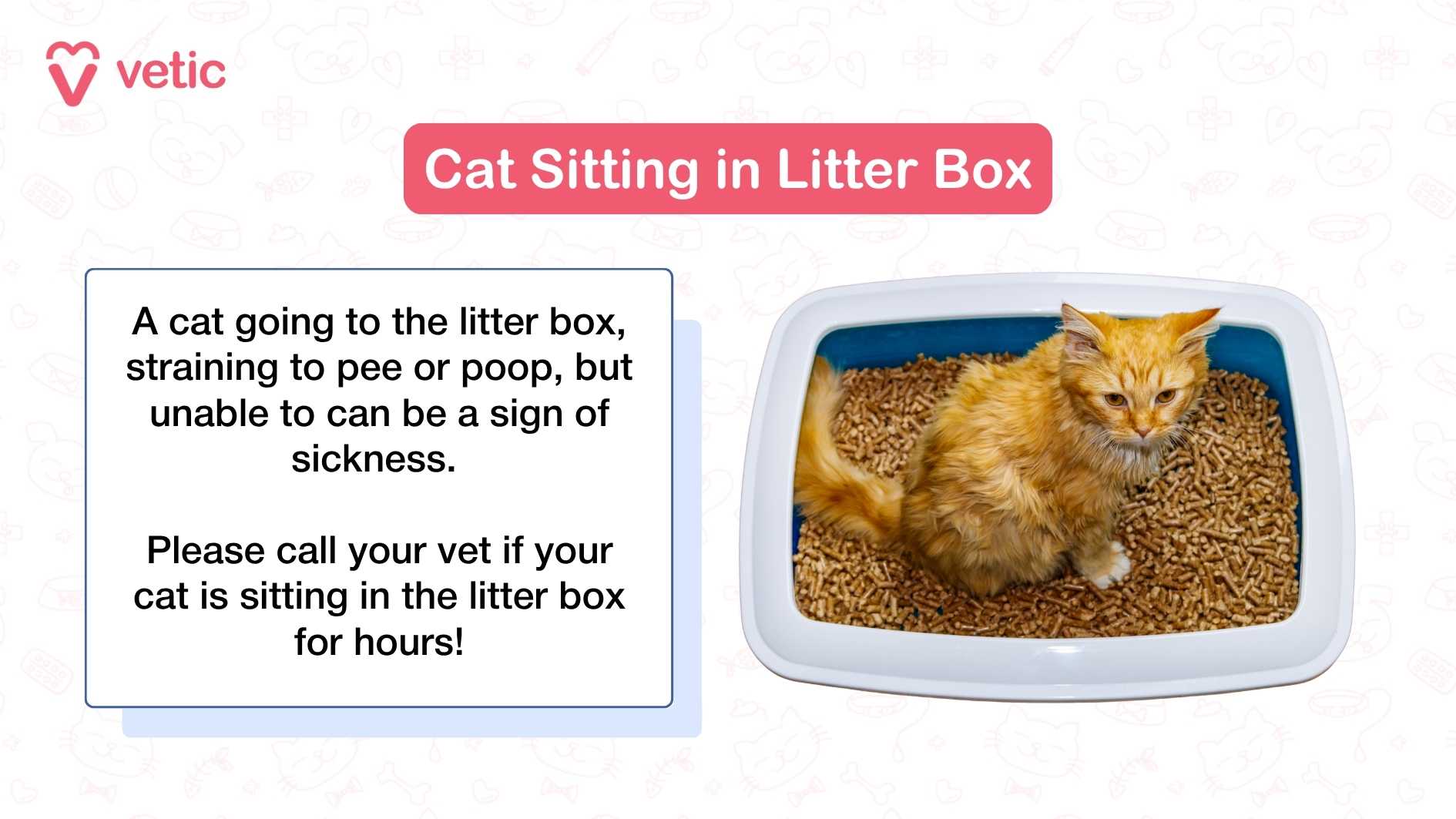
Credit: vetic.in
Environmental Factors
Environmental factors often play a silent but powerful role in why your cat might suddenly start pooping outside the litter box. Cats are creatures of habit, and changes in their surroundings can make them feel unsettled or stressed. Understanding these changes can help you address the root cause and encourage your cat to return to proper litter box use.
New Pets Or Family Members
Adding a new pet or family member can disrupt your cat’s sense of security. Your cat might feel threatened or anxious, which can lead to changes in bathroom habits. Have you noticed your cat acting more withdrawn or territorial since someone new arrived? Creating separate spaces and giving your cat extra attention can help ease this tension.
Noise And Disruptions
Loud noises or frequent disruptions can stress your cat and discourage them from using the litter box. Construction work, loud music, or even a noisy appliance might make the litter area uncomfortable. Consider if recent noise changes coincide with the litter box issues and try moving the box to a quieter spot.
Access To The Litter Box
Limited or difficult access to the litter box can confuse or frustrate your cat. If the box is in a hard-to-reach location or blocked by obstacles, your cat may choose a more convenient spot instead. Check if doors, furniture, or other barriers are preventing easy access and remove any obstacles to ensure your cat can reach their box whenever needed.
Solutions To Encourage Proper Use
Encouraging your cat to use the litter box properly can feel challenging, but there are clear steps you can take to solve this issue. Understanding what might be causing your cat’s behavior is key. Let’s look at practical solutions that address the environment, health, and emotional well-being of your cat.
Improving Litter Box Setup
Is your cat avoiding the box because it’s uncomfortable or dirty? Cats are picky about their bathroom habits. Make sure the litter box is clean and scooped daily to keep it inviting.
Try different types of litter to find what your cat prefers—some like clumping, others want unscented options. Also, consider the box size; a bigger box gives your cat more room to move and feel secure.
Placement matters too. Avoid noisy or high-traffic areas. A quiet, easily accessible spot can make a huge difference in your cat’s willingness to use the box.
Addressing Health Issues
Have you noticed any changes in your cat’s behavior or health? Sometimes pooping outside the litter box signals medical problems like urinary tract infections or digestive issues.
Visit your vet for a thorough check-up. Early diagnosis can prevent discomfort and stop the behavior from becoming a habit.
Don’t forget about age-related concerns. Older cats may have arthritis or mobility problems that make it hard to reach or climb into the litter box.
Reducing Stress Triggers
Stress can cause your cat to avoid the litter box. New pets, changes in routine, or loud noises can unsettle them quickly.
Observe your cat’s environment. Have there been recent changes? Try creating safe zones with cozy beds and hiding spots to help your cat feel secure.
Consider using calming aids like pheromone diffusers or gentle music. Have you noticed if your cat relaxes more with certain activities or toys? Engaging them can reduce anxiety and improve litter box habits.
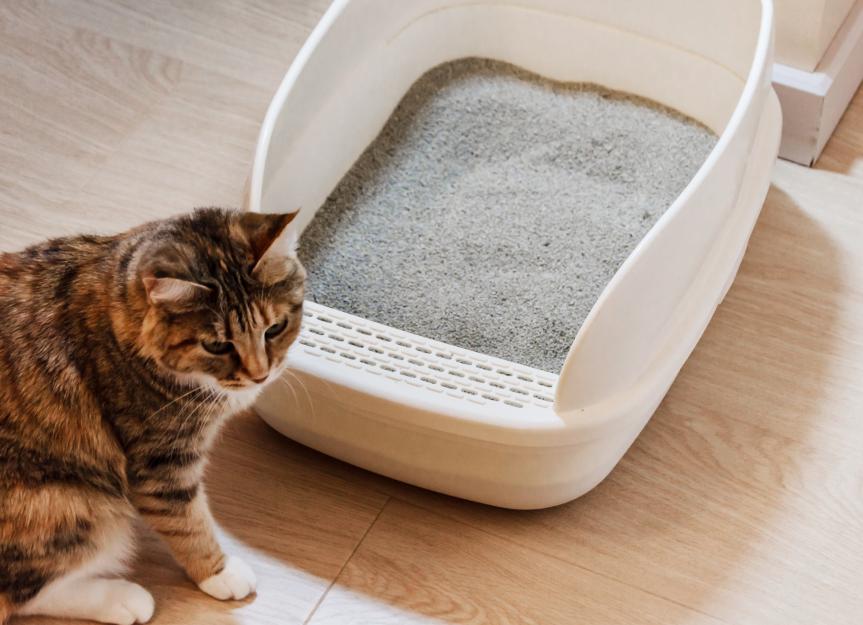
Credit: www.petmd.com
Frequently Asked Questions
Why Is My Cat Pooping Outside The Litter Box?
Cats may poop outside the box due to stress, illness, or a dirty litter box. Changes in environment or litter type can also cause this behavior. Identifying the cause helps in addressing the issue promptly and keeps your cat comfortable.
How Can I Stop My Cat From Pooping Outside?
Clean the litter box regularly and provide enough boxes for multiple cats. Use unscented, clumping litter and place boxes in quiet, accessible areas. Consult a vet to rule out medical issues and reduce stressors in your cat’s environment.
Could Health Problems Cause Litter Box Avoidance?
Yes, health issues like infections, constipation, or arthritis can make litter box use painful or difficult. A vet check-up is essential to diagnose and treat any medical conditions causing your cat to avoid the box.
Does Litter Box Size Affect My Cat’s Behavior?
Yes, a litter box that’s too small or covered can discourage use. Cats prefer large, open boxes with enough room to move comfortably. Proper size encourages consistent litter box use and reduces accidents.
Conclusion
Cats may poop outside the litter box for many reasons. Stress, health issues, or dirty boxes can cause this problem. Watch your cat’s behavior closely. Keep the litter box clean and in a quiet place. Sometimes, a vet visit is needed to rule out illness.
Patience and care help your cat feel safe. Small changes can make a big difference. Understanding your cat’s needs is key to solving this issue. Your cat will return to good habits with time and love.



Leave a Reply