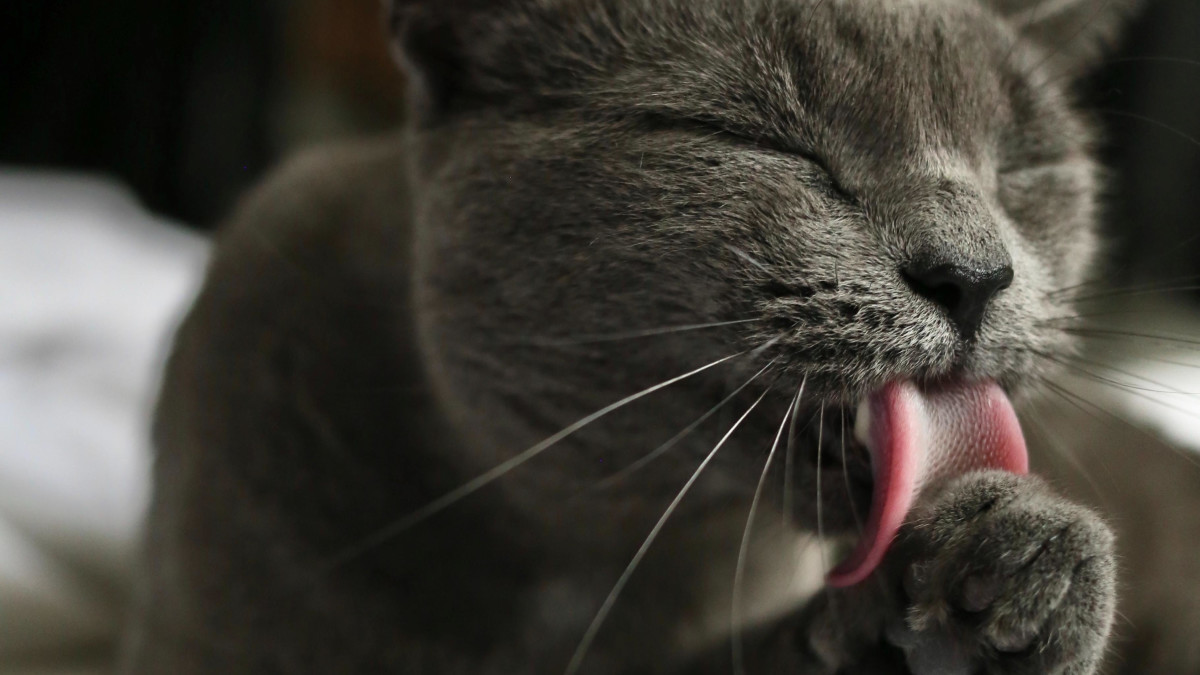
Have you noticed your cat licking or biting its fur more than usual whenever you leave the house? It’s worrying to see your furry friend over grooming, and you might be wondering why this happens and what it means.
Understanding why your cat overgrooms when you’re not around is key to helping them feel calmer and happier. You’ll discover the surprising reasons behind this behavior and what you can do to make your cat feel safe even when you’re away.
Keep reading—your cat’s well-being depends on it.
Signs Of Cat Over Grooming
Noticing your cat over grooming can be worrying, especially if it happens when you leave. Understanding the signs is key to helping your furry friend. These signs often show up in behavior and physical changes that you might miss if you’re not paying close attention.
Behavioral Changes
Your cat may act differently when you’re away. They might become unusually restless or pace around the house. Some cats show increased vocalization, like meowing more often or loudly, as if trying to get your attention.
Watch for signs of anxiety too. Your cat might hide more or become clingy the moment you return. These changes suggest your cat is stressed and possibly using over grooming as a way to cope.
Physical Symptoms
Physical signs are often easier to spot. Look for patches where fur is thinning or missing, especially around the belly, legs, or neck. The skin underneath might appear red or irritated from excessive licking.
You might even find small wounds or scabs where your cat has over-groomed. These symptoms can worsen if left unchecked, leading to infections or long-term skin problems. Have you checked your cat’s coat closely after you get back from being gone?
Stress And Anxiety Triggers
Cats often groom themselves to relax and feel safe. But too much grooming can signal stress or anxiety. Stress and anxiety triggers are common reasons cats over groom when left alone. Understanding these triggers helps you support your cat better.
Separation Anxiety
Separation anxiety happens when cats feel scared or lonely without their owners. Cats bond closely with people and may get upset during absence. This fear causes them to lick or bite their fur excessively. Over grooming helps soothe their anxious feelings temporarily.
Signs of separation anxiety include:
- Restlessness or pacing before you leave
- Vocalizing loudly
- Hiding or acting withdrawn
- Excessive grooming after you go
Separation anxiety is a strong emotional response to being alone. It triggers physical behaviors like over grooming as a coping mechanism.
Environmental Changes
Changes in a cat’s environment can create stress and anxiety. Moving furniture, new pets, or loud noises disrupt their comfort zone. Cats rely on stable surroundings to feel safe and calm. Sudden changes can lead to nervous behaviors, including over grooming.
Common environmental stressors are:
- New people or animals in the home
- Renovations or loud sounds
- Moving to a new house
- Changes in routine or feeding times
These changes trigger stress responses. Over grooming becomes an outlet for their nervous energy.
Medical Causes To Consider
Stress or anxiety can cause cats to over groom when left alone. Skin allergies, infections, or parasites might also trigger excessive licking and biting. A vet visit helps find the exact medical cause behind this behavior.
When your cat starts over grooming as soon as you leave the room, it can be a sign of underlying medical issues. Cats, much like humans, have unique ways of displaying discomfort. Over grooming might seem like a quirky habit, but it’s often their way of indicating something isn’t right. Understanding the medical causes can help you address the problem effectively.Skin Allergies
Cats can be sensitive to a variety of allergens. Common triggers include food ingredients, pollen, and even household cleaning products. If your cat’s skin is itchy or irritated, over grooming might be their attempt to alleviate the discomfort. Have you noticed any skin redness or hair loss? These could be signs of an allergic reaction. A visit to the vet can pinpoint the allergen and help you eliminate it from your cat’s environment.Parasites And Infections
Parasites such as fleas, mites, and ticks are notorious for causing itchiness. Even if you don’t see them, they might still be present and bothering your cat. Infections, whether bacterial or fungal, can also lead to persistent itching. Is your cat’s grooming resulting in bald patches or scabs? This could indicate a parasitic infestation or an infection. Regular check-ups and maintaining a clean environment can significantly reduce the risk of these issues. Being proactive about your cat’s health can prevent minor issues from becoming major concerns. So, the next time your cat starts over grooming when you leave, take a closer look. Are there underlying medical causes you should consider?
Credit: www.feliway.co.uk
Emotional Needs Of Cats
Cats have deep emotional needs that affect their behavior. They form strong bonds with their owners. When left alone, cats may feel stressed or anxious. This emotional strain can lead to over grooming. Understanding these feelings helps solve the problem.
Seeking Comfort
Cats use grooming to calm themselves. It acts like a soothing ritual. When you leave, your cat might feel lonely or scared. Grooming becomes a way to find comfort. It helps reduce their anxiety and stress.
This behavior is similar to humans using habits to relax. Over grooming shows the cat’s attempt to cope with absence. Providing a safe and calm space can ease this need.
Attention Seeking Behavior
Cats want connection and care from their owners. Over grooming can be a sign they want attention. They may feel ignored or lonely when you are away. Grooming loudly or excessively calls for your focus.
Recognizing this helps you respond with more playtime and affection. Meeting their emotional needs lowers stress and reduces over grooming. It strengthens your bond and makes your cat happier.
Impact Of Owner’s Absence
The impact of an owner’s absence on a cat can be significant. Cats thrive on stability and familiarity. When their routine is disrupted, stress can build up quickly. This stress often shows through behaviors like over grooming. Understanding these effects helps in managing your cat’s well-being during times apart.
Routine Disruption
Cats depend on a set daily routine. Feeding, playtime, and rest usually happen at the same time. When an owner leaves, this schedule often changes. Meals might come later or playtime is missed. This breaks the cat’s sense of security.
Without routine, a cat feels uncertain. This uncertainty causes anxiety. Over grooming becomes a way to cope. It is a self-soothing behavior that helps relieve nervous energy. Re-establishing a routine quickly can reduce this stress.
Loneliness Effects
Cats are social animals, even if they seem independent. They bond deeply with their owners. When left alone, cats can feel lonely and isolated. This loneliness often leads to emotional distress.
Over grooming can be a sign of this distress. It acts as a distraction from feelings of sadness or boredom. Some cats lick or bite their fur until it becomes raw. Providing companionship or interactive toys can help lessen loneliness.
Preventing Over Grooming
Preventing over grooming in cats can feel like a puzzle, especially when it happens as soon as you step out the door. The key lies in addressing the root causes of your cat’s anxiety and boredom. Small changes in your home and daily routine can make a big difference in helping your feline friend feel secure and calm.
Creating A Calming Environment
Your cat’s surroundings have a huge impact on their stress levels. Try to keep a quiet, cozy space where your cat can retreat when you’re not home. Soft bedding, familiar scents, and a spot with a view of the outside world can help your cat feel safe.
Using calming aids like pheromone diffusers or sprays can also reduce anxiety. These products mimic natural cat pheromones, which can soothe your pet. Have you noticed how your cat reacts to silence or sudden noises? Reducing loud sounds and sudden changes can prevent stress-triggered over grooming.
Interactive Toys And Distractions
Keeping your cat mentally and physically stimulated is crucial. Toys that mimic prey, like feather wands or laser pointers, can engage their hunting instincts and distract them from over grooming. Puzzle feeders challenge their minds and slow down eating, which can be a great time-filler during your absence.
Try rotating toys to keep your cat interested, and consider automatic or timed toys that activate while you’re away. This way, your cat won’t feel alone or bored. Have you tried leaving a new toy out and noticed how long your cat stays engaged? Small changes like this can make a big difference.
When To See A Vet
Understanding when to see a vet is crucial if your cat overgrooms after you leave. Overgrooming can signal deeper health or emotional issues. Early vet visits help catch problems before they worsen. Watch your cat closely for signs that need professional attention. Persistent licking, bald patches, or skin sores are warning signs. Your vet can offer a proper diagnosis and relief for your cat.
Identifying Serious Conditions
Overgrooming may point to allergies or skin infections. Parasites like fleas cause intense itching and licking. Stress and anxiety often lead to compulsive grooming habits. Sometimes, pain from arthritis or injuries triggers overgrooming. A vet will examine your cat’s skin and overall health. Blood tests or skin scrapings might be needed. These tests help rule out infections, allergies, or other illnesses. Early detection prevents complications and improves your cat’s comfort.
Treatment Options
Treatment depends on the vet’s diagnosis. Parasite infestations require special shampoos or medications. Allergies might need dietary changes or antihistamines. Skin infections often call for antibiotics or topical creams. For anxiety, vets recommend calming products or behavior therapy. Sometimes, medications reduce stress and stop overgrooming. Follow the vet’s advice and complete the full treatment course. Consistent care helps your cat heal and feel better fast.
:strip_icc()/the-kitty-1011094438-5c3d1af5c9e77c00015e66a6.jpg)
Credit: www.thesprucepets.com
Credit: pethelpful.com
Frequently Asked Questions
Why Does My Cat Over Groom When I Leave?
Cats often over groom due to stress or anxiety caused by your absence. It helps them self-soothe and feel secure. Over grooming can indicate emotional distress, so monitoring their behavior is important.
Can Separation Anxiety Cause Cat Over Grooming?
Yes, separation anxiety is a common reason cats over groom. When left alone, cats may feel lonely or stressed, leading to excessive licking or chewing to cope with their feelings.
How Can I Reduce My Cat’s Over Grooming?
Provide interactive toys, regular playtime, and a safe environment to reduce stress. Gradual desensitization to your leaving routine can also help minimize over grooming.
Is Over Grooming Harmful To Cats?
Yes, over grooming can damage your cat’s skin and fur. It may cause bald spots, irritation, or infections, so addressing the root cause is essential for your cat’s health.
Conclusion
Cats often over groom due to stress or anxiety when left alone. This behavior shows they feel uneasy or lonely. Watching for signs helps you understand their feelings better. Providing toys or comfort can reduce their stress. Spend quality time together to keep your cat calm and happy.
Remember, a relaxed cat grooms less and enjoys life more. Taking small steps can make a big difference in your cat’s well-being. Stay patient and caring to help your furry friend feel safe.

Leave a Reply