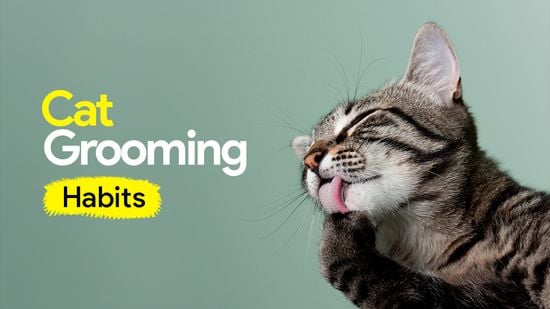
Have you ever noticed your cat spending a lot of time licking its fur? You might wonder, when do cats groom, and why do they do it so often?
Understanding your cat’s grooming habits can tell you a lot about their health and mood. You’ll discover the surprising reasons behind your cat’s cleaning routine and learn how to tell if everything is just right. Keep reading to unlock the secrets of your feline friend’s daily self-care.

Credit: tryfurgo.com
Cat Grooming Patterns
Understanding your cat’s grooming patterns can help you notice when something feels off. Cats are meticulous about their cleanliness, but their grooming habits vary throughout the day and across seasons. Observing these patterns lets you support your feline’s health and comfort more effectively.
Daily Grooming Routine
Cats usually spend a good part of their day grooming themselves. This isn’t just about staying clean; it helps regulate their body temperature and reduce stress. You might notice your cat licking their fur multiple times a day, especially after eating or waking up from a nap.
Some cats groom more than others, depending on their personality and breed. Long-haired cats require extra attention from their owners because they can’t manage knots and mats as easily. Have you observed how your cat’s grooming changes on busy days versus calm days?
Grooming During Different Times Of Day
Many cats prefer grooming in the early morning or late evening, aligning with their crepuscular nature. These quieter times allow them to focus without distractions. You might find your cat pausing to clean themselves just before settling down to sleep.
During the heat of the day, grooming may decrease to avoid overheating. However, if your cat is particularly restless, you might catch unexpected bursts of grooming anytime. Does your cat have a favorite time to groom that fits with their activity levels?
Seasonal Grooming Changes
As seasons shift, your cat’s coat changes too, which affects grooming habits. In spring and fall, they shed more, so grooming increases to remove loose hair. This helps prevent hairballs and keeps their coat healthy.
Winter months might see less shedding but more licking to keep warm. Summer heat can lead to extra grooming to cool down and remove dirt. Watching these seasonal shifts can guide you on when to help with brushing or check for skin issues.
Reasons Behind Grooming
Cats spend a surprising amount of time grooming themselves, and there are several clear reasons behind this behavior. Grooming is not just about looking good; it serves important functions that affect their health and well-being. Understanding these reasons can help you better care for your feline friend and recognize when their grooming habits might signal something else.
Cleaning And Hygiene
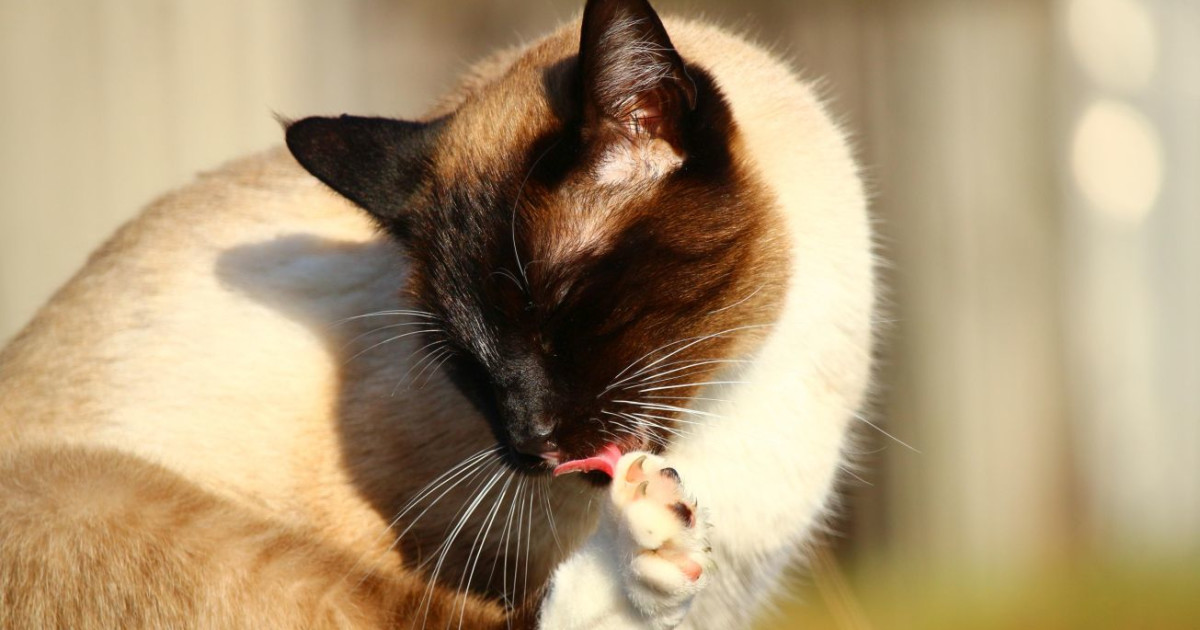
Grooming is a cat’s natural way to stay clean. Their tongue’s tiny, hook-like structures help remove dirt, loose fur, and parasites like fleas. If you notice your cat spending extra time licking, it might be because they want to clean a spot that feels uncomfortable or itchy.
Have you ever seen your cat meticulously cleaning after eating? This habit reduces scents that might attract predators, a leftover instinct from their wild ancestors. Keeping your cat’s coat clean also helps prevent skin infections and matting.
Temperature Regulation
Did you know grooming helps cats cool down? When cats lick their fur, the saliva evaporates, creating a cooling effect similar to sweating in humans. This is especially important in warm weather or when they’re feeling hot after playtime.
Grooming also fluffs up their fur, which can trap air and provide insulation during colder days. So, grooming acts like a natural thermostat, helping your cat maintain a comfortable body temperature throughout the year.
Stress Relief And Comfort
Grooming isn’t only physical; it’s emotional too. Cats often groom to calm themselves when they feel anxious or stressed, much like how humans might bite their nails or pace. If you notice your cat grooming obsessively, it could be a sign they’re feeling uneasy.
On a positive note, grooming can also be a comforting routine that helps cats feel safe and secure. When you pet your cat during or after grooming, you reinforce this sense of comfort, strengthening your bond.
Grooming And Social Behavior
Cats are known for their meticulous grooming habits, but did you know that grooming plays a crucial role in their social behavior too? Beyond keeping their fur clean, grooming is a way for cats to communicate and bond with each other. Understanding this aspect of their behavior can deepen your connection with your feline friend and provide insights into their social world.
Grooming Between Cats
Have you ever noticed two cats grooming each other? This behavior, often called allogrooming, is common among cats that share a close bond. It’s not just about hygiene; it’s a way for cats to show trust and friendship.
When cats groom each other, they often focus on areas that are difficult for the other to reach, like the head and neck. This mutual assistance strengthens their social ties and can even help reduce tension in multi-cat households.
Grooming As A Bonding Activity
Grooming isn’t just about physical closeness—it’s an emotional connection too. Have you ever wondered why your cat licks you? It’s their way of saying you’re part of their family. This behavior mirrors the grooming they do with other cats.
Spending time grooming each other can help cats feel more relaxed and secure. If your cat grooms you, it’s a sign of affection, and reciprocating with gentle strokes can enhance your bond.
Next time you see your cats grooming each other or you, consider what they’re really doing. They’re building a family, one lick at a time. How will you respond to this gesture of trust and connection?
Impact Of Age And Health
Age and health play a big role in a cat’s grooming habits. Cats groom to stay clean and healthy. As they grow older or face health problems, their grooming routines can change. Understanding these changes helps in caring for them better.
Grooming In Kittens Vs Adults
Kittens start grooming themselves at around 3 weeks old. Their mother also grooms them to keep them clean. At this stage, grooming is often quick and less thorough.
Adult cats groom more often and carefully. They spend a lot of time licking their fur. Grooming helps remove dirt and loose hair. It also cools them down and reduces stress.
Older cats may groom less. Their movements might slow down. This can make their fur look messy or tangled. They might miss spots while cleaning.
Health Issues Affecting Grooming Habits
Illness can affect a cat’s ability to groom. Pain from arthritis or injury may stop them from reaching certain areas. Skin problems like allergies or infections can also change grooming behavior.
Dental pain can make grooming painful. Cats may lick less or avoid grooming completely. Obesity can limit their flexibility, reducing grooming frequency.
When grooming drops suddenly, it could signal health issues. Watch for changes in fur texture or cleanliness. Regular vet checkups help catch problems early.
Owner’s Role In Grooming
Your cat relies on you more than you might realize when it comes to grooming. While cats are naturally fastidious creatures, your involvement can greatly impact their cleanliness and comfort. Understanding your role helps you catch issues early and strengthen your bond.
Assisting With Grooming
Sometimes your cat may need a little help with grooming, especially if they are older, overweight, or have long fur that tangles easily. Regular brushing not only keeps their coat smooth but also reduces hairballs and shedding around your home.
Use a soft-bristle brush or comb suited to your cat’s fur type. Start with short sessions to let your cat get used to the sensation. You might notice your cat relaxing during these moments, turning grooming into a calming routine for both of you.
Have you tried using grooming wipes or pet-safe shampoos for those spots your cat can’t reach? These tools can be lifesavers during colder months or when your cat avoids water. Your gentle touch can make grooming feel like a treat, not a chore.
Recognizing Grooming Problems
Pay close attention to changes in your cat’s grooming habits. A sudden decrease in grooming might signal pain or illness, while excessive licking could indicate skin irritation or allergies.
Look for signs such as bald patches, redness, or sores. If you spot these, it’s time to consult your vet rather than waiting for the problem to worsen.
Ask yourself: is your cat’s coat shiny and clean, or dull and unkempt? Your daily observations can help catch issues early and keep your cat comfortable and healthy.
Credit: pethelpful.com

Credit: basepaws.com
Frequently Asked Questions
When Do Cats Usually Groom Themselves?
Cats typically groom themselves after waking up, before sleeping, and after eating. Grooming helps them stay clean and calm.
How Often Do Cats Groom In A Day?
Cats groom several times a day, usually totaling 30-50 minutes. Frequent grooming maintains their fur and skin health.
Why Do Cats Groom More During Stress?
Cats groom more when stressed to soothe themselves. Grooming releases calming endorphins, reducing anxiety and tension.
Can Grooming Indicate A Cat’s Health Status?
Yes, changes in grooming habits can signal health issues. Overgrooming or neglecting grooming may require veterinary attention.
Conclusion
Cats groom to stay clean and healthy. They spend time licking to remove dirt and loose fur. Grooming also helps them cool down and relax. You might notice grooming after eating or waking up. Sometimes, cats groom to show comfort or reduce stress.
Watching your cat’s grooming habits can tell you a lot about their mood and health. Healthy grooming means a happy cat. Keep an eye on changes in grooming to catch any problems early. Understanding when cats groom helps you care for them better.
Simple, natural behavior with many benefits.

Leave a Reply