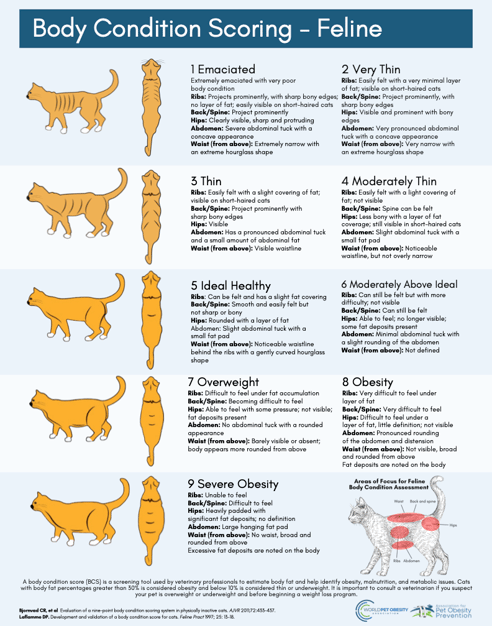
Have you noticed your cat spending way too much time licking or biting her tail? It might seem like just a quirky habit, but over grooming can be a sign that something isn’t quite right.
You might be worried about why your furry friend is doing this and what it means for her health. Understanding the reasons behind your cat’s over grooming can help you take the right steps to keep her comfortable and happy.
Keep reading to discover the common causes and what you can do to help your cat stop over grooming her tail.
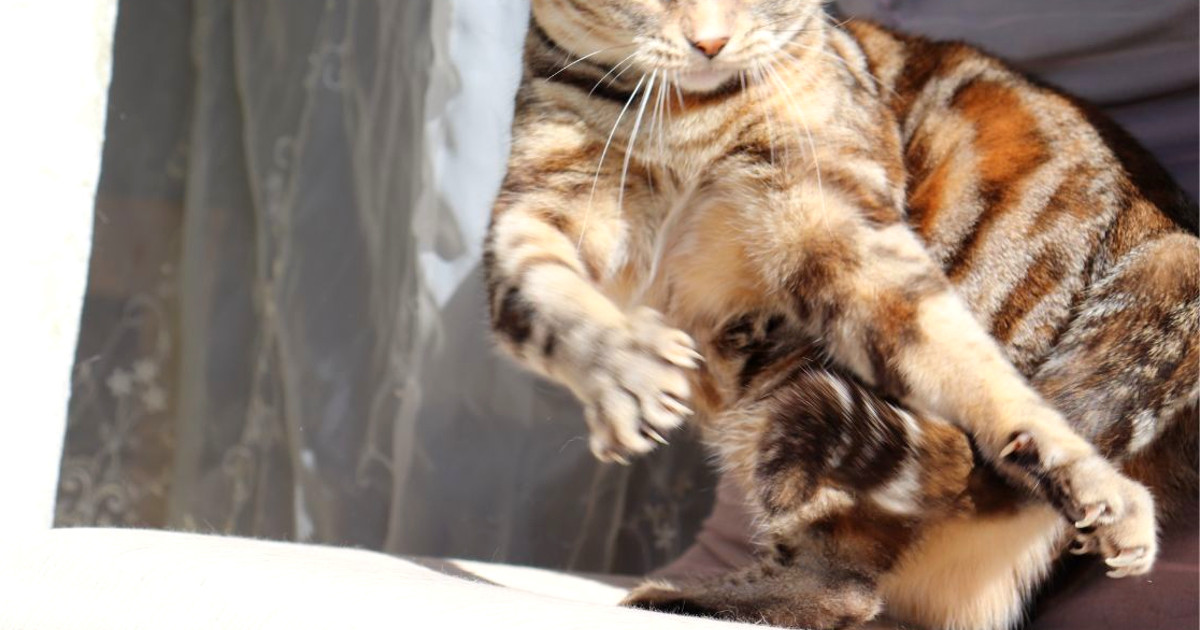
Credit: pethelpful.com
Signs Of Tail Over Grooming
Recognizing the signs of tail over grooming is important for your cat’s health. Cats may groom their tails too much due to stress, allergies, or pain. Noticing the symptoms early helps prevent further damage and discomfort. Observe your cat carefully for changes in behavior and physical condition.
Behavioral Symptoms
- Excessive licking or biting of the tail
- Restlessness or pacing around the house
- Increased scratching focused on the tail area
- Hiding or avoiding interaction with people or pets
- Sudden aggression when the tail is touched
Physical Indicators
- Redness or inflammation on the tail
- Hair loss or bald patches along the tail
- Scabs, sores, or wounds on the skin
- Thickened or dry skin from constant licking
- Swelling or unusual odor around the tail
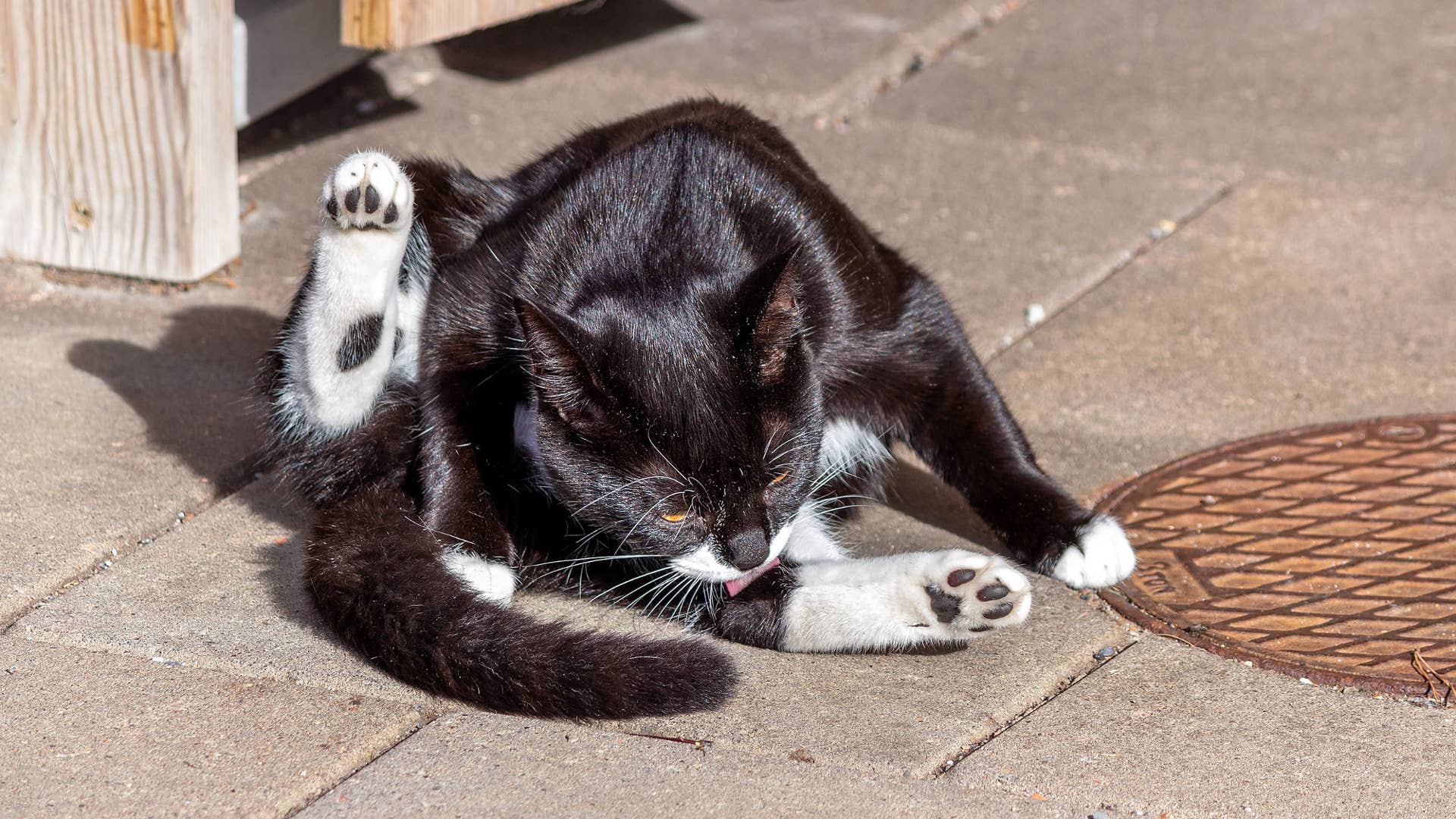
Credit: pethelpful.com
Common Causes
Over grooming in cats can signal different health or emotional problems. Understanding common causes helps you address the issue quickly. Cats often focus on their tails when something is wrong in that area.
Many factors can lead to over grooming. These causes range from physical discomfort to emotional stress. Knowing these reasons aids in finding the right solution for your cat.
Allergies And Skin Irritations
Allergies cause itching and redness on the skin. Cats may lick or bite their tails to relieve discomfort. Common allergens include food, pollen, dust, or chemicals in cleaning products. Skin irritations like rashes or dry patches also lead to excessive grooming. Checking your cat’s environment and diet can help identify allergens.
Parasites And Infections
Parasites like fleas and mites cause intense itching. Cats often groom their tails to remove these pests. Bacterial or fungal infections can also irritate the skin. Infections may cause swelling, redness, or sores on the tail. A vet visit is important to diagnose and treat parasites or infections properly.
Stress And Anxiety
Cats groom more when they feel stressed or anxious. Changes in environment or routine can trigger this behavior. Grooming acts as a self-soothing mechanism. Stress-related over grooming may lead to hair loss or sores. Providing a calm and stable environment helps reduce anxiety.
Pain And Discomfort
Pain in the tail or nearby areas causes cats to lick or bite excessively. Injuries, arthritis, or nerve problems can trigger this behavior. Grooming may be an attempt to ease the pain. Observing your cat for limping or sensitivity is important. Veterinary care is necessary to treat underlying pain or injury.
Diagnosing The Problem
Understanding why your cat is over-grooming her tail can be a puzzle. The habit might seem harmless at first, but it can lead to skin irritation or even infections. Diagnosing the problem is crucial to ensuring your feline friend stays happy and healthy.
Veterinary Examination
A visit to the vet is essential when your cat’s grooming becomes excessive. Your vet will check for any skin abnormalities, parasites, or infections. They will also consider your cat’s overall health and behavior, which can provide clues to the underlying issue.
Have you noticed any recent changes in your cat’s environment or diet? These factors can contribute to stress, which often manifests as over-grooming. Discuss these details with your vet to help pinpoint the cause.
Diagnostic Tests
Your vet may recommend diagnostic tests to rule out medical conditions. Blood tests can check for hormonal imbalances or allergies. Skin scrapings might be needed to identify parasites like fleas or mites.
Sometimes, the problem isn’t physical but psychological. If your vet suspects anxiety or boredom, they may suggest behavior modification strategies. Engaging your cat with interactive toys or new activities can help alleviate stress.
Remember, you play a vital role in your cat’s health. Observing and sharing your cat’s behavior changes can lead to a quicker diagnosis. Isn’t it reassuring to know that a simple vet visit can shed light on your furry friend’s woes?
Effective Treatments
Effective treatments for a cat over grooming her tail focus on stopping the behavior and healing the skin. Treatment depends on the cause of over grooming. Some methods soothe irritation, others calm anxiety or pain. Acting quickly helps prevent damage and infection.
Medications And Topical Remedies
Medications often reduce itching and inflammation. Vets may prescribe antihistamines or steroids. These help calm skin irritation. Topical creams and sprays protect wounds and promote healing. Sometimes, medicated shampoos clear skin infections. Always follow the vet’s instructions carefully.
Addressing Allergies And Parasites
Allergies and parasites often cause over grooming. Identifying allergens through testing helps find triggers. Removing allergens from the environment reduces symptoms. Flea treatments and parasite control stop biting and itching. Regular grooming and cleaning keep parasites away. A clean home supports skin health.
Behavioral Therapy
Stress and anxiety can cause over grooming. Behavioral therapy helps reduce these feelings. Providing more playtime and exercise relieves boredom. Puzzle toys and interactive games keep cats engaged. Creating a calm environment lowers stress levels. Sometimes, calming collars or sprays are useful.
Pain Management
Pain in the tail or back can trigger over grooming. Vets check for injuries or arthritis. Treating pain with medication eases discomfort. Physical therapy or gentle massage may help. Monitoring the cat’s movements detects any worsening issues. Pain relief improves quality of life and stops over grooming.
Preventing Over Grooming
Preventing over grooming in cats requires attention to both their physical and emotional needs. Over grooming often signals discomfort or stress. Addressing these causes helps your cat stay healthy and happy.
Environmental Enrichment
Provide toys and scratching posts to keep your cat busy. A variety of toys prevents boredom and encourages natural play. Rotate toys often to maintain interest. Create safe spaces where your cat can relax undisturbed. Window perches offer stimulation from outside sights.
Regular Health Checks
Visit the vet regularly to rule out skin conditions or allergies. Fleas, mites, or infections may cause itching and over grooming. Early detection of health problems prevents worsening symptoms. Keep your cat’s vaccinations and treatments up to date.
Stress Reduction Techniques
Maintain a calm home environment with predictable routines. Use calming sprays or diffusers designed for cats. Spend quality time petting and playing with your cat daily. Avoid loud noises and sudden changes that may upset her. Provide hiding spots for your cat to retreat when stressed.
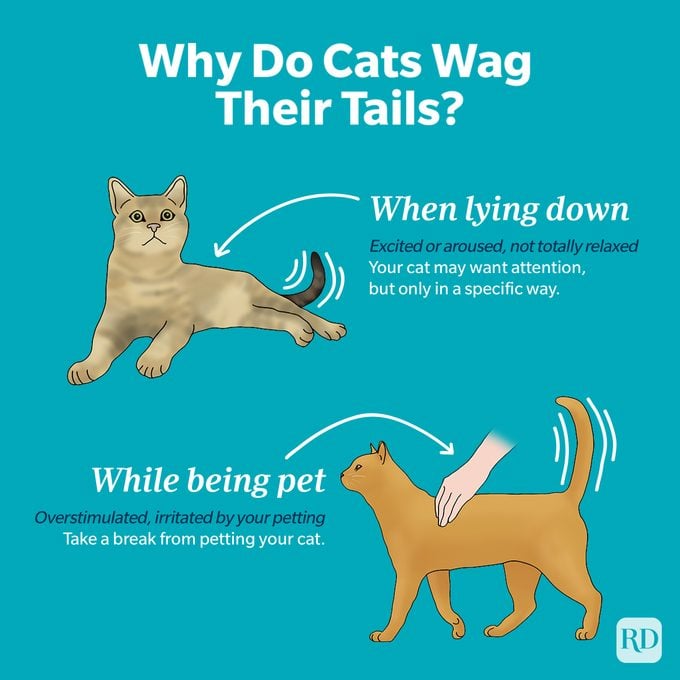
Credit: www.rd.com
When To Seek Professional Help
Knowing when to seek professional help is important for your cat’s health. Over grooming can signal many issues. Some signs require a vet’s attention right away. Quick action can prevent serious problems and ease your cat’s discomfort.
Recognizing Serious Symptoms
Watch for these signs that need urgent care:
- Open wounds or bleeding on the tail
- Swelling or redness around the affected area
- Hair loss that spreads quickly
- Constant licking or biting causing pain
- Changes in behavior like hiding or aggression
- Loss of appetite or difficulty moving
These symptoms may show infection, allergies, or deeper health issues. Do not wait to get help if you see them.
Finding The Right Veterinarian
Choose a vet experienced with cats and skin problems. Look for someone who listens and explains clearly. A vet may do tests to find the cause of over grooming. Treatment can include medicine, diet changes, or behavior advice.
Regular check-ups help catch problems early. Build a good relationship with your vet for your cat’s ongoing care.
Frequently Asked Questions
Why Is My Cat Over Grooming Her Tail?
Cats over groom their tails due to stress, allergies, or skin infections. It can also indicate parasites or underlying medical issues. Identifying the cause early helps prevent further irritation and promotes healing.
Can Allergies Cause Over Grooming In Cats?
Yes, allergies often cause cats to over groom. Food, pollen, or flea bites can trigger itchiness, leading to excessive licking and hair loss around the tail.
How Do I Stop My Cat From Over Grooming Her Tail?
Address the root cause by consulting a vet. Use flea control, allergy treatments, or stress reduction methods. Providing enrichment and comfort helps reduce over grooming behaviors.
Is Over Grooming A Sign Of Stress In Cats?
Absolutely. Stress and anxiety can lead cats to over groom. Changes in environment, routine, or lack of stimulation often cause this behavior.
Conclusion
Over grooming can signal stress, allergies, or skin problems in cats. Watching your cat’s behavior helps catch issues early. A vet can find the cause and suggest treatment. Small changes in diet or environment might help too. Pay attention to your cat’s tail and overall health.
Taking quick action keeps your pet happy and comfortable. Stay patient and caring throughout the process. Your cat will thank you with a calm, healthy tail.



Leave a Reply