
Have you noticed your cat grooming and scratching more than usual? It can be worrying to see your furry friend constantly licking or scratching their skin.
You might wonder if something is wrong or if they’re just being picky about their fur. Understanding why your cat is over grooming and scratching is important—not only for their comfort but also for their health. You’ll discover the common reasons behind this behavior and what you can do to help your cat feel better.
Keep reading to protect your cat and strengthen the bond you share.
Common Signs Of Over Grooming
Over grooming in cats is a common concern among pet owners. It happens when a cat cleans itself too much, causing harm instead of helping. Recognizing the signs early can prevent serious health issues. Watch your cat closely for changes in behavior and appearance. This helps you take action quickly and keep your cat healthy.
Visible Hair Loss
Hair loss is one of the clearest signs of over grooming. Patches of fur may become thin or completely missing. These bald spots often appear on the belly, legs, or near the tail. Hair loss can make the skin more sensitive to the sun and cold.
Skin Irritation
Skin irritation shows as redness, swelling, or small bumps. The skin might look dry or flaky. Sometimes, you may see scabs or sores caused by constant licking or scratching. Irritated skin can be painful and may lead to infection.
Frequent Scratching Spots
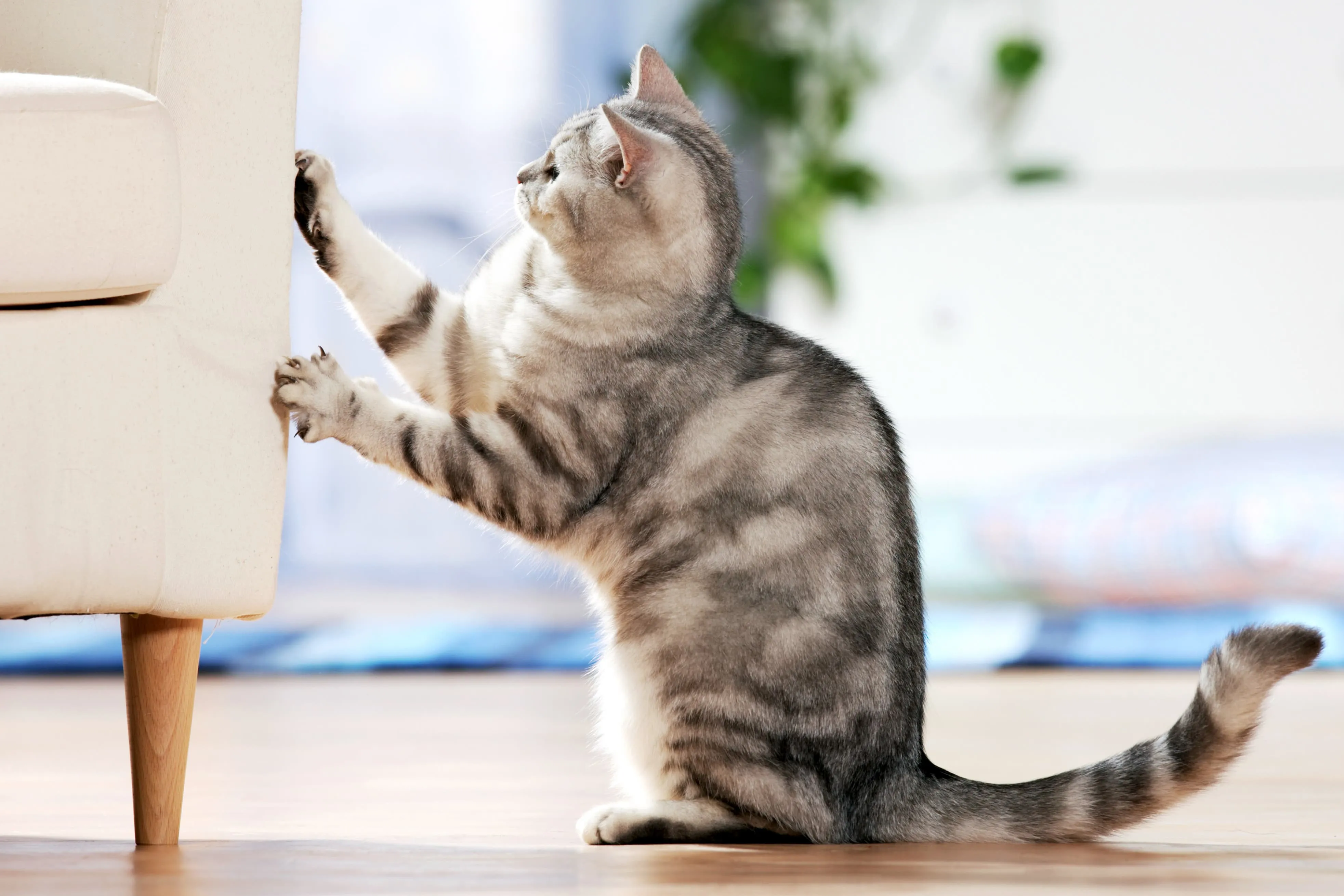
Cats often scratch the same areas repeatedly when they feel itchy. You might notice your cat biting or scratching specific spots more than usual. Common areas include behind the ears, neck, and base of the tail. These spots can become raw and inflamed due to constant scratching.
Credit: www.webmd.com
Skin Allergies And Irritations
Skin allergies and irritations often cause cats to over groom and scratch. These problems make their skin itchy and uncomfortable. Cats react by licking or biting the irritated spots. Understanding the causes helps manage their discomfort and protect their skin.
Food Allergies
Cats can develop allergies to certain foods. Common triggers include beef, dairy, and fish. These allergies cause redness, itching, and hair loss. Symptoms may appear on the face, paws, or belly. Switching to a hypoallergenic diet can reduce reactions. Always consult a vet before changing your cat’s food.
Environmental Allergens
Pollens, dust mites, and mold are common allergens in the environment. Cats inhale or contact these substances daily. Allergens cause skin irritation and frequent scratching. Seasonal changes often worsen symptoms. Keeping your home clean and using air purifiers can help. Regular grooming removes allergens from their fur.
Flea Allergies
Fleas cause intense itching for many cats. Some cats develop flea allergy dermatitis, a severe reaction to flea saliva. Even one flea bite can trigger scratching and skin damage. Signs include small scabs and hair loss near the tail base. Using flea prevention treatments regularly is essential. Check your cat and living area for fleas often.
Parasites And Infections
Parasites and infections are common reasons why your cat might be over grooming and scratching. These issues cause discomfort and irritation, pushing your feline friend to try and soothe the affected areas. Understanding the specific causes can help you take quick action to relieve your cat’s suffering.
Fleas And Mites
Fleas are tiny, fast-moving parasites that bite your cat’s skin, causing intense itching. Even a single flea can lead to excessive scratching and grooming as your cat tries to get rid of the irritation.
Mites, on the other hand, burrow into your cat’s skin or ears, triggering inflammation and hair loss. You might notice your cat scratching so much that the skin becomes red and raw.
Have you checked your cat’s coat closely for these tiny invaders? A flea comb can reveal hidden fleas or flea dirt, while a vet visit might be necessary to diagnose mites properly.
Bacterial Infections
Scratching and over grooming can create small wounds that easily get infected by bacteria. These infections cause redness, swelling, and sometimes pus, making your cat even more uncomfortable.
It’s a vicious cycle — your cat scratches due to irritation, causing wounds, which then become infected and worsen the itching. You may notice your cat licking certain spots obsessively or shaking its head if the infection affects the ears.
Have you observed any unusual discharge or foul smell around the irritated areas? These signs often indicate a bacterial infection that needs prompt veterinary treatment.
Fungal Issues
Fungal infections like ringworm can cause scaly patches and hair loss, leading your cat to scratch and groom excessively. Unlike bacteria, fungi thrive in moist environments and can spread easily within your home.
Ringworm is contagious to both pets and humans, so addressing it quickly is crucial. You might spot circular bald spots or crusty skin that doesn’t heal, signaling a fungal problem.
Have you noticed any unusual skin changes or persistent scratching despite flea and bacterial treatments? Fungal infections require different medications, so a vet’s diagnosis is essential.
Credit: www.fullbuckethealth.com
Stress And Anxiety Factors
Cats often over groom and scratch due to stress and anxiety, which can be triggered by various factors. While cats are naturally inclined to groom themselves, excessive grooming can indicate underlying issues. Understanding these factors can help you create a more comfortable environment for your feline friend.
Changes In Environment
Have you recently moved to a new home or introduced a new pet? Cats thrive on routine and predictability. Any change in their environment can cause stress, leading to over grooming as a coping mechanism. Ensuring a gradual transition can help ease their anxiety.
Lack Of Stimulation
Is your cat often bored with nothing to do? Cats need mental and physical stimulation to stay healthy and happy. Without it, they might resort to over grooming out of boredom. Consider incorporating interactive toys or engaging playtime to keep their minds occupied.
Separation Anxiety
Does your cat become anxious when you’re not around? Cats can experience separation anxiety just like dogs. This anxiety can manifest in excessive grooming or scratching. Creating a comforting space and providing enriching activities can help reduce their stress when you’re away.
Understanding the root of your cat’s anxiety is crucial. Are there patterns or specific triggers you’ve noticed? Addressing these factors can significantly improve your cat’s well-being and reduce over grooming behaviors.
Medical Conditions Behind Grooming
Excessive grooming and scratching in cats can be a sign of underlying medical issues. Understanding these health conditions helps you address the root cause rather than just treating the symptoms. Let’s look closely at some common medical reasons behind this behavior.
Hormonal Imbalances
Hormones play a big role in your cat’s skin and coat health. Imbalances in hormones like thyroid or adrenal hormones can cause your cat to over-groom. These imbalances might make the skin itchy or uncomfortable, triggering constant licking or scratching.
Have you noticed your cat suddenly grooming more after a change in diet or environment? This could hint at hormonal shifts affecting their behavior. A vet can run simple blood tests to check hormone levels and suggest treatment to restore balance.
Pain And Discomfort
Your cat might be grooming excessively to soothe pain or discomfort. Injuries, arthritis, or internal issues can cause localized pain that your cat tries to relieve by licking or scratching. This behavior is an instinctive way to manage the discomfort.
Think about whether your cat favors a limb or avoids certain movements. These signs could mean pain is behind their grooming habits. A thorough vet exam can identify painful areas and help you provide proper relief.
Dermatological Disorders
Skin conditions often cause itching and irritation, leading to over-grooming. Allergies, fungal infections, or parasites like fleas can make your cat’s skin red and inflamed. This discomfort drives them to scratch or lick excessively.
- Check for redness, bumps, or hair loss on your cat’s skin.
- Look closely for fleas or flea dirt, especially around the neck and tail.
- Consider if new products like shampoos or food could be causing allergies.
Addressing these skin problems early can prevent further damage and discomfort. Have your vet perform skin tests or prescribe treatments that stop the itching and restore healthy skin.
Credit: www.peta.org
Behavioral Causes
Behavioral causes often play a significant role in why your cat may be over grooming and scratching. These actions can go beyond normal cleaning and comfort, turning into signs of stress, anxiety, or other emotional issues. Understanding these behaviors helps you address the root cause rather than just treating the symptoms.
Compulsive Grooming
Compulsive grooming happens when your cat licks or scratches excessively, often leading to bald spots or sores. This behavior is similar to how humans might bite their nails when anxious. You might notice your cat grooming more during stressful events like moving to a new home or changes in the household.
It’s important to observe when and where the grooming happens most. Is it after loud noises or when new people visit? Identifying triggers can help you reduce your cat’s stress and break the cycle of over grooming.
Attention-seeking Behavior
Your cat might scratch or groom excessively to get your attention, especially if they feel ignored. Cats quickly learn that certain behaviors get a reaction from you, even if it’s negative. Have you noticed your cat’s grooming spikes when you’re busy or away for long periods?
To manage this, try adding short, frequent play sessions and interactive time with your cat. This can reduce their need to seek attention through unwanted behaviors and strengthen your bond at the same time.
Preventive Measures And Care
Over grooming and scratching can stress your cat. Taking care of their health and environment helps stop these behaviors. Preventive steps keep your cat happy and healthy. These simple actions support their well-being and comfort.
Regular Vet Checkups
Schedule vet visits at least once a year. The vet checks for skin problems and allergies. Early detection prevents serious issues. Follow vet advice about diet and care. Keep vaccination and parasite control up to date.
Flea Control Methods
Fleas cause itching and discomfort for cats. Use flea treatments recommended by your vet. Clean your home regularly to remove flea eggs. Wash your cat’s bedding often. Check your cat’s fur for signs of fleas.
Environmental Enrichment
Boredom can lead to over grooming. Provide toys and scratching posts to keep your cat active. Create quiet, cozy spots for rest. Rotate toys to keep interest high. Spend time playing and bonding every day.
When To See A Veterinarian
Knowing when to see a veterinarian is key if your cat is over grooming and scratching. These behaviors may signal health problems that need professional care. Early attention can prevent serious issues and ease your cat’s discomfort.
Persistent Symptoms
Watch for grooming and scratching that lasts more than a week. If your cat keeps licking or biting the same spot, it may mean an underlying problem. Persistent symptoms rarely go away on their own.
Visible Wounds
Check your cat’s skin for redness, sores, or scabs. Open wounds can become infected and cause pain. These signs always need a vet’s examination to avoid worsening conditions.
Changes In Behavior
Notice if your cat acts restless, hides more, or loses appetite. Behavioral changes often accompany skin issues. They show your cat might be in pain or stressed and need help from a vet.
Frequently Asked Questions
Why Is My Cat Over Grooming Excessively?
Cats over groom due to stress, allergies, or skin infections. It can also indicate parasites or pain. Identifying the cause helps prevent further discomfort and skin damage.
What Causes My Cat To Scratch Constantly?
Constant scratching often results from fleas, mites, allergies, or dry skin. It may also signal underlying infections or anxiety. Proper diagnosis ensures effective treatment and relief for your cat.
How Can I Stop My Cat From Over Grooming?
Address the root cause like allergies or stress. Use vet-recommended treatments for parasites and skin care. Providing a calm environment reduces anxiety-driven grooming behaviors.
Can Allergies Cause My Cat’s Over Grooming?
Yes, allergies to food, pollen, or flea bites often trigger over grooming. Allergies irritate the skin, causing itching and discomfort. Managing allergies improves your cat’s skin health and comfort.
Conclusion
Cats over grooming and scratching need your attention. These actions often signal stress, allergies, or skin problems. Watch your cat’s behavior closely and check for signs of irritation. Visiting a vet helps find the exact cause and proper treatment. Taking steps early keeps your cat comfortable and healthy.
Remember, a calm and clean environment supports your cat’s well-being. Small changes can make a big difference. Care and patience go a long way in helping your furry friend feel better.



Leave a Reply