
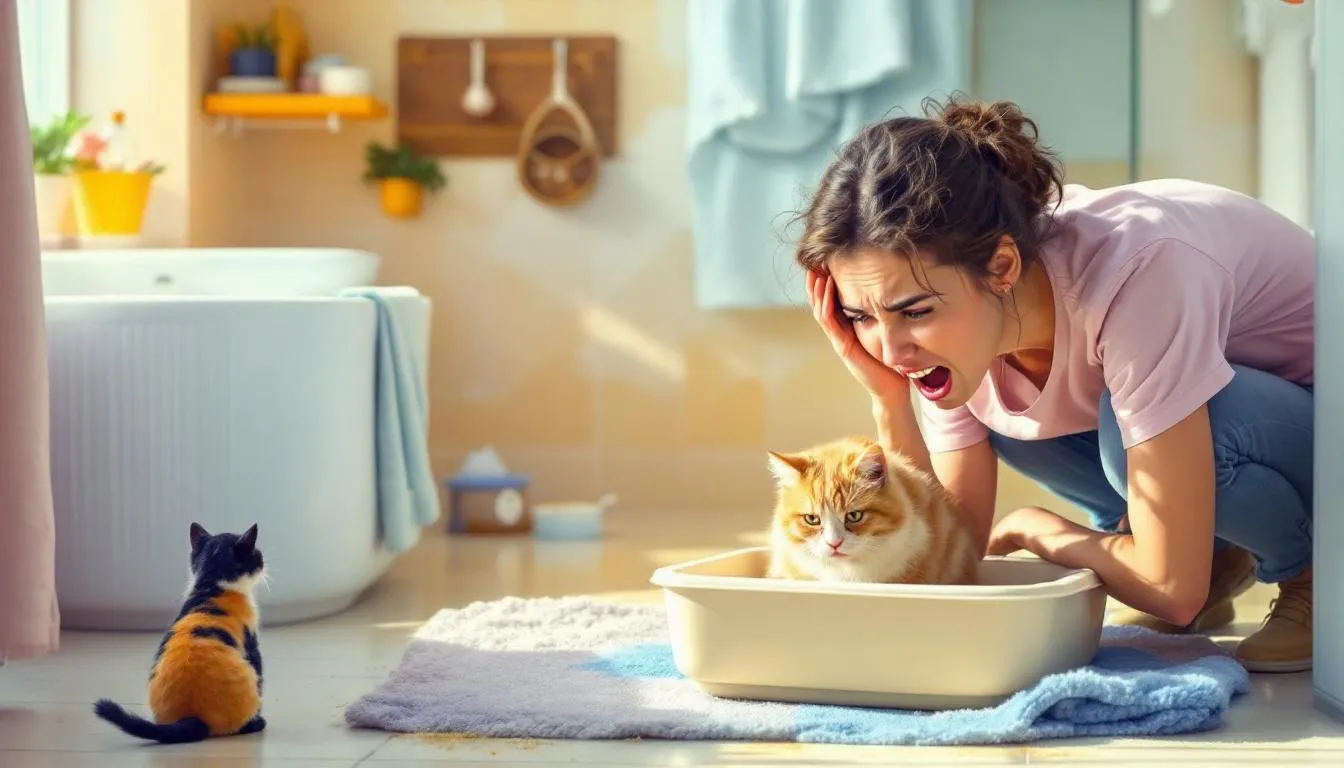
Is your cat suddenly avoiding the litter box? You’re not alone, and it can be really frustrating.
When your furry friend stops using their litter box, it’s more than just a mess—it’s a sign that something might be wrong. You might wonder if it’s a health issue, a behavior problem, or something in the environment causing the change.
Keep reading to find out the surprising reasons behind this problem and how you can help your cat get back to their usual habits quickly. Don’t let this issue linger—your cat’s comfort and your peace of mind matter.
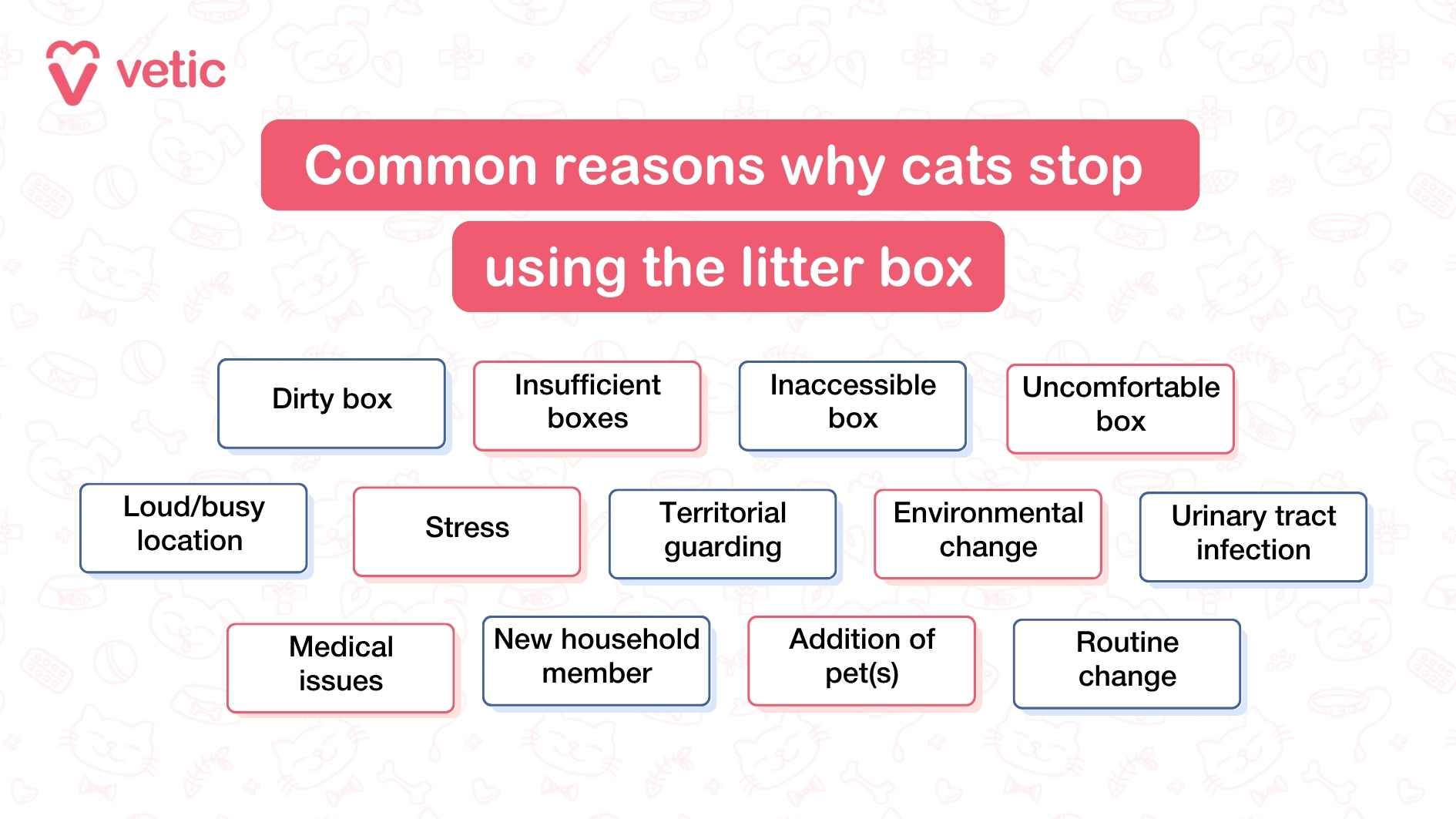
Credit: vetic.in
Common Health Issues
Cats may stop using the litter box due to health problems. These issues cause pain or discomfort during urination. Understanding common health problems helps catch issues early. Some illnesses affect the urinary system and others impact general health. Watch for signs like frequent urination, accidents outside the box, or changes in behavior.
Urinary Tract Infections
Urinary tract infections (UTIs) cause burning and pain when cats urinate. Cats with UTIs may urinate more often in small amounts. They sometimes avoid the litter box to stop pain. UTIs need quick treatment to prevent worsening symptoms. Watch for blood in the urine or excessive licking of the genitals.
Kidney Problems
Kidney problems often cause increased thirst and urination. Cats with kidney disease may urinate outside the litter box. Toxins build up in the body, making cats feel sick. Early kidney issues can be managed with proper care. Notice if your cat drinks more water or loses weight.
Diabetes And Other Illnesses
Diabetes leads to frequent urination and accidents outside the box. High blood sugar causes excessive thirst and urination. Other illnesses like arthritis can make litter box use painful. Cats may avoid the box if they feel weak or uncomfortable. Regular vet visits help diagnose these health problems early.
Litter Box Problems
Many cats stop using the litter box because of issues related to the box itself. Problems with the litter box can confuse or upset a cat. This often leads to accidents outside the box. Understanding common litter box problems helps you fix the issue quickly.
Dirty Or Unpleasant Litter
Cats are very clean animals. A dirty litter box can make them avoid it. If the litter is not scooped daily, odors build up. This drives cats away. Some cats dislike certain smells or textures in the litter. They prefer fresh, clean litter with no strong scent.
Box Location And Size
The litter box must be in a quiet, private spot. Loud noises or busy areas stress cats. A box that is too small can feel cramped. Cats need enough space to turn around comfortably. Poor location or size makes cats look for other places.
Type Of Litter Used
Cats have preferences for litter types. Clay, clumping, silica, or natural litter all feel different. Some cats dislike scented litter or rough textures. Changing the litter type suddenly can confuse them. Using the wrong litter might stop them from using the box.
Behavioral Causes
Stress, changes in the home, or conflicts with other pets can cause a cat to avoid the litter box. Cats may also stop using it due to fear or dislike of the box’s location or cleanliness. Behavioral issues often affect their bathroom habits.
Understanding why your cat may suddenly refuse to use the litter box can be frustrating. Often, the reasons are behavioral and rooted in your cat’s emotional well-being. By identifying the underlying causes, you can help your feline friend return to their usual routine.Stress And Anxiety
Stress and anxiety can have a significant impact on your cat’s behavior. Has there been a loud noise recently, like construction or a thunderstorm? Such experiences might cause your cat to avoid the litter box. Consider your own experiences. Have you ever felt uneasy in a new environment? Cats, too, might react to changes with stress. To help your cat, create a calming atmosphere. Introduce soothing elements like a favorite toy or a cozy blanket near the litter box.Territorial Marking
Cats are naturally territorial creatures. If your cat is marking territory, they might avoid the litter box in favor of more prominent areas. This behavior is a way of communicating with other cats, especially if there’s a new feline in the neighborhood. Have you noticed any signs of marking, like spraying on walls or furniture? You can address this by ensuring your cat feels secure in their space. Use deterrents in unwanted areas and provide ample litter boxes to reduce competition.Changes In Household Environment
Changes in the home, such as new furniture or a different layout, can disrupt your cat’s routine. Cats thrive on consistency, and even subtle shifts can lead to litter box avoidance. Reflect on any recent changes in your home. Did you move the litter box to a new location? Cats may need time to adjust to these changes. Gradually introduce new elements to give your cat time to adapt. Understanding these behavioral causes can make a world of difference. What steps will you take today to help your cat feel more comfortable? Addressing these issues with patience and care can lead to a happier, healthier home for both you and your pet.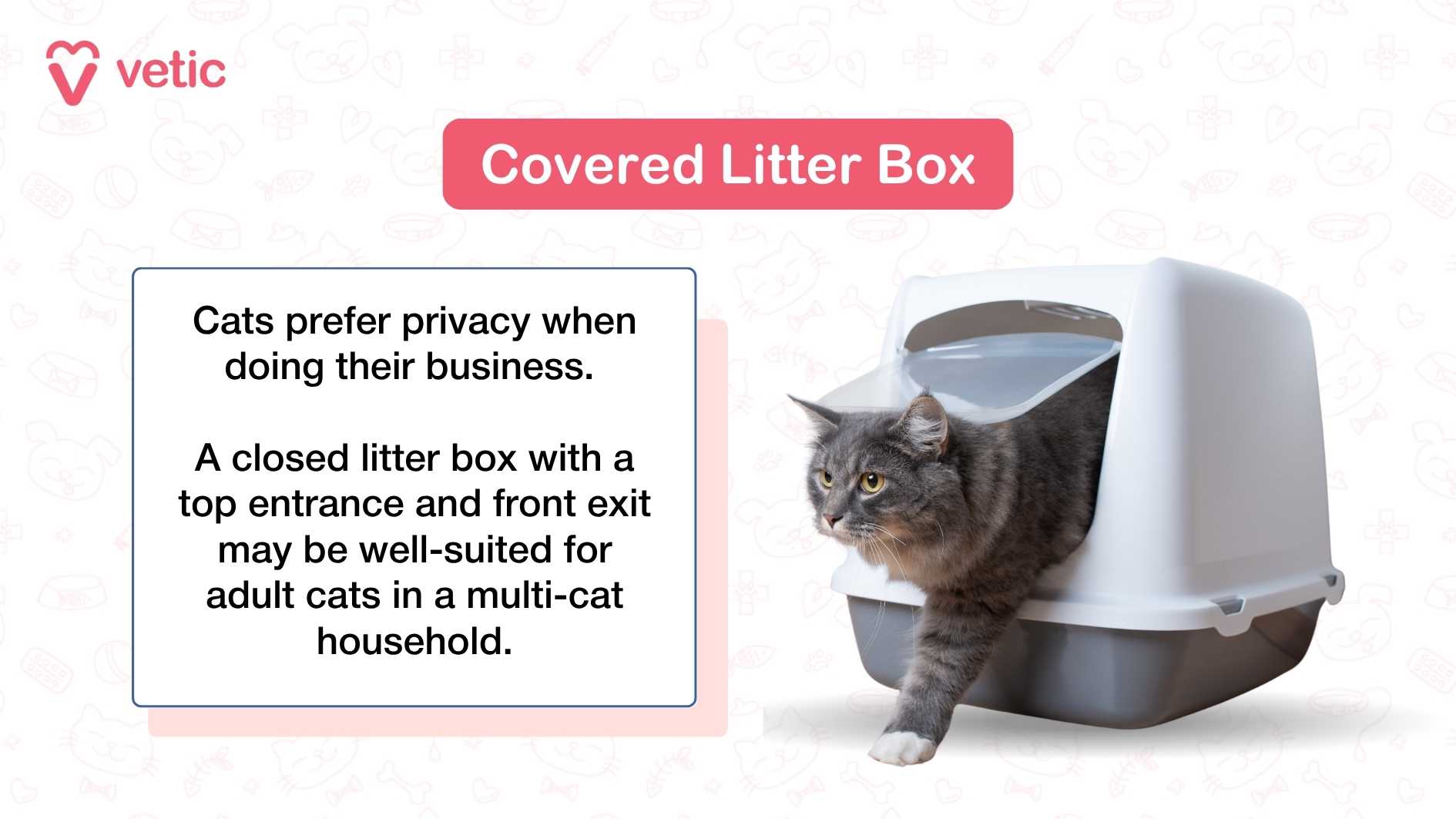
Credit: vetic.in
Age-related Factors
As cats grow older, changes in their body and mind can affect how they use the litter box. Age-related factors often play a big role in why your senior cat might stop using their litter box. Understanding these changes can help you find solutions that make life easier for both you and your furry friend.
Senior Cat Mobility Issues
Older cats often develop arthritis or joint pain, making it hard for them to jump into or move around the litter box. If the box has high sides, your cat may avoid it because it’s painful to climb in and out.
Try offering a litter box with lower sides or even a ramp to help your cat get in easily. Placing the litter box closer to their favorite resting spots can also reduce unnecessary movement that might cause discomfort.
Cognitive Decline
Just like humans, cats can suffer from cognitive dysfunction as they age. This can cause confusion or forgetfulness, leading your cat to forget where the litter box is or how to use it properly.
You might notice your cat wandering or meowing more often. Creating a calm and consistent environment helps, as does keeping the litter box in the same quiet spot to avoid disorientation.
Have you observed any sudden changes in your cat’s behavior or routine? These small signs can be your first clue that age-related issues are impacting their litter box habits.
Solutions To Encourage Use
Encouraging your cat to use the litter box again requires careful attention and patience. Small changes can make a big difference in your cat’s comfort and habits. Focus on cleanliness, comfort, and reducing stress to help your cat feel safe and willing to use the box.
Cleaning And Maintenance Tips
Keep the litter box clean at all times. Scoop waste daily and change the litter regularly. Use mild, unscented cleaners to avoid strong smells that cats dislike. Wash the box with warm water and soap weekly. Place the box in a quiet, accessible spot. Avoid moving it often, as cats prefer stable locations.
Choosing The Right Litter Box
Select a litter box that suits your cat’s size and preferences. Some cats like covered boxes, while others prefer open ones. Consider a larger box if your cat feels cramped. Use fine, unscented clumping litter for easy cleaning and comfort. Try different types of litter to find what your cat likes best.
Managing Stress And Anxiety
Stress can cause litter box problems. Provide a calm, safe environment for your cat. Create quiet spaces and avoid loud noises or sudden changes. Use pheromone diffusers or sprays to help calm your cat. Spend quality time playing and bonding to reduce anxiety. Consistent routines help your cat feel secure and relaxed.
Credit: vetic.in
Frequently Asked Questions
Why Did My Cat Suddenly Stop Using The Litter Box?
Cats may avoid the litter box due to stress, illness, or dirty conditions. Changes in environment or litter type can also cause avoidance. Consult a vet if health issues are suspected. Keep the box clean and accessible to encourage proper use.
How Can I Encourage My Cat To Use The Litter Box Again?
Clean the litter box daily and place it in a quiet, accessible location. Use unscented, clumping litter preferred by most cats. Reduce stress by maintaining routine and providing safe spaces. Consult a vet if the issue persists to rule out medical problems.
Could Health Problems Cause Litter Box Avoidance In Cats?
Yes, urinary tract infections, bladder stones, or kidney issues often cause litter box avoidance. Pain or discomfort makes cats associate the box with negative experiences. A veterinary checkup is crucial to diagnose and treat underlying health conditions promptly.
Does The Type Of Litter Affect My Cat’s Box Usage?
Absolutely. Cats can be sensitive to litter texture and scent. Unscented, fine-grained, clumping litter usually works best. Experiment with different types to find your cat’s preference. Avoid scented or dusty litters that may irritate your cat’s paws or respiratory system.
Conclusion
Cats stop using the litter box for many reasons. Health problems, stress, or a dirty box can cause this behavior. Watch your cat closely and try to find the cause. Clean the litter box often and provide a quiet, safe place.
Visit a vet if problems continue. Patience and care help your cat feel comfortable again. Small changes make a big difference. Keep trying, and your cat will likely return to good habits soon.

Leave a Reply