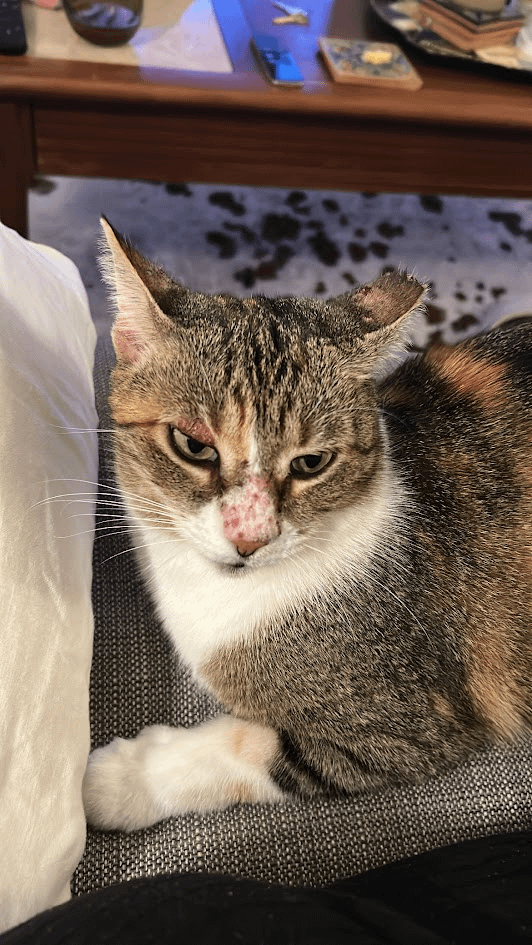
Have you noticed your cat spending more time licking and grooming than usual? You might be wondering, “Why is my cat grooming himself so much?”
It’s natural to think about your furry friend’s health and happiness when you see this behavior. Excessive grooming can be a sign of something deeper—whether it’s stress, allergies, or even a medical issue. Understanding why your cat is doing this helps you take the right steps to keep him comfortable and healthy.
Keep reading to discover what’s behind your cat’s grooming habits and how you can help.
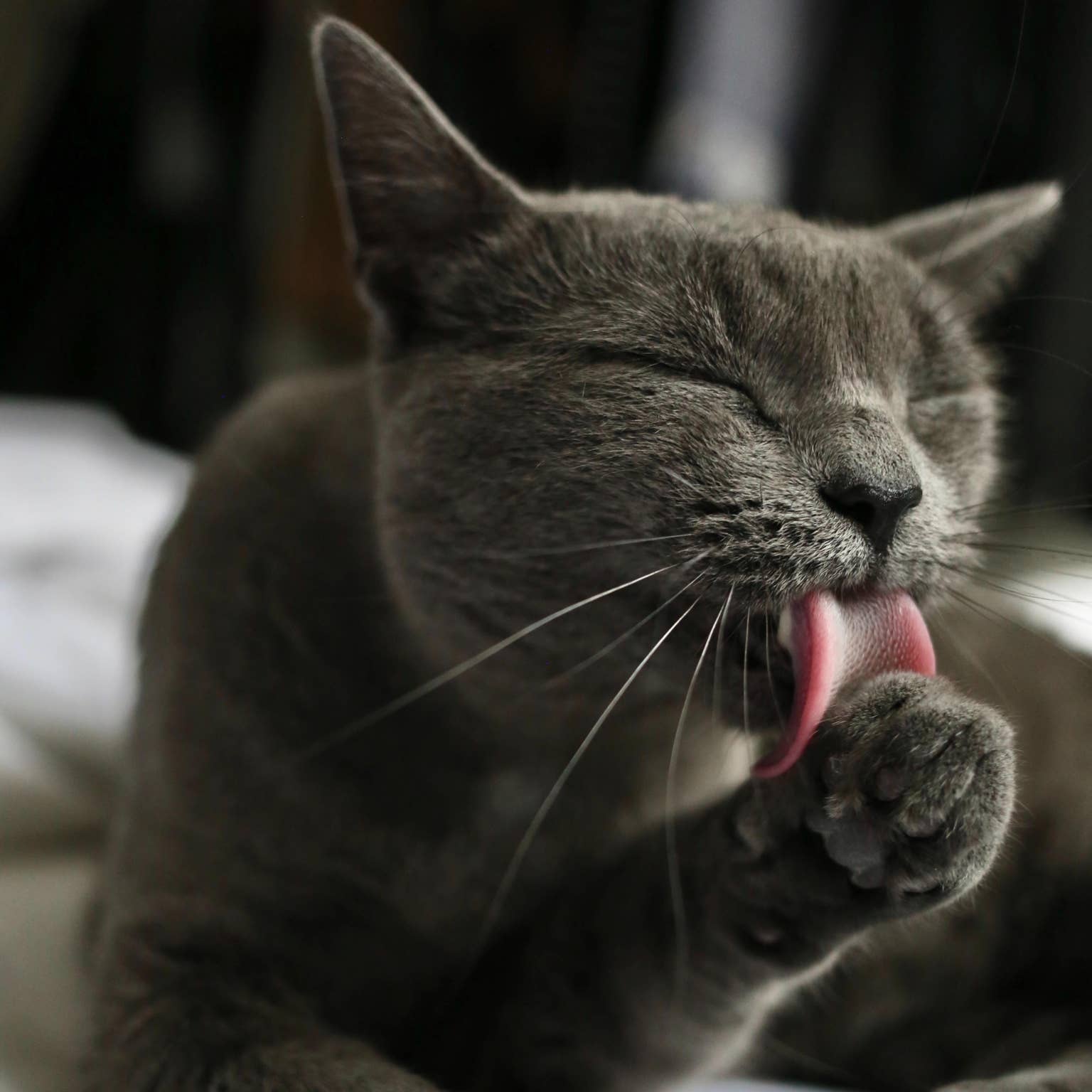
Credit: pethelpful.com
Reasons Cats Overgroom
Cats groom themselves as a natural behavior to stay clean and comfortable. But sometimes, this grooming becomes excessive, which can signal underlying issues. Understanding why your cat overgrooms can help you spot potential problems early and improve their well-being.
Allergies And Skin Irritations
Allergies are a common cause of overgrooming in cats. Your cat might be reacting to food ingredients, environmental factors like pollen, or cleaning products. Skin irritations, such as redness or bumps, often lead cats to lick or scratch more than usual.
If you notice hair loss or sore spots, it’s important to check with your vet. They can help identify if allergies are the culprit and suggest treatments to ease your cat’s discomfort.
Stress And Anxiety
Cats can feel stressed or anxious just like humans. Changes in their environment, such as moving to a new home or new pets, can trigger overgrooming. This behavior can become a coping mechanism, helping them feel a bit more in control.
Have you seen your cat grooming when there’s no obvious reason? Try to observe their environment for stress triggers and consider ways to create a calmer space. Simple additions like a cozy hiding spot or interactive toys might help reduce their anxiety.
Parasites And Infections
Fleas, ticks, and mites cause intense itching and discomfort for your cat. This often leads to persistent grooming in the affected areas. Infections resulting from bites or wounds can also make your cat lick excessively.
Regular parasite prevention is key. If your cat suddenly starts grooming a specific spot, inspect for parasites or signs of infection and consult your vet promptly.
Pain And Discomfort
Overgrooming can sometimes indicate pain in a particular area of your cat’s body. Arthritis, injuries, or dental problems may cause your cat to lick or groom that area more frequently. It’s a subtle way cats try to soothe their pain.
Watch for other signs of discomfort like limping or changes in appetite. Don’t hesitate to seek veterinary advice to address the root cause and provide relief.
Boredom And Habitual Grooming
When cats don’t get enough mental or physical stimulation, they may groom themselves out of boredom. This habitual grooming can become a repetitive behavior, even when no physical issue exists. It’s your cat’s way of passing time or self-soothing.
Are you providing enough playtime and interaction? Increasing activity with toys, puzzle feeders, or even short outdoor walks can reduce boredom and break the grooming habit.

Credit: www.reddit.com
Signs Of Excessive Grooming
Cats groom themselves daily to stay clean and comfortable. Grooming is normal, but too much can signal problems. Watch for signs that your cat is grooming excessively. These signs help identify if your cat needs care or a vet visit.
Bald Patches And Hair Loss
Excessive grooming can cause bald spots on your cat’s skin. Hair loss happens where your cat licks or bites often. These patches may look smooth or irritated. Check your cat’s body for any unusual hair thinning.
Redness And Sores
Too much grooming can create redness or sore spots. These areas may be swollen or raw. Your cat might have scabs or small wounds. These signs show your cat’s skin is irritated or damaged.
Licking And Chewing Patterns
Notice where your cat licks or chews the most. Excessive grooming is often focused on one or two spots. Your cat may lick for long periods or chew hard. This behavior can worsen skin problems over time.
Behavioral Changes
Changes in behavior can link to excessive grooming. Your cat may seem anxious or restless. It might hide or avoid interaction. Look for signs of stress that trigger grooming habits.
Health Risks From Overgrooming
Understanding the health risks associated with your cat’s overgrooming is crucial in ensuring their well-being. Overgrooming might seem like a harmless habit, but it can lead to several health issues. By recognizing these risks, you can take proactive steps to protect your feline friend.
Skin Damage And Infections
Excessive grooming can lead to skin damage due to the constant licking and biting. This repetitive action can cause hair loss, leaving patches of bare skin exposed. Once the skin is exposed, it’s more vulnerable to infections. Bacterial and fungal infections can easily take hold, leading to further complications.
Regularly check your cat’s skin for redness, swelling, or unusual bumps. These can be signs of infection or irritation caused by overgrooming. If you notice these symptoms, it might be time to consult your vet.
Secondary Complications
Overgrooming can also result in secondary complications like stress-related behaviors. Cats often groom excessively when they are anxious or stressed. This can become a vicious cycle, where stress leads to overgrooming, which in turn causes more stress due to discomfort.
Moreover, hairballs become a frequent issue as your cat ingests more hair than usual. This can lead to digestive blockages, which might require medical intervention. Monitoring your cat’s stress levels and diet can help mitigate these complications.
Impact On Overall Well-being
Excessive grooming can significantly impact your cat’s overall well-being. It can lead to chronic pain and discomfort, affecting their mood and behavior. You may notice your cat becoming more withdrawn or irritable.
Think about how you feel when something is constantly irritating your skin. Your cat might be experiencing the same frustration. Addressing overgrooming not only helps your cat physically but also improves their mental health, leading to a happier, more relaxed pet.
What steps are you taking today to ensure your cat’s grooming habits are healthy? Observing and understanding your cat’s grooming patterns can make a world of difference to their health and happiness.

Credit: medium.com
How To Help Your Cat
Helping your cat stop excessive grooming needs care and attention. Cats groom to stay clean and calm. But too much grooming can signal problems. You can support your cat with a few simple steps. Watch your cat’s behavior closely. Act quickly to keep your cat healthy and happy.
Veterinary Diagnosis And Treatment
Visit a veterinarian for a full checkup. The vet will look for skin issues, infections, or pain. Blood tests and skin scrapings might be needed. Treatment depends on the cause found. It may include medication or special shampoos. Early diagnosis helps prevent serious problems.
Managing Allergies And Parasites
Allergies often cause itching and over-grooming. Parasites like fleas irritate the skin too. Keep your cat free from fleas with regular treatments. Use hypoallergenic food if food allergies exist. Clean the cat’s bedding and living area often. Reducing allergens can calm your cat’s skin.
Reducing Stress And Anxiety
Stress can cause cats to groom too much. Changes in the home can upset your cat. Keep a routine to help your cat feel safe. Use calming sprays or diffusers made for cats. Spend quiet time playing or cuddling with your cat. A calm cat grooms less.
Environmental Enrichment
Provide toys and climbing spots for your cat. Interactive play keeps your cat busy and happy. Scratching posts and cozy beds help too. A bored cat may groom excessively. Enriching your cat’s environment reduces stress and boredom. This leads to healthier grooming habits.
Using Protective Gear
Sometimes your cat needs protection from wounds. Soft collars or recovery suits stop licking and biting. Use these tools as the vet suggests. They prevent further skin damage. Protective gear helps your cat heal faster. Make sure the gear fits comfortably and safely.
Preventing Future Overgrooming
Preventing future overgrooming helps keep your cat healthy and happy. Overgrooming can cause skin problems and fur loss. It often signals stress or health issues. Taking steps early can stop these problems from growing worse. Creating a good routine and checking your cat’s needs regularly makes a big difference.
Regular Health Check-ups
Visit the vet often to catch health problems early. Skin allergies, parasites, or pain can cause overgrooming. Your vet can find these issues and treat them quickly. Regular check-ups keep your cat in top shape and reduce stress.
Balanced Diet And Nutrition
Feed your cat a diet full of vitamins and minerals. Poor nutrition can lead to itchy skin and fur problems. Choose food made for your cat’s age and health needs. Healthy food supports a strong immune system and shiny fur.
Mental And Physical Stimulation
Boredom or anxiety often causes cats to groom too much. Provide toys, playtime, and new experiences daily. Puzzle feeders and climbing trees keep your cat busy. A happy cat grooms less and feels more relaxed.
Consistent Grooming Routine
Brush your cat regularly to remove loose fur and dirt. Grooming helps reduce stress and builds trust between you and your cat. Use gentle strokes and praise your cat during grooming. A calm grooming routine prevents overgrooming behaviors.
Frequently Asked Questions
Why Is My Cat Grooming Itself Excessively?
Excessive grooming in cats may signal stress, allergies, or skin irritation. It’s important to observe for wounds or hair loss and consult a vet for accurate diagnosis and treatment.
Can Over-grooming Harm My Cat’s Health?
Yes, over-grooming can lead to skin sores, infections, and hair loss. It may also indicate underlying health or emotional issues needing veterinary care.
How Can I Reduce My Cat’s Over-grooming Behavior?
Provide a calm environment, regular play, and proper nutrition. Regular vet check-ups can identify health problems causing over-grooming and help manage it effectively.
Does Anxiety Cause Cats To Groom Too Much?
Yes, anxiety often triggers excessive grooming as a coping mechanism. Reducing stressors and providing enrichment can help decrease this behavior in cats.
Conclusion
Cats groom themselves to stay clean and healthy. Sometimes, they groom too much because of stress, allergies, or skin problems. Watch your cat’s behavior and skin closely. If grooming seems excessive, talk to your vet. They can find the cause and suggest treatment.
Helping your cat feel comfortable will reduce over-grooming. A happy cat means a happy home. Keep your pet’s needs in mind and act early. Small changes can make a big difference. Caring for your cat’s grooming habits shows your love and care.

Leave a Reply