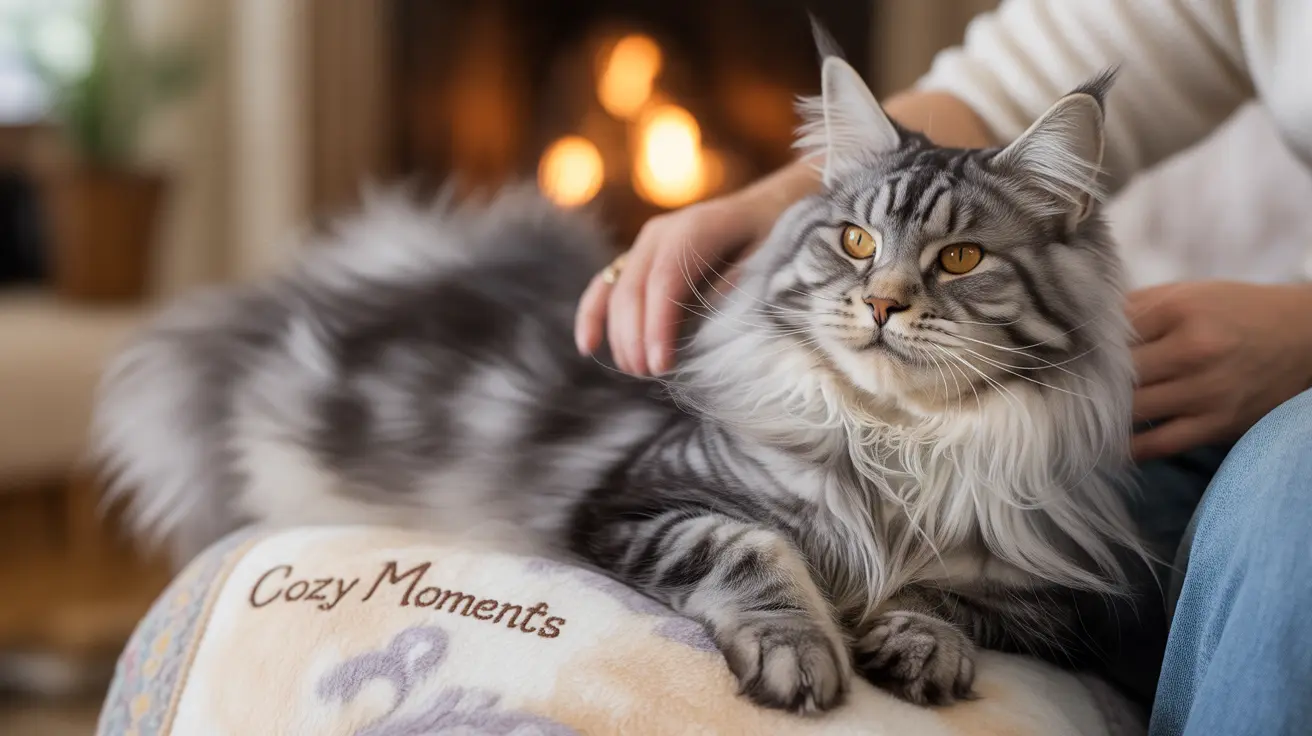
Have you ever wondered why your cat suddenly starts grooming himself right on you? It might seem a little strange or even messy, but there’s a special reason behind this behavior.
When your furry friend chooses you as their personal grooming spot, it’s more than just a random act. Understanding why your cat does this can help you feel closer to them and deepen your bond. Keep reading to discover the surprising reasons your cat trusts you enough to groom himself on you—and what it really means for your relationship.

Credit: medium.com
Cat Grooming Basics
Cat grooming is a natural and vital behavior. It helps cats stay clean and comfortable. Grooming also keeps their fur healthy and free from dirt. Cats use their tongues, paws, and teeth to groom themselves. Understanding these basics explains why your cat grooms on you.
How Cats Groom Themselves
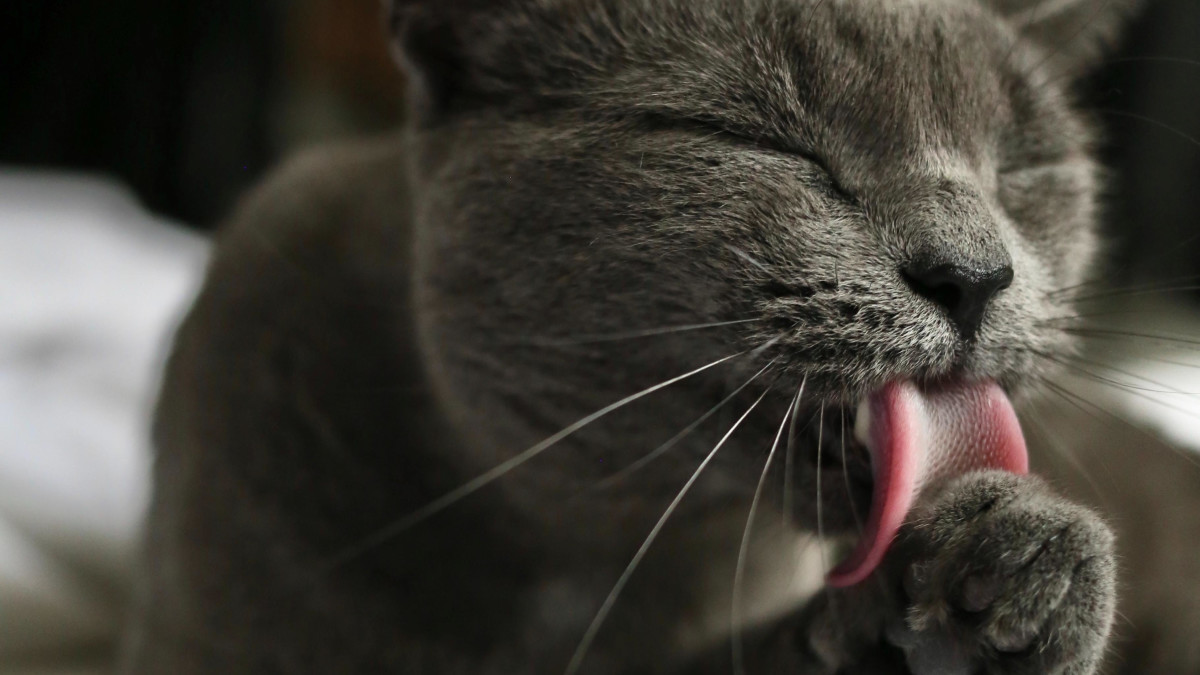
Cats lick their fur to remove dirt and loose hair. Their tongues have tiny, rough bumps called papillae. These help catch loose fur and debris. Cats also use their front paws to clean hard-to-reach places. They lick their paw then rub it over their face and head.
When cats groom, they spread natural oils across their coat. This keeps their fur shiny and waterproof. Grooming calms cats and helps regulate body temperature. It is a way for cats to care for themselves deeply.
Common Grooming Habits
- Frequent licking of the fur and paws
- Nibbling or biting at mats or tangles
- Rubbing the face and head with paws
- Stretching and cleaning hard-to-reach spots
- Occasional shedding of loose hair
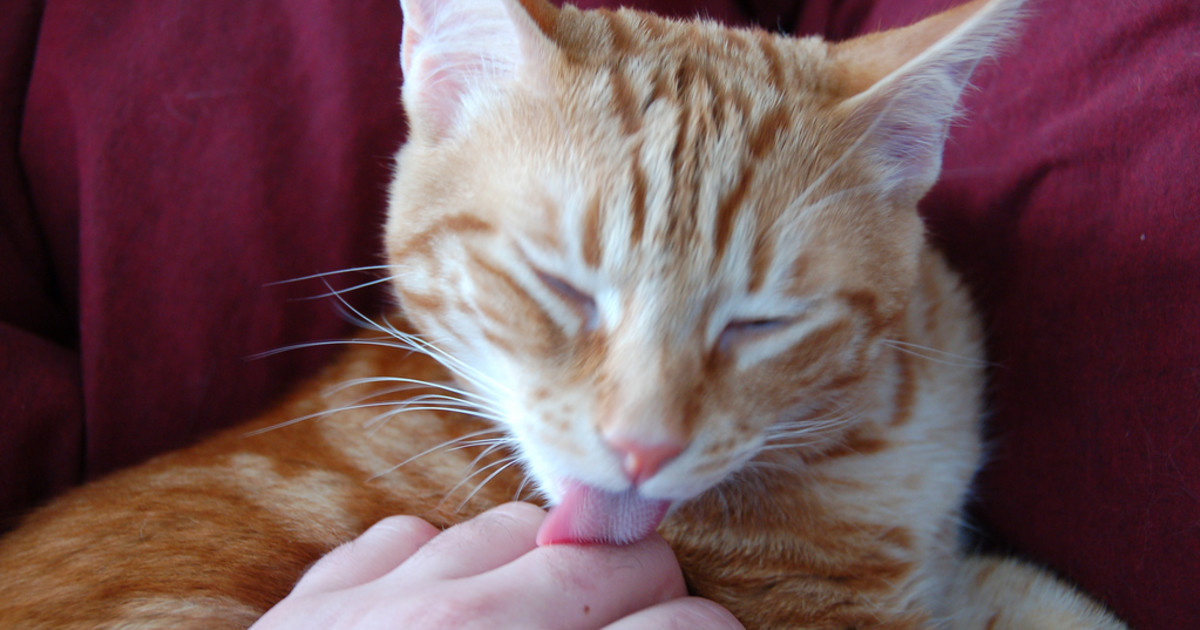
Cats also groom other cats or humans they trust. This behavior is called allogrooming. It shows affection and builds bonds. Your cat grooming on you means it feels safe and close.
Credit: pethelpful.com
Why Cats Groom On You
Cats grooming themselves on you is a common and meaningful behavior. It shows trust and connection. Your cat feels safe and comfortable with you. This act is more than just cleanliness. It involves communication and bonding.
Marking Territory With Scent
Cats have scent glands in their cheeks and paws. When they groom on you, they leave their unique scent. This marks you as part of their territory. It signals other cats that you belong to them. This scent marking helps your cat feel secure in their environment.
Showing Affection
Grooming is a sign of love in cat behavior. Cats groom each other to build strong bonds. When your cat grooms you, it shows affection and trust. It means they see you as family. This gentle act strengthens your relationship.
Seeking Comfort And Security
Grooming on you can calm your cat. It helps them feel relaxed and safe. Your presence provides comfort during stressful times. The touch and scent of your skin soothe your cat. This behavior reassures them in uncertain moments.
Health And Behavioral Signals
When your cat starts grooming himself on you, it’s more than just a cute habit. This behavior often signals important health and emotional messages. Paying attention to these signals helps you understand your cat’s well-being better and respond in ways that truly support him.
Stress And Anxiety Indicators
Excessive grooming on you can be a sign your cat is feeling stressed or anxious. Cats sometimes use grooming as a calming mechanism, especially when they seek comfort from a trusted person. If your cat suddenly licks or nibbles your skin more than usual, ask yourself if there have been recent changes in the environment, such as new pets, loud noises, or visitors.
Have you noticed your cat’s grooming turning into obsessive licking? That could indicate heightened anxiety. Try to create a calm space and observe if your cat’s behavior improves.
Skin Or Fur Issues
Your cat might groom on you because of discomfort caused by skin or fur problems. Cats with allergies, fleas, or dry skin often lick themselves obsessively, and sometimes this habit spills over onto you. Watch for signs like redness, hair loss, or flaking skin on your cat.
If your cat’s grooming seems focused on certain areas of your body, it might be trying to soothe its own irritation. Consult your vet to rule out infections or allergies that need treatment.
Age And Grooming Changes
As cats age, their grooming habits can change significantly. Older cats might find it harder to groom themselves fully due to stiffness or dental issues. Grooming on you can be a way to fill that gap and maintain their hygiene.
Have you felt your cat’s grooming become more frequent or gentle over time? This shift could reflect their changing physical needs. Supporting your senior cat with regular brushing can ease their grooming routine and strengthen your bond.
How To Respond To Grooming
Knowing how to respond when your cat grooms itself on you can deepen your bond and keep your furry friend healthy. Grooming is a sign of affection and trust, but it’s important to recognize when it’s a positive behavior or a sign of stress. Your reaction can either encourage your cat or alert you to potential issues.
Encouraging Positive Behavior
When your cat grooms itself on you, it’s showing comfort and connection. Gently pet your cat or speak softly to reinforce this trust. You can also offer treats or playtime afterward to reward the behavior.
Try to create a calm environment during grooming sessions. Avoid sudden movements or loud noises that might interrupt your cat’s comfort. Have you noticed your cat choosing specific spots on your body for grooming? That’s a good sign of bonding.
When To Consult A Vet
If grooming on you becomes excessive or obsessive, it may indicate stress, allergies, or skin problems. Watch for signs like bald patches, redness, or sores. These symptoms need professional attention.
Don’t hesitate to contact your vet if your cat suddenly changes its grooming habits. Sometimes, underlying medical conditions cause discomfort that your cat tries to soothe by grooming. Your vet can provide the right diagnosis and treatment.
Maintaining Your Cat’s Hygiene
Regular grooming sessions with a brush help keep your cat’s coat healthy and reduce the need for them to groom excessively on you. Brushing removes loose fur and prevents mats, which can cause itching.
Bathing your cat occasionally and checking for fleas or ticks also supports hygiene. Make grooming a part of your routine—it’s a great way to spot changes in your cat’s health early. Have you tried combining grooming with playtime to make it more enjoyable for your cat?

Credit: www.reddit.com
Frequently Asked Questions
Why Does My Cat Groom Itself On Me?
Cats groom themselves on you to show trust and affection. Your scent comforts them, making grooming a bonding experience.
Is Cat Grooming On Me A Sign Of Love?
Yes, grooming on you indicates your cat feels safe and loves you. It strengthens your emotional connection.
Can My Cat’s Grooming On Me Spread Germs?
Cat grooming is generally safe and hygienic. Cats clean themselves well, so grooming on you rarely spreads germs.
How Often Do Cats Groom Themselves On Their Owners?
Frequency varies by cat personality and mood. Some groom daily to bond, while others do it occasionally.
Conclusion
Cats grooming themselves on you show trust and comfort. It means your cat feels safe and close to you. This behavior also helps your cat bond with you. Pay attention to your cat’s mood and health. Offer gentle care and keep their fur clean.
Enjoy these special moments with your furry friend. Your cat’s grooming is a sign of love and connection. Cherish the quiet, sweet time together.

Leave a Reply