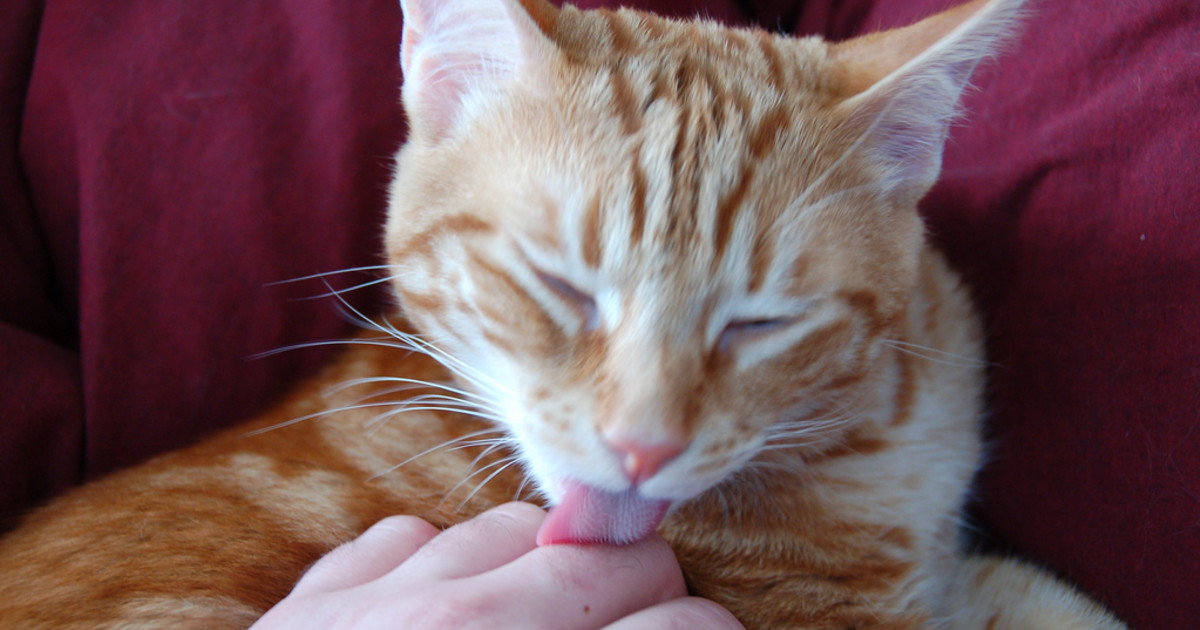
Have you noticed your cat spending more time than usual licking and cleaning itself? You might be wondering, “Why is my cat grooming all the time?” It’s normal for cats to groom, but when it becomes nonstop, it could be a sign of something important.
Understanding why your furry friend is constantly grooming can help you keep them happy and healthy. Keep reading to discover the surprising reasons behind this behavior and what you can do to help your cat feel comfortable again.

Credit: www.latimes.com
Normal Grooming Habits
Cats grooming themselves is a common sight that most cat owners witness daily. Understanding what normal grooming looks like can help you tell if your cat’s behavior is healthy or if it requires attention. Regular grooming is not just about cleanliness—it plays a key role in your cat’s overall well-being.
How Cats Groom Themselves
Cats use their tongues to clean their fur, which acts like a natural brush. Their tongues have tiny, hook-like structures that help remove dirt and loose hair.
They spend a significant amount of time licking their coats, usually starting from the head and working down to their tail. You might notice your cat twisting and bending to reach difficult spots—this flexibility is part of their grooming routine.
Grooming also involves scratching and nibbling to get rid of pesky fleas or irritations. Have you ever noticed your cat pausing and licking more vigorously after a stressful event? Grooming can be a way for cats to calm themselves.
Benefits Of Regular Grooming
Regular grooming keeps your cat’s coat clean and shiny. It helps reduce shedding and prevents mats or tangles, which can be uncomfortable for your cat.
Grooming also supports skin health by distributing natural oils evenly. This can prevent dry patches and skin infections.
Another benefit you might not expect is the bond it builds between you and your cat when you help with grooming. It’s a chance to check for unusual lumps, bumps, or skin issues early on.
Do you pay attention to how often your cat grooms? Understanding these habits can help you spot when something is off before it becomes a bigger problem.
Excessive Grooming Signs
Noticing your cat grooming more than usual can be worrying. Excessive grooming signs are not always obvious at first, but they reveal important clues about your cat’s health and emotional state. Understanding these signs helps you decide when to step in or seek help.
When Grooming Becomes A Problem
Grooming is a natural behavior, but it becomes a problem when it starts interfering with your cat’s daily life. If your cat spends hours licking or biting the same spot, it could indicate stress or discomfort.
Watch for repeated grooming that leads to bald patches or skin irritation. Does your cat seem restless or agitated after grooming sessions? These behaviors suggest the grooming is no longer just routine cleaning.
Think about how often your cat usually grooms. A sudden increase might mean something is wrong. Could anxiety or allergies be pushing your cat to over-groom?
Physical Symptoms To Watch For
Pay close attention to physical signs that accompany excessive grooming. Redness, swelling, or scabs on the skin are clear indicators of a problem.
Notice if your cat’s fur looks uneven or patchy. This often results from constant licking or biting the same area. You might also see small wounds that your cat keeps reopening.
Other symptoms include dry, flaky skin or unusual odors. These can signal infections or parasites that cause discomfort and trigger excessive grooming.
Stress And Anxiety Triggers
Stress and anxiety can cause cats to groom themselves excessively. This behavior often signals that your cat is uneasy or overwhelmed. Understanding the triggers helps you support your pet better. Cats use grooming as a way to calm down and feel secure.
Common Stress Factors For Cats
- Changes in the home, like moving or new furniture
- Introduction of new pets or people
- Loud noises such as fireworks or construction
- Separation from their favorite person
- Illness or pain that causes discomfort
- Lack of stimulation or boredom
Behavioral Responses To Anxiety
Excessive grooming is a clear sign of anxiety in cats. They may lick or chew their fur until it looks patchy. Some cats hide more or become less active. Others may show signs of aggression or vocalize loudly. These behaviors reflect their need to relieve stress and feel safe.
Skin Conditions And Allergies
Excessive grooming in cats often signals underlying skin conditions or allergies. These issues can cause discomfort and itching, prompting your cat to lick, bite, or scratch more than usual. Understanding the root causes can help you address your cat’s behavior effectively and improve their well-being.
Fleas And Parasites
Fleas are a common culprit behind constant grooming. Their bites irritate your cat’s skin, causing intense itching. Even if you don’t see fleas, your cat might be reacting to flea saliva or other parasites like mites.
Look closely at your cat’s fur for tiny black specks or red bumps. These signs often indicate a flea problem. Treating your cat and their environment promptly can stop the cycle of itching and grooming.
Allergic Reactions And Irritants
Allergies can make your cat’s skin sensitive and itchy, leading to over-grooming. Common allergens include certain foods, pollen, dust, or even cleaning products used in your home.
Notice if your cat’s licking increases during specific times or after exposure to new substances. Removing or limiting contact with these irritants can reduce the itching. Sometimes, a vet-prescribed hypoallergenic diet or medication may be necessary to provide relief.
Pain And Discomfort Causes
Cats often groom themselves to stay clean and healthy. But, if grooming becomes excessive, it might signal an issue. Pain and discomfort can make a cat groom more than usual. Understanding the causes can help address the problem.
Injuries And Infections
Cats might groom excessively due to injuries or infections. A cut or bruise can cause pain, leading the cat to lick the area frequently. Infections, like abscesses, can also make grooming more intense. Look for signs like redness, swelling, or discharge.
Underlying Health Issues
Some health issues can cause discomfort, prompting excessive grooming. Conditions like arthritis make movement painful, leading cats to lick sore joints. Skin conditions, such as allergies, can cause itching and irritation. This discomfort often results in constant grooming.
)
Credit: www.northroadvet.com.au
Environmental Influences
Cats groom to keep clean and feel comfortable. Environmental changes can make them groom more than usual. These changes might cause stress or confusion. Grooming helps cats calm down and manage their feelings. Understanding these influences can help you support your cat better.
Changes In Home Environment
Moving to a new house can upset a cat. New smells, sounds, and sights feel strange. Even rearranged furniture can confuse a cat. They may groom more to feel secure. Grooming acts like a comfort routine during change.
Construction noise or new smells from outside also affect cats. Strange noises make cats nervous. Grooming helps reduce their anxiety. It’s a way for cats to find calm in chaos.
Impact Of New Pets Or People
Introducing a new pet changes the social balance. Cats may feel threatened or unsure. Grooming increases as a stress response. It helps them feel in control.
New visitors or family members also affect cats. They may groom more to cope with strangers. This behavior shows their effort to handle change and stress.
When To See A Vet
Knowing when to see a vet is crucial if your cat is grooming excessively. Sometimes, constant grooming is a sign of a deeper health issue that needs professional attention. Ignoring these signs can lead to more serious problems for your furry friend.
Signs Needing Immediate Attention
Watch for bald patches, sores, or red, inflamed skin on your cat. These could indicate infections or allergies that require quick treatment.
If your cat is scratching or biting so much that it causes bleeding, don’t wait. Behavioral changes like sudden aggression or hiding can also signal pain or discomfort linked to over-grooming.
- Excessive licking leading to hair loss
- Open wounds or scabs on the skin
- Swelling or lumps under the fur
- Sudden changes in appetite or weight
- Signs of distress such as meowing loudly or restlessness
Have you noticed any of these signs? Acting quickly can save your cat from prolonged suffering and help identify underlying conditions like parasites, allergies, or even stress-related issues.
Preparing For A Veterinary Visit
Before heading to the vet, observe your cat closely for patterns in grooming behavior. Note the times when your cat grooms the most and any triggers you might have seen.
Gather information about your cat’s diet, environment, and any recent changes at home. This helps the vet understand potential causes more clearly.
Take photos or videos of the grooming behavior and affected areas if possible. These visual aids can give the vet a better idea of the severity and nature of the problem.
- List any medications or supplements your cat is taking
- Prepare answers for questions about your cat’s daily routine
- Consider bringing your cat’s favorite toy or blanket to reduce stress
How would you describe your cat’s grooming to your vet? Being detailed can make a big difference in finding the right treatment quickly.
Managing Excessive Grooming
Cats groom to stay clean, but too much licking can signal stress or skin problems. Watching their behavior helps spot issues early. Managing this habit keeps your cat healthy and happy.
Managing excessive grooming in cats is crucial to ensure their well-being and comfort. While grooming is a natural and necessary behavior, too much of it can signal underlying issues. Understanding and addressing these can prevent potential health problems and improve your cat’s quality of life.Stress Reduction Techniques
Stress can be a major factor in excessive grooming. Create a calm environment for your cat by providing safe and quiet spaces. Ensure they have access to their favorite toys and sleeping spots. Consider using pheromone diffusers that mimic natural cat scents to promote relaxation. Interactive play can also help in reducing stress by providing both mental and physical stimulation. Regular routines can provide your cat with a sense of security, reducing anxiety and the need for constant grooming. Have you ever noticed how your own stress levels impact your behavior? It’s similar for cats, they thrive on consistency and predictability.Treating Skin And Health Problems
Excessive grooming can sometimes be a response to skin irritations or health issues. Check your cat’s skin for signs of redness, bumps, or parasites like fleas. A visit to the vet can rule out allergies or skin conditions that may require treatment. Diet can also play a crucial role; ensure your cat is getting the right nutrients to maintain healthy skin and coat. Have you considered how your cat’s diet might be affecting their grooming habits? Sometimes, a simple diet change can alleviate skin issues. Keep an eye out for any other health symptoms that accompany excessive grooming, such as weight loss or lethargy. Early detection and treatment can save your cat from discomfort and potential long-term health issues. By being attentive to your cat’s behavior and environment, you can manage excessive grooming effectively, ensuring a happy and healthy life for your furry friend.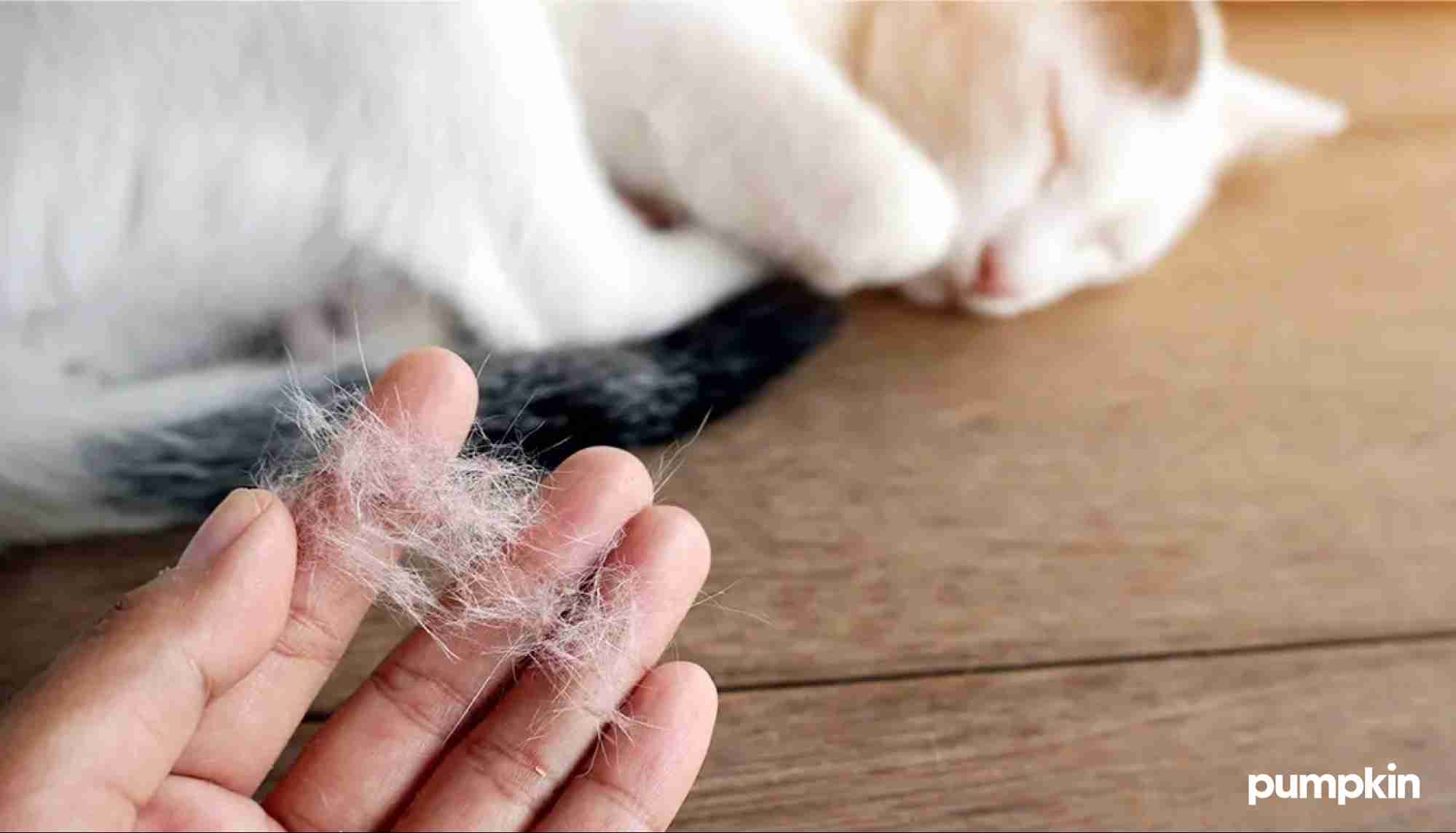
Credit: www.pumpkin.care
Frequently Asked Questions
Why Does My Cat Groom Excessively?
Excessive grooming may indicate stress, allergies, or skin irritation. It helps cats soothe themselves or remove discomfort. If grooming seems obsessive, consult a vet to rule out medical issues or behavioral causes.
Can Over-grooming Harm My Cat’s Skin?
Yes, over-grooming can cause hair loss, redness, and sores. Constant licking may irritate the skin and lead to infections. Early vet visits can prevent these problems and keep your cat healthy.
Does Grooming Reduce Cat Anxiety?
Grooming often calms cats and reduces anxiety. It releases endorphins, making them feel relaxed. However, if grooming becomes excessive, it may indicate underlying stress that needs attention.
How Can I Stop My Cat From Over-grooming?
Identify triggers like stress or allergies. Provide a calm environment and regular playtime. Consult your vet for medical treatments or behavioral advice to manage over-grooming effectively.
Conclusion
Cats groom themselves to stay clean and healthy. Excessive grooming can signal stress or health issues. Watching your cat’s behavior helps catch problems early. A quick visit to the vet can bring peace of mind. Keeping your cat happy reduces over-grooming risks.
Pay attention to changes in their routine and skin. Small actions can improve your cat’s comfort and health. Understanding why your cat grooms helps you care better. Caring for your pet shows your love and concern.




Leave a Reply