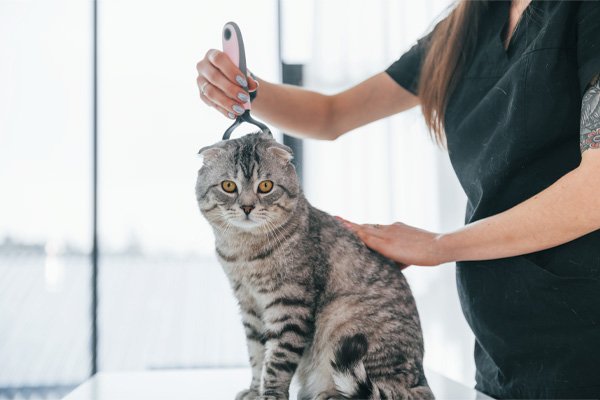
Have you noticed your cat grooming itself more aggressively than usual? It can be worrying to see your furry friend licking or biting their fur until it looks raw or patchy.
You might be wondering what’s causing this sudden change and whether it means your cat is in pain or distress. Understanding why your cat is aggressively grooming is the first step to helping them feel better and keeping their coat healthy.
Keep reading to discover the surprising reasons behind this behavior and what you can do to support your cat.
Signs Of Aggressive Grooming
Aggressive grooming in cats can be a sign of stress or health issues. It often means your cat is trying to cope with something uncomfortable. Recognizing the signs early helps you provide the right care.
Physical Symptoms
- Red or irritated skin where your cat licks or bites
- Bald patches or thinning fur in spots
- Scabs, sores, or wounds from excessive licking
- Swelling or inflammation on the skin
- Dry or flaky skin in problem areas
- Visible scratches or bleeding from biting
Behavioral Changes
- Increased licking or biting in one area
- Restlessness or inability to settle down
- Hiding or avoiding people and other pets
- Sudden irritability or aggression
- Excessive grooming during stressful events
- Refusal to be touched in certain spots
Common Causes
Cats groom themselves to stay clean and comfortable. Sometimes, grooming becomes aggressive and excessive. This behavior can signal different issues. Understanding common causes helps you support your cat’s well-being.
Stress And Anxiety
Stress can trigger intense grooming in cats. Changes at home, loud noises, or new pets cause anxiety. Grooming acts as a coping mechanism. Cats may lick or bite their fur to soothe themselves.
Skin Irritations
Skin problems often lead to aggressive grooming. Cuts, rashes, or dry patches cause discomfort. Cats try to relieve itching or pain by licking or biting the irritated area. Check for redness or swelling.
Allergies
Allergies can make a cat’s skin itchy and inflamed. Food, pollen, or dust may cause allergic reactions. Cats scratch and groom more to ease irritation. Allergies need proper diagnosis and treatment.
Parasites
Fleas, ticks, or mites irritate a cat’s skin. Parasites bite and cause itching. This leads to aggressive grooming to remove them. Look for signs like hair loss or visible bugs on the coat.
Pain Or Discomfort
Pain in certain body parts may cause focused grooming. Injuries or arthritis can make cats lick those areas. This behavior helps them manage discomfort. Notice if grooming targets one spot persistently.
Health Risks Of Over-grooming
Over-grooming in cats might seem like a harmless habit, but it can actually pose serious health risks. When your cat licks or bites itself excessively, it can lead to physical damage and discomfort. Recognizing these risks early can help you protect your cat’s well-being before things get worse.
Skin Damage
Repeated grooming can irritate your cat’s skin, causing redness and inflammation. The constant friction breaks down the skin’s natural barrier, making it more sensitive and prone to wounds. Have you noticed any scabs or raw patches on your cat’s body? These are clear signs that over-grooming is harming their skin.
Hair Loss
One of the most visible effects of aggressive grooming is hair loss. Your cat might develop bald spots or thinning fur in the areas they lick the most. This not only affects their appearance but also leaves the skin unprotected, increasing the risk of further injury.
Infections
Damaged skin creates an entry point for bacteria and fungi, which can lead to infections. These infections may cause your cat pain, swelling, and even more itching, creating a vicious cycle of grooming and damage. If you notice your cat licking a particular spot repeatedly, check for signs of infection like pus, bad odor, or excessive heat.

Credit: www.reddit.com
Behavioral Factors
Behavioral factors play a key role in why cats groom themselves aggressively. Cats use grooming to cope with feelings and situations. Understanding these behaviors helps to spot the cause and find ways to ease your cat’s stress.
Boredom
Bored cats often groom too much. Without toys or activities, they feel restless. Grooming becomes a way to pass time and relieve boredom. This can turn into a habit that looks like aggression.
Environmental Changes
Changes in a cat’s surroundings can cause stress. Moving to a new home or rearranging furniture can unsettle them. Grooming helps cats feel safe and calm. Too much grooming shows their discomfort with the new environment.
Territorial Issues
Cats are very territorial animals. New pets or strangers nearby can cause tension. Aggressive grooming may happen as a way to mark territory or reduce anxiety. It is a sign your cat feels threatened or insecure.
Vet Diagnosis And Tests
Vet diagnosis and tests help find the cause of your cat’s aggressive grooming. This behavior may signal pain, allergies, or stress. A vet uses careful exams and tests to discover the root problem. Early diagnosis leads to better treatment and relief for your cat.
Physical Examination
The vet starts with a full physical exam. They check your cat’s skin for wounds, redness, or hair loss. They feel for lumps or bumps under the fur. The vet looks for signs of infection or parasites. This exam helps spot obvious causes of grooming.
Skin Scrapings And Allergy Tests
Skin scrapings reveal tiny parasites or infections not seen by the eye. The vet gently scrapes a small skin sample for lab analysis. Allergy tests identify if your cat reacts to food or environment. These tests include blood tests or patch testing on the skin. They narrow down causes of itching and grooming.
Blood Work
Blood tests check your cat’s overall health. They reveal infections, hormonal problems, or internal diseases. Blood work helps find conditions that cause discomfort or itching. It also guides the vet in choosing the right treatment plan.

Credit: tryfurgo.com
Treatment Options
Treating aggressive grooming in cats often involves calming their stress or addressing skin problems. A vet may suggest changes in diet, medication, or special shampoos. Creating a peaceful environment helps reduce anxiety and stops excessive licking.
Addressing your cat’s aggressive grooming habits can be a crucial step in ensuring their well-being and comfort. Sometimes, this behavior might indicate underlying issues that need attention. Fortunately, there are several treatment options available that can help manage and reduce this behavior.Medications
In some cases, your vet might prescribe medications to help alleviate your cat’s anxiety or stress, which could be driving their excessive grooming habits. Anti-anxiety medications or antidepressants can be effective in managing behavioral issues. Always consult with your veterinarian to determine the best medication for your cat’s specific needs and ensure proper dosage.Topical Treatments
Topical treatments can play a significant role in soothing your cat’s skin and reducing irritation. Products like hydrocortisone creams or sprays can help calm inflamed skin and minimize the urge to groom aggressively. Make sure any product used is safe for cats and recommended by your vet.Dietary Adjustments
The right diet can make a world of difference for your cat’s skin and coat health. Consider adding omega-3 fatty acids to their diet, as these can improve skin health and reduce inflammation. Talk to your vet about any necessary changes in diet or supplements that might benefit your cat. When was the last time you evaluated your cat’s dietary needs or consulted with a vet about potential allergies? Addressing these questions could be the first step in resolving your feline’s grooming issues. Taking proactive measures not only aids in your cat’s recovery but also strengthens your bond with them.Behavioral Solutions
Excessive grooming in cats often signals stress or discomfort. Behavioral solutions focus on identifying triggers and providing calming environments to reduce this behavior. Understanding your cat’s needs helps prevent aggressive grooming and promotes well-being.
Cats often groom themselves to stay clean and healthy. But sometimes, they may groom aggressively due to stress or boredom. Understanding the reasons behind this behavior is key. Below are some behavioral solutions to help your furry friend relax and feel more comfortable.Enrichment Activities
Providing stimulating activities can reduce aggressive grooming. Introduce toys that mimic hunting. Feather wands and small balls can keep your cat engaged. Rotate toys regularly to maintain interest. Interactive play sessions strengthen your bond. Use puzzles to challenge their mind. Hide treats in different spots to encourage exploration.Stress Reduction Techniques
Stress may trigger excessive grooming. Maintain a calm home environment. Avoid loud noises and sudden changes. Provide a consistent daily routine for feeding and playtime. Consider pheromone diffusers to promote relaxation. They mimic natural calming scents. Ensure your cat has quiet time each day.Safe Spaces
A safe space can comfort your cat. Create a cozy area with a soft bed. Place it in a quiet corner. Include familiar items like a favorite blanket. Vertical spaces offer safety and vantage points. Install shelves or a cat tree. Cats love to observe from high places. This reduces stress and promotes well-being. Remember, every cat is unique. Observe their needs and adjust accordingly. Your attentive care can make a significant difference.Preventive Measures
Preventive measures help keep your cat calm and healthy. Aggressive grooming often signals stress, discomfort, or health issues. Taking steps to prevent these problems reduces grooming behavior. Focus on health checks, parasite control, and a steady routine for your cat’s well-being.
Regular Vet Checkups
Regular vet visits catch health problems early. Your vet checks skin, fur, and overall health. Early detection prevents conditions that cause aggressive grooming. Schedule vet appointments every six months or as advised.
Parasite Control
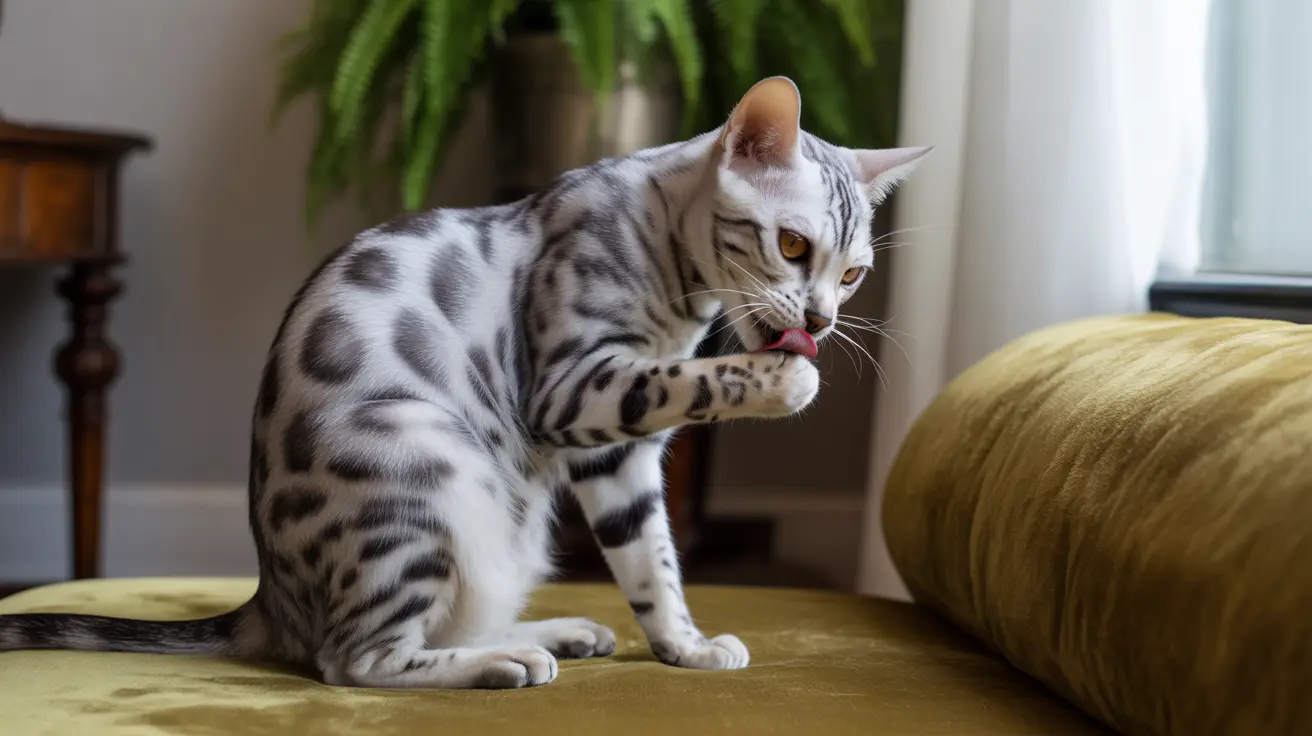
Parasites irritate your cat’s skin and cause itching. Fleas, ticks, and mites lead to excessive grooming. Use vet-recommended parasite control products. Keep your cat’s environment clean to reduce parasite risks.
Consistent Routine
Cats feel safe with a regular daily routine. Feeding, playtime, and rest should happen at set times. A stable routine lowers stress and anxiety. Less stress means less chance of aggressive grooming.
Credit: www.petscare.com
Frequently Asked Questions
Why Is My Cat Grooming Aggressively?
Aggressive grooming often signals stress, anxiety, or skin irritation. Cats may over-groom to soothe discomfort or respond to environmental changes. Identifying triggers and consulting a vet can help manage the behavior effectively.
Can Allergies Cause Aggressive Cat Grooming?
Yes, allergies can cause itching and irritation, leading to aggressive grooming. Food, fleas, or environmental allergens often trigger this. Treating the allergy source usually reduces excessive grooming.
Is Aggressive Grooming Harmful To Cats?
Excessive grooming can harm cats by causing skin sores or hair loss. It may also indicate underlying health or emotional issues. Prompt veterinary care is essential to prevent further damage.
How Can I Stop My Cat’s Aggressive Grooming?
Reducing stress, treating allergies, and regular vet visits help control aggressive grooming. Providing a calm environment and proper skin care also supports recovery. Behavioral therapy may be needed in some cases.
Conclusion
Aggressive grooming in cats signals a need for attention. Stress, allergies, or pain might cause this behavior. Watching your cat closely helps spot any changes. A calm environment can reduce their anxiety. Regular vet visits ensure your cat stays healthy.
Understanding your cat’s needs builds a stronger bond. Caring for your pet means noticing these signs early. Act with kindness and patience to support your cat. Small changes in behavior often tell an important story. Stay observant and help your cat feel safe.




Leave a Reply