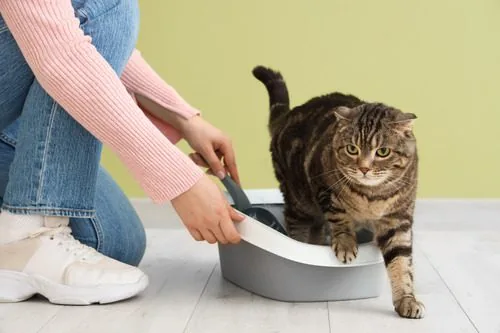
Is your cat suddenly pooping outside of the litter box? You’re not alone, and it can be really frustrating.
When your furry friend starts choosing the floor over their litter box, it raises questions and worries. Why is this happening? Could it be a health issue, stress, or something about the litter box itself? Understanding the reasons behind this behavior is the first step to fixing it.
Keep reading, and you’ll discover simple, effective ways to help your cat get back on track—and keep your home clean and stress-free.
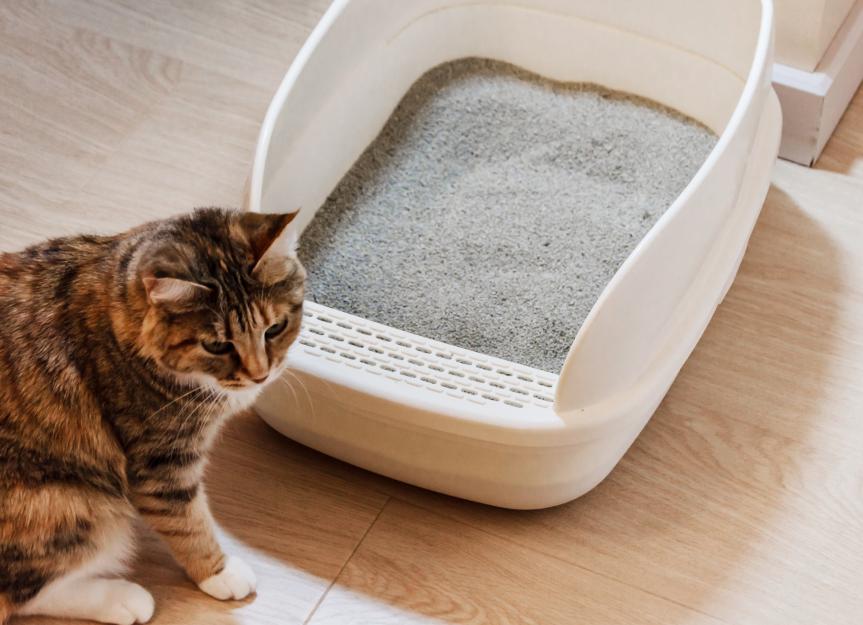
Credit: www.petmd.com
Common Causes
When cats start pooping outside the litter box, it often signals a problem. Understanding common causes helps find solutions fast. Several factors can lead to this behavior. Some relate to health, others to environment or litter box setup.
Identifying the reason is key to stopping the habit. Read on to learn about typical causes and how they affect your cat.
Medical Issues
Illness can make a cat avoid the litter box. Urinary tract infections, diarrhea, or constipation cause discomfort. Cats may associate pain with the box and go elsewhere. A vet check can rule out or treat medical problems. Early diagnosis prevents worse issues.
Dirty Litter Box
Many cats dislike a dirty litter box. They prefer a clean, fresh space to do their business. If the box smells or looks messy, cats seek other spots. Cleaning the box daily encourages proper use. Some cats need scooping twice a day.
Stress And Anxiety
Stress changes cat behavior quickly. Loud noises, new pets, or visitors cause anxiety. Cats may avoid the litter box to express stress. Providing a calm, safe area helps reduce anxiety. Toys and hiding places offer comfort during changes.
Changes In Environment
Moving home or rearranging furniture confuses cats. They need time to adjust to new surroundings. Changes disrupt their routine and litter box habits. Keeping the box in a familiar place supports normal use. Patience is important during transitions.
Litter Box Location
Location matters a lot for litter box use. Boxes placed near loud appliances or busy areas scare cats. They prefer quiet, private spots for bathroom breaks. Moving the box to a calm corner improves usage. Avoid locations near food or water bowls.
Type Of Litter
Cats have preferences for litter texture and smell. Some dislike strong scents or rough materials. Changing to unscented, fine-grained litter can help. Experiment with different types to find what your cat likes best. Consistency in litter type encourages regular use.
Behavioral Factors
Behavioral factors play a significant role when your cat suddenly starts pooping outside the litter box. Understanding these behaviors can help you address the root causes rather than just the symptoms. Your cat’s actions are often a form of communication, signaling discomfort, stress, or confusion.
Territorial Marking
Cats are naturally territorial creatures. If your cat feels its space is threatened, it may poop outside the litter box to mark its territory. This behavior is especially common in multi-cat households or when new pets or people enter the home.
Have you noticed your cat choosing a particular spot repeatedly? That spot might be their way of reclaiming a personal zone.
Negative Experiences
Your cat might associate the litter box with something unpleasant. Loud noises, harsh cleaning chemicals, or even a painful experience while using the box can cause avoidance. Cats have strong memories, and one bad incident can make them look for alternative spots.
Think about any recent changes around the litter box area. Could you have accidentally scared your cat or changed the litter type?
Multiple Cats Conflict
When more than one cat shares a home, conflicts can arise over litter box use. Some cats may intimidate others, preventing them from accessing the box comfortably. This can lead to a stressed cat choosing to eliminate elsewhere.
Providing enough litter boxes—one per cat plus one extra—can reduce tension and encourage proper use. Are your cats getting along well, or do you see signs of rivalry?
Preventive Measures
Keeping the litter box clean and in a quiet place helps prevent accidents. Providing enough boxes for multiple cats also reduces stress and unwanted pooping outside. Regularly checking for health issues can stop this behavior early.
Preventive measures can help keep your cat using the litter box consistently. These steps focus on maintaining a clean, inviting environment for your feline friend. Addressing issues early can prevent future problems and ensure your home stays clean.Regular Cleaning
Cats prefer clean spaces. Scoop the litter box daily to remove waste. This keeps the box inviting and minimizes odors. A deeper clean with soap and water should occur weekly. This removes any lingering smells that might deter your cat.Choosing The Right Litter
Cats have preferences for litter types. Some like clumping, others non-clumping. Test different types to find what your cat prefers. Ensure the litter is unscented. Strong scents can be off-putting to sensitive feline noses.Optimal Litter Box Placement
Place the litter box in a quiet, accessible area. Avoid noisy or high-traffic spots. Cats need privacy, just like humans. Ensure the location is easy for the cat to reach. Climbing stairs or navigating obstacles can deter use.Providing Multiple Boxes
More than one box can be beneficial, especially in multi-cat homes. A good rule is one box per cat, plus one extra. This ensures availability and reduces competition. Cats can be territorial, so this helps maintain harmony.
Credit: www.aol.com
Medical Solutions
Medical issues can often cause your cat to avoid the litter box. If your feline suddenly starts pooping outside their usual spot, it’s crucial to consider health problems as a possible reason. Addressing these issues early can save you frustration and keep your cat comfortable.
Veterinary Checkups
Taking your cat to the vet is the first step when you notice litter box problems. A thorough examination helps rule out any underlying health concerns. Sometimes, what looks like behavioral trouble is actually a sign of pain or discomfort your cat can’t express.
During the visit, your vet may check for:
- Urinary tract infections
- Digestive problems
- Parasites or blockages
Don’t wait until the behavior worsens—early detection makes treatment easier and more effective.
Treating Infections
Infections are a common cause of litter box avoidance. They can make pooping painful or urgent, causing your cat to avoid the box. If your vet confirms an infection, they will likely prescribe antibiotics or other medications.
Follow your vet’s instructions carefully. Skipping doses or stopping treatment early can cause the infection to return. Have you noticed if your cat strains or cries while pooping? This could be a sign of infection worth discussing with your vet.
Managing Chronic Conditions
Some cats have ongoing health issues like arthritis or inflammatory bowel disease that affect their bathroom habits. Managing these conditions involves a combination of medication, diet changes, and sometimes lifestyle adjustments.
For example, a cat with arthritis might avoid the litter box because jumping in and out hurts. Providing a box with lower sides can help. How can you make your cat’s environment more comfortable to encourage regular litter box use?
With proper medical care, many cats return to their normal habits. Don’t hesitate to seek help if you suspect your cat’s health is the cause of their litter box problems.
Behavioral Remedies
Behavioral remedies can play a key role in addressing why your cat is pooping outside the litter box. Cats often communicate through their actions, and understanding their behavior can help you guide them back to good habits. By focusing on behavior, you can create a more positive and comfortable environment for your feline friend.
Stress Reduction Techniques
Stress is a common reason cats avoid their litter boxes. Changes in the home, new pets, or loud noises can unsettle your cat. Try to identify any recent changes and reduce stress by providing quiet, safe spaces.
Consider using pheromone diffusers or sprays designed for cats. These products can calm your cat and make the litter box area feel more welcoming. Have you noticed if your cat’s accidents happen after specific events or disturbances?
Positive Reinforcement
Rewarding your cat for using the litter box encourages good habits. Praise your cat with gentle words, pets, or treats immediately after they use the box. This helps them associate the litter box with positive experiences.
Be patient and consistent. Avoid punishment, as it can increase anxiety and worsen the problem. Instead, focus on celebrating small successes to build your cat’s confidence.
Environmental Enrichment
A bored or frustrated cat might act out by pooping outside the litter box. Add new toys, scratching posts, and climbing areas to keep your cat mentally and physically stimulated. This can reduce unwanted behaviors caused by boredom.
Rotate toys regularly to maintain interest and provide interactive playtime daily. How often do you engage your cat in play? Increasing this can improve your cat’s overall happiness and litter box habits.
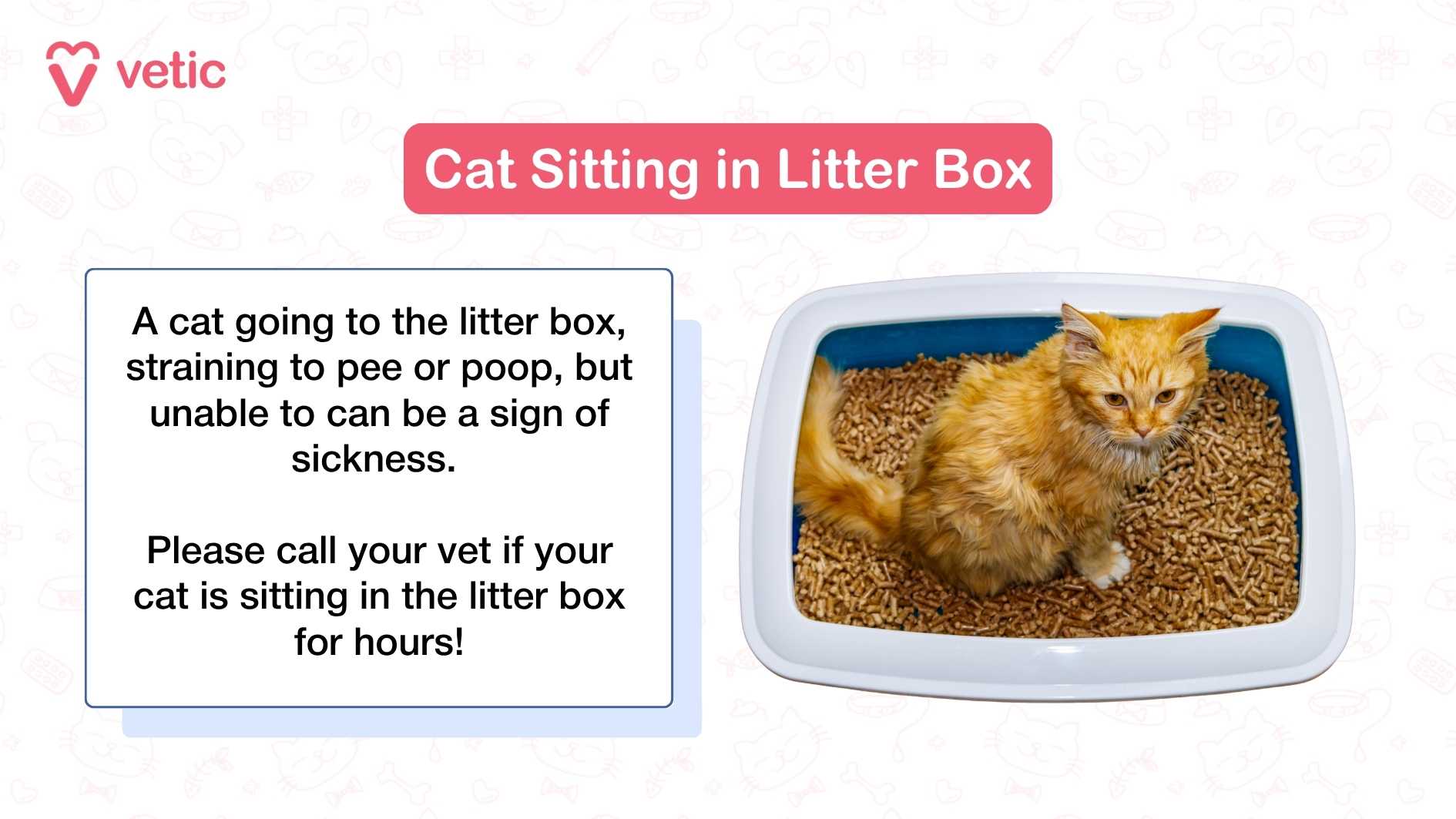
Credit: vetic.in
When To Seek Professional Help
Knowing when to seek professional help is key for your cat’s health and happiness. Some litter box issues need expert advice. Acting early can prevent bigger problems. Professionals can find hidden causes and suggest the best solutions. Watch your cat’s behavior closely. Notice if the problem lasts or gets worse. These signs show it is time to get help.
Persistent Problems
When your cat keeps pooping outside the litter box for several weeks, it is a concern. Cleaning and changing the box often might not help. The issue could be due to health problems like infections or pain. A vet can run tests to find these problems. Persistent issues might also mean your cat is stressed. A professional can assess your cat’s environment and habits. They provide tailored advice to stop this behavior.
Severe Behavioral Issues
Some cats show strong signs of anxiety or aggression linked to litter box refusal. They may hide, hiss, or avoid family members. This behavior can worsen if ignored. A pet behaviorist understands these signals well. They use gentle training techniques to calm your cat. Severe cases might need combined care from vets and behaviorists. Early intervention improves your cat’s comfort and your home’s peace.
Frequently Asked Questions
Why Is My Cat Pooping Outside The Litter Box?
Cats often poop outside the box due to stress, illness, or litter issues. Check for medical problems first. Clean the box regularly and ensure it’s in a quiet, accessible location to encourage use.
Can Litter Box Cleanliness Affect Cat Behavior?
Yes, cats dislike dirty litter boxes. Unclean boxes can cause them to avoid using it. Scoop daily and replace litter weekly to maintain hygiene and encourage proper use.
Does Litter Type Impact Cat’s Bathroom Habits?
Absolutely, cats can be picky about litter texture and scent. Switching to unscented, clumping litter may improve usage. Experiment to find your cat’s preferred type for better results.
How Can Stress Cause Litter Box Problems?
Stress from new pets, moves, or changes can make cats avoid the litter box. Provide a calm environment, extra litter boxes, and routine to reduce anxiety.
Conclusion
Cats may poop outside their litter box for many reasons. Stress, health issues, or a dirty box can cause this behavior. Watch your cat closely and keep the litter clean. Try changing the type of litter or the box location.
Visit a vet to rule out medical problems. Patience and care help your cat feel safe. Soon, your cat will return to using the litter box. Understanding your pet’s needs makes a happy home.



Leave a Reply