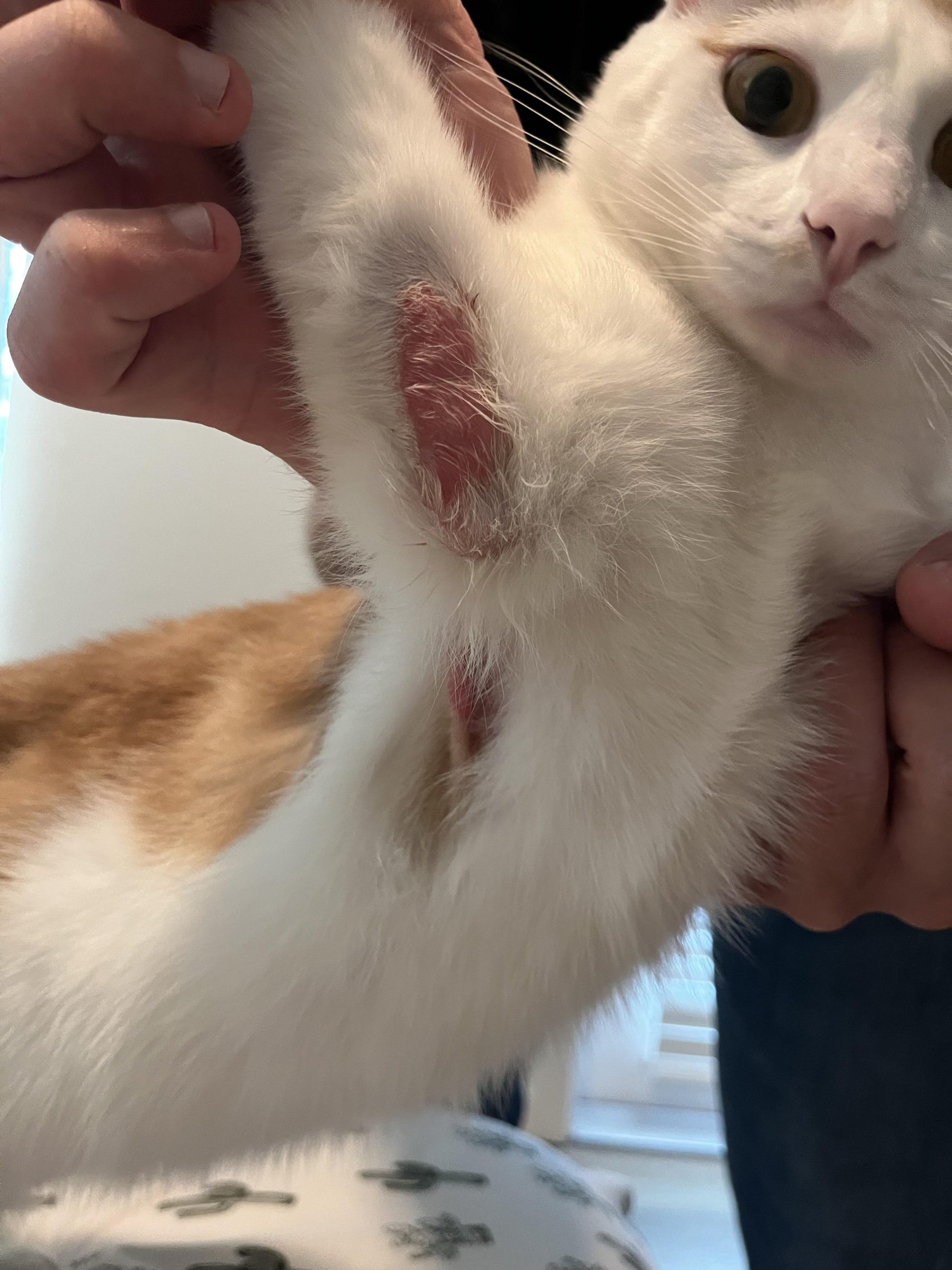
Have you noticed your cat licking itself more than usual? You might wonder, “Why is my cat over grooming?”
This behavior can be more than just a quirky habit. Over grooming can signal stress, allergies, or even health problems that need your attention. Understanding why your cat does this will help you keep your furry friend happy and healthy.
Keep reading to discover the surprising reasons behind over grooming and how you can help your cat feel better.
Reasons Behind Cat Over Grooming
Cat over grooming happens for many reasons. It is important to understand why cats groom too much. This behavior may signal health or emotional issues. Knowing the causes helps owners find the right solution. Over grooming can lead to skin damage and hair loss.
Below are common reasons behind this behavior.
Skin Allergies And Irritations
Skin allergies cause itching and discomfort. Cats lick or scratch to ease irritation. Allergies may come from food, pollen, or chemicals. Sensitive skin reacts quickly to certain substances. Over grooming worsens the problem, making skin raw.
Parasites And Infections
Fleas, ticks, and mites irritate a cat’s skin. These parasites cause constant itching and biting. Bacterial or fungal infections also lead to discomfort. Cats groom more to try to remove parasites. Untreated infections can cause serious skin damage.
Stress And Anxiety Factors
Stress triggers over grooming in many cats. Changes in the environment or routine cause anxiety. Loud noises or new pets increase stress levels. Grooming becomes a way to self-soothe. Without relief, cats may develop bald patches.
Boredom And Lack Of Stimulation
When cats feel bored, they may over groom. Lack of toys or playtime leads to frustration. Grooming acts as a way to pass time. Mental and physical stimulation helps reduce this behavior. Active cats groom less out of boredom.
Underlying Medical Conditions
Some medical issues cause excessive grooming. Pain from arthritis or injuries may lead to licking. Hormonal imbalances can affect skin health. Certain illnesses cause itchy or sore skin. Veterinary exams help detect these hidden causes.

Credit: www.reddit.com
Health Risks Of Excessive Grooming
Excessive grooming in cats can seem like a harmless habit, but it often masks deeper health issues. When your cat grooms too much, it’s not just about cleanliness—it can lead to serious health risks. Understanding these risks helps you spot problems early and protect your furry friend’s well-being.
Skin Damage And Hair Loss
Over grooming causes your cat’s skin to become irritated and inflamed. Constant licking and scratching can wear down the fur, leading to noticeable bald spots. You might spot red, raw patches where the skin is exposed and tender.
Have you noticed your cat’s fur thinning unusually fast? This could be a sign of damage beneath the surface, not just a normal shedding phase. It’s important to check regularly and act before the damage worsens.
Infections And Sores
When the skin is broken from excessive grooming, it becomes a gateway for infections. Bacteria and fungi can easily enter, causing painful sores and abscesses. These infections often require vet treatment and can delay healing.
Ignoring these wounds can lead to more severe problems like deep tissue infections. If your cat is licking the same spot repeatedly, it’s a red flag that something isn’t right.
Behavioral Changes
Over grooming often signals stress, anxiety, or discomfort in your cat. You might notice your pet becoming withdrawn, restless, or unusually aggressive. These behavior changes reflect the emotional toll of physical irritation.
Ask yourself what might be triggering your cat’s anxiety. Is there a new pet, loud noises, or a change in routine? Addressing these can sometimes reduce the urge to over groom.
Impact On Overall Well-being
Excessive grooming doesn’t just affect your cat’s skin—it impacts their entire quality of life. Chronic discomfort can reduce appetite, disrupt sleep, and lower energy levels. Your cat may seem less playful or affectionate than usual.
How often do you observe your cat’s grooming habits and overall mood? Keeping a close eye can help you catch early signs of trouble. Timely intervention can restore your cat’s comfort and happiness.
Identifying Over Grooming In Cats
Cats are known for their grooming habits, often spending hours cleaning themselves. But excessive grooming can indicate a problem. Identifying over grooming is crucial for your cat’s health. This guide helps you understand the signs and behaviors to watch for.
Common Signs To Watch For
Look for areas where fur is thin or missing. Bald spots can indicate over grooming. Skin irritation or redness are also warning signs. Cats might groom the same spot repeatedly.
Behavioral Patterns
Observe if your cat grooms more than usual. Note if the grooming sessions are longer or more frequent. Cats may groom excessively due to stress or boredom. Changes in environment can trigger this behavior.
When To Seek Veterinary Help
Consult a vet if you notice excessive grooming. A vet can rule out medical issues. Persistent skin irritation needs professional attention. Early intervention can prevent further complications.
Effective Solutions For Over Grooming
Effective solutions for cat over grooming focus on addressing the root causes. Over grooming often signals discomfort, stress, or health issues. Treating these problems helps restore your cat’s natural grooming habits. Combining various approaches improves your cat’s well-being and reduces excessive licking or biting.
Veterinary Treatments And Medications
Veterinarians diagnose underlying medical issues causing over grooming. Skin infections, allergies, or pain may require specific treatments. Medications can reduce itching and inflammation. Sometimes, anti-anxiety drugs help calm stressed cats. Follow the vet’s advice closely for best results.
Environmental Enrichment
Providing toys and playtime keeps cats mentally active. Scratching posts and climbing trees offer physical exercise. Changing the environment with safe, stimulating objects prevents boredom. Enrichment helps distract cats from over grooming habits. Rotate toys regularly to maintain interest.
Stress Reduction Techniques
Stress is a common cause of over grooming. Create a calm, quiet space for your cat. Use pheromone diffusers to promote relaxation. Gentle petting and soft voices soothe anxious cats. Establish a daily routine to build security. Avoid sudden changes in the home environment.
Diet And Nutritional Support
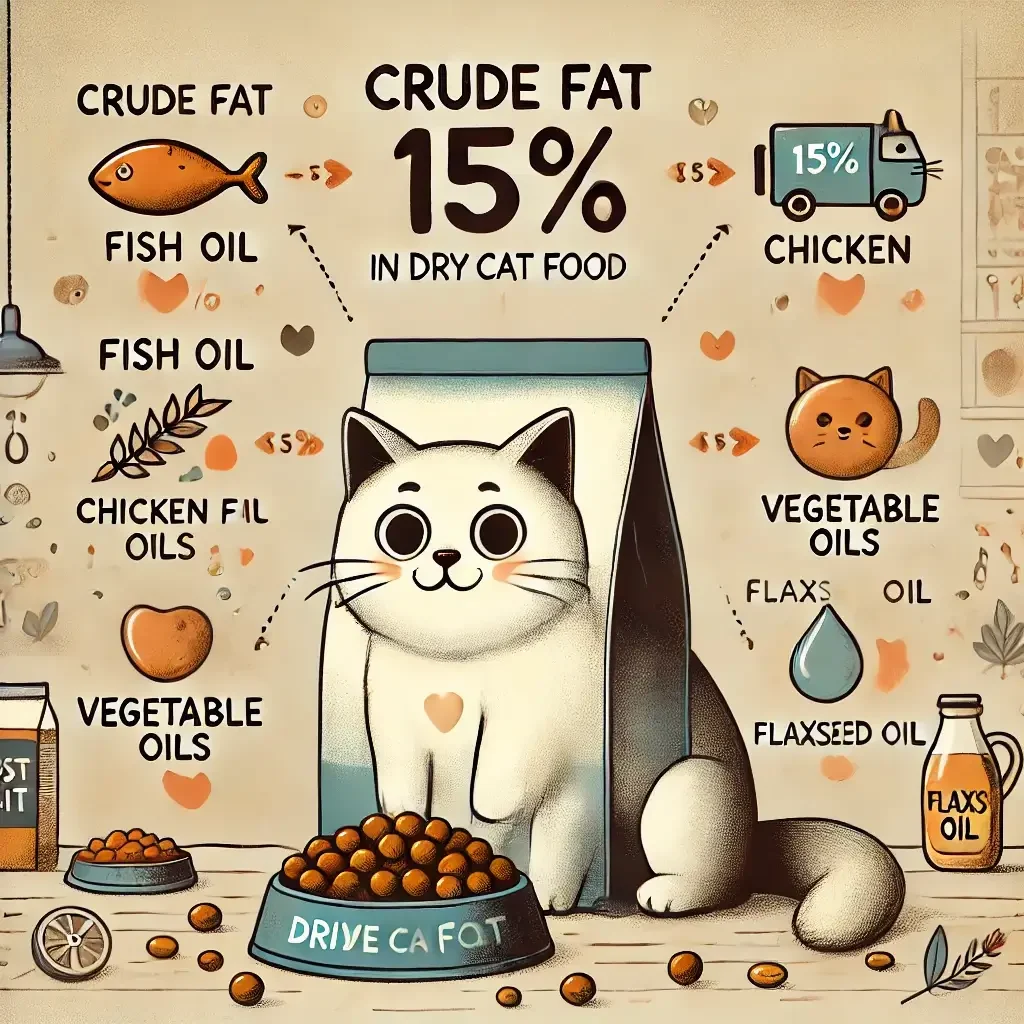
Proper nutrition supports healthy skin and coat. Include omega-3 and omega-6 fatty acids in your cat’s diet. These nutrients reduce inflammation and dryness. Consult your vet about supplements or special diets. Balanced food improves overall health and comfort.
Regular Parasite Control
Fleas and mites cause itching and skin irritation. Regular parasite control prevents infestations. Use vet-recommended flea treatments consistently. Check your cat’s skin often for signs of parasites. Clean bedding and living areas to reduce risks.
Preventing Over Grooming In Cats
Preventing over grooming in cats is crucial to keep your feline friend healthy and comfortable. Over grooming can lead to skin problems, hair loss, and infections. Addressing it early helps you avoid these complications and improves your cat’s quality of life.
Routine Health Checks
Regular vet visits help spot underlying health issues that might cause your cat to over groom. Skin allergies, parasites, or pain could be the triggers. Don’t wait for obvious symptoms—early detection can save your cat from discomfort.
Keep an eye on your cat’s skin and coat at home too. Look for redness, bald spots, or scabs. Noticing these signs early means you can get professional help before the problem worsens.
Creating A Stimulating Environment
Boredom often leads cats to over groom as a way to entertain themselves. Providing toys, scratching posts, and interactive play can reduce this behavior. Try rotating toys regularly to keep your cat’s interest alive.
Have you noticed your cat grooming more when alone? Spending time with your cat and offering new activities can keep their mind busy. Sometimes, simple changes in their daily routine can make a big difference.
Managing Stressful Situations
Stress is a common cause of over grooming. Changes like moving houses, new pets, or loud noises can unsettle your cat. Identify what stresses your cat and try to minimize these triggers.
Using calming products like pheromone diffusers or natural supplements might help. Creating a safe, quiet space where your cat can retreat often reduces anxiety and grooming habits.
Proper Grooming Habits
Helping your cat with grooming can prevent them from overdoing it. Brush their coat regularly to remove loose hair and dirt. This can satisfy their grooming instincts and reduce the urge to lick or bite themselves excessively.
Be gentle and patient while grooming, making it a positive experience. You might find that your cat grooms less when they feel cared for this way. Do you spend time grooming your cat daily? It’s a simple step that can prevent many problems.

Credit: www.reddit.com

Credit: www.reddit.com
Frequently Asked Questions
What Causes Cats To Over Groom Themselves?
Cats over groom due to stress, allergies, parasites, or skin infections. It can also signal pain or anxiety. Identifying the cause is vital for treatment. Consulting a vet helps find the underlying issue and stops over grooming effectively.
How Can I Tell If My Cat Is Over Grooming?
Look for bald patches, red or irritated skin, and frequent licking. Over grooming often leads to hair loss and scabs. Monitoring your cat’s behavior helps detect early signs. Early intervention prevents worsening skin problems and discomfort.
Can Over Grooming Harm My Cat’s Health?
Yes, excessive grooming can cause skin damage, infections, and hair loss. It may also indicate emotional or physical health problems. Left untreated, it worsens your cat’s condition. Proper care and treatment improve their comfort and well-being.
What Treatments Help Stop Cat Over Grooming?
Treatment depends on the cause, including flea control, allergy management, or calming techniques. Vets may recommend medication or behavior therapy. Regular grooming and environmental enrichment also help. Addressing the root cause ensures effective and lasting relief.
Conclusion
Cat over grooming can signal stress or health issues. Watch for bald spots or sore skin. Cats may groom too much if they feel anxious. Sometimes, allergies or parasites cause this behavior. Visit a vet to find the real cause.
Early help can stop skin damage. Understanding your cat’s habits keeps them happy and healthy. Pay attention, act quickly, and your cat will feel better soon.

Leave a Reply