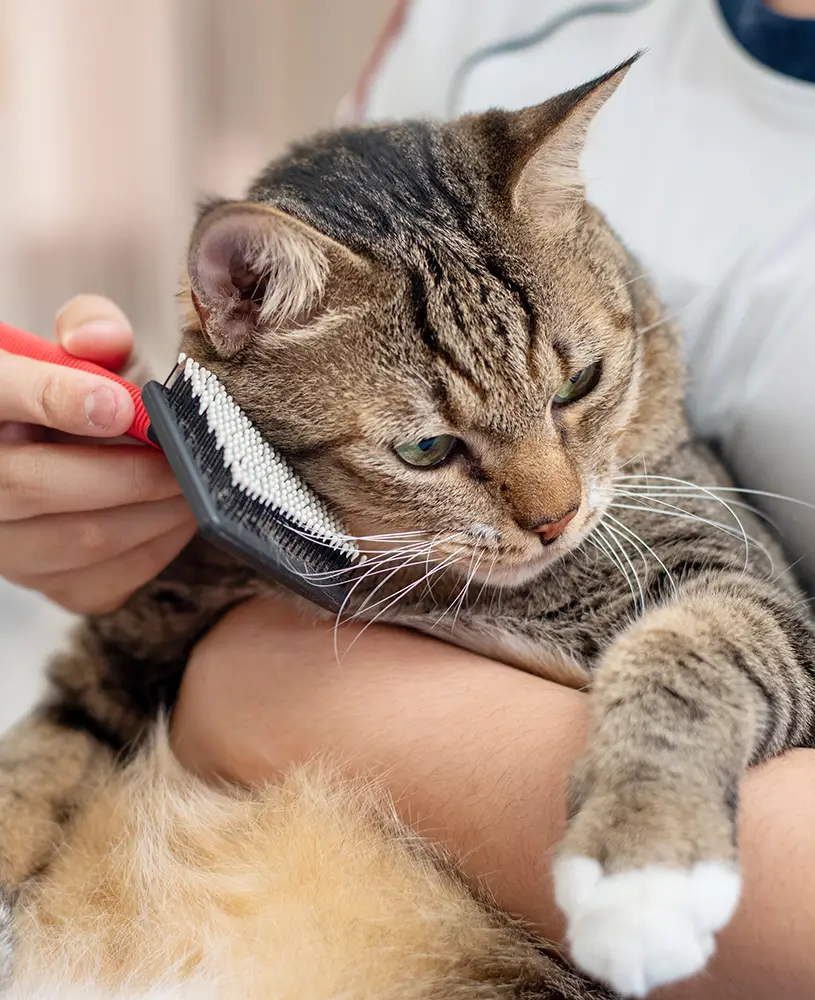
Are you wondering who teaches cat grooming and how you can learn the skills to keep your feline friend looking and feeling great? Whether you’re a new cat owner or someone who wants to turn a passion for pets into a career, knowing where to find the right guidance is key.
You’ll discover exactly who can teach you cat grooming, from professional trainers to online experts, so you can start caring for your cat like a pro. Keep reading to unlock the secrets of expert cat grooming and find the perfect learning path for you and your furry companion.
Cat Grooming Experts
Cat grooming experts play an important role in keeping cats clean and healthy. They know the best ways to care for a cat’s coat, nails, and skin. These experts share their knowledge through training and hands-on experience. Many cat owners trust their advice to keep their pets looking and feeling good.
Professional Groomers
Professional groomers have special training in animal care. They learn how to handle cats safely and use the right tools. Groomers can teach skills like brushing, trimming, and bathing. Their experience helps prevent stress and injury during grooming. Many groomers offer classes or one-on-one lessons for cat owners.
Veterinarians
Veterinarians understand cat health deeply. They can show how grooming affects a cat’s skin and coat. Vets often give advice on dealing with fur problems or skin issues. They also teach safe ways to trim nails and check ears. Veterinarians guide pet owners to keep grooming safe and healthy.
Experienced Pet Owners
Experienced pet owners share practical grooming tips. They often learn by caring for their own cats over time. These owners know how to calm nervous cats and make grooming easier. Many share advice through blogs, videos, or local groups. Learning from them can build confidence and skill in grooming cats.

Credit: tryfurgo.com
Training Programs
Training programs offer structured ways to learn cat grooming skills. They cover essential techniques, safety, and cat behavior. These programs suit beginners and those who want to improve their skills. Many options exist to fit different schedules and budgets.
Certification Courses
Certification courses provide in-depth training on cat grooming. They teach brushing, bathing, nail trimming, and health checks. Students often get hands-on practice with real cats. Completing a course usually results in a recognized certificate. This certificate can help build trust with clients and employers.
Workshops And Seminars
Workshops and seminars offer short, focused learning sessions. They often cover specific topics like grooming techniques or product use. These events allow for questions and live demonstrations. Attending workshops can improve skills quickly and provide networking opportunities.
Online Classes
Online classes offer flexible learning from home. They include videos, tutorials, and quizzes to teach cat grooming basics. Students can learn at their own pace and review materials anytime. Some online courses offer certificates after completion. They are ideal for busy people or those far from training centers.
Essential Grooming Skills
Grooming your cat is more than keeping them clean. It strengthens your bond. Understanding essential grooming skills can make a world of difference. These skills help maintain your cat’s health and happiness.
Brushing Techniques
Brushing removes loose fur and prevents tangles. Use a soft-bristle brush for short-haired cats. For long-haired breeds, a wide-toothed comb works best. Brush in the direction of the fur. This reduces pulling and discomfort. Regular brushing also reduces shedding around your home.
Bathing Tips
Cats often dislike water, so keep baths short. Use a cat-specific shampoo to avoid irritation. Wet your cat slowly and gently with warm water. Apply shampoo, then rinse thoroughly. Dry your cat with a towel, not a hairdryer. This prevents stress and overheating.
Nail Care
Regular nail trimming prevents overgrowth and discomfort. Use cat nail clippers for precision. Gently press the paw to extend the nail. Trim just the tip, avoiding the quick. This pink area is sensitive. Trim nails every few weeks for best results.
Handling Different Cat Breeds
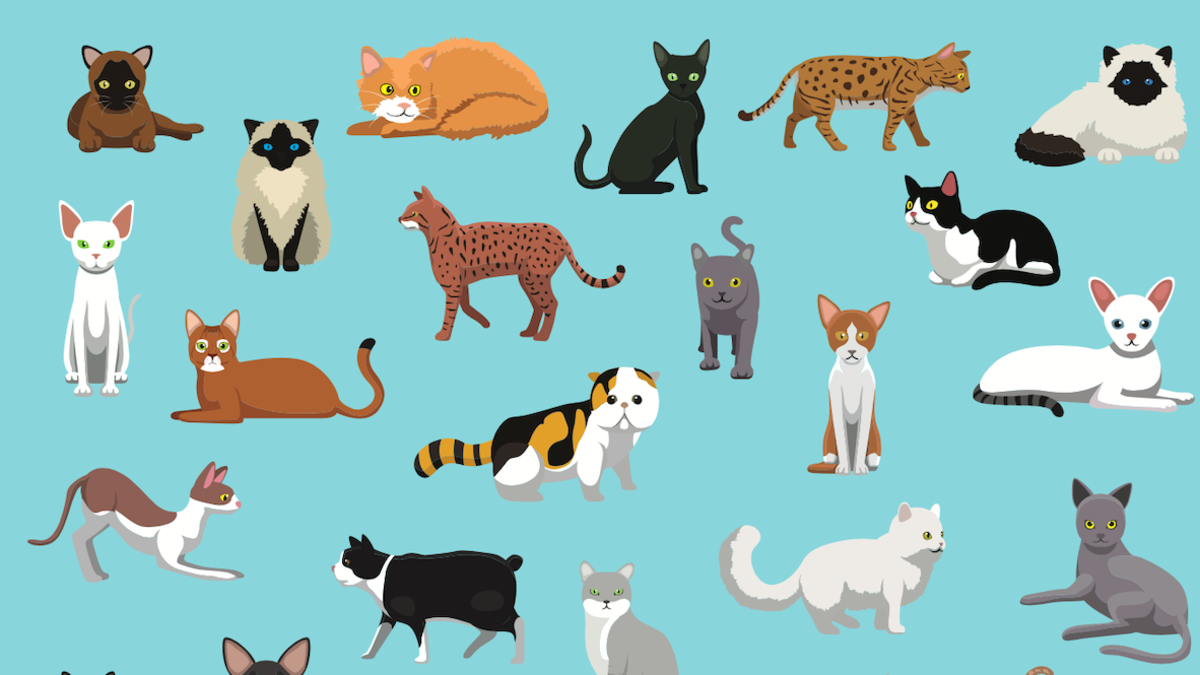
Handling different cat breeds requires specific grooming techniques. Each breed has unique coat types and skin needs. Understanding these differences helps keep cats healthy and comfortable. Groomers must adapt their tools and methods for each cat.
Long-haired Cats
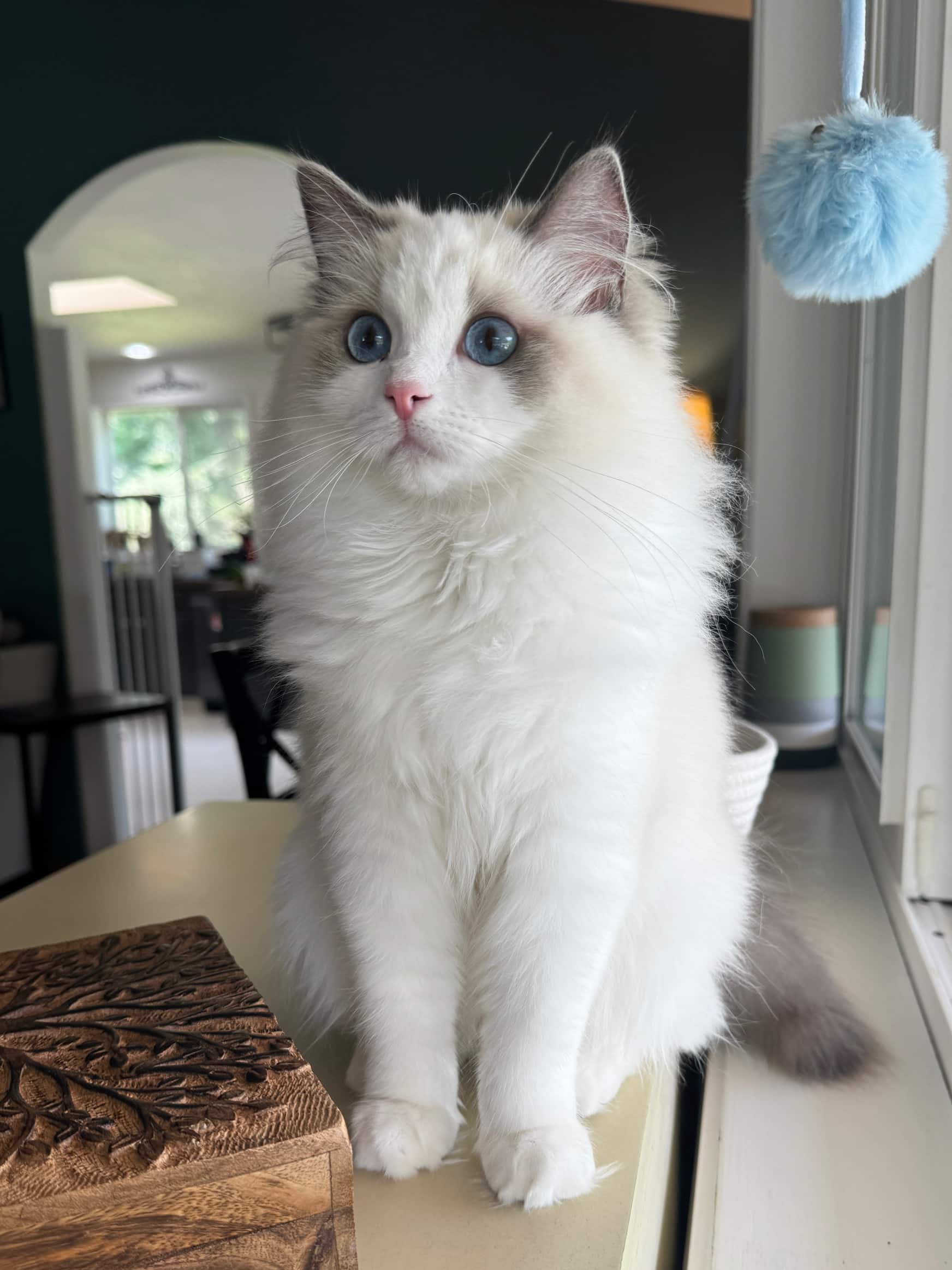
Long-haired cats need frequent brushing. Their fur tangles easily and can form mats. Use wide-tooth combs to gently remove knots. Regular grooming prevents hairballs and skin problems. Patience is key when handling thick coats.
Short-haired Cats
Short-haired cats require less brushing but still benefit from it. A soft bristle brush removes loose hair and dirt. Grooming helps reduce shedding and hair ingestion. It also strengthens the bond between cat and groomer.
Sensitive Skin Considerations
Cats with sensitive skin need gentle care. Avoid harsh brushes that can irritate or scratch. Use hypoallergenic shampoos made for cats. Watch for redness or discomfort during grooming. Adjust techniques to keep skin calm and healthy.
Tools And Products
Choosing the right tools and products is crucial when learning cat grooming. The correct items not only make the process smoother but also keep your cat comfortable and safe. Let’s break down some essential tools you should have on hand.
Recommended Brushes And Combs
Not all brushes are made equal, especially for cats. A slicker brush is perfect for removing loose fur and preventing mats, especially in long-haired breeds.
For sensitive areas like the face and tail, a fine-toothed comb works better, gently detangling without pulling on delicate fur. You might notice your cat prefers one type over another—pay attention to their reaction.
- Slicker Brush:Great for thick coats and removing loose hair.
- Fine-Toothed Comb:Ideal for sensitive spots and detailed grooming.
- Deshedding Tool:Helps reduce shedding by reaching undercoat fur.
Safe Shampoos
Your cat’s skin is sensitive, so picking a shampoo free from harsh chemicals is vital. Look for shampoos labeled specifically for cats, as human or dog shampoos can irritate their skin.
Hypoallergenic and oatmeal-based shampoos can soothe dry or itchy skin. Have you ever noticed your cat scratching more after a bath? That might be a sign to switch products.
- Cat-specific gentle shampoo
- Oatmeal or aloe vera-based formulas
- Fragrance-free options to reduce irritation
Other Grooming Accessories
Beyond brushes and shampoo, a few more items can make grooming easier and safer. Nail clippers designed for cats prevent accidental cuts and make trimming less stressful.
A grooming glove can help you remove loose fur while petting your cat, which often feels more natural to them. You might find your cat enjoys this method more than traditional brushing.
- Cat nail clippers or trimmers
- Grooming gloves for gentle fur removal
- Soft towels for drying after baths
- Ear cleaning wipes formulated for cats

Credit: www.youtube.com
Behavior Management
Behavior management is a key skill taught in cat grooming courses. It helps groomers handle cats calmly and safely. Understanding how to manage a cat’s behavior reduces stress for both the cat and groomer. It also makes grooming sessions smoother and more effective.
Calming Techniques
Calming techniques help reduce a cat’s anxiety during grooming. Soft talking and slow movements create a peaceful environment. Using gentle strokes before grooming can relax the cat. Offering treats builds trust and positive association. Playing soothing music may also help calm nervous cats.
Reading Cat Body Language
Reading cat body language is essential for safe grooming. Watch the tail for signs of agitation or calmness. Ears pointing backward can mean fear or anger. Dilated pupils often show stress or excitement. A relaxed cat will have loose muscles and slow blinking. Recognizing these signs helps prevent bites and scratches.
Safety Tips For Groomers
- Wear protective gloves to avoid scratches.
- Use a towel to gently hold a struggling cat.
- Keep grooming tools clean and within reach.
- Take breaks if the cat becomes too stressed.
- Always stay alert to sudden changes in behavior.
Building A Grooming Routine
Building a grooming routine helps keep your cat healthy and happy. Regular care reduces hairballs, mats, and skin problems. It also strengthens the bond between you and your pet. Creating a routine is easy with some simple steps. Consistency is key for a calm and cooperative cat.
Frequency Guidelines
How often you groom depends on your cat’s breed and coat type. Short-haired cats need brushing once a week. Long-haired cats require daily or every other day grooming. Pay attention to shedding periods and increase grooming during those times. Bathing is rarely needed but can be done every few months if necessary.
Seasonal Adjustments
Seasons affect your cat’s coat and skin condition. In spring, cats shed their winter coat heavily. Increase brushing to remove loose fur and prevent mats. Summer may require less frequent grooming but check for skin dryness. Fall brings a new coat, so grooming helps remove old fur. Winter grooming keeps the coat fluffy and warm.
Creating A Comfortable Environment
Choose a quiet, well-lit spot for grooming sessions. Use soft brushes and gentle strokes to avoid stress. Keep grooming tools within reach to stay calm and focused. Reward your cat with treats or praise to create positive associations. Short sessions work best to maintain your cat’s comfort and trust.

Credit: www.latimes.com
Common Grooming Challenges
Caring for a cat’s coat is not always easy. Groomers face many challenges while keeping cats clean and healthy. Understanding these common difficulties helps anyone interested in cat grooming.
Each cat has unique needs. Some cats resist grooming or have special health concerns. Groomers must handle these problems with patience and skill.
Dealing With Matted Fur
Matted fur causes discomfort and skin problems. Cats with long hair often develop mats quickly. Groomers use special tools to gently remove mats.
Cutting mats can be risky. Groomers learn safe techniques to avoid hurting the cat. Regular brushing helps prevent mats from forming.
Managing Aggressive Behavior
Many cats feel scared or stressed during grooming. Some may scratch or bite. Groomers learn to read cat behavior and stay calm.
Using gentle restraint and breaks can reduce aggression. Building trust with the cat improves grooming sessions. Patience is key to handle difficult cats safely.
Addressing Health Issues
Groomers often spot health problems during sessions. Skin infections, parasites, or wounds require attention. Groomers know when to advise a visit to the vet.
Proper hygiene prevents disease spread between cats. Groomers follow strict cleaning routines. Understanding health signs protects both cats and groomers.
Frequently Asked Questions
Who Typically Teaches Cat Grooming Skills?
Professional cat groomers and veterinary technicians usually teach cat grooming. They offer hands-on training and practical tips for safe grooming.
Where Can I Find Cat Grooming Classes?
Cat grooming classes are available at pet grooming schools, veterinary clinics, and online platforms specializing in pet care education.
What Qualifications Do Cat Grooming Instructors Have?
Cat grooming instructors often have certifications in pet grooming and experience in animal care to ensure proper teaching methods.
Can Veterinarians Teach Cat Grooming Techniques?
Yes, many veterinarians and vet techs teach grooming techniques as part of overall pet health and maintenance.
Conclusion
Cat grooming skills come from many sources. Professionals, pet stores, and online courses teach these skills. Friends and family with experience also help a lot. Learning step-by-step makes grooming easier and less stressful. Practice with patience helps both you and your cat.
Knowing who teaches cat grooming builds confidence. Caring for your cat feels rewarding and fun. Keep exploring to find the best learning method. Your cat will thank you with a happy purr.


Leave a Reply