Have you ever wondered what really happens behind the scenes of cat breeding? It might seem harmless or even helpful at first, but the truth can be surprising—and upsetting.
If you care about cats and their well-being, understanding why cat breeding can be bad is essential. This knowledge will change the way you see those cute kittens and help you make better choices for your furry friends. Keep reading to discover the hidden problems and why your support matters more than you think.
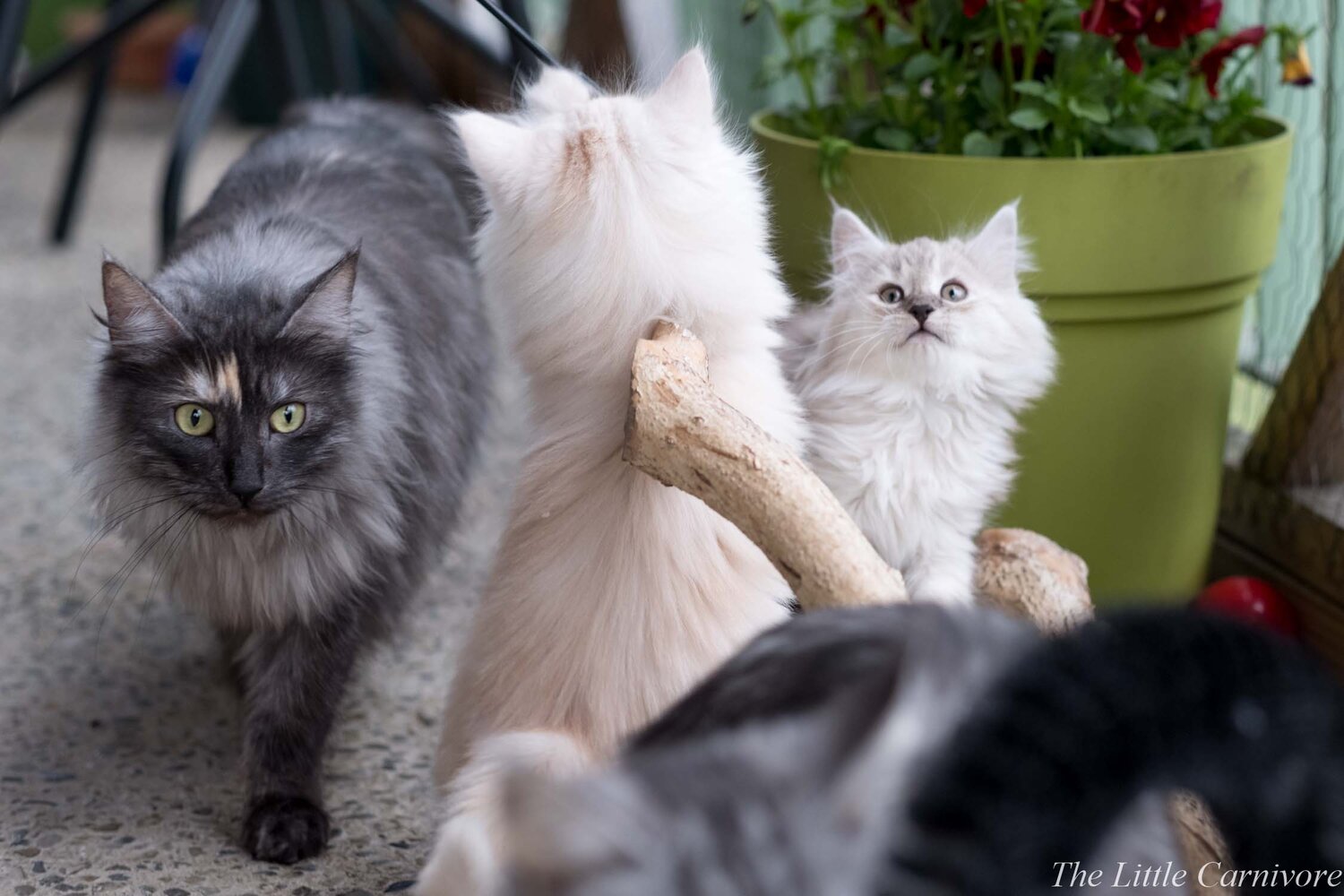
Credit: thelittlecarnivore.com
Ethical Issues In Cat Breeding
Cat breeding raises serious ethical concerns that affect both animals and breeders. Many practices prioritize profit over the cats’ well-being. This neglect leads to harm and suffering for the animals involved. Understanding these issues helps highlight why cat breeding can be harmful.
Exploitation Of Cats
Cats are often treated as commodities in breeding programs. They may be forced to produce many litters without enough rest. This causes physical and emotional stress. Breeders sometimes ignore the cats’ natural behaviors and needs. The focus is on appearance rather than health or happiness. Exploiting cats for financial gain harms their quality of life.
Health Risks For Breeders
Breeders face health challenges from constant handling of animals. They may catch diseases that cats carry. Stress from managing many cats also affects their mental health. Poor breeding conditions can lead to injuries or infections. Ethical concerns extend to the breeders’ well-being, not just the cats’.

Credit: www.reddit.com
Health Problems In Purebred Cats
Purebred cats often look stunning, but their beauty can come with hidden health costs. Many purebred cats suffer from various health issues because of the limited gene pool and selective breeding practices. Understanding these problems can help you make better decisions for your feline friends.
Genetic Disorders
Purebred cats are more prone to genetic disorders due to inbreeding. Breeders often select cats with specific traits, which narrows the gene pool and increases the chance of inherited diseases. Conditions like hypertrophic cardiomyopathy (a heart disease common in Maine Coons) and polycystic kidney disease (seen in Persians) are examples of this.
Have you ever wondered why some cats seem healthy but suddenly develop serious illnesses? These hidden genetic issues could be the cause.
Reduced Lifespan
Many purebred cats face shorter lifespans compared to mixed-breed cats. The accumulation of genetic defects can lead to earlier onset of diseases, reducing their overall life expectancy. For example, some Siamese cats may live fewer years due to respiratory or neurological problems linked to their breed.
When you choose a purebred cat, consider whether you’re prepared for the possibility of a shorter time together.
Chronic Illnesses
Chronic illnesses such as respiratory problems, joint disorders, and skin conditions are more common in purebred cats. These ongoing health issues often require lifelong management and can reduce your cat’s quality of life. Persian cats, for instance, frequently suffer from breathing difficulties because of their flat faces.
Managing chronic illnesses can be emotionally and financially draining. Are you ready to handle these challenges if they arise?
Impact On Animal Shelters
Cat breeding poses significant challenges to animal shelters. The increasing number of cats leads to overcrowding, straining resources. Shelters struggle to care for the growing population.
Overpopulation Crisis
Many cats are left without homes due to overbreeding. Shelters receive more animals than they can handle. This results in crowded conditions and limited resources. The overpopulation crisis worsens with each breeding cycle.
Increased Euthanasia Rates
Shelters face tough decisions with limited space and resources. They often resort to euthanasia to manage overcrowding. Many healthy cats are put down due to lack of space. This tragic consequence highlights the severity of overbreeding. Reducing breeding can help lower these rates significantly.
Behavioral Issues Linked To Breeding
Breeding cats may seem like a way to get specific traits or purebreds, but it often comes with hidden behavioral problems. These issues affect the cat’s quality of life and can create challenges for owners. Understanding how breeding impacts behavior helps you make better decisions for your feline friends.
Temperament Problems
Breeding often focuses on looks rather than personality. This can lead to cats with unpredictable or difficult temperaments.
Some bred cats show increased aggression or fearfulness. You might find a cat that suddenly lashes out or hides constantly.
These temperament problems make it harder to form a trusting bond with your pet. Have you ever wondered why a seemingly friendly cat becomes unfriendly after a few weeks?
Stress And Anxiety
Cats bred in confined or unnatural environments often experience high stress levels. This can cause anxiety that lasts a lifetime.
Signs include excessive grooming, hiding, or even refusal to eat. These behaviors make daily life stressful for both cat and owner.
Imagine bringing home a new kitten that is constantly tense and scared. How would you help it feel safe and loved?
Recognizing these issues means you can avoid supporting breeding practices that harm cats emotionally. Choosing adoption or responsible rescue might save you from these troubles.
Environmental Consequences
Cat breeding might seem like a harmless hobby, but it carries hidden environmental costs that rarely get discussed. These impacts stretch beyond the cats themselves, affecting resources and ecosystems you might not immediately connect to your neighborhood breeder. Understanding these environmental consequences can help you make choices that support a healthier planet.
Resource Consumption
Breeding cats requires significant resources such as food, water, and energy. Each kitten needs nourishment, which means more production of pet food—often made from meat that demands large amounts of water and land to produce. This chain reaction adds pressure on natural resources, contributing to deforestation and water shortages.
Think about the water used not only for the animals’ drinking needs but also for cleaning and maintaining breeding spaces. These activities can quickly add up, especially when multiplied by numerous breeders. How often do you consider the environmental cost of your pet’s food and care?
Waste And Pollution
Cat breeding generates waste like litter, fur, and medical supplies, which if not handled properly, can pollute the environment. Cat litter often contains clay or silica, materials that do not break down easily and end up in landfills. This waste can leach chemicals into the soil and water, harming local ecosystems.
Moreover, the cleaning products used in breeding facilities can introduce harmful chemicals into water systems if disposed of improperly. These pollutants affect wildlife and reduce water quality, impacting communities beyond the breeder’s property. Are you aware of where your pet’s waste ultimately goes?
Alternatives To Cat Breeding
Choosing alternatives to cat breeding not only helps reduce the number of homeless cats but also supports a more ethical and sustainable way to welcome pets into your life. There are meaningful options available that benefit both you and the cats in need.
Adoption Benefits
Adopting a cat saves a life. Shelters are often overcrowded, and by adopting, you provide a cat with a second chance at a happy home.
Adopted cats tend to be calmer and more appreciative because they’ve already faced challenges. They can make loyal and loving companions.
Think about the joy of giving a cat a safe place to live instead of contributing to the cycle of overbreeding. What kind of impact do you want your choice to have?
Supporting Rescue Organizations
Rescue groups do more than just find homes for cats—they also educate the public about responsible pet care and spaying or neutering.
By donating or volunteering, you help these organizations provide medical care and shelter to cats in desperate need.
Supporting rescues means you’re actively fighting against the problems caused by irresponsible breeding. How could your support change the life of a cat in need?

Credit: www.reddit.com
Frequently Asked Questions
Why Is Cat Breeding Considered Unethical?
Cat breeding often prioritizes profit over animal welfare. It can cause health problems in kittens and increase overpopulation issues. Many breeders neglect proper care, leading to suffering and abandonment. Ethical concerns also arise from exploiting animals for financial gain rather than focusing on their well-being.
How Does Cat Breeding Affect Animal Overpopulation?
Cat breeding increases the number of cats without homes. Many kittens from breeders end up in shelters or abandoned. Overpopulation strains animal shelters and resources, causing more euthanasia. Reducing breeding helps manage the stray cat population and promotes adoption from shelters.
What Health Risks Do Bred Cats Face?
Bred cats often inherit genetic disorders due to inbreeding. This can lead to chronic illnesses and shorter lifespans. Poor breeding practices may overlook health screenings, increasing disease risk. Responsible breeding requires careful health checks to avoid such problems.
Can Cat Breeding Harm Natural Cat Behavior?
Selective breeding can alter natural instincts and behavior in cats. It may lead to temperament issues or increased aggression. Changing physical traits might reduce cats’ ability to thrive naturally. Preserving natural behavior is important for their well-being and adaptability.
Conclusion
Cat breeding harms animal health and welfare. It causes genetic problems and reduces cats’ quality of life. Many cats suffer from inbreeding and poor care. It also increases the number of homeless cats. Choosing adoption helps save lives and supports better treatment.
We all can help by spreading awareness and acting kindly. Think twice before supporting cat breeding. Protect cats. Choose kindness.

Leave a Reply