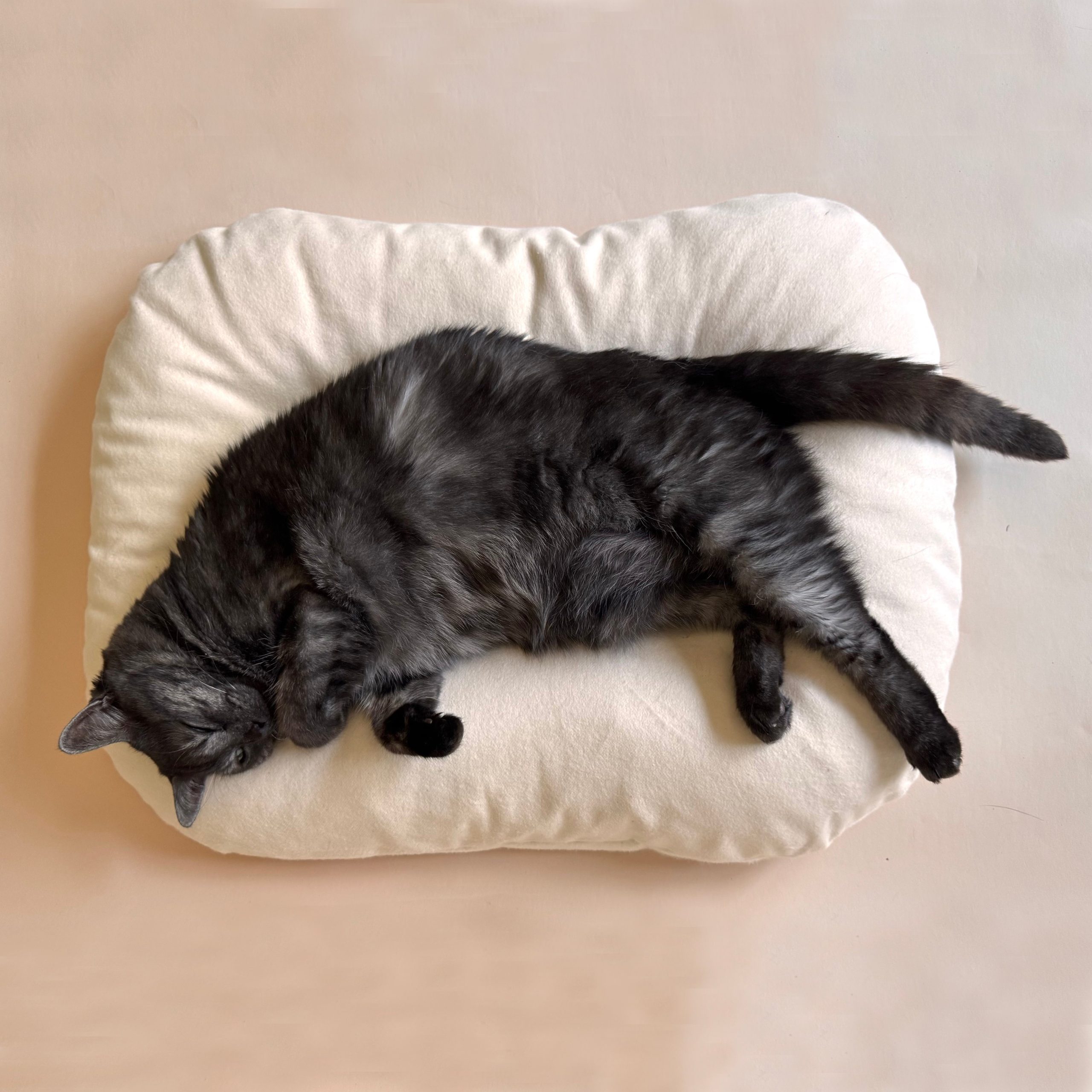
Have you ever caught your cat grooming while they seem to be fast asleep? It’s a strange sight that might leave you wondering, “Why does my cat groom in their sleep?” You’re not alone in being curious about this unusual behavior.
Understanding what’s behind this can help you connect better with your furry friend and even spot if something’s off with their health. Keep reading, and you’ll discover surprising reasons that explain this sleepy grooming habit—and what it means for your cat’s well-being.

Credit: www.reddit.com
Sleep Grooming Behavior
Cats often groom themselves while they sleep. This behavior shows their deep relaxation and comfort. Grooming helps cats clean their fur and relax their muscles. Even in sleep, their bodies keep up these habits. It is part of their natural routine.
Common Grooming Patterns
Sleep grooming usually involves slow licking or nibbling. Cats may move their paws over their face or head. Sometimes, they gently scratch an itch without waking. These actions are soft and calm. The movements repeat in a steady rhythm. They look like quiet, small cleaning sessions.
- Licking paws slowly
- Nibbling on fur
- Gentle scratching
- Cleaning around the face and ears
When Grooming Happens In Sleep
Grooming in sleep often occurs during light sleep stages. Cats enter a state called REM sleep, where dreams happen. During REM, their brains stay active. This causes small muscle movements like grooming. It also helps keep their fur tidy without waking them. Sleep grooming usually lasts a few seconds to a minute.
Credit: www.tippaws.com
Biological Causes
Understanding why your cat grooms in their sleep involves looking closely at biological causes. These behaviors are not random but rooted deeply in their body’s natural functions. Your cat’s brain and muscles play a key role in this intriguing habit.
Dreaming And Muscle Movements
Just like humans, cats experience dreams during the rapid eye movement (REM) stage of sleep. During this time, their brains are very active, which can trigger muscle movements that mimic waking behaviors.
You might see your cat’s paws twitching or their tongue moving as if they are grooming themselves. These movements are often small and subtle but can sometimes appear quite vivid. This shows that their dream world can influence physical actions, making grooming in sleep a natural extension of what they do when awake.
Nervous System Activity
Your cat’s nervous system doesn’t completely shut down during sleep. Instead, it remains partially active to regulate certain reflexes and automatic behaviors. Grooming can be one of those reflexive actions controlled by the nervous system even when your cat is not conscious.
This explains why you might catch your cat licking their fur or scratching lightly while asleep. Their nervous system is still sending signals that prompt these behaviors, keeping their grooming routine going without deliberate effort. Have you noticed if your cat’s sleep grooming changes with stress or health issues? This could reveal more about how their nervous system influences these actions.
Emotional Factors
Cats often groom in their sleep due to emotional factors. These factors play a significant role in their grooming habits. Understanding these can help you better care for your feline friend.
Stress And Anxiety Effects
Cats may groom in their sleep to manage stress. Grooming helps them relax and calm down. It acts as a self-soothing technique. Stress from changes at home can trigger this behavior. Grooming releases endorphins, which reduce anxiety. If your cat grooms while sleeping, it might feel stressed.
Comfort And Security Signals
Grooming during sleep can signal comfort. It shows your cat feels safe and secure. Cats associate grooming with being cared for. This habit can indicate they trust their environment. A happy cat will often groom itself even while asleep. It’s a sign of contentment in their surroundings.
Health-related Reasons
Cats grooming in their sleep can sometimes point to health issues. Understanding these reasons helps you care better for your pet. Sleep grooming might be more than just a habit. It can signal discomfort or medical conditions affecting your cat’s well-being.
Skin Irritations And Allergies
Skin problems often cause cats to groom while asleep. Itchiness from irritations can wake a cat’s grooming reflex. Allergies to food, dust, or fleas may trigger this behavior. Constant scratching and licking can disturb their rest. Watch for redness, bumps, or hair loss. These signs suggest your cat might be uncomfortable.
Neurological Conditions
Neurological issues can cause unusual grooming during sleep. Nerve problems may confuse their brain signals. Cats might groom without control or awareness. Conditions like seizures or nerve damage can create this effect. If grooming seems repetitive or intense, consult a vet. Early diagnosis helps manage these health concerns effectively.
Behavioral Insights
Understanding why your cat grooms in their sleep offers fascinating insights into their natural behavior and emotional needs. Grooming is more than just keeping clean; it’s deeply tied to how cats feel and react to their environment. Observing these behaviors can help you better understand your feline friend’s inner world.
Instinctual Grooming Habits
Cats are born with grooming instincts that serve many purposes beyond cleanliness. Even in sleep, these instincts can trigger subtle movements as your cat continues to “care” for their fur. This might seem odd, but it’s a natural carryover from their wild ancestors who needed to stay clean to avoid predators and parasites.
Have you noticed your cat twitching or lightly pawing at their fur during naps? These micro-movements are part of their instinctual grooming routine playing out unconsciously. It’s their body’s way of maintaining normal grooming patterns, even when resting deeply.
Self-soothing Techniques
Grooming also acts as a powerful self-soothing tool for cats. If your cat begins to groom in their sleep, it might be a sign they are calming themselves or processing stress. Grooming releases endorphins, which help them relax and feel safe.
Think about times your cat was anxious—did they groom more than usual? This habit can carry over into sleep when their mind is still sorting through emotions. Recognizing this can help you identify when your cat needs extra comfort or a quiet environment.
When To Seek Veterinary Advice
Knowing when to seek veterinary advice is important for your cat’s health. Grooming in sleep can be normal, but sometimes it signals a problem. Watching your cat closely helps you understand what is usual and what needs attention.
Signs Of Over-grooming
- Hair loss or bald patches
- Red, irritated, or raw skin
- Scabs or wounds on the body
- Constant licking or biting at the same spot
- Changes in behavior like restlessness or anxiety
These signs may mean your cat is stressed or has allergies. Parasites, infections, or pain can also cause over-grooming.
Distinguishing Normal Vs. Concerning Behavior
Normal grooming is gentle and brief. Cats clean themselves to stay healthy and comfortable. If grooming happens only during sleep but looks soft and calm, it is usually fine.
Concerning grooming involves intense or repeated actions. It may wake your cat or lead to skin damage. Notice if grooming disrupts sleep or daily activities.
Tips To Support Your Cat
Supporting your cat during their grooming, even in sleep, helps keep them healthy. Small changes in your home and routine can make a big difference. Comfort and care promote calm and reduce stress in your pet.
Creating A Relaxing Environment
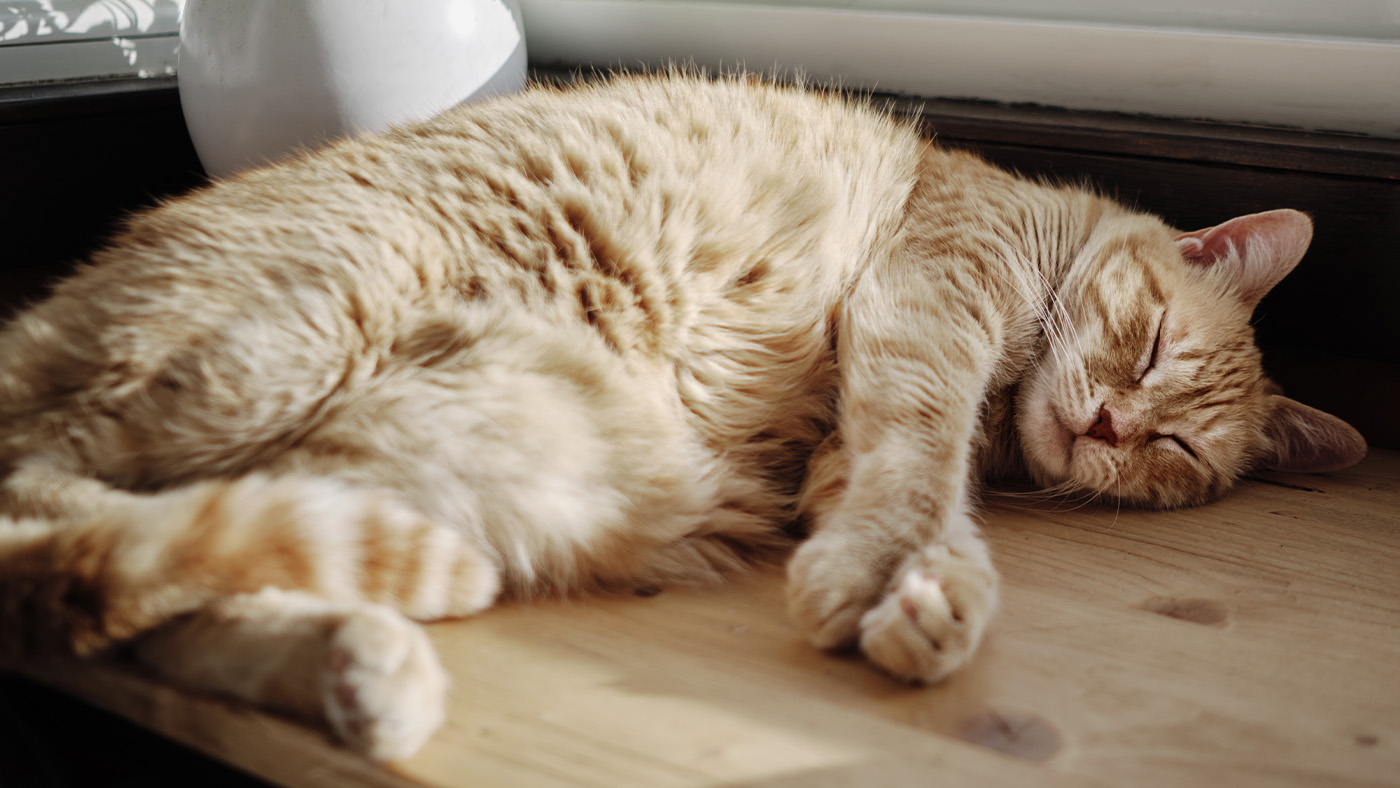
Make your cat’s space quiet and cozy. Soft bedding and a warm spot invite restful sleep. Keep noise low and avoid sudden movements nearby. Gentle lighting helps your cat feel safe and calm. A peaceful area encourages natural grooming habits without worry.
Regular Grooming Routines
Brush your cat often to reduce loose fur and dirt. Regular grooming prevents skin problems and matting. Use a soft brush that your cat enjoys. Grooming sessions build trust and comfort. This routine helps your cat feel clean and relaxed, even while resting.
Credit: www.petsradar.com
Frequently Asked Questions
Why Does My Cat Groom While Sleeping?
Cats groom in their sleep due to muscle twitches during dreaming. This behavior mimics waking grooming but is a reflex, not conscious action. It helps maintain instincts and comfort, showing their brain remains active even during rest.
Is Grooming In Sleep Normal For Cats?
Yes, grooming in sleep is normal and common in cats. It indicates healthy brain activity and natural instincts. If your cat occasionally grooms while sleeping, it’s usually harmless and part of their normal behavior.
Can Grooming During Sleep Indicate Health Issues?
Generally, grooming in sleep does not indicate health problems. However, excessive or distressed grooming when awake may signal skin or anxiety issues. Observe your cat’s overall behavior for any unusual signs.
Do All Cats Groom While Asleep?
Not all cats groom during sleep, but many do. This behavior varies by individual and depends on their dreaming phases. It’s a natural reflex tied to their instinctive grooming habits.
Conclusion
Cats grooming in their sleep shows how natural and calm they feel. It helps them stay clean and relaxed even while resting. This behavior is normal and means your cat trusts its space. Watching your cat do this can be quite soothing.
Remember, your pet’s comfort and happiness come first. Keep their environment safe and peaceful. This way, your cat can enjoy grooming and sleeping without worries. Small actions like this reveal a lot about your cat’s well-being. Stay attentive and enjoy these quiet moments together.

Leave a Reply