Have you ever wondered what really happens when big cats are bred in captivity? It might seem harmless or even helpful at first.
But the truth is, breeding big cats comes with serious problems you might not expect. If you care about these magnificent animals and want to understand how your actions can impact their future, keep reading. This article will reveal the hidden dangers and ethical concerns behind breeding big cats—and why it’s something you should think twice about.
Credit: www.lionstigersandbears.org
Ethical Issues In Big Cat Breeding
Big cat breeding raises serious ethical questions that go beyond just the animals’ physical health. It challenges our responsibility toward these majestic creatures and the way we view wildlife. Understanding these ethical issues helps you see why breeding big cats often does more harm than good.
Exploitation For Profit
Many big cats are bred primarily to make money. These animals often end up in roadside zoos or private collections where their welfare is not the priority. When profit drives breeding, big cats become commodities rather than living beings with needs.
Have you ever wondered what happens to cubs once they outgrow their “cute” phase? Many are discarded or sold to less caring owners. This cycle of exploitation strips big cats of their dignity and turns their lives into a business transaction.
Animal Welfare Concerns
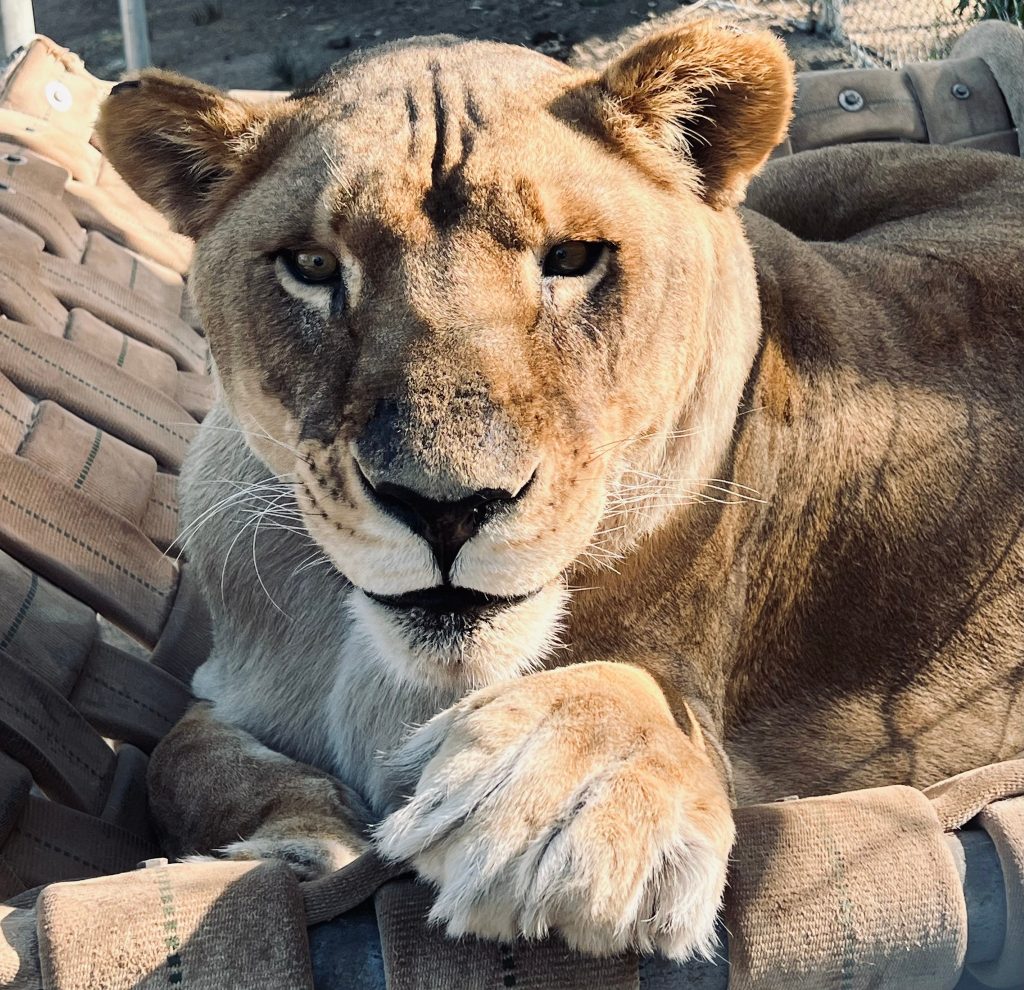
Breeding big cats can cause serious welfare problems. These animals often live in cramped, unnatural conditions that don’t meet their physical or psychological needs. Lack of proper space, diet, and medical care can lead to suffering and early death.
Think about a tiger stuck in a small cage for years, unable to roam or hunt. This isn’t just uncomfortable; it’s cruel. You have to ask yourself if you would accept this kind of treatment for any animal.
Impact On Natural Behavior
When bred in captivity, big cats lose many of their natural instincts. Hunting, socializing, and exploring are behaviors critical to their survival in the wild. Captive breeding often suppresses these instincts, leaving animals confused and stressed.
This behavioral impact has a ripple effect. Animals that don’t behave naturally can’t be released back into the wild. Do you think it’s fair to create creatures that are trapped between two worlds, unable to thrive in either?
Credit: bigcatrescue.org
Environmental Consequences
Breeding big cats may seem like a way to support conservation, but its environmental consequences are far-reaching and often harmful. The practice affects wild populations, disrupts natural habitats, and poses serious genetic risks. Understanding these impacts helps you see why breeding big cats in captivity isn’t the answer for preserving these majestic animals.
Threat To Wild Populations
Breeding big cats in captivity can reduce the urgency to protect wild populations. When captive-bred animals flood the market, it can encourage illegal poaching because wild cats become less valuable on paper. This undermines conservation efforts aimed at protecting natural populations.
Have you ever wondered how releasing captive-bred cats into the wild affects their survival? They often lack the skills to hunt or avoid predators, which can lead to higher mortality rates. This creates a false sense of security about population numbers.
Habitat Disruption
Building facilities for big cat breeding requires clearing land, which destroys vital habitats. The loss of trees and natural cover affects not just big cats but other wildlife that depend on the same environment. This disruption can cause imbalances in local ecosystems.
Even if you live near a breeding center, you may notice changes in local wildlife patterns. Noise, pollution, and human activity from these centers disturb the natural behavior of animals in the area. This effect spreads beyond the immediate space of the breeding facility.
Genetic Pollution Risks
Breeding big cats in captivity often involves mixing different subspecies to maintain numbers. This can lead to genetic pollution if these animals escape or are released into the wild. The unique genetic traits of wild populations may be diluted or lost.
Genetic pollution weakens the resilience of big cat populations, making them less adaptable to changes in their environment. If you care about preserving the true nature of these species, preventing genetic mixing is crucial. It protects biodiversity and ensures healthier populations in the long run.
Health Problems In Captive Big Cats
Health problems in captive big cats are a serious issue that often goes unnoticed. These majestic animals suffer more than you might think when bred and kept in captivity. Understanding these health challenges is crucial if you care about their wellbeing and survival.
Inbreeding And Genetic Disorders
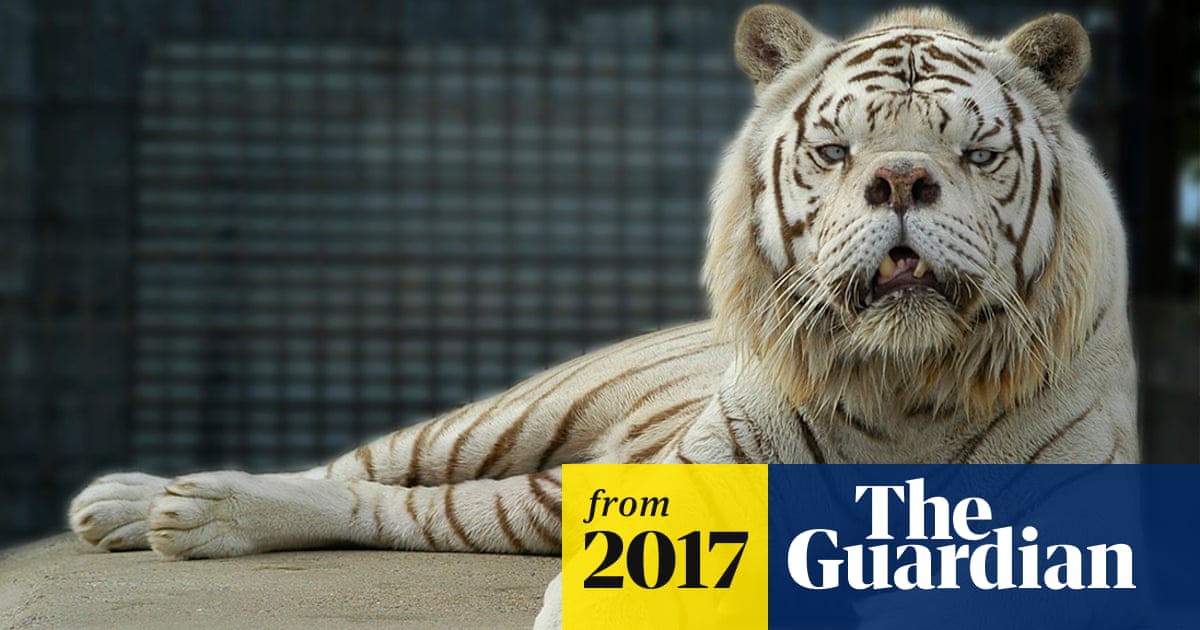
Inbreeding happens when closely related big cats are bred repeatedly. This leads to genetic disorders that weaken their immune systems and cause birth defects.
Many captive lions and tigers suffer from deformities, heart problems, and shorter lifespans because of inbreeding. You might be surprised to learn that some animals struggle to reproduce or have stillborn cubs due to genetic issues.
Poor Living Conditions
Captive big cats often live in spaces much smaller than their natural habitats. Limited room restricts their movement, which can cause obesity and joint problems.
Enclosures lacking environmental enrichment leave cats bored and inactive, leading to muscle deterioration and poor overall health. Have you ever thought about how a cage can affect an animal’s physical condition?
Stress And Behavioral Issues
Stress is a hidden health threat for captive big cats. Constant noise, lack of privacy, and unnatural social groups cause anxiety and depression.
These stresses lead to behavioral problems like pacing, self-harm, and aggression. Your presence might feel harmless, but to a big cat in captivity, it can be overwhelming and harmful.
Legal And Regulatory Challenges
Breeding big cats often breaks strict laws designed to protect wildlife. Many countries ban or limit this practice due to safety and ethical concerns. Legal risks and heavy fines can result from ignoring these rules.
Breeding big cats poses significant legal and regulatory challenges that complicate efforts to protect these majestic creatures. The existing framework is often riddled with loopholes and inconsistencies, making it difficult to manage and regulate breeding practices effectively. Understanding these challenges can help highlight the need for stronger laws and better enforcement.Lack Of Strict Laws
Many countries lack comprehensive laws specifically regulating the breeding of big cats. This absence of stringent legislation allows breeders to exploit gaps, leading to unchecked breeding practices. Without clear legal guidelines, the welfare of these animals is often compromised, leaving them vulnerable to mistreatment.Illegal Trade Connections
The illegal wildlife trade is a pervasive issue that thrives on the weak regulatory environment surrounding big cat breeding. Breeding facilities sometimes serve as fronts for illegal trade, funneling animals into black markets. This connection exacerbates the decline of wild populations and undermines conservation efforts.Enforcement Difficulties
Even where laws exist, enforcing them poses significant challenges. Limited resources and lack of trained personnel hinder effective oversight of breeding facilities. As a result, violations often go unnoticed, perpetuating the cycle of abuse and neglect. Have you ever wondered how your actions can make a difference? By advocating for stronger regulations and supporting organizations that fight against illegal trade, you can contribute to the protection of big cats.Alternatives To Breeding
Choosing alternatives to breeding big cats is essential for protecting these majestic animals without causing harm. Instead of focusing on breeding programs that often lead to ethical and ecological problems, there are more effective ways to support their survival. These alternatives benefit the cats directly and encourage responsible human interaction with wildlife.
Conservation Through Sanctuaries
Sanctuaries offer a safe haven for big cats rescued from abusive breeding operations or the illegal pet trade. They provide natural environments where cats can live without being forced to reproduce for profit. Visiting or supporting these sanctuaries helps you contribute to real conservation efforts rather than perpetuating the cycle of breeding.
Have you ever seen a big cat in a sanctuary? The difference in their behavior and well-being compared to those in captive breeding facilities is striking. Sanctuaries prioritize the animals’ health and dignity, which is something you can support with your time or donations.
Supporting Wild Habitat Protection
Protecting the natural habitats of big cats is one of the most impactful ways to ensure their survival. When you support organizations focused on preserving forests, grasslands, and other ecosystems, you help maintain the space these cats need to thrive.
Think about the last time you enjoyed a walk in a wild area. Now imagine that space disappearing. Your support for habitat protection can prevent this loss for big cats. It’s a direct way to keep their homes safe and reduce human-wildlife conflicts.
Promoting Ethical Wildlife Tourism
Ethical wildlife tourism allows you to experience big cats in their natural environments without causing them stress or harm. Unlike breeding facilities that exploit these animals for entertainment, ethical tours focus on observation and education.
Next time you plan a trip, consider tours that follow strict guidelines to protect wildlife. This choice helps fund conservation projects and creates economic incentives to keep big cats wild and free. Would you rather see a lion pacing in a cage or roaming in the wild?
Credit: www.lionstigersandbears.org
Frequently Asked Questions
Why Is Breeding Big Cats Harmful To Wildlife?
Breeding big cats disrupts natural populations and genetic diversity. It can lead to inbreeding and weaken survival skills. This practice also encourages illegal trade and endangers wild habitats, threatening overall biodiversity and ecosystem balance.
How Does Breeding Big Cats Affect Their Health?
Breeding big cats often causes genetic defects and diseases. Inbreeding increases risks of health problems and weakens immune systems. These animals may suffer from physical and psychological issues, reducing their quality of life and lifespan.
Does Breeding Big Cats Increase Conservation Efforts?
Breeding big cats in captivity rarely helps conservation. It often prioritizes profit over species survival. Captive-bred animals usually can’t survive in the wild or support wild population recovery effectively.
What Ethical Issues Arise From Breeding Big Cats?
Breeding big cats raises concerns about animal welfare and exploitation. Many are kept in poor conditions or used for entertainment. This practice often ignores the animals’ natural behaviors and needs, causing suffering.
Conclusion
Breeding big cats harms their health and well-being. It often causes stress and sickness in these animals. Many bred cats suffer from poor living conditions. This practice also risks wild populations by encouraging illegal trade. Protecting big cats means stopping harmful breeding.
People should focus on saving them in the wild. Respecting these creatures helps keep nature balanced. Everyone can help by spreading awareness and supporting conservation. Big cats deserve to live free and safe. Breeding them for profit only causes pain and loss.



Leave a Reply