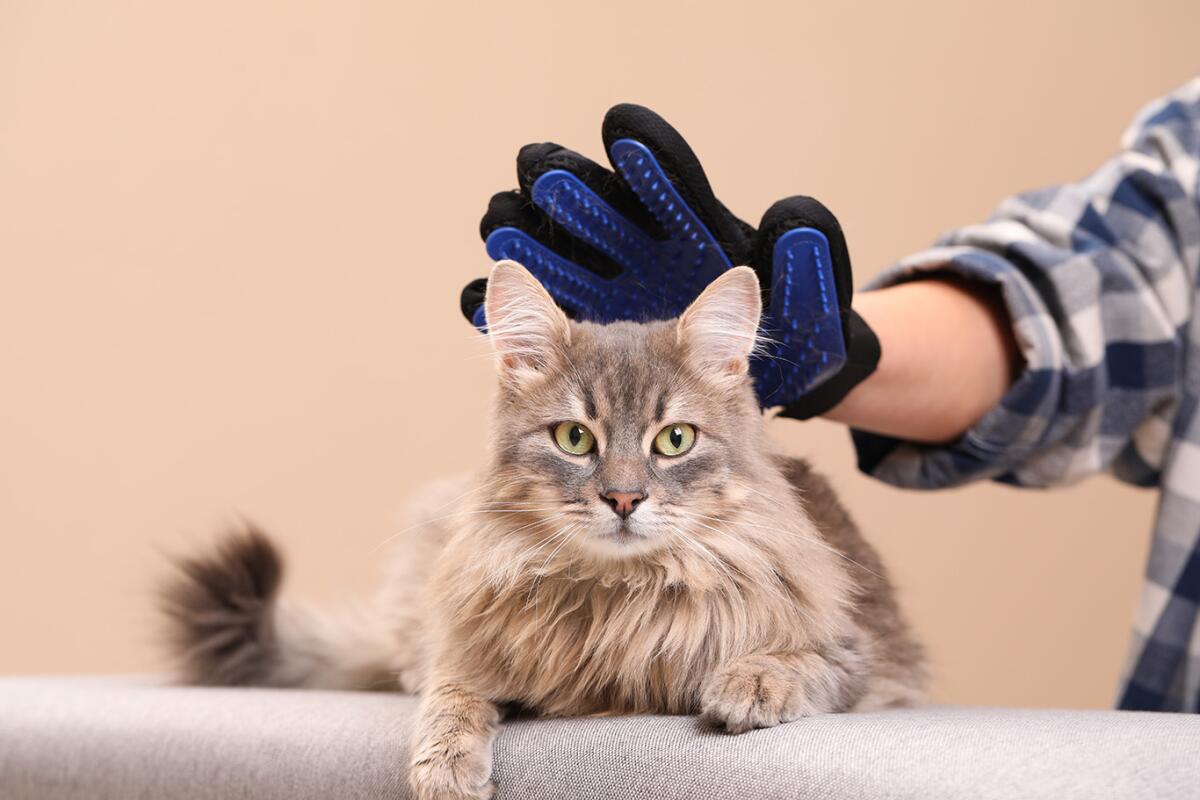
Have you ever wondered why grooming your cat is more important than just keeping them clean? Grooming isn’t just about looks—it affects your cat’s health, happiness, and even your bond with them.
If you want your feline friend to feel comfortable and stay healthy, understanding the reasons behind regular grooming can make all the difference. Keep reading to discover how a simple grooming routine can transform your cat’s life—and yours too.
Benefits Of Cat Grooming
Grooming a cat has many benefits beyond keeping them clean. It supports their health and well-being. Regular grooming helps maintain a shiny and healthy coat. It also reduces hairballs and detects problems early. Grooming time strengthens the bond between you and your cat. This creates a happier and healthier pet.
Improved Coat Health
Brushing removes dirt and loose fur from your cat’s coat. It spreads natural oils evenly, keeping fur soft and shiny. Grooming prevents mats and tangles that can cause pain. A well-groomed coat protects your cat from skin infections and irritation.
Reduced Hairballs
Cats swallow fur while cleaning themselves. This can cause hairballs that are uncomfortable and unhealthy. Regular grooming removes loose hair before your cat swallows it. Fewer hairballs mean less vomiting and digestive issues. This keeps your cat more comfortable every day.
Early Problem Detection
Grooming lets you check your cat’s skin and body closely. You can spot lumps, bumps, or wounds early. It helps find parasites like fleas or ticks fast. Early detection means quick treatment and less pain. Grooming acts as a simple health check for your cat.
Strengthened Bond
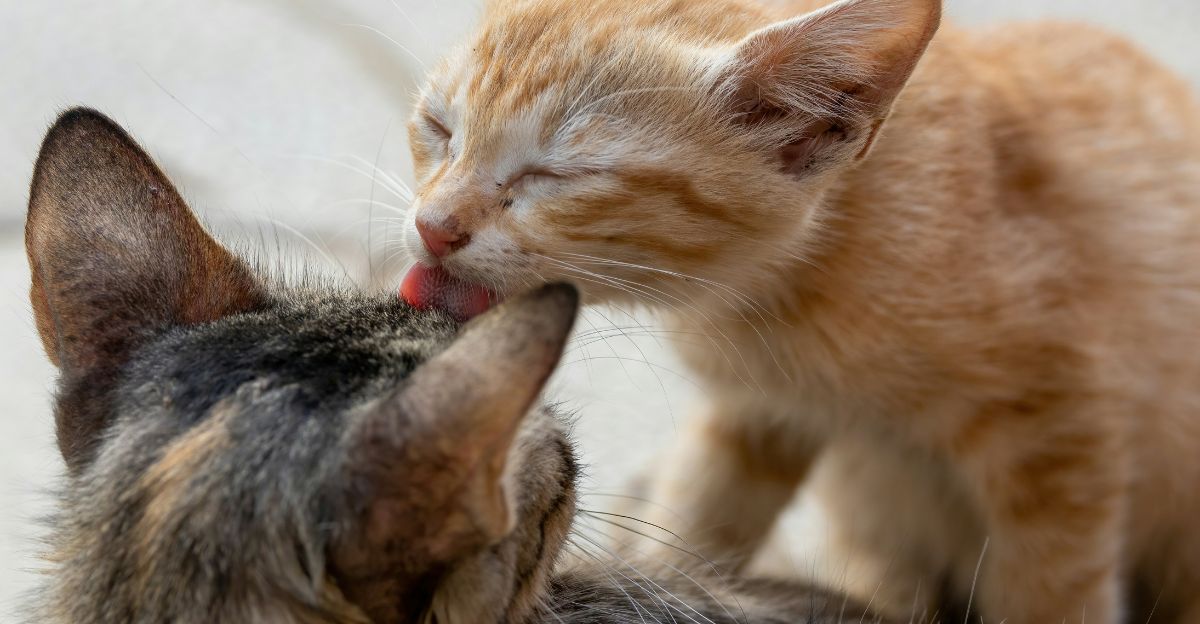
Grooming creates quiet, calm moments with your cat. It builds trust and comfort between you. Cats enjoy gentle touch, which reduces stress and anxiety. This time together deepens your connection and makes your cat happier. Grooming is not just care, but love in action.
Essential Grooming Tools
Grooming your cat is easier with the right tools. These tools help keep your cat clean and healthy. They also make grooming a calm and pleasant experience. Using proper supplies protects your cat’s skin and coat. It also helps avoid discomfort during grooming sessions.
Choosing The Right Brush
Select a brush that fits your cat’s fur type. Short-haired cats need soft bristle brushes. Long-haired cats benefit from slicker brushes or combs. A good brush removes loose fur and prevents mats. Brushing also spreads natural oils across the coat. This keeps fur shiny and healthy.
Nail Clippers And Trimmers
Use nail clippers designed for cats. These have a small, curved blade to fit tiny nails. Trimming nails prevents scratches and broken nails. Regular clipping keeps nails at a safe length. Avoid cutting too close to the quick to prevent pain.
Ear And Eye Care Supplies
Keep gentle wipes or cotton balls for cleaning ears and eyes. Use vet-approved solutions to avoid irritation. Cleaning ears removes dirt and wax build-up. Wiping eyes helps clear away tears and debris. Check for signs of infection while cleaning.
Shampoo And Wipes
Choose shampoos made specifically for cats. These are gentle and safe for their skin. Avoid human shampoos as they can cause dryness or allergies. Use cat wipes for quick cleaning between baths. They help remove dirt and control odor. Wipes are also useful for sensitive or older cats.
Brushing Techniques
Brushing a cat helps remove loose fur and prevents hairballs. It keeps the coat clean and reduces shedding around the house. Regular grooming also strengthens the bond between you and your pet.
Brushing your cat is more than just a grooming routine. It strengthens your bond and keeps your feline healthy. Understanding brushing techniques ensures a pleasant experience for both.Frequency For Different Coats
Cats have diverse coat types. Short-haired cats need weekly brushing. Long-haired cats require daily attention. Regular brushing reduces shedding and prevents hairballs. Tailor the frequency to your cat’s coat.Handling Sensitive Areas
Cats have sensitive spots. Approach these areas gently. Use a soft brush around the belly and tail. Speak soothingly to calm your cat. Be patient, especially if they seem uneasy.Dealing With Mats And Tangles
Mats and tangles can be troublesome. Start by using your fingers to loosen them. Then, use a comb to gently work through the knots. Never pull hard; it hurts the cat. For tough mats, seek professional help. Regular brushing prevents tangles from forming.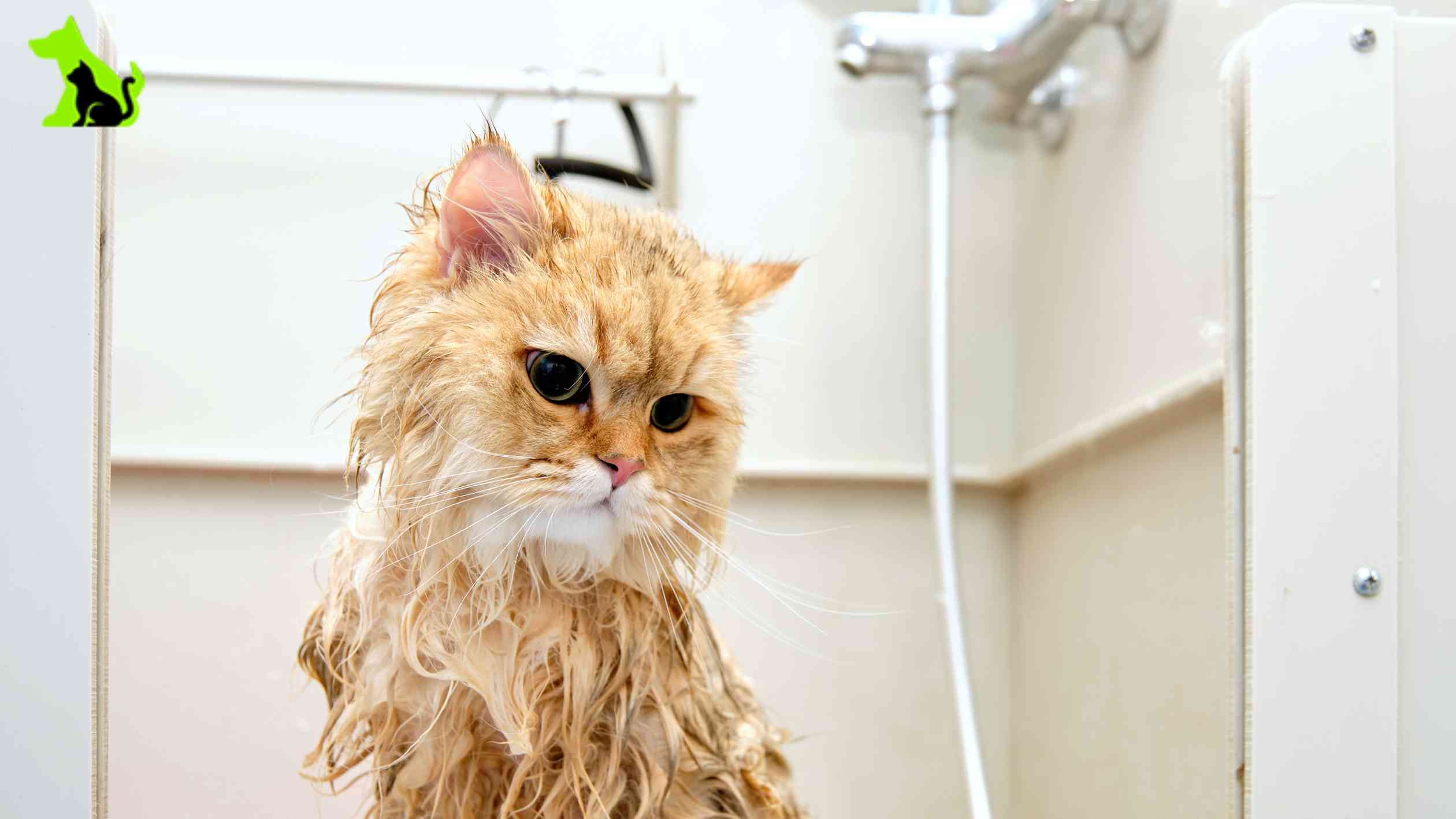
Credit: hellopetsinc.com
Nail Care Tips
Nail care is an important part of grooming your cat. Proper nail trimming keeps your cat comfortable and safe. It prevents damage to furniture and skin scratches. Learning the right techniques helps avoid stress for both you and your cat.
When To Trim
Trim your cat’s nails every 1 to 2 weeks. Check the nails regularly for sharpness or length. Long nails can curl and cause pain or infections. If your cat scratches the floor or furniture, it may be time to trim.
Safe Trimming Methods
Use nail clippers made for cats or small animals. Hold your cat gently but firmly. Press the paw pad to extend the nail. Cut only the clear, white tip of the nail. Avoid cutting the pink part, called the quick, which has nerves and blood vessels.
Trim slowly and carefully. If your cat resists, pause and try again later. Reward your cat with treats or praise to create a positive experience.
Avoiding Common Mistakes
- Do not cut nails too short. It causes pain and bleeding.
- Avoid trimming when your cat is scared or aggressive.
- Never pull or tear the nail; always use clippers.
- Do not trim all nails at once if your cat gets stressed.
- Keep a styptic powder or pencil handy to stop bleeding if needed.
Bathing Your Cat
Bathing your cat might seem like a challenge, but it’s an important part of keeping them clean and healthy. Unlike dogs, cats generally groom themselves, so baths are only needed occasionally. Knowing when and how to bathe your cat can make the experience less stressful for both of you.
Signs Your Cat Needs A Bath
Not every cat needs a bath regularly, but certain signs can tell you it’s time. If your cat’s fur is greasy or matted, a bath can help remove dirt and oils.
Fleas or skin irritations might also mean a medicated bath is necessary. Sometimes, older or overweight cats struggle to groom themselves properly and benefit from occasional baths.
Have you noticed a strong odor coming from your cat? That’s another clear signal your feline friend could use a bath.
Step-by-step Bathing Guide
Start by preparing everything you need: a cat-safe shampoo, a towel, and a non-slip mat for the sink or tub. Fill the sink with warm water, just a few inches deep, so your cat feels secure.
- Gently place your cat in the water and use a cup to wet their fur slowly, avoiding the head.
- Apply the shampoo and massage it in carefully, focusing on dirty areas.
- Rinse thoroughly with warm water to remove all shampoo.
Keep calm and speak softly to your cat during the bath. Your calmness helps them stay relaxed, making the process easier.
Drying And Aftercare
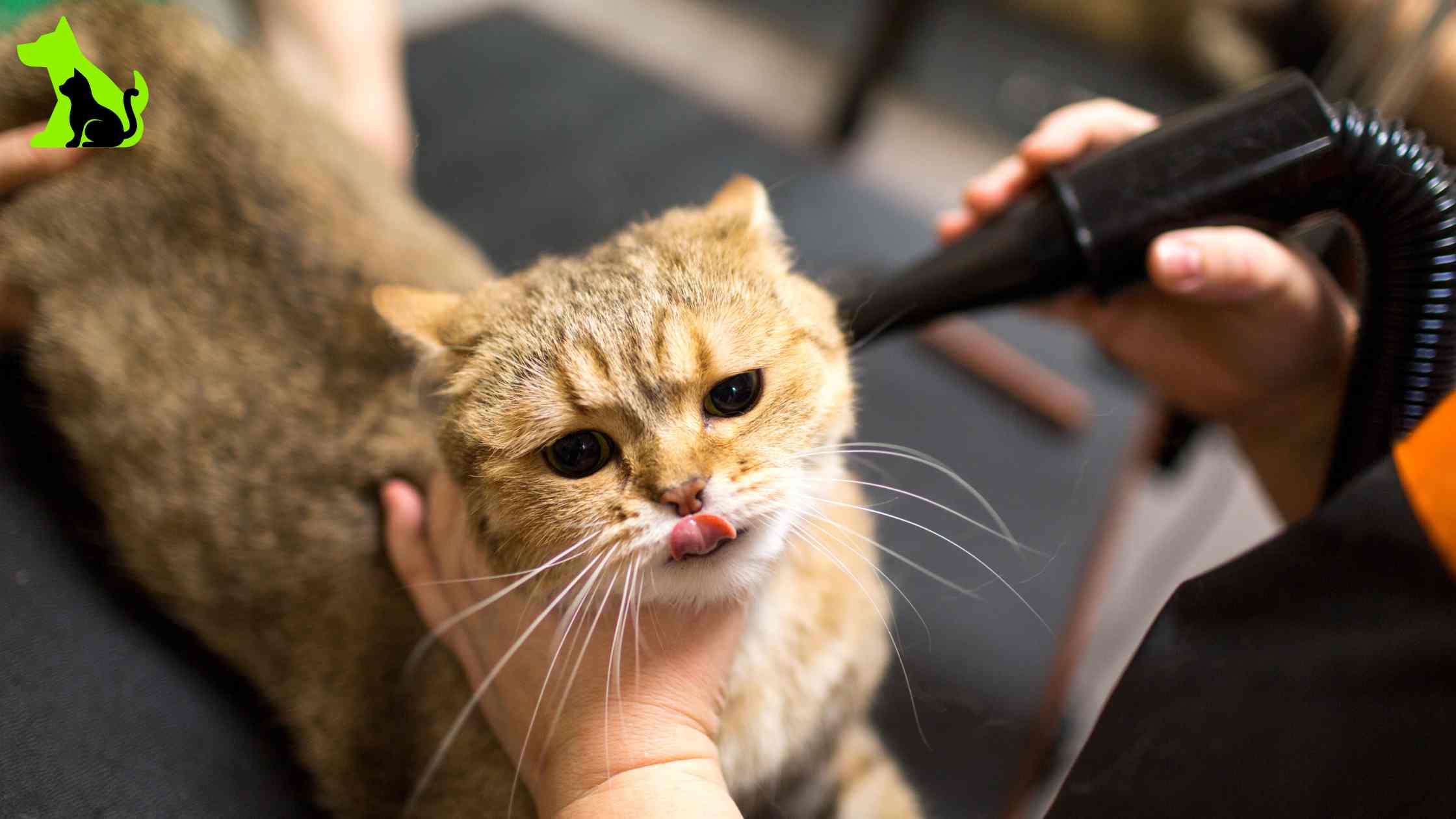
After the bath, wrap your cat in a soft towel and gently pat them dry. Avoid vigorous rubbing, which can tangle their fur or irritate their skin.
If your cat tolerates it, use a hairdryer on a low, cool setting, keeping it at a safe distance. Make sure the room is warm and free of drafts to prevent your cat from getting cold.
Check your cat’s ears and eyes to ensure no water or shampoo remains. Reward your cat with treats or playtime to associate bath time with positive experiences. How do you help your cat feel comfortable after a bath?
Credit: hellopetsinc.com
Managing Shedding And Hairballs
Managing shedding and hairballs is essential for keeping your cat healthy and your home clean. Shedding happens naturally as cats lose old fur. Hairballs form when cats swallow loose hair during grooming. These can cause discomfort or digestive issues if not controlled.
Regular care helps reduce loose hair and limits hairball formation. Small changes in diet, hydration, and grooming habits make a big difference. Special products also support a smoother coat and easier hairball management.
Diet And Hydration Impact
A balanced diet keeps your cat’s coat shiny and healthy. Foods rich in omega-3 and omega-6 fatty acids reduce shedding. Proper hydration helps skin stay moist and fur strong. Dry skin leads to more hair fall. Always provide fresh water daily.
Regular Grooming Routines
Brushing removes loose fur before your cat swallows it. It lowers the amount of hair that forms hairballs. Grooming also spreads natural oils, keeping fur soft. Set a daily or weekly schedule based on your cat’s fur type. Short-haired cats need less brushing than long-haired ones.
Special Products To Consider
Use brushes designed for your cat’s fur texture. Slicker brushes and grooming gloves work well. Hairball control treats or supplements can ease digestion. Some shampoos reduce shedding and improve coat health. Choose products safe for cats and follow instructions carefully.
Grooming Tips For Different Ages
Grooming cats varies with their age. Their skin, coat, and behavior change over time. Adjusting grooming habits helps keep cats healthy and comfortable. This guide breaks down grooming tips for kittens, adults, and senior cats.
Kittens And Young Cats
Kittens have soft, delicate fur. Use a gentle brush to avoid hurting their skin. Start grooming sessions short to build trust. Use a soft cloth to wipe their face and ears. Teach them to enjoy grooming early. Check for fleas and dirt regularly. Reward them with treats to create positive feelings.
Adult Cats
Adult cats need regular brushing to reduce shedding and hairballs. Use brushes suited for their fur type—slicker brushes for long hair, rubber brushes for short hair. Grooming strengthens your bond and keeps their coat shiny. Trim nails carefully to avoid injury. Clean ears with a damp cloth if dirty. Watch for skin changes or lumps during grooming.
Senior Cats
Senior cats may groom less due to arthritis or illness. Help by grooming more often to prevent matting. Use gentle strokes and soft brushes to avoid discomfort. Check skin for dryness or irritation. Keep grooming sessions calm and slow. Senior cats benefit from extra attention to their coat and nails. Regular grooming supports their health and comfort.

Credit: www.latimes.com
Dealing With Grooming Challenges
Grooming a cat is not always easy. Many cats feel nervous or scared during grooming. Some may even act out with biting or scratching. Understanding these challenges helps keep grooming safe and calm. Patience and care are key to handling difficult moments.
Calming Anxious Cats
Start by creating a quiet, comfortable space. Use a soft voice and gentle touches. Let the cat sniff the brush before use. Short grooming sessions work better than long ones. Take breaks if the cat seems stressed. Reward with treats or praise to build trust.
Handling Aggressive Behavior
Recognize signs like growling or swatting early. Stop grooming if the cat becomes too upset. Wrap the cat in a towel for safety if needed. Use slow and calm movements to avoid sudden scares. Avoid forcing the cat to stay if it resists strongly. Always protect yourself from scratches and bites.
When To Seek Professional Help
Consult a groomer or vet if grooming is too hard at home. Professionals have tools and experience for tough situations. Seek help if your cat has matted fur or skin problems. Regular visits can prevent future grooming stress. Don’t wait too long to get expert advice.
Frequently Asked Questions
Why Is Grooming Important For Cats?
Grooming keeps cats clean and healthy by removing dirt and loose fur. It prevents matting and reduces hairballs. Regular grooming also helps spot skin issues early and strengthens the bond between you and your cat.
How Often Should I Groom My Cat?
Most cats benefit from grooming once or twice a week. Long-haired cats may need daily grooming to prevent tangles. Regular grooming depends on your cat’s coat type and shedding patterns.
Can Grooming Reduce Cat Hair Around The House?
Yes, grooming removes loose fur before it sheds around your home. Brushing your cat regularly controls shedding and keeps your furniture cleaner. It also reduces the risk of hairballs.
Does Grooming Help With Cat Health Issues?
Yes, grooming can detect skin problems, parasites, or infections early. It also improves circulation and reduces stress for your cat. Regular grooming supports overall feline health and comfort.
Conclusion
Grooming a cat keeps them clean and healthy. It helps reduce hairballs and matting. Regular brushing also strengthens your bond with your pet. Cats feel more comfortable and less stressed when groomed often. It can also help spot health problems early.
Taking time to groom shows you care. Simple grooming routines make a big difference. Your cat will thank you with purrs and love.

Leave a Reply