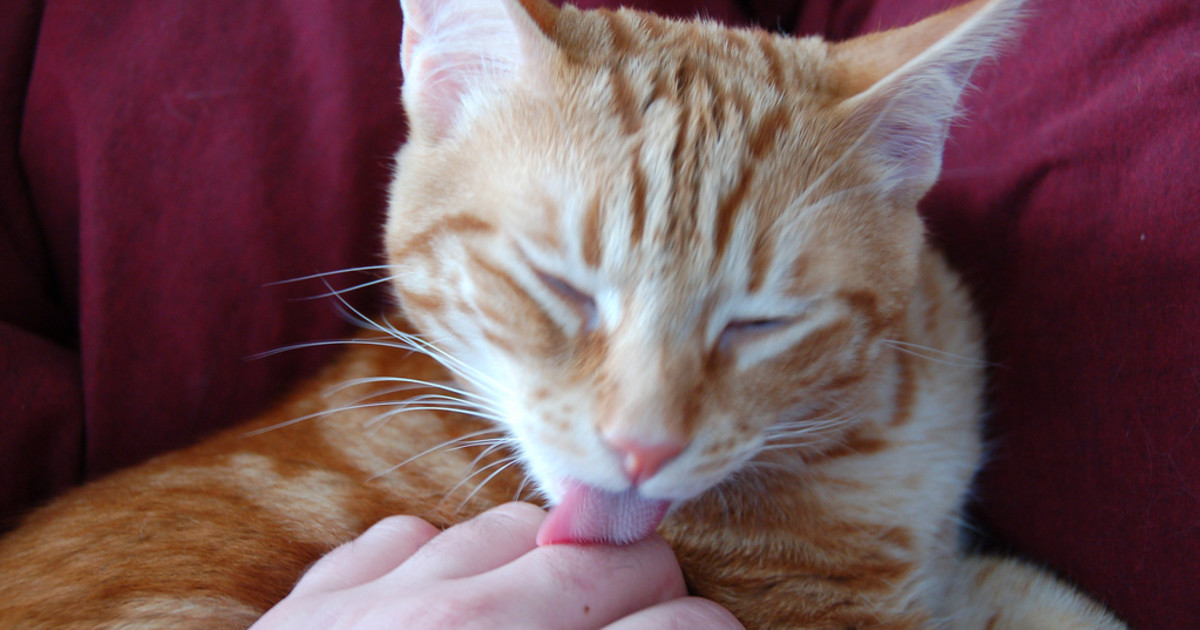
Have you ever wondered why your cat spends so much time licking itself but never tries to groom you the same way? If you’ve noticed your feline friend carefully cleaning their fur while leaving you untouched, you’re not alone.
Understanding why cats don’t groom their owners can give you surprising insights into their behavior and feelings toward you. Keep reading, and you’ll discover what this means for your bond and how you can connect with your cat on a deeper level.
Credit: pawgo.com
Cat Grooming Behavior
Understanding cat grooming behavior sheds light on why your feline friend doesn’t groom you the way they groom themselves. Cats invest a lot of time and effort into their own grooming routines, but this behavior serves specific purposes that don’t exactly apply to their human companions. Let’s explore how cats groom themselves and why this behavior is so important to them.
How Cats Groom Themselves
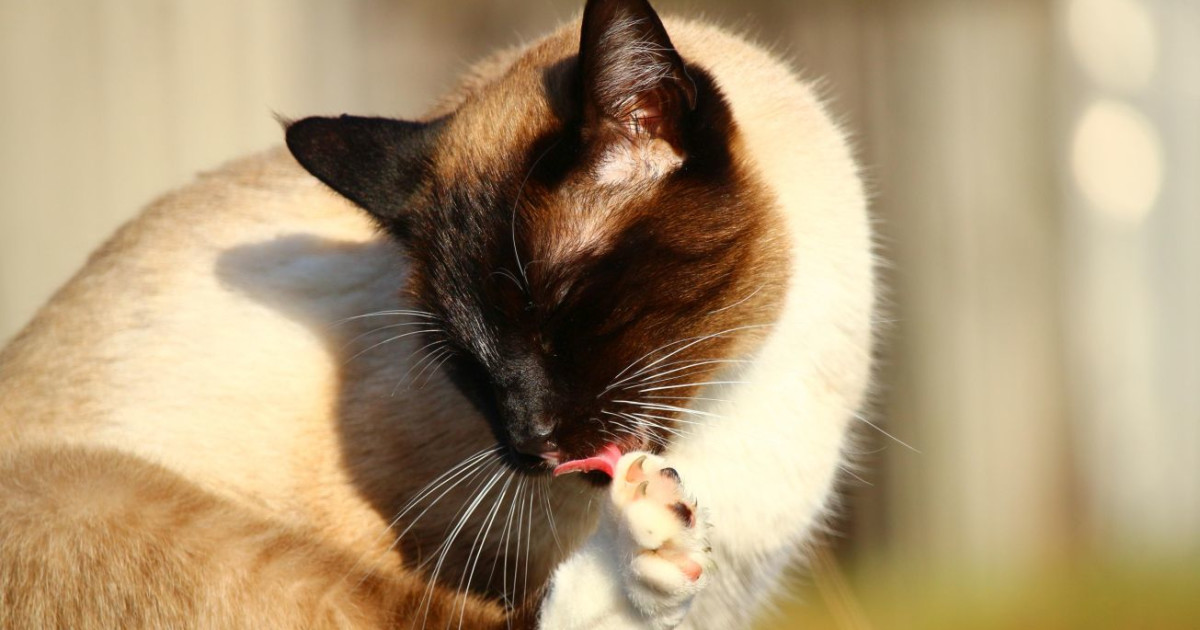
Cats use their tongues to clean their fur, removing dirt and loose hair. Their tongues feel rough because of tiny, hook-like structures called papillae, which help pull dirt and loose fur away from their skin.
They also use their teeth to nibble on tangles or mats. You might notice your cat licking their paws and then rubbing them over their face—this is a clever way to clean hard-to-reach spots.
Purpose Of Grooming In Cats
Grooming does more than keep cats clean; it regulates their body temperature. When cats lick themselves, saliva evaporates from their fur, which cools them down on warm days.
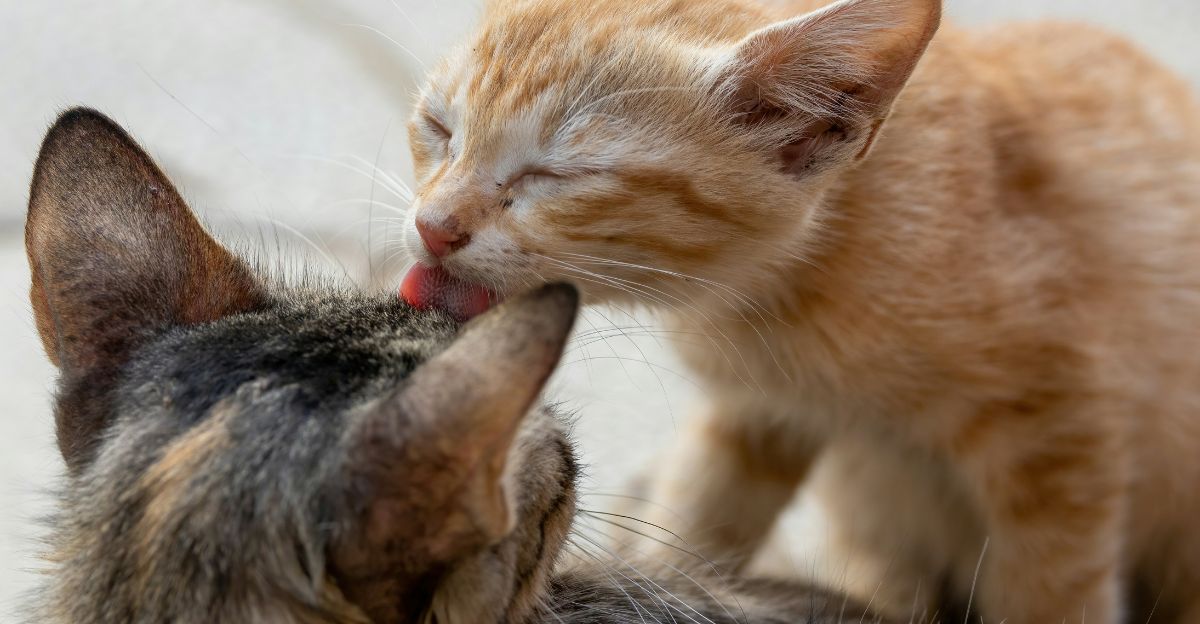
Grooming also helps reduce stress and strengthens social bonds with other cats. But here’s the catch: the social grooming, known as allogrooming, mostly happens between cats, not between cats and humans.
Have you noticed your cat grooming another cat after a fight? It’s their way of saying, “We’re still friends.” This type of grooming is about trust and connection, something your cat doesn’t quite translate to grooming you.
Credit: pethelpful.com
Social Grooming Among Cats
Social grooming among cats is a fascinating behavior that goes beyond simple cleanliness. It’s a form of communication and connection within their groups. Understanding why cats groom each other, but rarely their human owners, reveals much about their social structure and instincts.
Bonding Through Grooming
Cats groom each other to build and maintain strong social bonds. When you see two cats licking or nibbling each other, they’re not just cleaning—they’re showing trust and friendship.
This behavior helps reduce tension and creates a peaceful environment. Have you noticed how cats often groom their closest companions more frequently? It’s their way of saying, “You’re part of my family.”
However, your cat might not groom you because they see you as outside their social circle. Instead, they use other ways to bond with you, like head butts or purring.
Hierarchy And Grooming
Grooming among cats also reflects their social hierarchy. Dominant cats often groom submissive ones, reinforcing their status within the group.
This isn’t about kindness alone—it’s about order. The dominant cat’s grooming signals control and care, while the groomed cat accepts its position.
Since you’re not part of their feline hierarchy, your cat doesn’t see a reason to groom you. Instead, they may show affection differently, such as sitting close or following you around.
Cats And Their Owners
In the world of pets, the bond between cats and their owners is unique. Cats are known for their independent nature. Yet, they form deep connections with their human companions. This relationship is built on mutual respect and understanding. While cats show affection in various ways, grooming their owners is rare. This behavior has puzzled many cat lovers.
Why Cats Rarely Groom Humans
Cats primarily groom themselves to stay clean and comfortable. Grooming serves as a way to remove dirt and loose fur. It also helps in spreading natural oils. This process is essential for maintaining their fur’s health. Grooming another cat or a human is less common. Cats may occasionally lick their owners as a sign of affection. But this is not the same as grooming. Licking is a social behavior, not a cleaning ritual. Cats focus more on their own grooming needs. Their instinct leads them to prioritize self-care over grooming others.
Differences Between Cat Fur And Human Hair
Cat fur and human hair differ in many ways. Cat fur is denser and has multiple layers. These layers include the undercoat and guard hairs. This structure provides insulation and protection. Human hair, on the other hand, is less complex. It lacks the same insulating properties. The grooming needs for fur and hair are different. Cats groom to manage shedding and maintain fur health. Humans wash and style hair for cleanliness and appearance. These differences influence grooming behaviors. Cats naturally focus on their own fur care routines. Grooming humans is not part of their instinctive habits.
Surprising Reasons Behind Grooming Habits
Cats have unique grooming habits shaped by instincts and environment. Their grooming behavior serves many purposes beyond cleanliness. Understanding these reasons helps explain why cats don’t groom their owners like they do themselves or other cats.
Grooming is often linked to social bonds and survival strategies. Cats use it to communicate, mark territory, and stay healthy. Their habits reflect their natural instincts more than affection for humans.
Scent Marking And Territory
Cats use grooming to spread their scent on their bodies and territory. This scent acts as a marker to signal ownership and safety. Grooming other cats helps mix scents, strengthening social bonds within groups.
Humans have very different smells and skin surfaces. Cats may not groom owners because their scent does not blend with the cat’s natural markers. Grooming humans does not serve the same territorial or social purpose.
Sensitivity To Human Skin
Cat tongues have tiny, rough structures designed for fur care. These structures are perfect for removing loose hair and dirt from cats’ coats. Human skin feels different—softer and less suited for this type of grooming.
Some cats find grooming human skin uncomfortable or unfamiliar. The texture and temperature are not like fur, making the experience less appealing. Cats prefer grooming what feels natural and comfortable to them.
Alternatives To Grooming
Cats do not groom their owners like they groom themselves or other cats. Instead, they show care and affection in other ways. Understanding these alternatives helps build a strong bond with your cat. It also allows you to respond to their love in a way they understand.
How Cats Show Affection Instead
Cats use many actions to show love and trust. They may purr softly while sitting near you. Head-butting or rubbing their face on your hand is a common sign. Slow blinking at you means they feel safe and relaxed. Some cats follow their owners around the house. Bringing toys or small “gifts” shows they want to share with you. Tail positioning also tells a lot—an upright tail means happiness and friendliness.
Encouraging Grooming-like Behavior Safely
Even though cats don’t groom humans, they enjoy similar interactions. Use a soft brush to mimic grooming motions. This helps your cat relax and feel loved. Gentle petting in areas they like, such as behind the ears or under the chin, works well. Always watch for signs of discomfort and stop if your cat pulls away. Creating a calm environment with quiet voices makes these moments better. Reward your cat with treats to build positive associations. These actions strengthen your bond without stress.
Credit: www.theguardian.com
Frequently Asked Questions
Why Don’t Cats Groom Their Owners Like Themselves?
Cats groom themselves to stay clean and healthy. They don’t groom owners because human skin and fur differ from their own. Grooming humans is not instinctive, and cats use grooming for social bonding mainly with other cats.
Can Cats Recognize Their Owners By Scent?
Yes, cats use scent to recognize their owners. They rely heavily on smell to identify familiar people and places. This helps cats feel secure and connected but doesn’t mean they will groom their owners like other cats.
Do Cats Groom Owners To Show Affection?
Cats rarely groom owners to show affection. Instead, they may lick or nuzzle as a bonding gesture. Grooming is mostly reserved for themselves or close feline companions to maintain hygiene and social bonds.
Is Lack Of Grooming A Sign Of Cat’s Dislike?
No, cats not grooming owners doesn’t mean dislike. Grooming is natural for cats but limited to themselves or other cats. They show affection in other ways, like purring, rubbing, or sitting close to owners.
Conclusion
Cats show love in many quiet ways, not always by grooming. They trust you and feel safe in your presence. Grooming is a special behavior mostly for their own care or other cats. Understanding this helps build a stronger bond with your pet.
Enjoy the unique ways your cat shows affection. Patience and attention bring you closer every day. Your cat’s love is real, even without licking or grooming.

Leave a Reply