Have you ever bought a new toy for your cat, only to watch it ignore the toy completely? It’s confusing and a little frustrating.
You want your furry friend to have fun and stay active, but they just don’t seem interested. You might be wondering, “Why doesn’t my cat like to play with toys? ” Understanding the reasons behind this behavior can help you connect better with your cat and find ways to bring back the joy of playtime.
Keep reading, and you’ll discover the surprising answers that can change how you and your cat enjoy play together.
Common Reasons Cats Avoid Toys
Cats sometimes ignore toys. This can confuse pet owners. Understanding why helps improve playtime. Cats have unique personalities and preferences. Several reasons explain their toy avoidance. These reasons often involve interest, instincts, or health. Recognizing these factors helps find the right solution.
Lack Of Interest In Toy Types
Cats can be picky about toys. They may not like noisy or bright toys. Some prefer soft toys over hard ones. Movement also matters. Slow or fast-moving toys might not catch their attention. Cats need toys that feel real to them. Changing toy types can spark interest. Watch your cat’s reactions to different toys.
Preference For Natural Hunting
Cats are natural hunters. They enjoy chasing live prey more than toys. Toys cannot fully mimic real animals. Cats may prefer outdoor hunting or watching birds. Some cats focus on smells and sounds from nature. Their play style reflects this instinct. Toys that move unpredictably or look like prey can help.
Health Issues Affecting Play
Health problems reduce a cat’s energy and interest. Pain from arthritis or dental issues can stop play. Illnesses like infections or parasites also affect activity. Older cats often slow down naturally. Veterinary checkups are important. Addressing health issues can restore playfulness. Always watch for changes in behavior or appetite.

Credit: www.reddit.com
Environmental Factors Impacting Play
Environmental factors play a big role in how your cat interacts with toys. Sometimes, it’s not about the toy itself but the setting around your feline friend that affects their interest. Understanding these factors can help you create a space where your cat feels safe and excited to play.
Stress And Anxiety Effects
Stress can make your cat avoid toys completely. Changes like moving to a new home, loud noises, or unfamiliar people can cause anxiety. When stressed, cats tend to hide or become less active, leaving toys untouched.
Have you noticed your cat suddenly ignoring playtime after a stressful event? It’s a clear sign they need a calm environment to feel comfortable again. Try providing quiet, cozy spots and use calming pheromone sprays to ease their nerves.
Inadequate Play Space
Your cat needs enough room to move freely and chase toys. A cramped or cluttered area can make play difficult and frustrating for them. Cats love to jump, pounce, and run, so a small space limits their natural behaviors.
Think about your own play experience—would you enjoy a game in a tiny corner? Most cats feel the same. Clear some space, remove obstacles, and watch if your cat’s interest in toys grows.
Overstimulation Or Understimulation
Too much noise or activity can overwhelm your cat, causing them to avoid toys. On the other hand, a boring, quiet environment with no variety can make play seem dull. Finding the right balance is key.
Try observing when your cat seems most playful. Is it after a nap or during quiet moments? Adjust the playtimes and toy types accordingly. Sometimes, changing a toy’s texture or adding movement can reignite your cat’s curiosity.
Age And Personality Influences
Understanding why a cat might not play with toys involves examining age and personality. These factors significantly impact a cat’s interest in play. Let’s explore how age and personality influence their behavior.
Kittens Vs Adult Cats Play Behavior
Kittens are naturally more playful. They explore their world through play. Their energy levels are high. They enjoy chasing, pouncing, and batting at toys. Play helps them develop hunting skills.
Adult cats, on the other hand, may play less. They conserve energy and may prefer rest. Their play sessions might be shorter and less frequent. But many adults still enjoy interactive play.
Personality Differences Among Cats
Each cat has a unique personality. Some are more playful by nature. Others may be more reserved and prefer quiet activities. A cat’s past experiences also shape its play habits.
Some cats may not have been exposed to toys early in life. This can affect their interest in playing. Observing your cat can help identify what engages them.
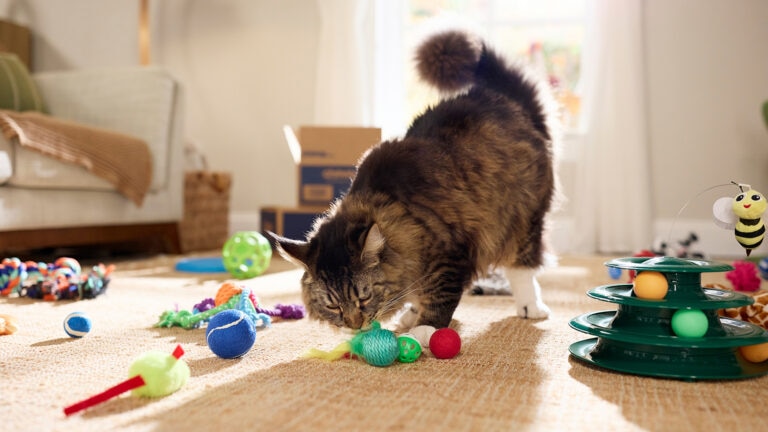
Credit: www.chewy.com
Improving Toy Appeal
Getting your cat interested in toys can sometimes feel like a puzzle. The key lies in making toys more appealing to your furry friend. Small changes in the types of toys you offer and how you present them can spark their curiosity and encourage play.
Choosing The Right Toys
Not all toys attract every cat. Some prefer soft plush toys, while others chase laser pointers or batting balls. Watch your cat’s natural behavior—do they stalk, pounce, or hide? Matching toys to these instincts helps catch their attention.
If your cat likes to hunt, toys that mimic prey, like feather wands or small moving mice, work well. For cats who enjoy cuddling, soft toys with catnip might be more inviting. Think about texture, size, and noise—does your cat respond to crinkling sounds or squeaks?
Incorporating Interactive Play
Toys alone might not excite your cat. Your involvement can make a big difference. Use toys that you can move, like wand toys or balls on strings, to engage your cat directly.
Try to set aside short sessions daily to play together. Your cat will associate toys with fun time spent with you. Have you noticed how your cat reacts when you dangle a toy just out of reach? That chase instinct often needs your invitation to kick in.
Using Scent And Movement
Scent can be a powerful attractor for cats. Adding catnip or silvervine to toys can increase their appeal. You can even lightly rub your hands on a toy to transfer your scent—this makes the toy feel familiar and less foreign.
Movement is another key factor. Cats are predators drawn to motion. Toys that flutter, bounce, or wiggle mimic the erratic movements of prey. A toy that stays still is easy to ignore, so keep toys moving unpredictably to maintain your cat’s interest.
When To Consult A Vet
Knowing when to consult a vet is important if your cat avoids toys. Sometimes, a lack of interest signals health or behavioral problems. Early attention can help your cat feel better and stay active. Watch for signs that suggest a vet visit is necessary.
Signs Of Medical Concerns
- Loss of appetite or sudden weight loss
- Difficulty moving or limping
- Excessive hiding or lethargy
- Changes in breathing or coughing
- Frequent vomiting or diarrhea
- Unusual lumps or swelling
These signs might indicate pain or illness. Your cat might avoid toys because playing hurts or tires them quickly.
Behavioral Changes To Watch
- Sudden fear or aggression toward people or other pets
- Loss of interest in favorite activities
- Increased vocalization or restlessness
- Changes in sleeping patterns
- Excessive grooming or hair loss
Behavioral shifts can signal stress or discomfort. A vet can help find the cause and suggest solutions.

Credit: www.reddit.com
Frequently Asked Questions
Why Doesn’t My Cat Show Interest In Toys?
Cats may ignore toys due to boredom, stress, or health issues. Some prefer interactive play or natural hunting instincts. Try different toys, play times, or consult a vet if your cat remains uninterested.
Can My Cat’s Age Affect Toy Preference?
Yes, kittens are more playful, while older cats might prefer gentler toys. Age influences energy levels and play style. Adjust toy types to match your cat’s age and activity level for better engagement.
Do All Cats Like The Same Types Of Toys?
No, cats have unique preferences based on personality and instincts. Some prefer feathers, others balls or laser pointers. Experiment with various toys to find what excites your cat most.
Could Health Problems Cause My Cat’s Disinterest In Toys?
Yes, pain or illness can reduce a cat’s playfulness. If your cat stops playing suddenly, visit a vet. Early detection ensures proper treatment and helps restore their playful behavior.
Conclusion
Cats show their love for toys in different ways. Some prefer quiet time or exploring new places. Toys that move or make noise might scare shy cats. Try changing toys often or playing gently. Observe what your cat enjoys most.
Patience helps build their trust and interest. Understanding your cat’s mood matters a lot. Playtime should be fun, not stressful. Keep trying, and you may see changes soon. Every cat is unique, so respect their pace.


Leave a Reply