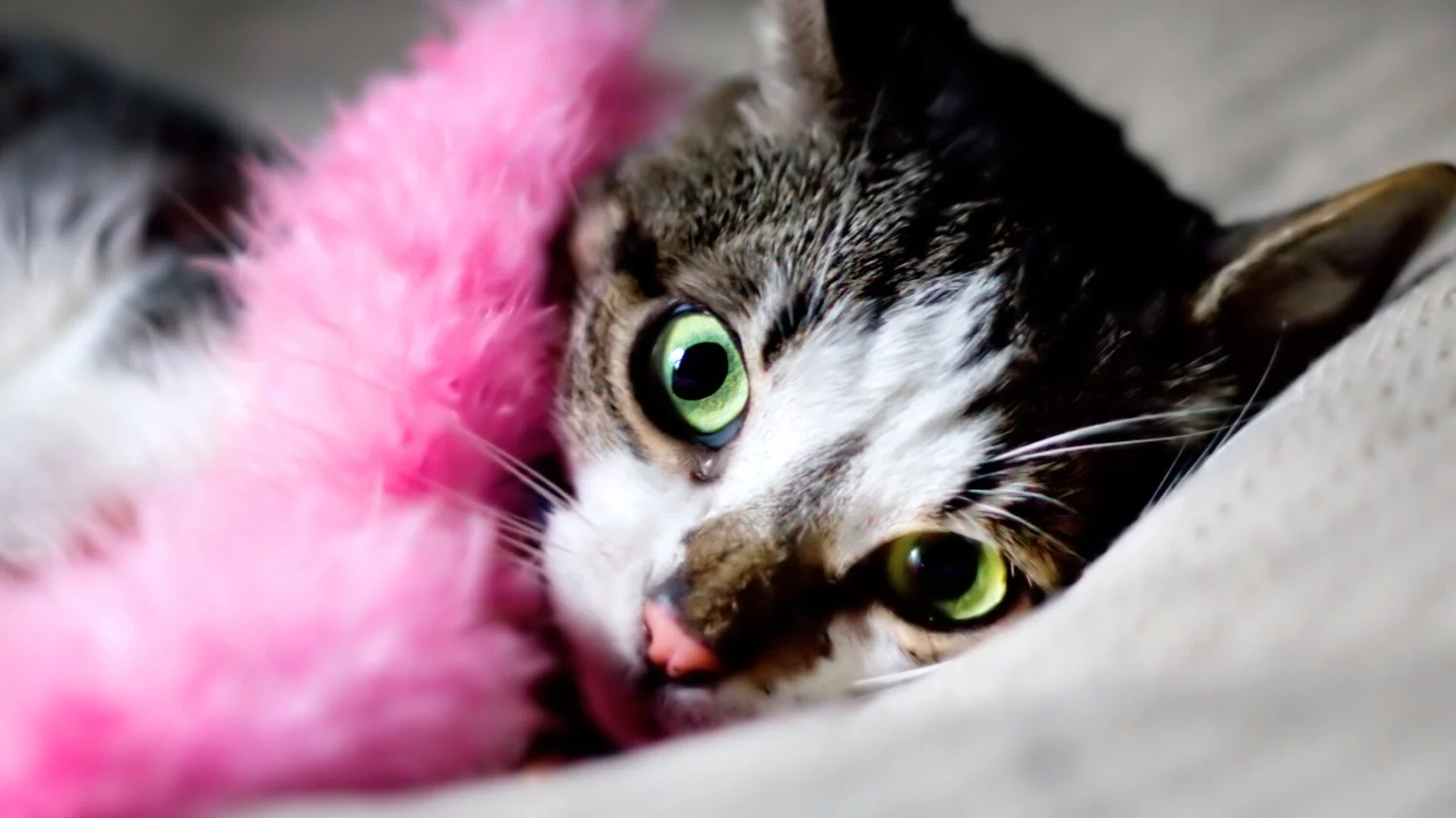
Have you ever noticed your female cat kneading her toys and meowing at the same time? It might leave you wondering what she’s trying to tell you.
These behaviors aren’t random—they have meaning that can reveal a lot about your cat’s feelings and needs. Understanding why your cat does this will help you connect with her better and make her feel even more loved. Keep reading to discover the surprising reasons behind this cute but puzzling habit.
Kneading Behavior In Cats
Kneading is a curious and often endearing behavior you might notice when your female cat presses her paws rhythmically into her toys or even your lap. This action is not just random; it carries deep meanings linked to her instincts and emotions. Understanding why she kneads can help you connect better with her and respond in ways that make her feel safe and loved.
Origins Of Kneading
Have you ever wondered why cats knead as if they’re making dough? This behavior actually dates back to kittenhood. When nursing, kittens knead their mother’s belly to stimulate milk flow, creating a strong association between kneading and comfort.
Even as adults, cats retain this instinct. It’s a natural leftover from their earliest days, showing how much their formative experiences shape their actions today. Recognizing this can make you appreciate the deep roots of your cat’s behavior.
Comfort And Security
Your cat kneads when she feels relaxed and safe. This action releases endorphins, which help her feel calm and happy. You might notice she kneads your lap during quiet moments, signaling trust and affection.
Think about how your cat reacts when she’s stressed or anxious. Does she seek out your lap or favorite toy to knead? This shows kneading is not just a random habit but a self-soothing technique. You can encourage this behavior by creating cozy, quiet spaces where she feels secure enough to knead comfortably.
Territory Marking
Kneading also plays a role in marking territory. Your cat has scent glands in her paws, and when she presses them down, she leaves her unique scent behind. This is her way of saying, “This is mine.”
This behavior may explain why she kneads her toys repeatedly or chooses specific spots on your furniture. It’s a subtle but powerful form of communication. Next time you see her kneading, consider it a sign that she feels at home and wants to claim her space.
Reasons Behind Meowing
Understanding why your female cat meows while kneading her toys can help you connect better with her. Meowing is one of the main ways cats communicate with humans. It can mean different things depending on the situation and her mood.
Communication With Owners
Your cat meows to share her feelings and thoughts with you. Unlike other animals, cats rarely meow to communicate with each other; they mainly use this sound to talk to humans.
Have you noticed she changes the tone or length of her meow? This variation helps her express whether she’s happy, curious, or even upset. Paying attention to these sounds can give you clues about what she wants to tell you.
Expressing Needs
Meowing often signals that your cat needs something. It could be hunger, thirst, or a request for a clean litter box. Sometimes, she meows to let you know she wants to go outside or needs a cozy spot.
If your cat kneads her toys while meowing, she might be feeling a bit anxious or seeking comfort. Offering a calm environment or some extra care can help her feel secure.
Seeking Attention
Many cats meow to get your attention, especially if they want to play or be petted. Kneading combined with meowing often means she wants you to focus on her.
Have you tried responding with gentle petting or joining her in play? This can strengthen your bond and make her feel loved and understood.
Connection Between Kneading And Meowing
The connection between kneading and meowing in female cats reveals much about their feelings. These behaviors often happen together and show how your cat communicates. Kneading is a gentle pressing of paws on soft surfaces, while meowing is a vocal way to express needs or emotions.
Understanding this link helps you respond better to your cat’s moods. It also deepens the bond between you and your furry friend. Each action has a purpose, showing comfort, stress, or desire for attention.
Signs Of Contentment
When your cat kneads and meows softly, she feels happy and safe. Kneading mimics kitten behavior, comforting her. Meowing at this time is usually calm and steady. It tells you she enjoys the moment and trusts you.
This peaceful mix of sounds and actions means she is relaxed. She may also purr, showing full contentment. Her body language will be loose and gentle.
Stress And Anxiety Signals
Kneading combined with louder or sharper meows can signal stress. Your cat might be worried or uncomfortable. This behavior helps her cope and self-soothe.
Watch for signs like wide eyes, flattened ears, or hiding. These clues mean she needs help feeling safe. Calm speaking and gentle petting can reduce her anxiety.
Requesting Interaction
Sometimes kneading and meowing is a call for attention. Your cat wants to play, be petted, or get food. The meow is louder or more urgent than usual.
She may look at you directly or bring a toy. Responding quickly strengthens your bond. It shows you understand her needs and care.
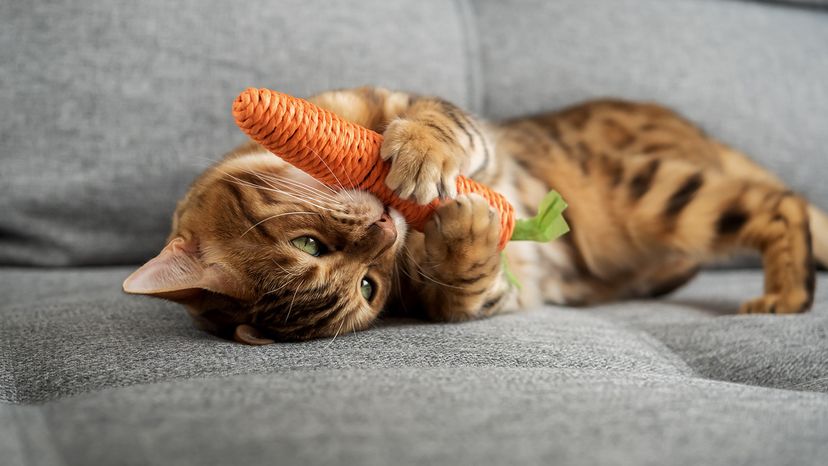
Credit: animals.howstuffworks.com
Influence Of Hormones And Age
Hormones and age play a big role in why female cats knead their toys and meow. These behaviors change as cats grow and their bodies go through different stages. Hormones affect moods and actions, especially in female cats during certain times.
Understanding these changes helps explain why your cat acts the way she does. Both young kittens and older cats show kneading and meowing, but for different reasons linked to their age and hormonal status.
Effects Of Heat Cycles
Female cats in heat often show more kneading and vocal sounds. Hormones like estrogen rise, making them restless and affectionate. Kneading can be a way to show comfort or prepare for mating. Meowing becomes louder and more frequent to attract males. These behaviors usually stop once the heat cycle ends.
Spayed cats do not go through heat cycles, so they may knead and meow less for hormonal reasons. Their behavior focuses more on comfort and bonding instead of mating signals.
Behavior In Kittens Vs Adult Cats
Kittens knead to feel safe and warm, similar to nursing. This kneading helps them bond with their mother and siblings. Their meows are softer and used to get attention or food from their mom.
Adult cats knead to relax or mark territory with scent glands in their paws. Their meows tend to be clearer and serve to communicate with humans or other cats. Age brings more control over these behaviors.
How To Respond To Kneading And Meowing
Cats often knead toys and meow to show comfort and seek attention. Respond by gently petting or talking softly to your female cat to make her feel safe. This helps build trust and strengthens your bond.
Understanding why your female cat kneads her toys and meows can help you respond in a way that nurtures her behavior while maintaining harmony in your home. Kneading is a natural behavior, often associated with comfort and contentment, while meowing can be a way for her to communicate needs or emotions. By responding thoughtfully to these actions, you can create a positive environment that caters to her instincts and needs.Encouraging Positive Behavior
Encouraging your cat’s kneading behavior can strengthen your bond. When she kneads, offer her gentle praise or a soft pet. This positive reinforcement shows her that you appreciate her natural instincts. Kneading might also be her way of seeking comfort. Providing a cozy blanket or a soft surface can help. Have you noticed how she seems to choose her favorite spots? Pay attention to these preferences and make them available.Setting Boundaries
While kneading can be sweet, it might not always be welcome, especially if claws are involved. It’s important to set boundaries to keep both you and your cat comfortable. Redirect her to a toy or a specific blanket if her kneading becomes too intense. Sometimes, a firm but gentle “no” can be enough to discourage unwanted kneading on your lap. Consistency is key. If she understands that certain areas are off-limits, she’ll learn to respect your space.Providing Appropriate Toys
Toys can be an excellent outlet for kneading and meowing. Consider offering toys that mimic the texture of what she loves to knead. This can fulfill her need to knead without involving your lap or furniture. Interactive toys that respond to her touch or sound can also engage her meowing instincts. Cats love the hunt and chase aspect of play. Does she have a favorite toy she always returns to? Keep a variety of textures and types to maintain her interest and enthusiasm.
Credit: www.purina.com
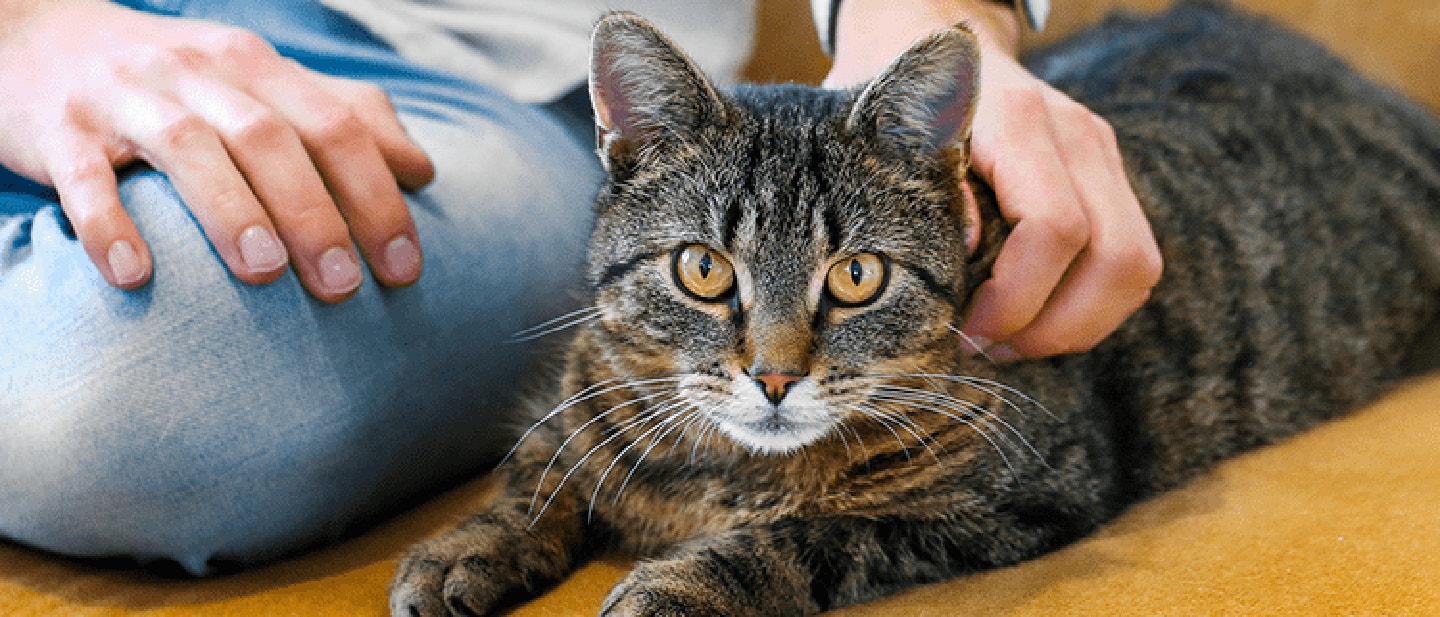
Credit: www.perfect-fit.co.uk
Frequently Asked Questions
Why Does My Female Cat Knead Her Toys?
Kneading is a comforting behavior for cats. Female cats knead toys to mimic nursing, express affection, and mark territory with scent glands in their paws.
What Does It Mean When My Cat Meows While Kneading?
Meowing during kneading is a sign of contentment and communication. Your cat may be expressing happiness, seeking attention, or bonding with you.
Is Kneading A Sign Of Stress Or Relaxation?
Kneading generally indicates relaxation and comfort. Cats often knead when they feel safe, calm, and happy, rather than stressed or anxious.
Can Kneading Damage My Cat’s Toys Or Furniture?
Kneading can wear out soft toys and fabrics over time. Providing durable toys and dedicated kneading spots helps protect your belongings.
Conclusion
Your female cat kneads her toys and meows to show comfort and joy. This behavior helps her feel safe and calm. She might also use it to get your attention or express love. Understanding these actions can strengthen your bond with her.
Watching closely helps you know what she needs. Every cat is unique, so patience is key. Enjoy these moments—they show her trust and happiness.


Leave a Reply