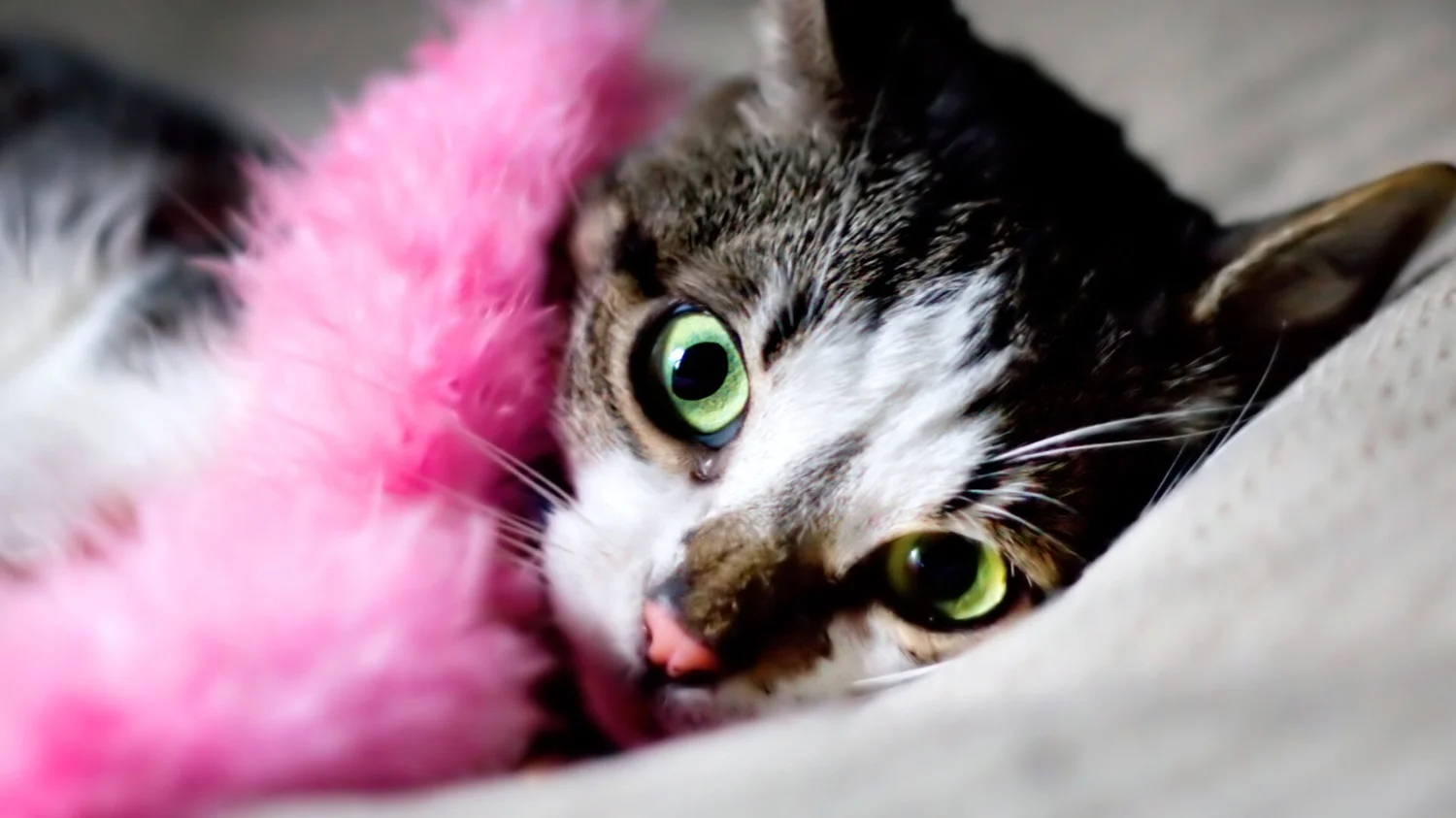
Have you ever watched your cat catch a toy and then suddenly start yowling? It can be surprising and even a little confusing.
You might wonder why your furry friend makes such loud noises right after a playful moment. Is your cat happy, scared, or trying to tell you something? Understanding this behavior can help you connect better with your pet and keep playtime fun for both of you.
Keep reading to discover the surprising reasons behind your cat’s yowls and what they really mean.

Credit: moderncat.com
Cat Yowling Behavior
Cat yowling behavior can be puzzling, especially when it happens right after your feline catches a toy. This loud, drawn-out vocalization often grabs your attention and makes you wonder what your cat is trying to communicate. Understanding why your cat yowls can help you connect better and respond to their needs effectively.
Common Cat Vocalizations
Cats use a variety of sounds to express themselves, and each one has a different meaning. Yowling is one of the louder and more intense vocalizations, often linked to strong emotions. Other common sounds include:
- Meowing:Usually directed at humans to get attention or express a need.
- Purring:Often a sign of contentment, but sometimes occurs when a cat is in pain.
- Chirping or Chattering:Typically heard when a cat is watching birds or prey, showing excitement or frustration.
- Hissing or Growling:Indicate fear, anger, or discomfort.
Yowling stands out because it’s longer and more intense than a meow. It can indicate anything from excitement to distress.
When Yowling Occurs
Yowling often happens after your cat catches a toy because it mimics the behavior of real hunting and feeding. You might notice your cat yowling as a way to express triumph or to mimic the sounds of a live catch. It’s their way of showing excitement or even frustration if the toy isn’t “prey” they can eat.
Sometimes, the yowl is a call for attention or a way to share the excitement with you. Have you ever felt your cat seemed to want you to join in the fun or admire their “catch”? This vocalization can also signal overstimulation or confusion—like when your cat is unsure what to do next with the toy.
Next time your cat yowls after catching a toy, watch their body language closely. Are their ears forward or flattened? Is their tail twitching? These clues will tell you if it’s playful excitement or something else.

Credit: moderncat.com
Hunting Instincts Triggered
Your cat’s yowling after catching a toy isn’t just random noise. It’s a sign that their hunting instincts have been triggered. These instincts are deeply rooted in their nature, guiding how they interact with their environment and express themselves.
Simulated Prey Response
When your cat catches a toy, it’s mimicking the experience of hunting real prey. The yowl is part of their natural reaction, similar to how a wild cat might vocalize after a successful catch. This sound signals excitement, satisfaction, or sometimes even frustration if the “prey” escapes.
Think about how your cat stalks the toy, pounces, and then lets out that loud yowl. It’s their way of processing the hunt’s outcome. You might notice they do this especially with toys that mimic movement, like feathers or laser pointers.
Territorial Claims
Yowling can also be your cat’s way of marking territory. After a successful hunt, they may vocalize to announce their victory and stake a claim. This behavior is inherited from wild ancestors who needed to communicate ownership over their catch to other predators.
Ever heard your cat yowl after catching a toy and then watch them guard it? This shows how much they value their “prey.” Understanding this can help you choose toys that satisfy these instincts and reduce territorial stress.
Emotional Reactions
Cats use sounds to express their feelings. Yowling after catching a toy shows their emotional state. It is a way to communicate excitement, frustration, or other strong feelings. Understanding these reactions helps you connect better with your cat during playtime.
Excitement And Playfulness
Yowling can be a sign of joy and eagerness. Cats get thrilled when they catch a toy. The sound shows their hunting instincts and success. It is like a cheer after a small victory. This noise means your cat is happy and engaged in the game.
Frustration Or Overstimulation
Sometimes, yowling shows frustration or stress. If the toy moves too fast or stops suddenly, cats may feel upset. Overstimulation happens when play is too intense or long. This causes vocal outbursts as a way to release tension. Watching your cat’s body language helps you spot this feeling early.
Communication With Owners
Cats often yowl after catching a toy to show excitement or to mimic hunting sounds. This vocalization helps them express their instincts and communicate with their owners. Understanding these sounds strengthens the bond between cats and their humans.
Cats have a unique way of communicating with their human companions, often using a mix of vocalizations, body language, and actions. When your cat yowls after catching a toy, it’s not just about the thrill of the hunt. It’s a fascinating form of communication that can reveal much about their needs and desires. Understanding these signals can enhance your relationship and offer deeper insights into their behavior.Seeking Attention
Cats are experts at grabbing attention, and a yowl is a surefire way to get yours. After catching a toy, your cat may be seeking acknowledgment for their ‘achievement’. It’s their way of saying, “Look what I did!” This behavior can be likened to a child proudly showing a drawing. Your response matters. Engage with your cat by praising or petting them, reinforcing their behavior positively.Sharing The ‘catch’
Your cat might also yowl to share their ‘catch’ with you. This action mimics the behavior of bringing prey back to the family in the wild. It’s a gesture of trust and inclusion. Next time your cat presents their toy with a triumphant yowl, consider it a compliment. They’re including you in their world and showing that they value your presence. How do you respond to your cat’s vocalizations? Observing and interacting based on their cues can strengthen your bond and enrich their playtime.Health And Discomfort Signals
When your cat yowls after catching a toy, it might not just be about play. Sometimes, this behavior signals underlying health or discomfort issues. Understanding these signals can help you respond appropriately and ensure your cat’s well-being.
Pain Or Injury Check
Yowling could indicate pain or injury, especially if your cat suddenly changes how it plays. After catching a toy, your cat might yowl if it experiences discomfort in its paws, claws, or teeth.
Look closely for limping, favoring one paw, or reluctance to play. These signs suggest your cat may have hurt itself during play or has an underlying condition like arthritis. If you notice swelling or sensitivity, a vet visit is necessary.
Stress Indicators
Your cat’s yowl might also be a stress signal. Sometimes, after intense play, cats vocalize because they feel overwhelmed or anxious.
Stress can come from changes in their environment or even from overstimulation during play. Watch for other signs like pacing, hiding, or excessive grooming. Adjusting playtime length and creating a calm space can help reduce these stress signals.
How To Respond To Cat Yowls
Understanding how to respond to your cat’s yowling after catching a toy is key to maintaining a happy and healthy playtime. Your cat’s vocalizations can mean different things—from excitement to frustration or even pain. Knowing how to react helps you support your cat’s emotional and physical well-being effectively.
Encouraging Positive Play
When your cat yowls after catching a toy, it’s often a sign of intense excitement or a way to express their hunting instincts. Instead of discouraging the yowls, try to channel this energy positively. Offer praise or gentle petting to show your cat that their behavior is noticed and appreciated.
Make sure the toys you use are safe and engaging. Toys that mimic prey, like feather wands or small balls, can satisfy your cat’s natural urges. Vary the play sessions to keep your cat interested and avoid frustration that might lead to excessive yowling.
Have you noticed if the yowling happens more with certain toys or at specific times? Observing these patterns can help you tailor play sessions to your cat’s preferences and moods.
When To Consult A Vet
If your cat’s yowling sounds distressed or is accompanied by limping, hiding, or changes in appetite, it might signal pain or discomfort. Sudden changes in vocal behavior should not be ignored, especially if they persist beyond playtime.
Sometimes, a yowl after catching a toy can mean your cat has injured itself or has dental issues affecting how they vocalize. A quick vet visit can rule out medical problems and give you peace of mind.
Don’t hesitate to document the yowling—recording videos or noting the circumstances can help your vet understand the situation better. Could your cat be trying to communicate something more serious than just excitement?
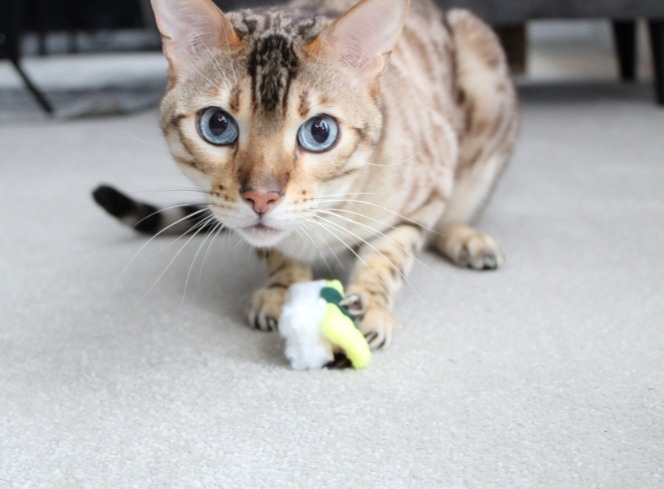
Credit: www.lordsandlabradors.co.uk
Frequently Asked Questions
Why Does My Cat Yowl After Catching A Toy?
Cats yowl after catching toys to express excitement or claim a “victory. ” It mimics hunting behavior and shows pride in their catch.
Is Yowling Normal Cat Behavior After Play?
Yes, yowling after play is normal. It reflects natural hunting instincts and communication or attention-seeking from your cat.
How Can I Reduce My Cat’s Yowling During Play?
To reduce yowling, increase interactive playtime and use quieter toys. Reward calm behavior and avoid overstimulating your cat.
Does Yowling Mean My Cat Is Stressed Or Scared?
Not always. Yowling after catching a toy usually shows excitement, not stress. Observe other signs to assess your cat’s mood.
Conclusion
Cats yowl after catching toys to show excitement or claim their prize. They use sounds to communicate feelings and keep play interesting. This behavior is normal and part of their hunting instinct. Watching your cat yowl can help you understand its mood better.
Enjoy these moments; they show your cat’s playful side. Keep playing and bonding with your cat for a happy pet. Simple actions build strong connections between you and your furry friend.

Leave a Reply