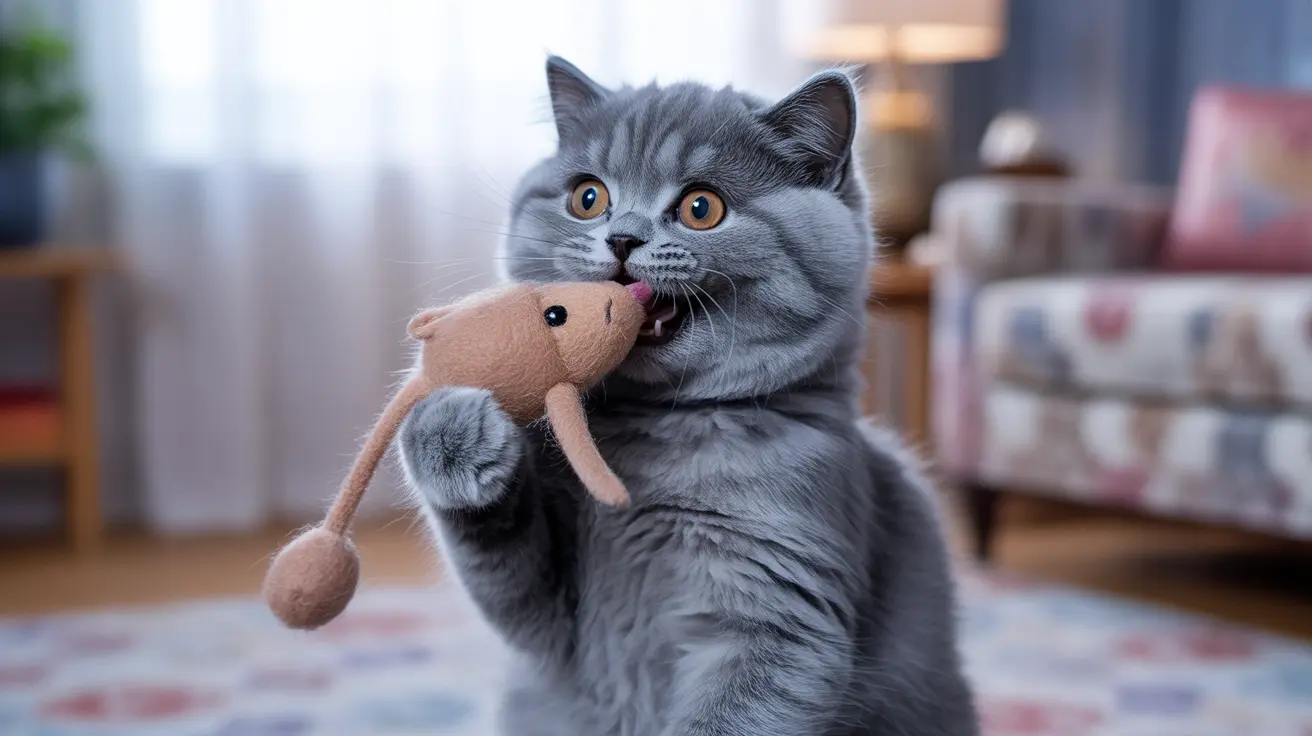
Have you ever wondered why your cat suddenly starts wailing at his toys? It can be surprising and even a little confusing to hear those loud cries coming from your furry friend while he plays.
You might think something is wrong or worry about his behavior. But there’s more to this than just noise—it reveals how your cat thinks, feels, and interacts with his world. Keep reading to discover the surprising reasons behind your cat’s wails and what it means for your bond with him.
Understanding this can make playtime even more fun and meaningful for both of you.

Credit: www.amazon.com
Cat Vocalizations Explained
Cats use sounds to share feelings and needs. These vocalizations tell us what they want or how they feel. Understanding these sounds helps us care for our pets better. Your cat’s wail at toys is part of this language.
Different Types Of Cat Sounds
- Meowing:Used mostly to talk to humans.
- Purring:Shows contentment or comfort.
- Hissing:A warning or sign of fear.
- Chirping:Often heard when cats watch birds or prey.
- Wailing:A loud, long cry that can mean many things.
What Wailing Indicates
Wailing is one of the loudest cat sounds. It can mean:
- Your cat is excited or frustrated while playing.
- They want attention or feel lonely.
- They might be in pain or discomfort.
- It’s a way to mimic prey sounds, keeping play intense.
Watching your cat’s body language helps understand their wails. Tail position, eyes, and posture give clues. This way, you know if the wailing is playful or a call for help.
Emotional Triggers Behind Toy Wailing
Your cat’s wailing at toys isn’t just random noise—it often signals deeper emotions. Understanding these emotional triggers can help you respond better and strengthen your bond. Let’s look at some common feelings behind this behavior.
Frustration And Playtime
Sometimes, your cat wails because the toy is just out of reach or too difficult to catch. This frustration builds up, especially if the toy moves quickly or unpredictably. Have you noticed your cat growling or pawing aggressively at the toy? That’s a clear sign they want more control over the play.
Try slowing down the toy’s movement or using simpler toys your cat can easily grab. This small change can turn frustration into fun and reduce those loud cries.
Seeking Attention
Your cat may wail at toys to grab your attention, especially if playtime has been scarce. Cats learn that making noise gets you to interact with them, so the wailing becomes their way of saying, “Hey, play with me!”
If you’re busy, your cat might repeat this behavior until you respond. Instead of ignoring these calls, set aside dedicated play sessions to meet their need for interaction. This helps reduce attention-seeking wails over time.
Anxiety And Stress
Wailing can also be a sign of anxiety or stress. If your cat feels uneasy—due to changes in the environment or routine—they might vocalize more during play as a coping mechanism.
Look for other signs like hiding, excessive grooming, or loss of appetite. Creating a calm, safe play environment with familiar toys can ease your cat’s stress and quiet those distressing sounds.
Behavioral Reasons For Toy Focus
Cats may wail at toys because they see them as prey or rivals. This behavior shows their natural hunting instincts and desire to control their environment. Vocalizing helps them express excitement or frustration during play.
Cats often surprise us with their quirky behaviors, and wailing at their toys is no exception. Understanding the reasons behind this can help you provide a more enriching environment for your feline friend. Let’s explore the behavioral reasons why your cat might be focusing so intensely on its toys.Hunting Instincts
Cats are natural hunters. Even domesticated cats have an innate drive to stalk, chase, and capture prey. Toys often serve as a substitute for real prey, stimulating their hunting instincts. Have you noticed your cat stalking a toy mouse? This behavior mirrors what they would do in the wild. The wailing might be a part of this pretend hunt, expressing excitement or frustration during the chase.Territorial Claims
Cats are territorial animals. They often see toys as part of their domain. When your cat wails at a toy, it might be asserting its ownership over it. This behavior can be similar to how they mark territory by rubbing their scent on objects. By vocalizing at a toy, your cat could be telling other pets, “This is mine!”Boredom And Stimulation
Cats, like humans, need mental and physical stimulation. Without it, they can get bored and resort to vocalizing at their toys for entertainment. Engage your cat with interactive play sessions. Rotate toys frequently to keep things fresh and exciting. This not only alleviates boredom but also strengthens your bond with your furry friend. Ever noticed your cat wailing more when you’re busy? It might be seeking your attention, using the toy as a way to communicate its need for interaction. By understanding these behaviors, you can better cater to your cat’s needs, creating a happier and more harmonious home.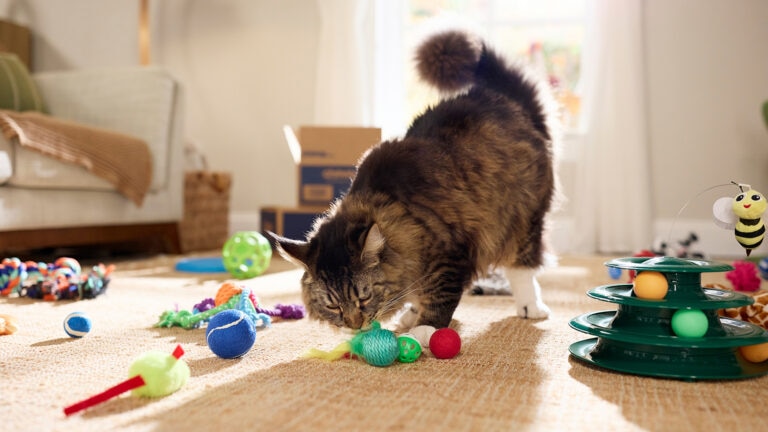
Credit: www.chewy.com
Health Issues Linked To Vocal Behavior
Sometimes, a cat’s loud wails toward toys can signal health problems. These sounds may be more than just playtime excitement. Understanding the health issues linked to vocal behavior helps protect your cat’s well-being.
Pain Or Discomfort
Cats often use loud meows or wails to show pain. If your cat cries when playing, it could hurt somewhere. Joint pain, dental issues, or injuries might cause distress. Watch for changes in movement or eating habits. These signs suggest your cat needs a vet check.
Cognitive Dysfunction
Older cats can suffer from cognitive dysfunction. This condition affects memory and awareness. Cats may vocalize more, especially around toys they once enjoyed. Confusion or anxiety can cause restless behavior and loud calls. Early diagnosis can improve comfort and quality of life.
Sensory Impairments
Loss of hearing or vision can make cats feel insecure. They might wail at toys to get attention or reassurance. Sensory impairments reduce a cat’s ability to interact normally. Adjusting their environment and routine helps them feel safe and calm.
Ways To Calm Your Cat
Calming a cat that wails at his toys takes patience and understanding. Cats express their feelings through sounds and actions. Finding ways to soothe your cat can improve both your lives. The right techniques help reduce stress and keep your cat happy. These tips focus on play, comfort, and health.
Interactive Play Techniques
Engage your cat with toys that mimic prey movements. Use feather wands or laser pointers to catch their attention. Short, frequent play sessions tire your cat without overwhelming them. Try hiding toys to encourage hunting instincts. Praise your cat gently during play to build trust.
Creating A Comfortable Environment
Provide quiet spaces where your cat can relax. Soft bedding and hiding spots reduce anxiety. Keep the room temperature cozy and stable. Avoid loud noises or sudden changes around your cat. Place toys in easy-to-reach areas to invite gentle play.
Consulting A Veterinarian
Persistent wailing may signal health issues. A vet can check for pain or discomfort. Discuss your cat’s behavior and play habits during visits. Follow professional advice on calming supplements or treatments. Early diagnosis helps prevent serious problems later.

Credit: www.reddit.com
Frequently Asked Questions
Why Does My Cat Wail At His Toys Sometimes?
Cats may wail at toys to express frustration or excitement. It mimics how they communicate in the wild while hunting or playing. This behavior shows their instinctual need for interaction and stimulation.
Can Wailing At Toys Indicate A Cat’s Stress?
Yes, wailing at toys can signal stress or anxiety. Cats use vocalization to express discomfort or seek attention. Monitoring their environment and behavior helps identify if stress causes this.
Is Wailing A Sign Of A Cat’s Boredom With Toys?
Wailing can mean boredom if a cat lacks engaging play. Cats need diverse toys and activities to stay mentally stimulated. Rotating toys often reduces boredom and vocal complaints.
How Can I Reduce My Cat’s Wailing At Toys?
Provide interactive playtime and varied toys regularly. Positive reinforcement and attention help reduce vocal frustration. Ensuring your cat gets enough exercise and mental stimulation is key.
Conclusion
Cats wail at their toys for many reasons. Sometimes, they want attention or feel excited. Other times, they may feel lonely or stressed. Watching your cat’s behavior helps you understand their needs better. Giving them playtime and affection can reduce wailing.
Remember, your cat talks to you in its own way. Listening closely builds a stronger bond between you. Keep your cat happy and healthy by meeting their emotional needs. Toys are more than just fun—they are a way your cat expresses feelings.
Stay patient and enjoy these moments together.



Leave a Reply