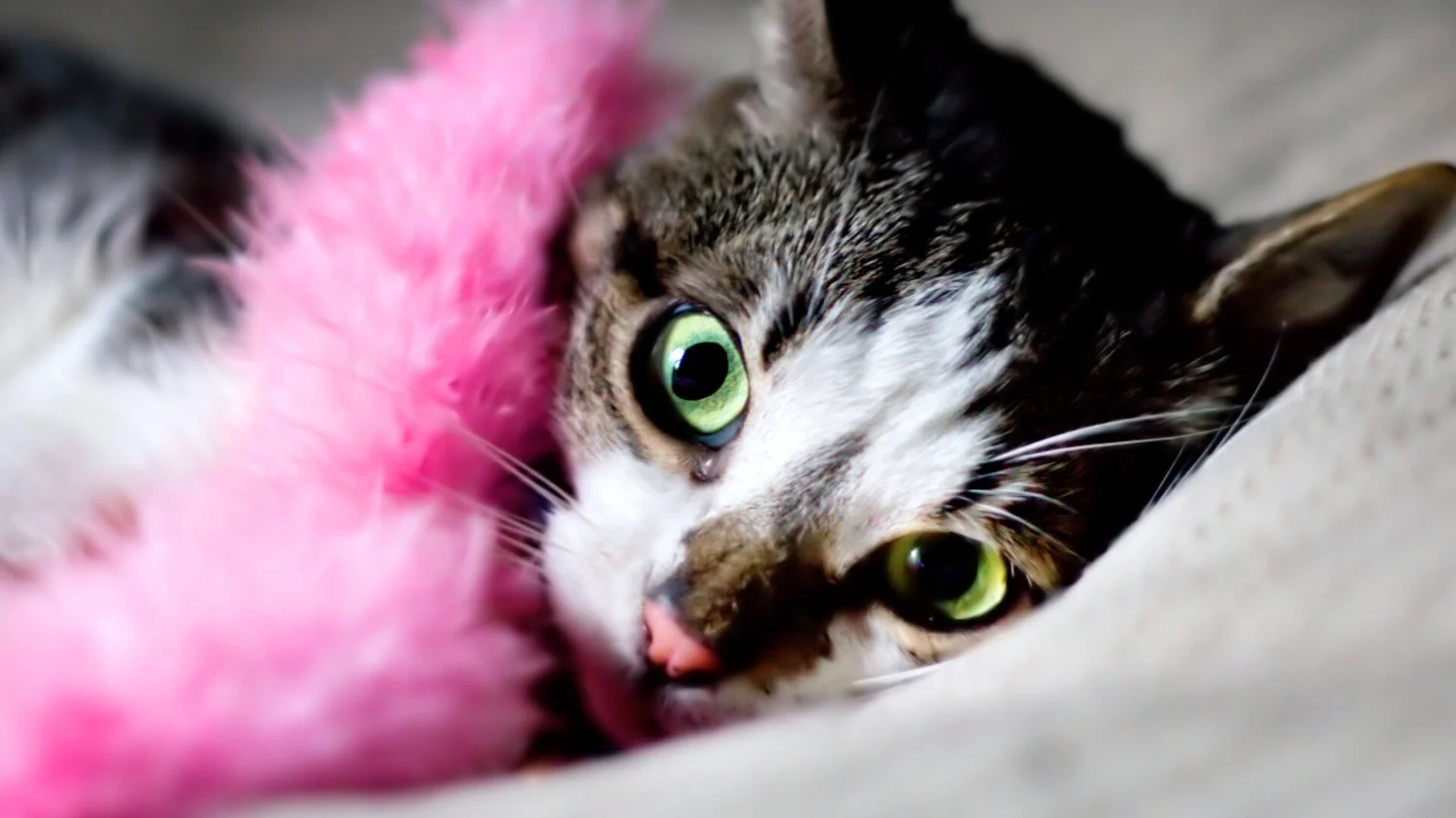
Have you ever caught your cat chattering or “talking” to her toys and wondered why? It’s a strange but fascinating behavior that can leave you curious and eager to understand what’s really going on in her mind.
You might think it’s just play, but there’s often more beneath the surface. Understanding why your cat talks to her toys can deepen your connection and help you respond better to her needs. Keep reading to uncover the surprising reasons behind this quirky habit and what it tells you about your furry friend.

Credit: moderncat.com
Cat Communication Basics
Understanding how cats communicate is key to figuring out why your cat talks to her toys. Cats use a mix of sounds, body language, and behaviors to express themselves. Getting to know these basics helps you connect with your feline friend on a deeper level.
How Cats Use Vocalizations
Cats don’t just meow randomly; each sound has a purpose. They use vocalizations to get attention, show affection, or express needs like hunger or discomfort. When your cat talks to her toys, she might be practicing hunting skills or engaging in play, mimicking how she interacts with other cats or humans.
Have you noticed your cat’s tone changing when she’s near her toys? It’s her way of communicating excitement or curiosity. This vocal practice helps her stay mentally active and sharp.
Types Of Cat Sounds
Cats have a range of sounds that tell you what they’re feeling:
- Meowing:Usually directed at humans to seek attention or food.
- Purring:Shows contentment but can also mean self-soothing when stressed.
- Hissing and growling:Indicate fear or aggression.
- Chirping and chattering:Often happen when watching birds or toys, showing excitement or frustration.
When your cat talks to her toys, she might be making chirping or chattering sounds, mimicking hunting behavior. Recognizing these sounds helps you understand your cat’s mood and intentions better.
Toys As Conversation Partners
Cats often treat their toys as more than just objects to bat around. These toys can become conversation partners, sparking vocal exchanges that seem almost like real communication. Understanding why your cat talks to her toys can help you see her playful world from a fresh perspective.
Imitating Play Behavior
Your cat’s vocalizations to her toys often mimic the sounds she would make while playing with another cat. This imitation helps her stay engaged and entertained, especially when she’s alone. Have you noticed how your cat sometimes chirps or chatters to her toy mouse? She’s practicing social interaction through play.
When your cat talks to a toy, she might be encouraging it to “play back.” This makes the experience more dynamic and keeps her mentally stimulated. You can encourage this by joining in the play and responding with your own sounds or movements.
Engaging Hunting Instincts
Talking to toys can also trigger your cat’s natural hunting instincts. The sounds she makes might mimic those used to communicate with prey or other cats during a hunt. This behavior keeps her sharp and connected to her wild roots.
Try observing the types of toys your cat talks to most. Toys that move or make noise often provoke more vocal responses because they feel more alive. Have you ever seen your cat “chatter” at a toy bird? That’s her way of rehearsing the hunt.
Emotional Connections With Toys
Cats often develop strong emotional bonds with their toys. These toys are more than just objects. They serve as companions, comforters, and sources of joy. Understanding these connections helps explain why cats “talk” to their toys. This behavior reveals their feelings and needs.
Comfort And Security
Toys provide a safe space for cats. They mimic the feeling of a friend or family member nearby. Cats may purr, meow, or nuzzle their toys to express comfort. This action helps them feel calm and relaxed. Especially during stressful times, toys act as emotional anchors.
Reducing Loneliness
Loneliness affects cats deeply. Toys become their playmates and listeners. Cats may vocalize to their toys to fill silence. This interaction reduces feelings of isolation. It gives cats a sense of company and connection. Talking to toys helps keep their minds active and spirits high.

Credit: icatcare.org
Attention-seeking Tactics
Have you ever caught your cat chattering away to her favorite toy and wondered why? It might seem odd, but this behavior often stems from their clever attention-seeking tactics. Cats are masters at getting what they want, and sometimes, their toys become the perfect audience for their antics.
Getting Your Focus
Cats are perceptive creatures. They notice when you’re engrossed in your work or deep in conversation. By vocalizing to their toys, they might just be trying to pull your attention away from your current task.
Imagine you’re reading a book, and your cat suddenly starts meowing at her stuffed mouse. This could be her way of saying, “Hey, I’m here too!” Responding to her with a gentle pat or a few moments of playtime can reassure her that she’s still in your thoughts.
Interactive Play Invitations
Sometimes, your cat’s chatter is an open invitation for you to join in on the fun. Cats love interactive play, and by vocalizing, they’re encouraging you to become part of their world.
If your cat is vocalizing to her toys, consider it a call to action. Grab a feather wand or a laser pointer and join in the play. This not only satisfies their need for interaction but also strengthens your bond with them.
Have you ever noticed your cat bringing you her toy after a vocal session? It’s not just a gift. It’s her way of saying, “Let’s play together.” Embrace these moments as opportunities to engage with your feline friend.
So, the next time your cat talks to her toys, think of it as her unique way of reaching out to you. How will you respond?
Environmental Influences
Environmental factors play a significant role in shaping your cat’s behavior, including why she might talk to her toys. Cats are highly perceptive to their surroundings, and changes in their environment can influence how they interact with objects and express themselves vocally. Understanding these influences helps you better support your cat’s emotional and mental well-being.
Lack Of Social Interaction
When cats don’t get enough social time with people or other pets, they often seek alternative ways to communicate. Toys can become substitutes for social partners, prompting your cat to “talk” to them as a way to engage and feel connected.
If your cat spends long hours alone, she might vocalize to her toys to fill that social gap. Try adding interactive play sessions or consider a companion pet to reduce her need to talk to inanimate objects.
Stimulating Bored Cats
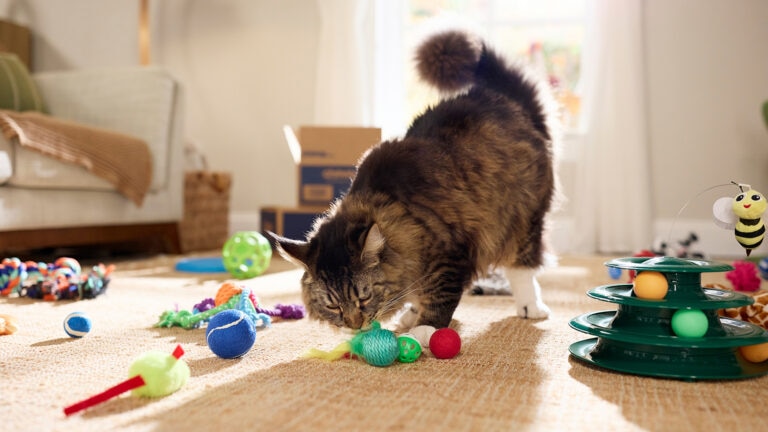
Boredom can push cats to develop unusual habits, including chatting with their toys. A lack of mental and physical stimulation leaves them craving entertainment, and vocalizing to toys might be their way of making playtime more interesting.
Keeping your cat mentally sharp can be as simple as rotating toys, using puzzle feeders, or setting up playdates. Have you noticed your cat becomes more vocal when she’s left with the same toys for days? Switching things up could reduce those solo conversations.
Credit: www.chewy.com
When To Be Concerned
Not all cat talking to toys is harmless. Sometimes, it signals deeper problems. Knowing when to be concerned helps protect your pet’s health. Watch your cat closely for unusual signs.
Signs Of Stress Or Anxiety
Stress can cause cats to act differently. Look for these signs:
- Excessive meowing or vocalizing
- Hiding or avoiding people
- Over-grooming or hair loss
- Changes in appetite
- Pacing or restlessness
If your cat talks to toys while showing these signs, stress might be the cause.
Behavioral Changes To Watch
Changes in behavior often indicate something is wrong. Notice if your cat:
- Suddenly prefers toys over humans
- Ignores usual play or interaction
- Becomes aggressive or fearful
- Shows repetitive actions with toys
- Stops using the litter box properly
These shifts could mean your cat needs help from a vet or behaviorist.
Enhancing Cat-toy Interaction
Enhancing the way your cat interacts with her toys can deepen her enjoyment and stimulate her natural instincts. When cats “talk” to their toys, they are often expressing curiosity, excitement, or even frustration. By improving this interaction, you help your cat stay mentally sharp and physically active, which benefits her overall well-being.
Choosing The Right Toys
Not all toys are created equal for every cat. Your cat’s personality and preferences matter a lot when selecting toys. Some cats love soft, plush toys they can carry around, while others prefer interactive toys that move or make noise.
Look for toys that mimic prey, like small balls, feather wands, or toys that squeak. Notice what your cat “talks” to the most—this can guide you to the perfect toy. Have you ever seen your cat chat with a toy mouse more than a simple ball? That’s a clue.
Encouraging Healthy Play
Healthy play keeps your cat engaged and reduces unwanted behaviors like scratching furniture. Try to set aside time each day to play with your cat using her favorite toys. This not only strengthens your bond but also helps her release energy in a positive way.
Rotate toys regularly to maintain her interest. Sometimes, your cat might “talk” to a toy out of boredom, so switching things up can spark new excitement. How often do you refresh your cat’s toy collection to keep playtime fresh?
Frequently Asked Questions
Why Does My Cat Talk To Her Toys?
Cats often talk to their toys as a form of play and interaction. It mimics hunting behavior and helps them practice communication. Talking to toys also reduces boredom and strengthens their bond with their environment.
Is My Cat Lonely If She Talks To Toys?
Not necessarily. Cats talk to toys mainly for entertainment and stimulation. It doesn’t always indicate loneliness but can show they enjoy engaging with objects, especially when alone or seeking attention.
Do Cats Understand Their Own ‘toy Conversations’?
Cats don’t fully understand their ‘toy conversations’ like humans do. They use sounds and movements to mimic hunting or social behaviors. These vocalizations are instinctive and part of their natural play routine.
Can Talking To Toys Indicate Stress In Cats?
Talking to toys usually signals playfulness, not stress. However, excessive vocalizing or repetitive behavior might hint at anxiety. Monitoring your cat’s overall behavior helps identify if stress is a concern.
Conclusion
Cats talking to their toys shows their playful and curious nature. This behavior helps them practice hunting skills and express emotions. It also means your cat feels comfortable and safe around you. Watching your cat interact this way can be fun and heartwarming.
Understanding why cats do this strengthens your bond with them. Keep enjoying these small, special moments with your furry friend. They say a lot without using words.



Leave a Reply