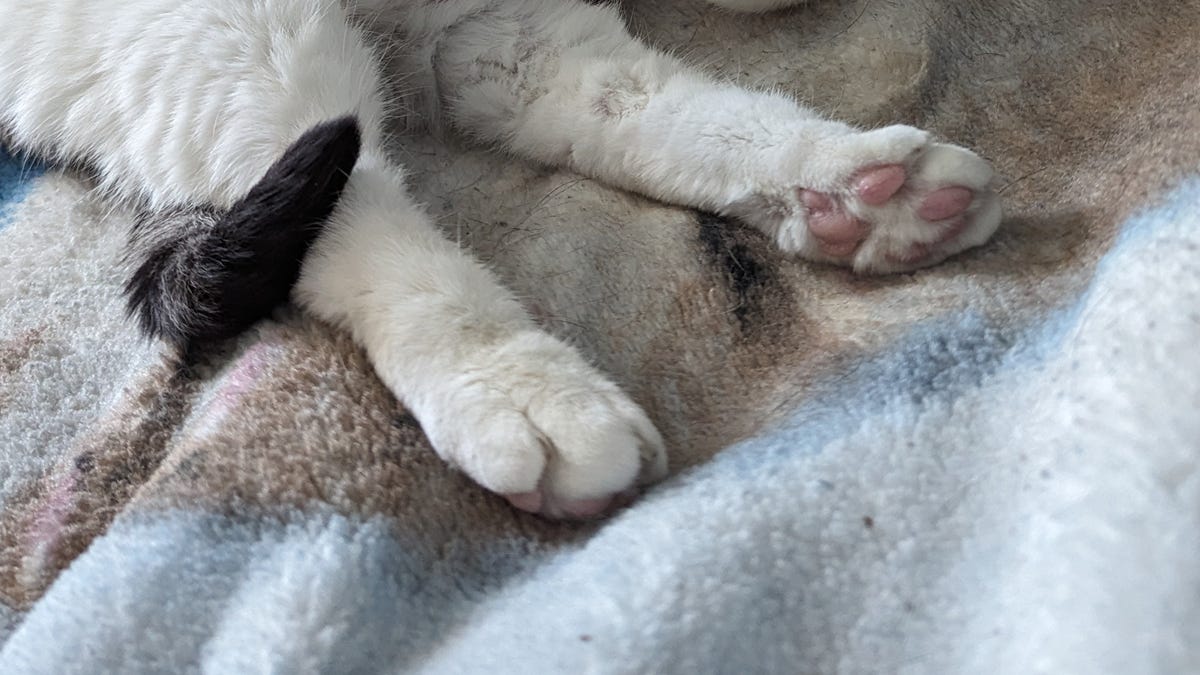
Have you ever watched your cat suddenly stomp on a toy and wondered why they do it? It’s a curious behavior that can leave you scratching your head.
You might think it’s just play, but there’s more going on beneath those little paws. Understanding why your cat stomps on toys can help you connect better with your furry friend and keep them happier. Keep reading, and you’ll discover the surprising reasons behind this quirky habit—and what it means for your cat’s mind and mood.

Credit: medium.com
Cat Stomping Behavior
Have you ever caught your cat stomping on its toys and wondered why this curious behavior happens? Cat stomping is more than just random play; it’s a fascinating mix of instinct and fun. Understanding this action can help you better engage with your feline friend and provide the right kind of playtime.
What Is Stomping?
Stomping is when a cat uses its front paws to press down repeatedly on a toy or object. It’s almost like they’re kneading but with a more forceful, deliberate motion. This behavior can look like a small, rhythmic pounding or a quick, energetic stomp.
Many cats stomp as part of their natural hunting instincts. It mimics how wild cats would “capture” prey, ensuring it’s secure before playing or eating. You might notice your cat stomping before pouncing or batting the toy around.
Common Toys Cats Stomp On
Not all toys get the same stomping treatment. Cats tend to stomp on toys that resemble prey or have an interesting texture or sound. Here are some favorites:
- Soft plush mice:Their size and shape invite stalking and stomping.
- Feather wands:When dropped, they can become targets for stomping.
- Crinkly balls or toys:The noise encourages cats to interact more aggressively.
- Small stuffed animals:These often trigger a cat’s natural pounce and stomp response.
Have you noticed your cat favoring certain toys for stomping? Observing this can guide you in choosing the most engaging toys to keep your cat entertained and mentally stimulated.

Credit: www.reddit.com
Instinctive Hunting Actions
Your cat’s habit of stomping on toys might seem playful, but it’s deeply rooted in instinctive hunting actions. This behavior is more than just fun—it’s a natural way for cats to engage with their environment and sharpen skills they rely on in the wild. Understanding why your cat does this can help you better appreciate their complex nature.
Simulating Prey Capture
When your cat stomps on a toy, they’re mimicking the moment they would immobilize prey in the wild. This action helps them practice controlling and subduing something that moves unpredictably. Have you noticed how your cat’s paws move rapidly, almost like they’re trying to pin something down? This isn’t random; it’s a rehearsal of the critical step needed to secure a catch.
Think about the last time your cat got really focused on a toy mouse or feather. That intense concentration and sudden stomping reflect a natural hunting sequence. You can support this behavior by offering toys that encourage this type of interaction, like small stuffed animals or toys with feathers.
Practice For Real Hunting
Even if your cat lives indoors, their brain is wired for hunting. Stomping on toys is their way of keeping these skills sharp. It’s like a workout for their reflexes and coordination, which are essential if they ever need to hunt for food.
Have you ever wondered why your cat suddenly pounces and stomps during playtime? It’s not just play; it’s practice. These sessions help maintain their agility and mental sharpness, which benefits their overall health and happiness.
To enhance this instinctive behavior, rotate your cat’s toys regularly and include items that move unpredictably. This variety keeps your cat mentally engaged and physically active, making playtime feel more like real hunting scenarios.
Play And Exercise
Play and exercise are essential parts of your cat’s daily routine. When your cat stomps on toys, it’s often more than just random behavior—it’s a way to engage both body and mind. Understanding this can help you provide better playtime that supports your cat’s health and happiness.
Physical Activity Benefits
Stomping on toys mimics hunting behavior, giving your cat a chance to stretch muscles and burn energy. Regular physical activity helps maintain a healthy weight and keeps joints flexible. If you notice your cat is restless or overweight, increasing active play sessions can make a big difference.
Have you observed how your cat’s energy spikes during playtime? This is a natural way for them to release pent-up energy. You can encourage this by offering a variety of toys that move or make noise, prompting your cat to stomp, pounce, and chase.
Mental Stimulation
Stomping isn’t just physical; it’s a mental workout too. Toys challenge your cat to think, plan, and react quickly, which helps prevent boredom and related behavior problems. When your cat interacts thoughtfully with toys, it’s exercising their brain just like you would with puzzles.
Try rotating toys to keep your cat curious and engaged. Notice how your cat’s behavior changes with different types of toys—some encourage stalking, others quick bursts of energy. This variety can sharpen your cat’s instincts and keep their mind sharp.
Marking Territory
Cats have unique ways of communicating with their environment, and one common behavior is stomping on their toys. This action often ties back to their instinct to mark territory. Understanding why your cat does this can help you appreciate their natural habits and respond in ways that respect their needs.
Scent Glands In Paws
Your cat’s paws have special scent glands that release pheromones when they touch objects. This scent is invisible to humans but very clear to other cats. When your cat stomps on a toy, they’re leaving a personal scent mark to signal ownership.
This behavior is similar to scratching, which also deposits scent and visual marks. Have you noticed your cat rubbing their face on toys or furniture? That’s another way they mix their scent with their paw prints, reinforcing their claim.
Claiming Ownership Of Toys
Stomping is a way for your cat to say, “This toy belongs to me.” It’s not just about play; it’s about establishing a sense of control and security. When your cat presses down on a toy, they feel more connected to it.
Try observing which toys get stomped on the most. These are likely your cat’s favorites or the ones they consider part of their “territory.” Knowing this can help you rotate toys to keep your cat engaged and happy.
Expressing Emotions
Cats use many actions to show their feelings. Stomping on toys is one way they express emotions. This behavior helps them share what they feel inside.
Frustration Or Excitement
Sometimes cats stomp on toys when they feel frustrated. Maybe the toy moves too fast or does not behave like real prey. Stomping helps release that tension.
Other times, cats stomp because they are excited. The toy might look like a mouse or bird. Stomping shows their hunting joy and energy.
Seeking Attention
Cats want your focus. Stomping on toys can be a way to get noticed. They hope you will join the play or pet them.
When a cat feels lonely, this behavior increases. Stomping says, “Look at me! Play with me!”
Age And Personality Factors
Cats’ age and personality shape how they play and interact with toys. Younger cats often stomp out of energy, while older cats may do it less. Bold cats stomp to show excitement, while shy ones might avoid toys altogether.
Cats are fascinating creatures with unique behaviors. One peculiar habit is stomping on toys. This action often relates to their age and personality. Understanding these factors can help you better comprehend your feline friend’s actions.Kittens Vs Adult Cats
Kittens love to explore and play. They stomp on toys to learn about their world. This behavior helps them develop motor skills. For adult cats, stomping can be a way to show dominance. It might also be a playful reminder of their hunting instincts. Each stage of life brings different motivations.Individual Differences
Each cat has a distinct personality. Some are naturally more playful. These cats might stomp more often. Others may be more cautious or reserved. Their unique traits influence how they interact with toys. Observing your cat can reveal these individual preferences. Understanding these factors makes the behavior less puzzling. It’s a blend of age and personality that guides them.How To Respond To Stomping
Understanding how to respond to your cat’s stomping behavior helps create a happy playtime. Cats stomp on toys for many reasons. Sometimes it’s hunting practice or just fun. Your response can shape how your cat plays and behaves. Gentle guidance encourages good habits and makes play more enjoyable for both of you.
Encouraging Positive Play
Offer toys that invite gentle paws and careful play. Soft toys and small balls work well. Praise your cat when it plays softly. Use calm voices and petting to reward good behavior. Rotate toys to keep play fresh and interesting. Play regularly to help your cat burn energy. This reduces rough stomping caused by boredom or stress.
Managing Excessive Stomping
Watch for signs your cat is too excited or anxious. Redirect energy with interactive toys like wand teasers. Set short play sessions to avoid overexcitement. Avoid punishing your cat; it may cause fear or confusion. Provide a quiet space for your cat to relax. Use calming scents or gentle music to soothe your pet. Consistency in your approach helps your cat learn limits over time.

Credit: www.kittyhelpdesk.com
Frequently Asked Questions
Why Does My Cat Stomp On Toys Often?
Cats stomp on toys to mimic hunting behavior. It helps them practice catching and subduing prey. This instinctual action keeps cats mentally stimulated and physically active.
Is Toy Stomping A Sign Of Cat Aggression?
Toy stomping is usually playful, not aggressive. Cats express excitement or dominance through this behavior. It helps them release energy and stay entertained.
How Can I Stop My Cat From Stomping Toys?
Provide interactive toys and regular playtime. Redirect their energy with puzzle feeders or wand toys. Consistent engagement reduces excessive stomping and boredom.
Does Toy Stomping Indicate A Healthy Cat?
Yes, toy stomping shows good mental and physical health. It reflects natural hunting instincts and curiosity. Active play keeps cats fit and mentally sharp.
Conclusion
Cats stomp on toys to show hunting skills and play excitement. This behavior helps them practice catching and exploring. It also keeps their minds sharp and bodies active. Watching your cat stomp can be fun and interesting. Understanding this habit helps you enjoy playtime more.
Give your cat safe toys to satisfy this natural urge. Play often to keep your cat happy and healthy. Stomping is just one way cats express joy and curiosity. Keep observing and learning about your pet’s unique habits.



Leave a Reply