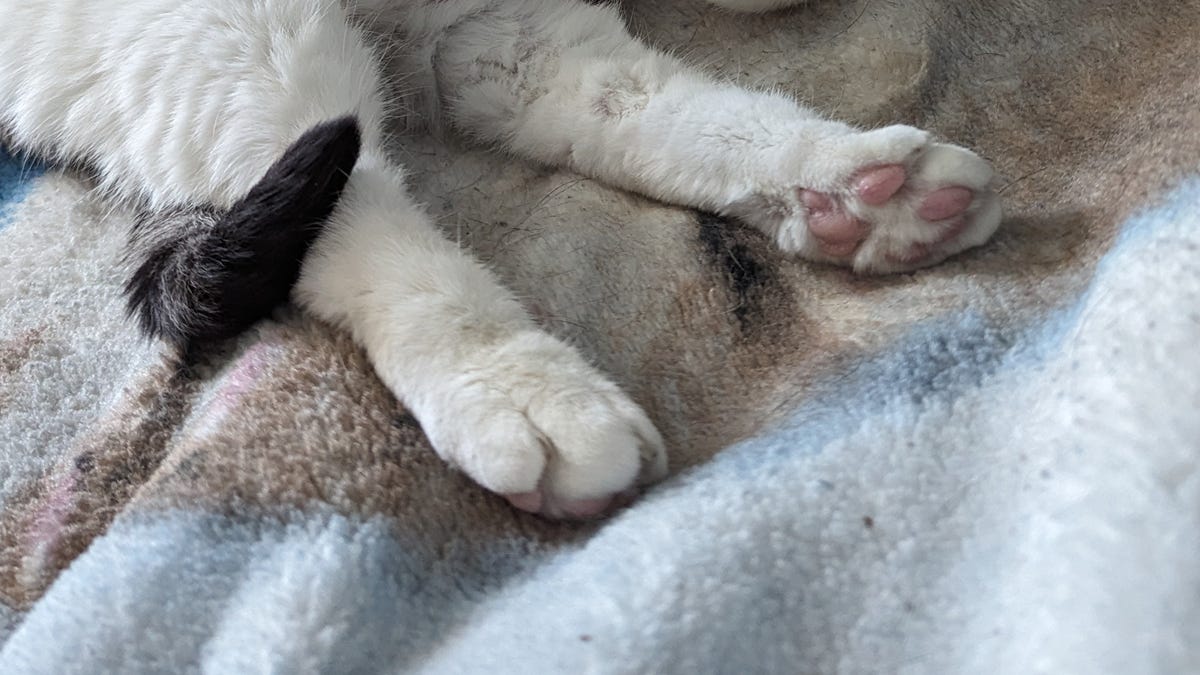
Have you ever wondered why your cat steps on her toys instead of playing with them? It might seem odd or even frustrating, but this curious behavior actually tells you a lot about your furry friend.
Understanding why your cat does this can help you connect with her better and make playtime more enjoyable for both of you. Keep reading, and you’ll discover surprising reasons behind this little habit that will change the way you see your cat’s playful moments.

Credit: medium.com
Cat Behavior And Toy Interaction
Understanding how your cat interacts with her toys can reveal a lot about her behavior and instincts. Cats don’t just play randomly; their movements and choices reflect natural habits and communication styles. When your cat steps on her toys, she’s not just being cute—she’s engaging in a meaningful way with her environment.
Common Cat Play Habits
Cats often display specific patterns when playing. They might pounce, swipe, or carry toys around. Stepping on toys can be part of this routine, almost like marking the toy as “claimed” or testing its stability.
Many cats enjoy batting toys with their paws or holding them down before biting. Have you noticed your cat circling a toy before stepping on it? This behavior mimics hunting and capturing prey, showing her natural instincts at work.
- Testing the toy’s movement by stepping on it
- Using paws to trap or control the toy
- Engaging in stalking and pouncing sequences
How Cats Use Their Paws
Your cat’s paws are incredible tools. They are sensitive and agile, letting her feel textures and control objects precisely. When she steps on a toy, she might be exploring its shape, weight, or texture through touch.
Think about how you use your hands to examine something new. Cats do the same with their paws. They also use their paws to communicate—tapping or kneading can signal different moods or intentions.
| Paw Action | Purpose |
|---|---|
| Stepping on toys | To hold or control the toy during play |
| Swatting | To imitate hunting and catch prey |
| Kneading | Comfort and marking territory |
So next time your cat steps on her toy, ask yourself: is she playing, claiming, or simply exploring? Observing these small behaviors can deepen your understanding of your cat’s unique personality.
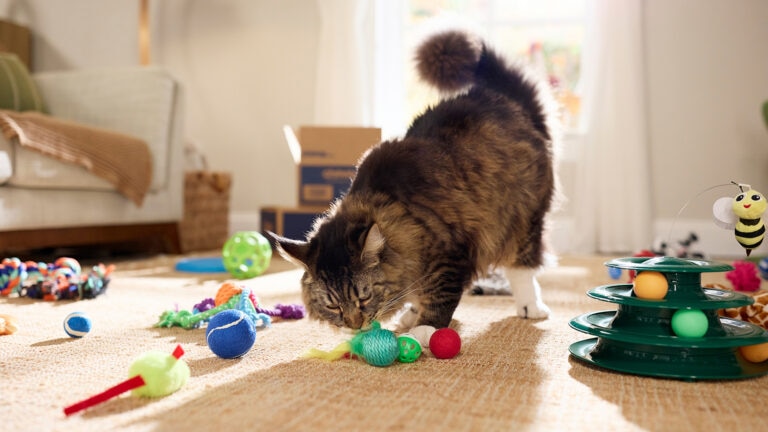
Credit: www.chewy.com
Reasons Cats Step On Toys
Cats stepping on their toys can seem puzzling at first. You might wonder why your furry friend isn’t just playing but also standing on their toys. This behavior actually reveals a lot about how cats interact with their environment and express themselves.
Marking Territory
Your cat steps on toys to mark them as their own. Cats have scent glands in their paws, so when they step on toys, they leave a subtle scent behind. This helps your cat feel secure, knowing their favorite items carry their unique signature.
Testing Toy Texture
Have you noticed your cat stepping repeatedly on a new toy? They’re checking its texture and firmness. Cats use their paws to explore objects before deciding if they’re fun to play with or worth batting around.
Hunting Instincts
Stepping on toys mimics how cats handle prey in the wild. They pin down their “catch” with their paws before biting or clawing it. This natural behavior shows your cat practicing their hunting skills, even if the toy is just a stuffed mouse.
Seeking Attention
Sometimes, your cat steps on toys to get your notice. If they notice you react when they do this, they might use it as a way to say, “Play with me!” It’s a simple, effective way to communicate their desire for interaction.
Emotional Signals Behind Toy Stepping
Cats communicate a lot with their body and actions. Stepping on toys is one way they send emotional signals. This behavior shows how they feel about their surroundings and their own comfort. Understanding these signals helps you connect better with your cat.
Comfort And Security
Stepping on toys can give cats a sense of control over their space. Holding the toy under their paws makes it feel safe. It acts like a small, familiar object they can trust. This helps reduce stress and anxiety. The action comforts them in times of uncertainty or change.
Boredom And Curiosity
Cats step on toys when they feel bored or curious. It is a way to explore and interact with their environment. They test the toy’s texture and movement. This keeps their mind active and prevents boredom. The stepping also invites play and attention from their owners.

Credit: www.petscare.com
How Toy Design Affects Cat Interaction
Cats interact with their toys in many unique ways. The design of a toy plays a big role in how your cat uses it. Toy material, size, and shape can change your cat’s interest and behavior. Understanding these factors helps explain why your cat steps on her toys.
Material Preferences
Cats like certain materials more than others. Soft fabrics like felt or plush feel good under their paws. Some cats enjoy the texture of rubber or plastic. The scent of natural materials such as wool or cotton can attract cats. Noisy materials like crinkle paper catch their attention. Cats often step on toys to test their texture and scent before playing.
Toy Size And Shape
The size of a toy affects how a cat interacts with it. Small toys fit easily under their paws. Larger toys might be used for pushing or carrying. Shapes that mimic prey, like mice or balls, trigger hunting instincts. Flat toys are easy to step on and bat around. Cats step on toys to control them and decide their next move.
Tips To Encourage Healthy Play
Cats stepping on their toys often show curiosity and a playful nature. Encouraging gentle play helps keep them engaged and happy. Offering soft, lightweight toys can prevent accidental damage and promote safe interaction.
Cats are naturally curious creatures and stepping on their toys is just one way they explore their environment. Encouraging healthy play is essential for their mental and physical well-being. Here are some practical tips to ensure your feline friend enjoys playtime while staying active and entertained.Choosing The Right Toys
Selecting the right toys can make a world of difference in how your cat engages with them. Opt for toys that mimic natural prey, such as those with feathers, strings, or that make crinkling sounds. Variety is key, so rotate toys regularly to keep your cat’s interest piqued.Creating Engaging Playtime
Set aside dedicated time each day to play with your cat, which strengthens your bond and keeps them active. Use interactive toys like wand teasers or laser pointers to stimulate their hunting instincts. Don’t forget to switch things up—try hiding toys in different places to create a surprise element.Monitoring Cat’s Behavior
Pay attention to your cat’s play habits to ensure they are healthy and safe. Notice if they seem disinterested or overly aggressive with their toys; this might signal a need for new stimulation or a trip to the vet. Always supervise playtime with toys that have small parts to prevent accidental swallowing. Incorporating these tips into your cat’s routine can transform playtime into a delightful and beneficial experience. What unique ways have you discovered to enhance your cat’s playtime?Frequently Asked Questions
Why Does My Cat Step On Her Toys Often?
Cats step on toys to claim ownership and mark them with scent glands in their paws. It also helps them engage mentally and physically with their environment.
Is Stepping On Toys A Sign Of Cat Boredom?
Yes, stepping on toys can indicate boredom. Cats seek interaction and stimulation, so they use toys to entertain themselves and relieve stress.
Do Cats Step On Toys To Get Attention?
Often, cats step on toys to attract their owner’s attention. It signals a desire to play or interact, strengthening the human-cat bond.
Can Stepping On Toys Be A Hunting Instinct?
Yes, stepping on toys mimics hunting behavior. It allows cats to practice stalking, pouncing, and controlling prey movements in a safe setting.
Conclusion
Cats stepping on their toys shows their unique play style. They explore objects with their paws and feel curious. This habit helps them learn about their environment. Toys also give cats comfort and fun. Watching your cat play can build a stronger bond.
Understanding these actions lets you enjoy their quirky behavior. Keep providing toys to keep them happy and active. Their little steps on toys tell a story of joy and curiosity. Simple moments like these bring warmth to any home.



Leave a Reply